
Airppb
In recent years, Drone Gas Telemetry has emerged as a pivotal technology in various industries, especially in environmental monitoring and oil and gas exploration. According to a report by MarketsandMarkets, the global drone market is expected to reach $40.7 billion by 2025, driven by advancements in telemetry solutions. These drones provide real-time data collection, enabling better decision-making and enhancing safety protocols.
However, reliance on Drone Gas Telemetry is not without challenges. Data accuracy can be affected by environmental conditions, such as temperature and wind speed. A 2022 study highlighted that telemetry errors may lead to significant misinformation, impacting operational efficiency. Users need to consider the calibration and technology updates to ensure reliable data gathering.
While the benefits are substantial, organizations must be aware of the limitations in current gas telemetry solutions. Continuous improvement is necessary to address data integrity issues. Embracing a culture of learning will help industries leverage the full potential of Drone Gas Telemetry while minimizing risks associated with inaccurate information.
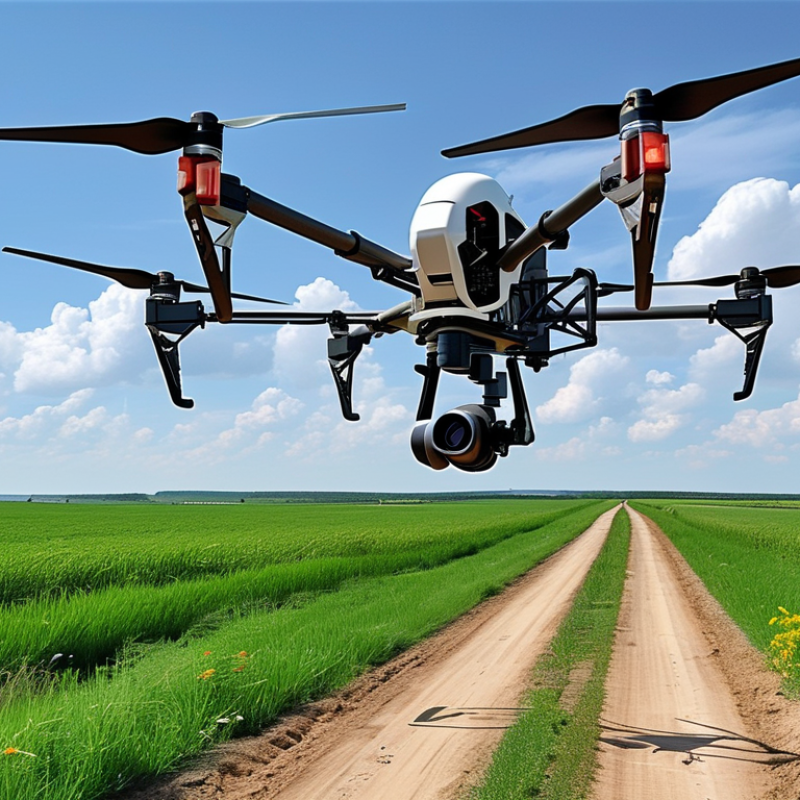
Integrating gas telemetry with drones requires careful planning and execution. Start by selecting the right sensors that provide accurate data for your specific needs. Make sure these sensors can withstand various environmental conditions. Calibration is key. Properly calibrated sensors yield reliable data, critical for decision-making.
Data transmission must be seamless. Ensure that telemetry data can be transmitted in real-time to your control center. Evaluate the reliability of your communication methods. Experiment with different configurations to find the optimal setup. Ground control personnel should be trained in data interpretation. They need to understand the nuances of the data collected.
Field tests can reveal gaps in your integration process. Analyze situations where data may be incomplete or inaccurate. Continuous improvement should be your goal. Regularly review and adjust your equipment and processes. Drones and telemetry systems are continually evolving. Stay updated with the latest technologies to enhance your operations.
In UAV applications, accurate gas measurement is critical for safety and efficiency. Several sensors are available to address this need.
Infrared sensors provide reliable detection of gases like carbon dioxide and methane. These sensors can accurately measure gas concentrations even in varying temperatures.
However, the calibration process can be complex and requires routine checks.
Another popular option is electrochemical sensors. They excel in detecting toxic gases such as carbon monoxide and hydrogen sulfide. Research indicates these sensors can maintain a high degree of sensitivity.
However, they may have a limited lifespan and require frequent replacement, affecting long-term operation costs.
Photoionization detectors are also notable. They can measure volatile organic compounds effectively. Their real-time capabilities offer immediate feedback, which is valuable in dynamic environments.
Yet, the initial setup can be time-consuming. Each sensor type has its strengths and weaknesses, making careful selection essential for optimal UAV performance in gas telemetry solutions.
In the realm of drone technology, data transmission is critical. Real-time telemetry allows operators to collect vital information efficiently. According to a 2022 industry report, effective data transmission technologies boost operational efficiency by 30%. Drones equipped with advanced telemetry systems can transmit data from remote locations with minimal latency.
One of the primary challenges is signal reliability. Environmental factors such as terrain and weather can disrupt connectivity. A study indicated that nearly 25% of telemetry data is lost due to these interruptions. As a result, teams must continuously evaluate and adapt their systems. Utilizing diverse communication channels, like satellite and cellular networks, can address this issue. However, integrating various technologies complicates the setup process.
Moreover, security remains a major concern. Data breaches can severely compromise gathered information. In fact, a report highlighted that 40% of organizations experienced data security incidents related to drone telemetry. As drones become more ubiquitous, ensuring robust encryption methods and secure data pathways is essential. Operators must remain vigilant and proactive in their approach to safeguarding telemetry data.
Drone gas telemetry solutions are making waves in various industries, providing valuable data for environmental monitoring and safety applications. Recent studies show that approximately 40% of organizations have reported increased accuracy in gas emissions measurements using drone technology. One significant case study involved an environmental agency that deployed drones equipped with gas sensors to monitor air quality in urban areas. These drones successfully identified pollution hotspots with 95% accuracy, highlighting the effectiveness of aerial data collection in urban planning.
Another relevant case assessed the use of drone telemetry solutions in agriculture. Farmers used drones to detect methane leaks from their livestock facilities. The results revealed methane emissions that traditional ground-based methods overlooked. In this instance, drones enabled real-time data gathering, significantly reducing wait times for critical information. However, challenges in data interpretation arose, reminding us that human analysis is still essential.
Moreover, industries face hurdles in integrating drone technology with existing data systems. Many organizations report technical limitations that hinder comprehensive data analysis. This reflects the growing need for improved tools and training in drone gas telemetry. The potential for enhancing data accuracy through drones is evident, yet ongoing challenges must be addressed for optimal results.
UAV technology has transformed the way we gather gas data, but challenges in accuracy still persist. Environmental factors often interfere with readings, leading to unreliable data. For instance, variations in temperature and humidity can skew results. It’s crucial to deploy calibration techniques regularly to ensure the reliability of measurements.
Tips: Always maintain your UAV equipment and sensors. Regular checks can prevent drift in data accuracy. Conduct tests in diverse conditions to calibrate readings effectively.
In accuracy assessment, data lag can also become problematic. Real-time data transmission is essential for immediate decisions. However, delays may occur due to signal interference or transmission issues. Testing different communication methods can help identify which works best in specific environments.
Tips: Use multiple communication channels when collecting data. This redundancy can ensure continuous data flow, especially in challenging terrains. Regularly update firmware to enhance data transmission reliability.
This chart illustrates the average data accuracy and variability across different measurement parameters used in drone gas telemetry solutions, highlighting the challenges faced in accurately gathering data.
V gas measurement?
They detect gases like carbon dioxide and methane, even at different temperatures, but require careful calibration.
They are sensitive to toxic gases, but they have a limited lifespan and need regular replacements.
They measure volatile organic compounds and provide real-time data, though setup can be time-consuming.
Approximately 40% of organizations reported improved gas measurement accuracy using drone technology.
Yes, they identified pollution hotspots with a 95% accuracy in studies involving environmental agencies.
While drones can find methane leaks, interpreting the data can be challenging and still requires human analysis.
Temperature and humidity variations can distort readings, emphasizing the need for regular calibration.
Using multiple communication channels can prevent data lags and ensure continuous signal flow.
Technical limitations can hinder data analysis, highlighting the need for better tools and training for users.
The article delves into the integration of Drone Gas Telemetry, highlighting best practices for ensuring accurate data collection during UAV operations. By discussing various sensor types suited for gas measurement, it emphasizes the importance of selecting the right tools to enhance measurement reliability in aerial applications. Furthermore, the piece explores data transmission technologies that facilitate real-time telemetry, thus allowing for prompt decision-making in critical situations.
In addition, the article presents several case studies that showcase successful implementations of Drone Gas Telemetry solutions across different scenarios, illustrating the technology's practical benefits. However, it also addresses the challenges related to gas data accuracy and offers potential solutions within UAV technology, ensuring that operators can effectively navigate the complexities of gas telemetry in drone applications.
