
Airppb Airppb

Why is Chemical Gas Monitoring Essential for Global Industries?

Time:2026-05-07 Author:Mason
0%

Chemical Gas Monitoring is critical for various industries today. As global economies grow, the need for vigilant environmental safety increases. Industries—such as manufacturing, mining, and oil and gas—face unique challenges. Toxic gases can be harmful to workers and the environment. Ignoring gas monitoring can lead to accidents.

Many companies lack effective monitoring systems. This can result in severe consequences. Equipment failures and safety breaches may occur, leading to financial losses and reputational damage. The failure to implement proper gas monitoring systems is not just oversight; it reflects a lack of commitment to safety. Ignorance can be costly.

The importance of Chemical Gas Monitoring is paramount. Accurate detection of gases enhances workplace safety and compliance with regulations. Investing in reliable monitoring systems fosters trust. It reassures employees and stakeholders alike. Continuous advancements in technology are making monitoring systems more accessible. Companies must prioritize these tools to prevent disasters. Proper monitoring safeguards health and promotes a sustainable future.
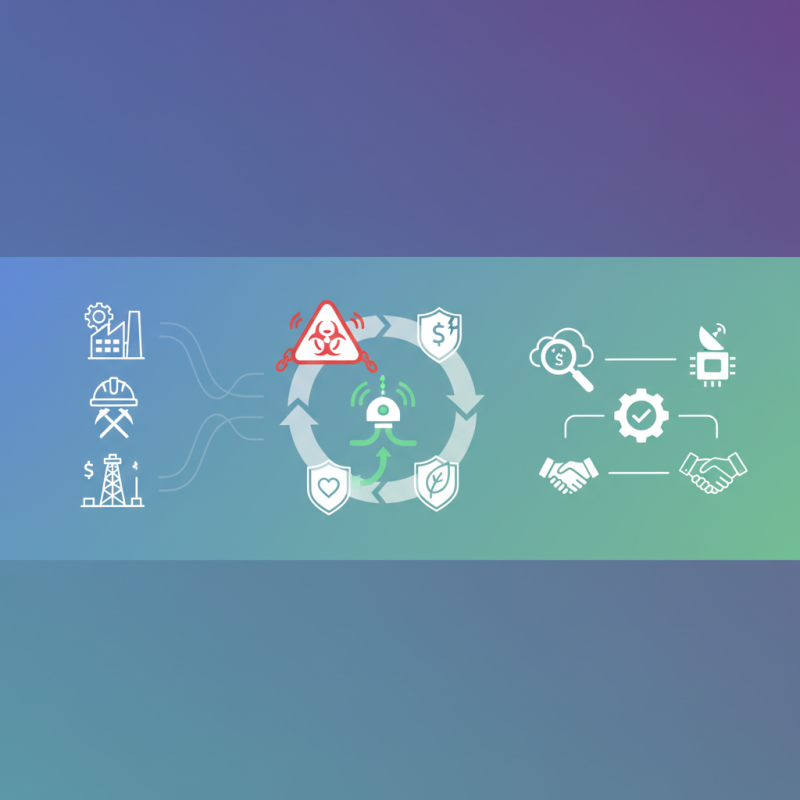
Why is Chemical Gas Monitoring Essential for Global Industries?

The Importance of Chemical Gas Monitoring in Industrial Safety

Chemical gas monitoring is a critical element in maintaining industrial safety. According to the Occupational Safety and Health Administration (OSHA), the U.S. economy loses approximately $20 billion annually due to workplace injuries and illnesses. Many of these incidents are linked to chemical exposure. Effective monitoring and detection of hazardous gases can significantly reduce these risks.

Sensitive environments, like manufacturing plants, often deal with toxic fumes. More than 30% of industries report challenges in detecting these gases in real-time. Continuous monitoring systems provide real-time data, ensuring timely responses to potential hazards. This empowers workers to act before a situation escalates.

Tips: Regularly calibrate sensors for accuracy. Train employees in recognizing gas leak signs.

Chemical monitoring systems should meet high standards to be effective. However, not all devices are reliable. Companies need to invest in trusted technologies to protect their workforce. Ignoring this can lead to devastating consequences, not just for employees but also for business reputation.

Tips: Conduct routine risk assessments. Engage with professionals for system upgrades. Investing time in safety procedures is essential.

Why is Chemical Gas Monitoring Essential for Global Industries? - The Importance of Chemical Gas Monitoring in Industrial Safety

Industry Common Gases Monitored Primary Risks Benefits of Monitoring Regulatory Compliance
Oil & Gas Methane, Hydrogen Sulfide Explosion, Toxic Exposure Improved Safety, Leak Detection OSHA, EPA Standards
Chemical Manufacturing Chlorine, Ammonia Toxic Exposure, Environmental Impact Enhanced Worker Safety, Process Control REACH, OSHA Regulations
Mining Methane, Carbon Dioxide Asphyxiation, Explosions Emergency Preparedness, Worker Protection MSHA Regulations
Food Processing Carbon Dioxide, Ammonia Contamination, Spoilage Quality Control, Safety Assurance FDA Standards
Waste Management Methane, Sulfur Dioxide Toxic Gas Release, Fire Hazard Public Safety, Environmental Protection EPA Regulations

Key Regulatory Standards Impacting Chemical Gas Monitoring

Effective chemical gas monitoring plays a fundamental role in various industries. Regulatory standards dictate how companies should manage hazardous gas exposure. Adhering to these standards is not optional; it is essential for safety. Agencies set forth guidelines that ensure workers and the environment are protected from harmful chemicals.

Key regulations often focus on exposure limits, detection systems, and emergency protocols. Organizations need to deploy sophisticated sensors to detect gas leaks swiftly. These systems must comply with internationally recognized standards to maintain credibility and trust. Companies can face serious repercussions for neglecting these protocols, from financial penalties to severe health risks.

Compliance can be an ongoing challenge. Many industries struggle with outdated equipment or insufficient training for personnel. Regular audits are necessary to identify gaps in monitoring efforts. Organizations are encouraged to invest in reliable technologies and provide comprehensive training for their staff. A proactive approach can enhance safety and adherence to regulatory standards, creating a safer workplace for everyone involved.

Essential Technologies for Effective Chemical Gas Detection

Chemical gas monitoring is critical for industries that handle potentially hazardous substances. Effective detection technologies play a vital role in ensuring safety and compliance. Common methods include electrochemical sensors and infrared detectors. These technologies provide real-time data, enabling prompt action during gas leaks.

Implementing regular calibrations is crucial for accuracy. Sensors can drift over time, affecting their reliability. Routine checks ensure the devices function correctly and respond accurately to gas concentrations. Establish a schedule for maintenance and testing for optimal performance.

Training staff is equally important. Employees must understand the proper use of monitoring equipment. They should recognize alarm signals and respond effectively. Ongoing education can strengthen safety culture within the organization. Remember, safety is a shared responsibility.

The Role of Chemical Gas Monitoring in Environmental Protection

Chemical gas monitoring plays a crucial role in safeguarding our environment. It allows industries to detect and control harmful emissions. This proactive approach helps reduce pollution and protect natural ecosystems. Air quality can significantly impact both human health and biodiversity. By monitoring gas levels, companies can identify issues before they escalate.

Effective monitoring systems provide real-time data. This data helps industries comply with environmental regulations. However, challenges exist in adopting advanced monitoring technologies. Some organizations may lack the resources or expertise needed for effective implementation. It's essential to address these gaps to enhance overall reliability.

Moreover, while monitoring is vital, it's not flawless. False positives can lead to unnecessary shutdowns, affecting productivity. Continuous improvement and training are necessary to enhance these systems. Ensuring accuracy in measurements is key to minimizing errors. These efforts are fundamental to achieving sustainable industrial practices while protecting our planet.

Case Studies: Successful Implementation of Gas Monitoring Systems in Industries

In various industries, chemical gas monitoring has proven vital for safety and operational efficiency. A food processing plant illustrated this well. They implemented a gas monitoring system that detected ammonia leaks. Early detection allowed them to address the issue promptly, avoiding potential harm to workers and costly downtime. The continuous monitoring ensured that the air quality met safety standards.


Another case involves a petrochemical facility that struggled with volatile organic compounds. They adopted an integrated gas detection system that provided real-time data. This not only improved safety but also helped in regulatory compliance. However, the implementation highlighted challenges, such as the system's complexity and the need for staff training. These factors must not be overlooked when planning such systems.


Moreover, a metal fabrication company faced issues with welding fumes. After installing a gas monitoring solution, they discovered levels exceeding safe limits. Constant monitoring brought awareness and allowed for immediate action. Still, it made them reflect on existing safety practices and worker training. Such experiences showcase the importance of chemical gas monitoring and the continuous journey toward improvement in industrial safety.

FAQS

: Why is chemical gas monitoring important?

: It ensures safety and compliance in industries handling hazardous substances.

What are common detection methods used?

Electrochemical sensors and infrared detectors are prevalent.

How often should gas detection sensors be calibrated?

Regular calibrations are essential for maintaining accuracy and reliability.

What role does staff training play in gas monitoring?

It ensures employees can use equipment properly and respond to alarms.

Can monitoring systems provide real-time data?

Yes, this data helps industries track gas levels and comply with regulations.

What challenges do organizations face with gas monitoring?

Limited resources or expertise can hinder effective system implementation.

Are monitoring systems always accurate?

No, false positives can occur, leading to unnecessary shutdowns.

How can continuous improvement be achieved in monitoring?

Ongoing training and performance checks are vital for system enhancement.

What insights do case studies provide?

They highlight challenges and successes of gas monitoring system implementations.

What should companies reflect on after installing monitoring systems?

They should evaluate existing safety practices and employee training effectiveness.

Conclusion

Chemical Gas Monitoring is a critical component of industrial safety, ensuring the protection of workers and the environment from hazardous gas exposures. It plays a vital role in complying with key regulatory standards that govern safe operational practices across various industries. Advanced detection technologies are essential for effective monitoring, allowing for timely alerts and intervention to prevent accidents.

Moreover, Chemical Gas Monitoring contributes significantly to environmental protection by minimizing the release of toxic gases into the atmosphere. Case studies demonstrate successful implementations of gas monitoring systems, highlighting their effectiveness in enhancing safety protocols and regulatory compliance. Overall, the integration of Chemical Gas Monitoring is indispensable for fostering safer industrial environments and protecting public health.

Mason

Mason

Mason is a seasoned marketing professional with a deep expertise in the company's offerings and a passion for driving brand awareness. With a strong background in digital marketing strategies, he has an innate ability to connect with diverse audiences and effectively communicate product benefits.......