
Airppb
In today's industrial landscape, the importance of effective Chemical Gas Monitoring cannot be overstated. In sectors such as oil and gas, chemical production, and waste management, monitoring systems are crucial. According to the Global Gas Detection Equipment Market report, the market is projected to reach $4.36 billion by 2027, growing at a CAGR of 7.5%. This underscores the urgency of adopting reliable monitoring solutions to ensure both safety and efficiency.
Safety incidents, often stemming from gas leaks, can have devastating consequences. The National Fire Protection Association reported that hazardous substances account for over 25% of all workplace injuries. Chemical Gas Monitoring technologies help mitigate these risks. They assist in real-time detection, enabling swift responses to potential threats. Yet, many organizations still operate without adequate monitoring systems, risking both lives and finances.
However, the reliability of these systems often faces scrutiny. Regular maintenance and calibration are essential for accuracy. Industry experts recommend conducting routine checks to ensure effectiveness. Without these practices, the very systems designed to protect could falter, highlighting the need for ongoing evaluation and improvement in Chemical Gas Monitoring.
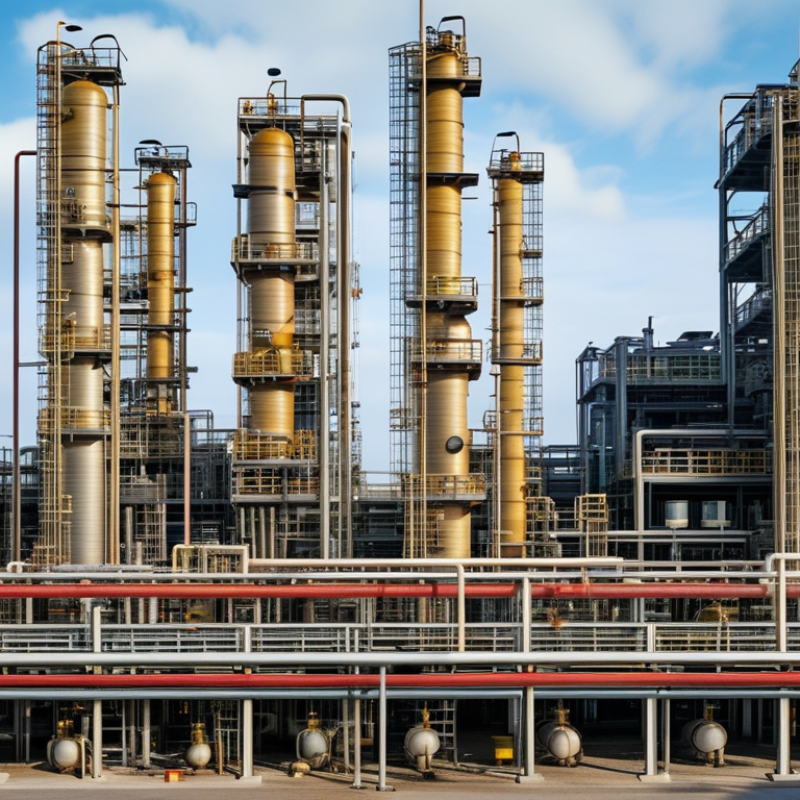
Chemical gas monitoring technologies have become crucial in various industries, such as manufacturing and healthcare. The ability to detect hazardous gases can significantly enhance workplace safety and operational efficiency. Reports indicate that over 30% of workplace accidents involve gas leaks, highlighting the need for robust monitoring systems.
Several technologies are leading the way in gas detection. One is the electrochemical sensor, effective for toxic gas detection, often used in confined spaces. Another promising technology is infrared sensors, which are popular due to their ability to detect gases without direct contact. According to industry data, these sensors can achieve a reliability rate of up to 95%. However, they may require regular calibration to maintain accuracy, which is sometimes overlooked.
Tips: Regular maintenance of gas monitoring systems is key. Ensure that sensors are calibrated according to the manufacturer’s guidelines. Also, consider investing in multi-gas detectors to monitor various risks at once. It’s essential to train staff on interpreting readings and responding appropriately. Continuous learning from previous incidents can lead to improvements in safety protocols.
Effective gas monitoring solutions are essential for safety in various environments. The ability to detect hazardous gases promptly can save lives. Key features of these solutions include real-time monitoring and reliable alerts. Devices should offer immediate feedback on gas levels, making them accessible to all staff. A robust design is crucial, as it ensures longevity in harsh conditions.
Calibration and maintenance play significant roles in effectiveness. Regular checks can prevent false readings. Some gas monitors come with user-friendly interfaces that simplify operation. A reliable gas monitoring system should also have multiple sensor capabilities. This allows it to detect different types of gases simultaneously.
Integration with existing safety systems enhances overall workplace safety. Data logging features provide insights over time, aiding in risk assessment. However, even advanced systems may have limitations. For example, some sensors might miss low concentrations of gases. Users should be aware of these shortcomings and plan accordingly. Addressing these issues ensures a safer working environment for everyone.
In the realm of chemical gas detection, industry leaders focus on developing advanced monitoring solutions. Recent studies indicate that the global gas detection equipment market is projected to reach approximately $4.4 billion by 2025. This growth, driven by increasing safety regulations and the rising need for safety in industrial environments, highlights the importance of effective monitoring systems.
Top manufacturers emphasize the development of technologies that enhance accuracy and efficiency. Some solutions incorporate advanced sensors capable of detecting multiple gases simultaneously. This capability allows for quicker responses to potential hazards. According to a report from a leading industry research group, the market for portable gas detectors is expanding, with a CAGR of around 7.6% expected over the next few years. This indicates a growing preference for on-the-go monitoring solutions.
However, challenges persist. The reliance on technology can sometimes overshadow the need for regular calibration and maintenance. Many organizations overlook these critical aspects. Inadequate training may also lead to misinterpretation of readings. Continuous improvement in user education is essential to maximize the reliability of gas detection systems. As the industry progresses, the spotlight will remain on enhancing both safety and operational efficiency.
Gas monitoring technologies play a crucial role in enhancing safety and efficiency across various industries. According to a report by MarketsandMarkets, the global gas detection market is projected to reach $4.98 billion by 2024. This growth reflects the increasing need for robust safety measures in sectors like manufacturing, oil and gas, and healthcare.
In manufacturing, for example, gas monitoring detects leaks and ensures compliance with safety regulations. It helps prevent accidents and creates a safer work environment. In the oil and gas industry, continuous monitoring of flammable gases is vital. A National Institute for Occupational Safety and Health report shows that gas exposure accounts for a significant number of workplace incidents. Effective monitoring systems can reduce these risks.
Tip: Regular training on the use of gas monitors is essential. Most accidents occur due to improper usage or lack of awareness.
Healthcare facilities also use gas monitoring to manage anesthetic gases, ensuring air quality and patient safety. A report from the American Society of Anesthesiologists indicates that exposure to excess anesthetic gases can lead to adverse health effects. Monitoring systems help mitigate these risks, yet many facilities still lack proper equipment.
Tip: Conduct periodic audits of monitoring systems to ensure functionality. This practice can catch potential issues before they become serious threats.
Despite advancements, complacency remains a challenge. Many industries struggle with outdated equipment or irregular maintenance. Institutions must emphasize continual upgrades and employee training to maintain high safety standards.
Regulatory standards play a crucial role in shaping chemical gas monitoring practices. These regulations ensure the safety of workers and the environment. Agencies set guidelines to limit exposure to harmful chemicals. Organizations must stay compliant to avoid fines and legal repercussions. Regular audits can help identify gaps in compliance.
Implementing effective monitoring solutions is essential. Many facilities use gas detection systems that meet regulatory standards. These systems provide real-time data, allowing for quick reactions to hazardous situations. Consistent calibration and maintenance of these systems enhance reliability. Training employees on these systems' use is equally important. Workers must understand how to respond to alerts properly.
Tips: Always keep an eye on regulatory changes. Regularly review your safety protocols. Ensure all staff members are trained in emergency procedures. Continuous improvement in monitoring practices can prevent accidents and promote a safer workplace.
| Monitoring Technology | Detection Range (ppm) | Response Time (seconds) | Calibration Frequency | Applicable Standards |
|---|---|---|---|---|
| Electrochemical Sensors | 0-1000 | 10 | 6 months | API, OSHA |
| Infrared Sensors | 0-5000 | 15 | 12 months | EPA, NFPA |
| PID (Photoionization Detector) | 0.1-10000 | 5 | Monthly | OSHA, NIOSH |
| Laser Spectroscopy | 0-1000 | 1 | 12 months | ISO, ANSI |
| Metal-Oxide Sensors | 1-1000 | 20 | 6 months | ATEX, CE |
: It is crucial for ensuring safety in various environments and can save lives by detecting hazardous gases quickly.
Real-time monitoring, reliable alerts, and robust design are essential features. These enhance safety and ensure device longevity.
Regular calibration is vital to avoid false readings. Neglecting this can lead to dangerous situations.
A simple interface makes operation easier for staff. This ensures that everyone can access gas level information.
Some sensors may not detect low concentrations of gases. Users need to understand these limitations for safety.
It provides insights over time, which helps in assessing risk and improving safety measures in the workplace.
The market is projected to grow to $4.4 billion by 2025, driven by regulatory needs and safety demands.
Over-reliance on technology can lead to oversight in maintenance. Proper training is critical to interpret readings correctly.
Continuous user education and regular maintenance practices should be prioritized to ensure operational efficiency.
Their popularity is increasing, with more organizations opting for on-the-go monitoring solutions for added safety.
Chemical Gas Monitoring plays a vital role in ensuring safety and efficiency across various industries. This technology incorporates advanced sensors and analytical methods to detect hazardous gases, providing real-time data that helps in preventing accidents and ensuring compliance with safety regulations. Key features of effective gas monitoring solutions include sensitivity, response time, and ease of integration into existing safety systems.
Furthermore, top manufacturers in this field focus on innovative designs and technologies to enhance reliability and functionality. Applications of chemical gas monitoring span multiple sectors, such as manufacturing, oil and gas, and healthcare, where the accurate detection of gas concentrations can mitigate risks and enhance operational efficiency. Lastly, adherence to regulatory standards is crucial, as these guidelines shape the best practices for chemical gas monitoring, ensuring the safety of personnel and the environment.
