
Airppb Airppb

How to Choose a Dynamic Gas Dilution System

Time:2026-11-07 Author:Charlotte
0%

Choosing a Dynamic Gas Dilution System is not just a matter of selecting a flow range. The right system must deliver stable, repeatable concentrations under the conditions your application actually uses. A mismatch can show up quickly: readings may drift, response times may stretch, or a calibration point may become difficult to reproduce. Small details matter.

John D. Wright, a gas-flow metrologist at the National Institute of Standards and Technology, is a relevant expert in measurement and flow calibration. However, no verified quotation from Wright about dynamic gas dilution was provided, so attributing a direct quote to him would risk misrepresenting his words. A useful design principle for this guide is: “Treat the stated dilution ratio as a result to verify, not a setting to trust.” This is an editorial summary, not a quotation from Wright.

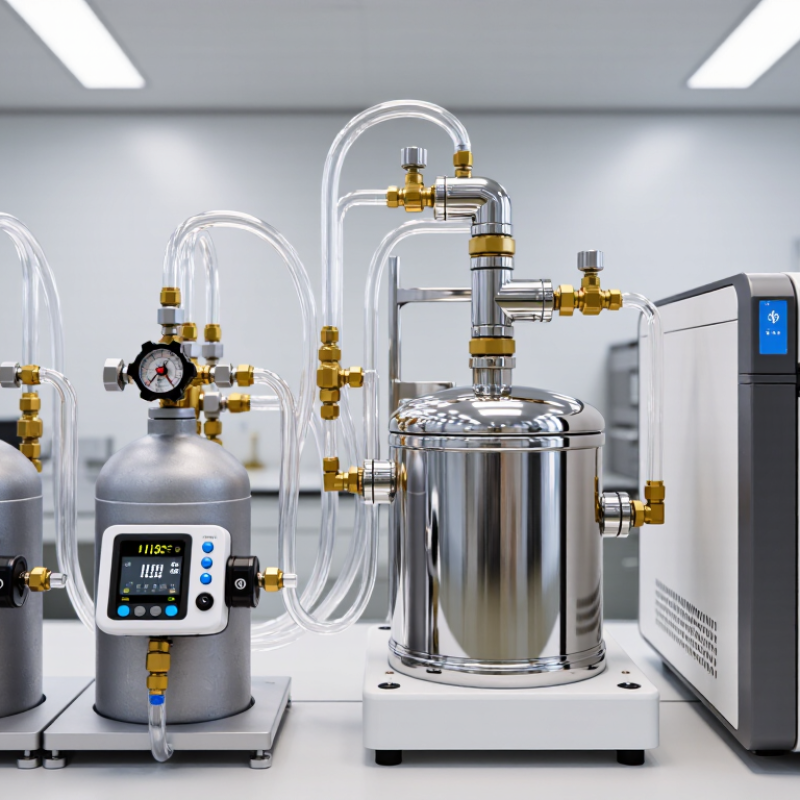
This guide examines the practical choices behind a reliable system: required concentration range, gas compatibility, flow controllers, mixing performance, and calibration traceability. Consider a real operating scene. A cylinder feeds a controller, another stream joins it, and the mixed gas travels through tubing toward an analyzer. Every connection and flow setting can affect the result. Check how the system behaves at both low and high flow, not only at its nominal point. Ask what maintenance looks like, too. A technically impressive unit may still be awkward to use. There is no perfect setup. The best choice is the one whose limits are understood, documented, and tested against your measurement needs.
How to Choose a Dynamic Gas Dilution System

Define the Application and Required Gas Concentration Range

Start with the job the gas mixture must perform. Is the system supplying a sensor test, supporting a process study, or creating a repeatable reference atmosphere? Each application sets different demands on concentration accuracy, stability, and response time. A sensor check may need several low-level steps, while a chamber study may require one steady mixture for hours.

Record the target concentration range, including the lowest and highest values, and note the units. Also identify the carrier gas, any background gases, and expected humidity or temperature. For example, a mixture that reads correctly when dry may behave differently in a humid test chamber. That matters. Estimate the required total flow and how quickly concentrations must change. These details help determine whether the system can cover the full range without frequent cylinder changes or long stabilization periods.

Allow room for uncertainty in the measurements. A stated target range is not enough if the required tolerance is unclear; define how close the delivered concentration must be. Check whether the system’s flow control and measurement methods suit both the low and high ends. A quick bench trial can expose slow response or unstable readings. It may also reveal that an early assumption about flow was wrong, so leave time to revise the specification.

Determine Flow Rates and Dilution Accuracy Requirements

Choose a dynamic gas dilution system by mapping the required concentration range to actual flow rates. Record the source-gas concentration, target concentrations, and carrier-gas flow before comparing instruments. For each target, calculate the dilution ratio and confirm that both gas streams remain within the system’s stable operating range. A very low source flow may cause unstable readings. A maximum flow near the instrument limit can also reduce control.

Think about accuracy as a complete measurement budget, not a single specification. Include flow-controller uncertainty, source-gas uncertainty, pressure changes, and temperature effects. For example, a small error in two flow readings can combine into a noticeable concentration error after dilution. Check whether stated accuracy applies across the full flow range or only at one test point. Details matter. Allow a safety margin rather than choosing a system that barely meets the target. Then test it using representative gases and flow settings, and compare readings with a suitable reference. Tubing length and internal volume can affect how quickly concentrations stabilize. A spreadsheet may appear exact, yet assumptions about gas properties or pressure can be imperfect. Note those assumptions, and verify them during setup.

How to Choose a Dynamic Gas Dilution System

Determine the required flow range and dilution accuracy before selecting flow controllers.

Example calculation: diluting a 1,000 ppm source gas with analyte-free gas to a total flow of 1,000 sccm requires source-gas flows of 1, 5, 10, 20, and 100 sccm for targets of 1, 5, 10, 20, and 100 ppm, respectively. Choose controllers whose calibrated operating ranges cover these setpoints; low-flow setpoints make controller accuracy and calibration especially important. Actual concentration also depends on source-gas concentration and flow conditions.

Compare Gas Sources, Flow Controllers, and Mixing Methods

How to Choose a Dynamic Gas Dilution System

Compare Gas Sources, Flow Controllers, and Mixing Methods

Start with the source gas. Certified premixed cylinders simplify traceability, while separate high-purity gases allow wider concentration changes. Check each certificate for stated composition and uncertainty. Also consider cylinder pressure, moisture limits, and whether the gas reacts with wetted surfaces. Small details matter.

Choose flow controllers for the actual operating range, not just maximum flow. A controller running near the bottom of its range may contribute more relative uncertainty. ISO 6145-7:2018 describes dynamic gas-mixture preparation using thermal mass-flow controllers. Compare controller calibration ranges and uncertainty at your intended setpoints. NIST Technical Note 1297 uses a coverage factor of k=2 for expanded uncertainty corresponding to approximately 95% coverage. Keep that convention in mind when comparing specifications.

Mixing depends on flow, geometry, and the time available before sampling. A compact static mixer can help combine streams in a short line; a chamber provides more residence time but may increase response delay. Verify uniformity at the sampling point, especially after changing flow or concentration. Not always. I would also recheck after maintenance: dead volumes and small leaks can make a carefully calculated blend disagree with the analyzer. That inconvenient check is easy to skip.

Check Gas Compatibility, Calibration, and Safety Features

Choosing a dynamic gas dilution system starts with the gases you plan to use. Check that wetted materials, seals, and flow paths suit each gas, especially if it is corrosive, reactive, or moisture-sensitive. A mismatch can cause leaks, contamination, or unstable readings. Compare the system’s flow and pressure ranges with your actual operating conditions, not just its maximum specifications. Small details matter.

Calibration deserves equal attention. Ask how the flow controllers are calibrated, what reference standards are used, and how often recalibration is recommended. Look for documented uncertainty and a practical way to verify performance, such as checking the outlet mixture with an independent analyzer. Do not assume. A new instrument may still need site-specific validation.

Tips: Confirm purge procedures, leak-check connections, and verify alarm and shutoff functions before routine use. Make sure exhaust routing fits your workspace. If gases or operating conditions change, review compatibility and calibration again; that step is easy to overlook. Safety features should be accessible and tested, not merely listed in a specification sheet.

How to Choose a Dynamic Gas Dilution System - Check Gas Compatibility, Calibration, and Safety Features
Selection Dimension What to Check Practical Evaluation Why It Matters
Gas compatibility Confirm that wetted materials, seals, regulators, valves, and flow controllers are suitable for every gas and mixture in use. Provide the supplier with the gas identities, concentrations, pressure, humidity, and operating conditions. Check compatibility for reactive, corrosive, toxic, or flammable gases. Unsuitable materials can corrode, leak, contaminate the gas, or affect measurement performance.
Flow range and turndown Check the minimum and maximum flow rates for each flow controller and the required total outlet flow. Compare the expected operating flows with the controller’s specified range. Confirm that the system can maintain the needed flow at the intended pressure. Operating near or outside a controller’s usable range can reduce control quality and limit achievable dilution ratios.
Dilution range Verify the achievable concentration range for the source gas, carrier gas, and selected flow rates. For compatible gases on the same flow basis, estimate the outlet concentration as: source concentration × source-gas flow ÷ total flow. This helps confirm that the system can reach the required concentrations without exceeding flow-controller limits.
Flow accuracy and repeatability Review how flow accuracy is specified, including whether it is expressed as a percentage of reading or full scale, and check repeatability specifications. Compare specifications at the actual operating points, not only at maximum flow. Ask for applicable uncertainty or performance data. Flow-control performance affects the accuracy and reproducibility of the generated gas mixture.
Calibration and traceability Check calibration procedures, calibration intervals, calibration gases or standards, and documentation provided for the flow controllers. Confirm that calibration records identify the device, calibration date, reference standard, and results. Establish a schedule based on use and required measurement quality. Documented calibration supports reliable measurements and helps detect changes in instrument performance.
Pressure and back-pressure Check inlet pressure requirements, outlet pressure limits, pressure regulation, and sensitivity to downstream back-pressure. Compare the system requirements with the available gas supply and the pressure conditions at the point of use. Pressure variation can affect flow control, especially when operating conditions differ from the specified range.
Mixing and outlet configuration Review the mixing chamber or manifold design, outlet connections, and provisions for flushing or purging. Confirm that the outlet arrangement suits the application and that residual gas can be cleared when changing mixtures, where required. Appropriate mixing and purging help reduce concentration gradients and carryover between gas settings.
Leak prevention and detection Check fittings, seals, leak-test procedures, and whether the installation requires external gas detection or ventilation. Assess the hazards of the gases and follow applicable facility procedures for leak testing, monitoring, and ventilation. Leaks may create exposure, fire, or oxygen-displacement hazards depending on the gas.
Safety controls Look for suitable alarms, emergency shutoff provisions, cylinder restraints, and safeguards appropriate to the gas hazards. Review the system risk assessment and confirm that shutdown and alarm arrangements match site safety requirements. Safety features should be selected for the specific gases, installation, and operating environment.
Data logging and control Check whether flow settings, alarms, and operating status can be recorded or communicated to other equipment. Confirm required interfaces, data formats, user access, and whether records are needed for process or quality documentation. Recorded settings can improve traceability and help investigate deviations or repeat test conditions.
Maintenance and service Review access to filters, seals, flow controllers, and other serviceable components, plus recommended maintenance procedures. Ask for a maintenance schedule, service requirements, and instructions for replacing components without compromising gas compatibility. Planned maintenance helps sustain performance and reduces unplanned downtime.

Evaluate Operating Conditions, Maintenance, and Total Cost

How to Choose a Dynamic Gas Dilution System

Start with the conditions it will actually face. List the target flow range, inlet pressure, gas composition, and expected temperature. A system tested only near room conditions may behave differently on a busy production line. Check how quickly it must change concentration, and how stable the output needs to remain during each step. Small details matter. Long tubing, for example, can slow response and leave residual gas between settings.

Maintenance affects measurement quality and operating time. Ask how often flow sensors, valves, and seals need inspection or calibration. Dust, moisture, and corrosive gases can change service needs, so match materials to the sample environment. Look for clear fault alerts and accessible components; a simple replacement should not require dismantling half the unit. Keep a record of calibration results and unscheduled repairs. Real maintenance intervals may differ from the manual.

Compare total cost, not just the purchase price. Include calibration labor, replacement parts, carrier gas, installation, and the cost of downtime. A low-cost unit can become expensive if it needs frequent attention. Estimate annual use from your real operating schedule, not an ideal one. Then ask for a trial using representative flows and gases. I would still leave room for uncertainty: future process changes can make today’s perfect range feel too narrow.

FAQS

What should I define before choosing a dilution system?

Define the application, target concentration range, units, carrier gas, and background gases. Note expected humidity and temperature. A dry test may not match a humid chamber.

How do I decide which flow rates are suitable?

Record the source concentration, target concentrations, and carrier-gas flow. Calculate each dilution ratio. Keep both gas streams within their stable operating ranges.

What accuracy details should I check?

Consider flow-controller uncertainty, source-gas uncertainty, pressure changes, and temperature effects together. Check whether accuracy applies across your full flow range. Allow a safety margin.

Should I use premixed gas or separate gas sources?

Certified premixed cylinders can simplify traceability. Separate high-purity gases allow wider concentration changes. Check composition, uncertainty, moisture limits, and material compatibility.

How should I select flow controllers?

Match their calibration ranges to your intended setpoints, not just maximum flow. Operation near the bottom of a range may increase relative uncertainty. Small details matter.

How do mixing methods affect response time?

A compact static mixer may combine streams quickly. A chamber adds residence time but can delay changes. Verify mixture uniformity at the sampling point.

How can I confirm the system performs as expected?

Test representative gases and flow settings. Compare results with a suitable reference. Track stabilization time; long tubing can slow changes.

What should I recheck after maintenance?

Check for dead volumes, small leaks, and changed tubing connections. Recheck the mixture after flow adjustments. Not always. A spreadsheet can look exact while its assumptions remain uncertain.

Conclusion

Choosing a Dynamic Gas Dilution System begins with a clear understanding of the application and the gas concentration range required. Consider the target concentrations, expected flow rates, and the accuracy and repeatability needed for your process. These requirements help determine whether the system’s flow capacity and dilution performance are suitable.

Next, compare available gas sources, flow controllers, and mixing methods, and confirm that all wetted materials are compatible with the gases in use. Review calibration procedures, monitoring and safety features, and operating conditions such as temperature and pressure. Finally, assess maintenance needs, ease of operation, and the total cost over the system’s expected service life. Taking these factors together helps you select a reliable system that meets technical requirements while remaining practical to maintain and operate.

Charlotte

Charlotte

Charlotte is a seasoned marketing professional with a deep understanding of the company's portfolio and a passion for elevating its presence in the market. With a keen eye for detail and a commitment to excellence, she ensures that our professional blog is regularly updated with insightful articles......