Choosing the right Gas Distribution Instrument is crucial for efficiency and safety. In the gas industry, accurate measurement and distribution are paramount. According to a recent report by the International Gas Union, improper distribution can lead to substantial economic losses, estimated at over $1 billion annually. Selecting the right instrument can enhance operational performance and mitigate risks.
Numerous options exist, each with distinct features. For example, ultrasonic flow meters and diaphragm meters serve different needs. However, with advancements in technology, the array of choices can be overwhelming. The Global Gas Meter Market report highlights a projected growth of 6% annually through 2025. Yet, this rapid evolution necessitates careful consideration of specific requirements. Reflecting on operational needs is critical here.
Not all instruments are created equal. Some may offer advanced features but lack reliability. While aiming for precision, it is vital to assess long-term performance. Balancing cost and quality can be challenging. Therefore, a thorough evaluation grounded in both expertise and practical experience is key.
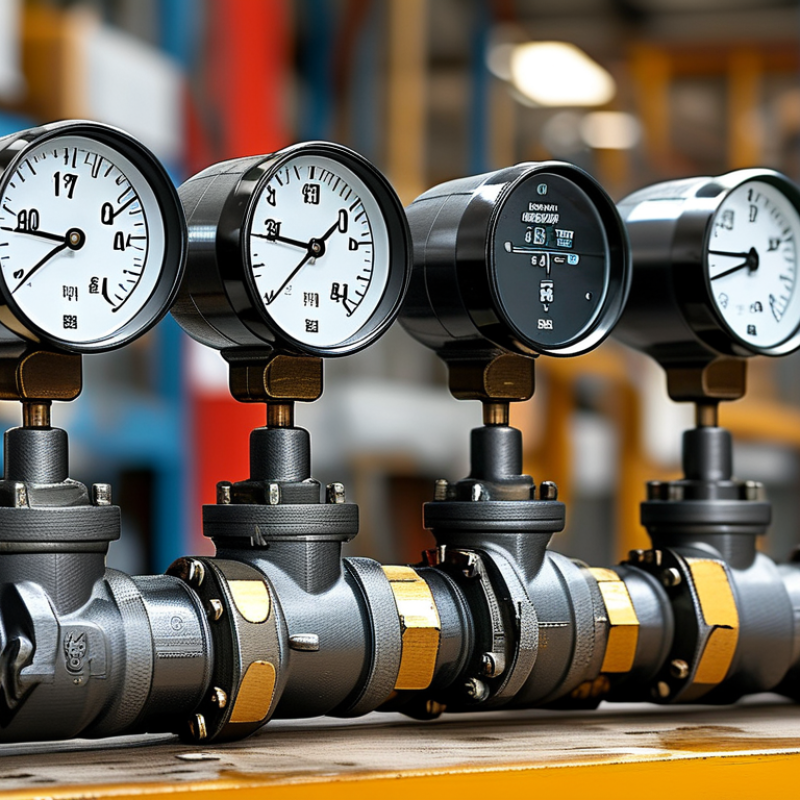
Understanding Gas Distribution Instrument Types and Their Functions
When selecting a gas distribution instrument, understanding the various types and their functions is crucial. Different instruments focus on unique aspects of gas distribution, including pressure regulation, flow measurement, and leak detection. For instance, a pressure regulator controls gas pressure to ensure safety and efficiency. Knowing how each instrument operates helps you make informed decisions.
Flow meters are essential for monitoring gas usage. They provide real-time data, allowing for better resource management. Leak detection systems are vital in maintaining safety standards. The right choice will depend on your specific application requirements. Investigate instruments that meet industry standards and best practices.
While it may seem straightforward, the selection process can be complex. Cost, maintenance needs, and compatibility with existing systems are all factors to consider. Don't overlook user reviews and industry feedback. These insights can reveal potential pitfalls or advantages not evident from specifications alone. Your choice should reflect both current needs and future scalability.
Key Factors to Consider When Selecting Gas Distribution Instruments
When selecting the best gas distribution instrument for your needs, consider several key factors.
The accuracy of measurement is paramount. Instruments with a high accuracy rating can significantly reduce waste.
According to industry reports, devices showing over 95% accuracy improve gas monitoring for both safety and efficiency.
Durability is another essential factor. Instruments need to withstand harsh environments. Look for materials that resist corrosion and physical damage. An estimated 30% of instruments fail in extreme conditions, leading to costly replacements. Investing in durable equipment reduces long-term expenses.
Tip: Assess the instrument's range. It should cover all expected gas types in your operations.
Furthermore, ease of use is critical. Complicated interfaces can lead to errors. Find instruments with user-friendly designs and clear displays. Training staff on complex systems is time-consuming.
Tip: Check for customer support options. Reliable organizations provide training and maintenance services.
Finally, consider compatibility with existing systems. Instruments that integrate seamlessly save time and effort during installation. Avoiding instruments that require extensive modifications ensures smoother operation.
Tip: Review all specifications thoroughly before making a purchase. Proper research can prevent future headaches.
Evaluating Accuracy and Calibration Standards in Gas Measurement
When selecting a gas distribution instrument, focus on accuracy and calibration standards in gas measurement. Accurate readings are essential for safety and efficiency. Poor accuracy can lead to serious consequences, like gas leaks or incorrect usage. Therefore, understanding how calibration affects instrument accuracy is crucial for your decision.
Calibration ensures that the instrument measures correctly over time. This process should follow industry standards specific to your application. Regular calibration checks are necessary. They help maintain accuracy and reliability. Instruments must be tested under conditions similar to their regular operating environment. This ensures genuine results that reflect real-world usage.
**Tips:** Always ask for the calibration history of the instrument. Check if it meets relevant standards in your industry. Calibration intervals vary; understand the specifics for your equipment. Consider investing in training for staff to ensure they know how to use and maintain the instruments properly. Remember, a poorly calibrated instrument could cost more in the long run.
How to Choose the Best Gas Distribution Instrument for Your Needs? - Evaluating Accuracy and Calibration Standards in Gas Measurement
| Instrument Type |
Accuracy (%) |
Calibration Standards |
Measurement Range (ppm) |
Typical Application |
| Infrared Gas Analyzer |
±1% |
ISO 17025 |
0-5000 ppm |
Environmental Monitoring |
| Electrochemical Sensor |
±2% |
ASTM D5072 |
0-1000 ppm |
Industrial Safety |
| Thermal Conductivity Detector |
±0.5% |
ISO 9001 |
0-2000 ppm |
Gas Composition Analysis |
| Photoionization Detector (PID) |
±5% |
EN 50379 |
0.1-2000 ppm |
Hazardous Gas Detection |
| Mass Spectrometer |
±0.1% |
ISO 6140 |
0.01-1000 ppm |
Research Applications |
Comparative Analysis of Leading Gas Distribution Instrument Brands
When selecting a gas distribution instrument, the comparative analysis of various brands is crucial. Different instruments serve unique purposes. A recent industry report revealed that brands vary significantly in durability, accuracy, and user-friendliness. Understanding these differences is essential for making an informed choice.
Tip: Always consider the specific needs of your application. Look at the evaluation reports that highlight performance metrics. Some instruments may excel in one area but fall short in another. For example, certain models may provide high accuracy but have lower durability under extreme conditions.
Consumers often overlook features like calibration sensitivity and data logging. Brand comparisons indicate that some leading instruments offer advanced data logging capabilities. This can enhance operational efficiency. However, other brands might lag in this critical area, making it important to weigh these factors based on your needs.
Tip: Don't rush your decision. Analyze user reviews and expert feedback. They can reveal common pitfalls. This insight ensures you avoid instruments that may not meet your expectations. Selecting the right gas distribution instrument requires careful consideration of both performance and reliability.
Comparison of Gas Distribution Instrument Features
Cost Considerations and Lifetime Value of Gas Distribution Solutions
When selecting a gas distribution instrument, cost plays a crucial role in decision-making. It's essential to evaluate both the initial purchase price and long-term maintenance costs. Often, cheaper options can lead to higher expenses over time due to frequent repairs or replacements. Investing in a reliable instrument may seem costly upfront but can save money in the long run.
Lifetime value is another key factor. A durable instrument can perform efficiently for years, reducing the need for replacements. Consider the warranty offered and the service support available. This can impact long-term satisfaction. Users sometimes overlook these aspects, focusing only on price. However, a comprehensive approach ensures better overall investment.
Additionally, assessing user experiences can be valuable. Some instruments may receive excellent initial reviews but fail under sustained use. Gathering insights from various sources helps paint a clearer picture. This diligence can prevent future frustrations and unexpected costs. Always balance your immediate budget with potential lifetime savings.
Conclusion
When choosing the best gas distribution instrument for your specific needs, it is essential to understand the various types and functions available in the market. A thorough evaluation of key factors such as accuracy, calibration standards, and operational capabilities plays a critical role in making an informed decision. Additionally, comparative analysis of leading brands can provide valuable insights into performance and reliability.
Another important aspect to consider is the cost versus the lifetime value of the gas distribution solutions. While initial investment costs are significant, examining the long-term benefits and durability of the gas distribution instrument will ultimately determine the most cost-effective option for your applications. Careful consideration of these elements ensures that you select a gas distribution instrument that meets your requirements efficiently and effectively.
 Airppb
