
Airppb
Choosing the best Military Poison Detector is crucial for safety. These devices play a vital role in detecting dangerous substances. The right detector can save lives in critical situations.
When selecting a Military Poison Detector, consider your specific needs. Different environments may require different features. You need a detector that is reliable and easy to use in urgent scenarios. Always prioritize accuracy, as false readings can lead to dire consequences.
Moreover, the technology behind these detectors rapidly evolves. Thus, make informed choices based on recent advancements. Research various models and brands to find one that suits you best. This process might feel overwhelming, but your safety is paramount. Take time to reflect on your requirements and properly assess your options.
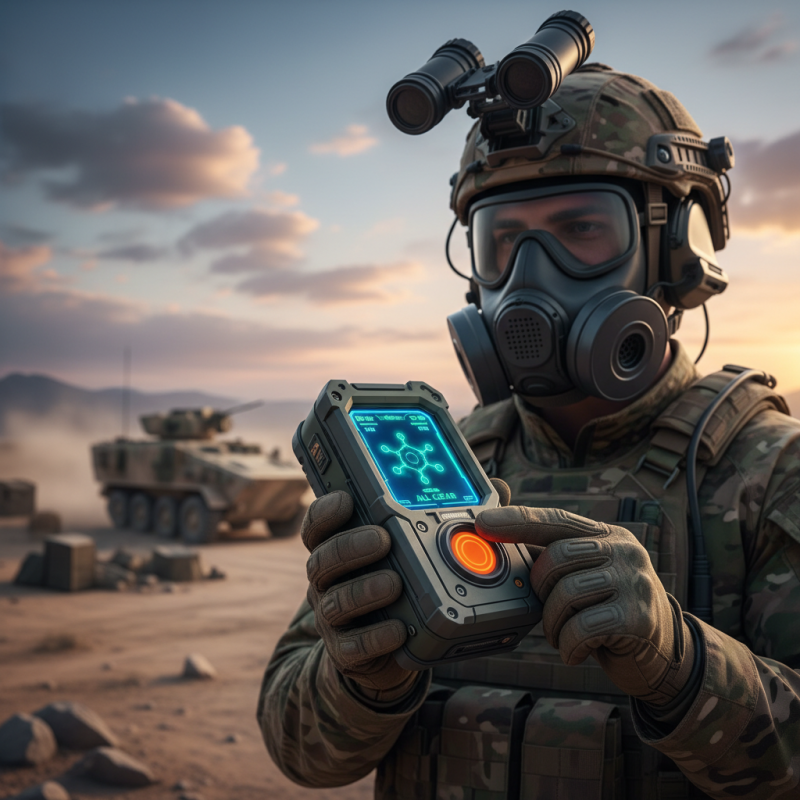
Military poison detection is crucial for ensuring the safety of personnel in hazardous environments. The presence of toxic agents can pose enormous risks. Understanding how these substances can affect both health and mission success is essential. Specialized detectors provide real-time information on potential threats. Awareness of these threats can save lives and prevent catastrophic events.
Moreover, effective poison detection enhances operational readiness. Military forces must adapt to evolving challenges. Investing in reliable detection technology is an act of foresight. It minimizes the unknowns in combat zones. During training exercises, scenarios can arise where simulations do not accurately reflect actual dangers. This gap can create a false sense of security among troops.
Choosing the right detector involves a detailed evaluation of needs. Considerations include the type of environment and specific threats. Not all detectors are equal. Some perform well in urban settings, while others excel in remote areas. Personal experiences and expert insights can guide these choices. A detector that fits one unit’s needs may not suit another. Balancing between high-tech and user-friendly devices is also vital. Each mission is unique, and flexibility in choices can lead to better outcomes.
When selecting a military poison detector, understanding the types available is crucial. There are primarily three categories: chemical, biological, and radiological detectors. Each type serves a specific purpose and is designed to identify certain threats.
Chemical detectors focus on identifying toxic compounds. They often utilize sensors that react to specific chemicals in the environment. These sensors provide real-time readings, which can be vital during missions. Biological detectors, on the other hand, are tailored to detect biological threats. They analyze air samples for pathogens, offering protection against unseen dangers. Radiological detectors monitor for harmful radiation in various forms. They are critical in areas suspected of contamination.
Having a grasp of these types aids in making an informed decision. The choice may depend on operational needs, budget constraints, and the specific environment. Some detectors can be complex and require extensive training. Users may find themselves overwhelmed by specifications, which can create doubts. Those involved should familiarize themselves with how these devices function and their limitations. Understanding the types and their functions can significantly impact mission success and safety.
| Detector Type | Detection Capability | Response Time | Portability | Price Range |
|---|---|---|---|---|
| Chemical Detector | Nerve agents, blister agents | Immediate | Medium | $2000 - $5000 |
| Biological Detector | Bacterial, viral agents | 1 - 2 hours | Heavy | $5000 - $10000 |
| Radiological Detector | Radioactive materials | Seconds | Portable | $1500 - $3000 |
| Multi-Detector | Multiple agents | Varies | Medium to Heavy | $7000 - $15000 |
When selecting a military poison detector, consider its sensitivity. A highly sensitive device can identify trace amounts of toxic agents. Look for models that can detect a wide range of substances. This feature ensures versatility in various environments. A user-friendly interface enhances efficiency during critical situations. Detectors should clearly display results in real-time. This helps users make quick decisions.
Battery life is another crucial aspect. A durable detector may lose effectiveness if the battery dies quickly. Ensure it has a reliable power source for prolonged operations. Ease of maintenance is often overlooked. Some detectors can require regular calibration. This can be a hassle in the field. Choose one that requires minimal upkeep, yet maintains accuracy.
While advanced technology can be appealing, consider your actual needs. Fancy features might not always align with practical use. Sometimes, simpler models perform just as well in real-life scenarios. Reflect on your specific requirements. What environments will you work in? Adjustments might be necessary based on that context. Adaptability is key to effective detection.
When selecting a military poison detector, sensitivity and specificity are crucial. Sensitivity measures how well the detector identifies true positives. A high sensitivity means fewer false negatives. Specificity assesses the ability to correctly identify true negatives. A reliable detector should have a balance of both.
Tips for evaluating detectors include checking for performance metrics. Look for sensitivity percentages typically over 95%. This ensures that the detector captures most threats. Additionally, review the specificity rates. A specific detector can reduce false alarms, minimizing disruptions during operations.
Consider the type of poisons you might encounter. Different detectors excel with various agents. Some units may be good at identifying nerve agents but poor for chemical warfare agents. Understanding these limitations is essential. Regular testing of the equipment can reveal inconsistencies in performance. Stay informed about the latest advancements in detection technology, as methods are continually evolving.
When budgeting for military poison detection needs, understanding the features you require is crucial. The cost can vary significantly based on technology and capabilities. Basic detectors may be more affordable but lack advanced features. In contrast, sophisticated models offer detailed analysis but come at a higher price.
Tips: Always compare multiple options. Research user reviews to gauge reliability and functionality. Consider long-term investment rather than just upfront costs. A cheaper model may need frequent replacements, adding to overall expenses.
Determining your specific needs is vital. Will it be for personal safety or broader military purposes? This distinction can influence your decision. Additionally, accounting for accessories and maintenance is essential. Hidden costs can quickly escalate.
Engaging with experienced users can provide valuable insights into the best practices for use and upkeep. Remember, reflection on your choices helps in refining your selections.
: It ensures personnel safety in hazardous environments and prevents catastrophic events.
It helps military forces adapt to evolving challenges and minimizes unknowns in combat zones.
Consider the environment, specific threats, and personal experiences for better choices.
No, some perform better in urban areas, while others excel in remote terrains.
It influences the choice between basic models and advanced versions with detailed analysis features.
Accessories and maintenance can add significant expenses, so factor those into your budget.
Reviews gauge reliability and functionality, assisting in identifying the best options.
Reflection helps refine selections and ensures the chosen detectors meet actual needs.
Simulations may not accurately reflect real dangers, creating false security among troops.
Weigh upfront costs against potential need for frequent replacements with cheaper models.
Choosing the best Military Poison Detector requires a thorough understanding of its significance in ensuring safety and security. Military poison detection plays a crucial role in identifying harmful substances that may threaten personnel during operations. Various types of detectors are available on the market, each designed for specific scenarios.
When selecting a Military Poison Detector, it is essential to consider key features such as portability, ease of use, and the technology employed. Evaluating the sensitivity and specificity of the equipment is vital to ensuring accurate detection results. Additionally, budgeting for these detectors is important, as costs can vary widely based on features and capabilities. By carefully considering these factors, military personnel can select the most effective poison detection solution tailored to their needs.
