
Airppb Airppb

Top Tips for Choosing the Best Multi Gas Detector for Your Needs?

Time:2026-09-03 Author:Sienna
0%

Choosing the right Multi Gas Detector is essential for safety in various environments. These devices monitor harmful gases, ensuring the well-being of workers. However, selecting the best one can be confusing, with numerous options available on the market.

Several factors influence your choice. First, consider the types of gases you need to detect. Different detectors target specific gas combinations. Next, think about the detector's features. Some models offer alerts and data logging capabilities. These features enhance reliability and efficiency in monitoring.

Reflecting on past experiences can guide your decision. Users often wish they had prioritized certain functionalities, such as portability or battery life. Real-world examples show that a well-chosen Multi Gas Detector can prevent serious incidents and save lives. Investing time in research pays off in the long run.
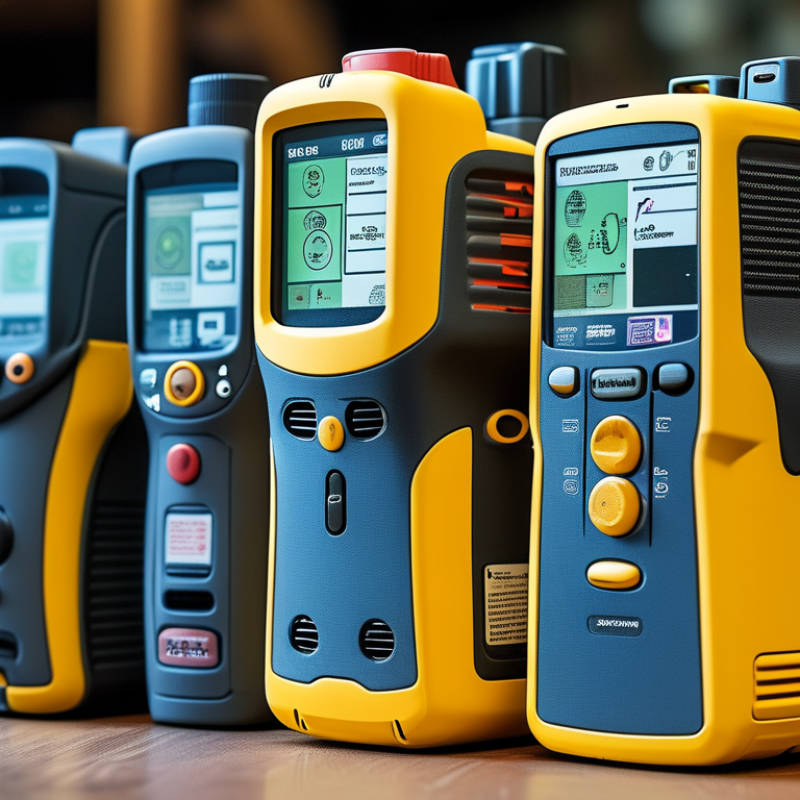
Top Tips for Choosing the Best Multi Gas Detector for Your Needs?

Understanding the Importance of Multi Gas Detectors in Safety

Multi gas detectors play a crucial role in ensuring workplace safety. In industries like manufacturing and construction, exposure to hazardous gases can lead to severe health risks. According to the National Institute for Occupational Safety and Health (NIOSH), nearly 10% of workplace fatalities result from hazardous gas exposure. This statistic underscores the importance of investing in reliable multi gas detectors to protect workers.

When choosing a gas detector, understanding the specific gases present in your environment is essential. Common hazardous gases include carbon monoxide, methane, and hydrogen sulfide. Each gas requires different detection technologies. For instance, infrared sensors work well for certain gases, while electrochemical sensors are effective for others. Regular calibration and maintenance of these detectors are crucial for their optimal performance.

Consider how portability might affect your choice. Portable detectors allow for daily use in various locations. Features like data logging can also help track exposure levels over time. It’s crucial to analyze the detector's user interface. Simple interfaces allow for quick adjustments and readings, which can be vital in emergencies. Investing in training for your team on proper usage is often overlooked but can significantly enhance safety protocols.

Key Features to Consider When Selecting a Multi Gas Detector

When selecting a multi gas detector, understanding key features is crucial. The device should have a reliable sensor system that can detect various gases. Look for a model that offers real-time monitoring and fast response times. This ensures that risks are identified immediately. A display screen enhances usability, showing gas levels clearly.

Calibration features also play an essential role. Regular calibration helps maintain accuracy. It's worth noting that some detectors require more frequent calibrations than others. Battery life cannot be overlooked either. Long-lasting batteries enhance convenience, especially in remote areas. Consider weight and portability as well. A lightweight model can facilitate easier handling and movement during inspections.

User feedback is an important factor too. Look for reviews detailing real-life experiences. Some detectors may seem advanced but can be difficult to operate. It's also beneficial to check for service support and warranty options. Investing time in research will lead to better decisions. Remember, the right detector can make a significant difference in safety and efficiency.

Key Features to Consider When Selecting a Multi Gas Detector

This chart illustrates the importance level of various features to consider when selecting a multi gas detector. A higher score indicates a greater emphasis on that particular feature. Sensitivity and calibrated range are among the highest priorities, given their critical role in accurate gas detection.

Different Types of Gases Detected by Multi Gas Detectors

When selecting a multi gas detector, understanding the types of gases it can detect is vital. Common gases include carbon monoxide, hydrogen sulfide, and methane. Each gas poses unique risks. For example, carbon monoxide is colorless and odorless, making it silent but deadly. In contrast, hydrogen sulfide has a characteristic foul odor. Methane is highly flammable, requiring swift detection to prevent explosions.

In various environments, different gases can be present. Industrial sites often encounter volatile organic compounds (VOCs) and toxic gases. Some detectors can monitor multiple gases simultaneously, providing comprehensive safety. However, choosing a detector that fits specific needs is challenging. Not all detectors are equally sensitive to every gas. Always consider the environment when making a choice.

Test your detectors regularly for accuracy. Devices might lose sensitivity over time, leading to false readings. Reflect on your experiences with past detectors. Understanding their strengths and limitations can steer you towards a better choice. The right multi gas detector not only safeguards lives but also enhances workplace productivity.

Evaluating the Durability and Portability of Multi Gas Detectors

When selecting a multi gas detector, durability and portability are crucial considerations. Industry data indicates that over 30% of gas detection failures result from equipment damage or inadequate portability. A rugged design ensures that the device can withstand harsh environments, while lightweight materials promote ease of transport. Assessing the IP rating can give insights into dust and water resistance. Many professionals in the field recommend detectors with a minimum IP65 rating for reliability.

Portability is not just about weight; it’s also about form factor. A compact design allows for easier handling in tight spaces. Look for models with a belt clip or a carrying case. User-friendly features enhance the experience in emergencies. Lighter models can facilitate quicker responses, a vital aspect in critical situations.

Investing in a durable and portable model may seem straightforward, yet choosing the right one requires thoughtful evaluation. Consider battery life and ease of replacement, as frequent charging can disrupt workflow. Also, be cautious of overly complex designs; simplicity can often lead to better usability. Regular feedback from users helps identify weaknesses in various models, providing valuable insights for future purchases.

Comparing Brands and Models: Which Multi Gas Detector is Right for You?

When choosing a multi gas detector, it’s vital to compare brands and models carefully. Not all detectors are created equal. Factors like sensor types, measurement range, and response time can significantly affect your safety and performance. Look for devices that meet the safety standards relevant to your industry. It’s critical to prioritize reliability.

Check user reviews and expert opinions for insights on performance. Some detectors may perform well in one type of environment but fail in another. Understand how often calibration and maintenance are necessary. This can impact long-term usability. Weight and size also matter; portable detectors should be lightweight for easy handling.

Consider the various gas types you need to monitor. A good multi gas detector can measure several gases at once. However, some may excel with specific gases. Assess your specific needs. Think about the environments where you will use the detector. Whether in confined spaces or open areas, adaptability is key. Evaluate your priorities, and choose wisely for your safety.

Top Tips for Choosing the Best Multi Gas Detector for Your Needs

Model Gas Detected Detection Range Battery Life Weight Price Range
Model A CO, H₂S, O₂ 0-1000 ppm 24 hours 0.5 kg $300 - $400
Model B CH₄, CO, O₂ 0-5000 ppm 18 hours 0.6 kg $250 - $350
Model C NH₃, H₂S, CO₂ 0-1000 ppm 20 hours 0.4 kg $150 - $250
Model D SO₂, O₃, CO 0-200 ppm 22 hours 0.55 kg $350 - $450

FAQS

: Why are multi gas detectors important for safety?

: They protect workers from hazardous gas exposure. Nearly 10% of workplace fatalities are linked to such gases.

What types of hazardous gases should I be aware of?

Common gases include carbon monoxide, methane, and hydrogen sulfide. Each requires specific detection technologies.

How do I choose the right gas detector?

Consider the types of gases present and the technology needed for detection. Calibration and maintenance are essential for performance.

Should I prioritize portability in a gas detector?

Yes, portable detectors are useful for daily use in various locations. They enhance convenience and accessibility.

What features should I look for in a gas detector?

Data logging helps track exposure over time. A simple user interface allows for quick adjustments in emergencies.

How important is the durability of a gas detector?

Very important. Over 30% of gas detection failures stem from equipment damage. Choose rugged designs for harsh environments.

What factor affects the portability of a gas detector?

The form factor matters. Compact designs make handling easier, especially in tight spaces.

Is battery life important in gas detectors?

Yes, long battery life reduces workflow disruptions. Ease of replacement is also a key consideration.

How can I enhance safety protocols with gas detectors?

Invest in training for your team on proper usage. This often gets overlooked but is vital for effectiveness.

Should I avoid complex designs in gas detectors?

Yes, simplicity often leads to better usability. Regular user feedback helps identify model weaknesses.

Conclusion

When choosing a Multi Gas Detector, understanding its importance in ensuring safety is paramount. These devices are essential for detecting hazardous gases in various environments, thereby protecting workers and enhancing safety protocols. Key features to consider include sensitivity, detection range, and user-friendliness, ensuring the equipment meets specific operational needs.

Furthermore, it is crucial to understand the different types of gases that can be detected by these devices. Evaluating the durability and portability of Multi Gas Detectors is also important, especially for those who require mobility in their work environment. Finally, by comparing various brands and models, you can find the Multi Gas Detector that best fits your requirements and provides reliable protection against gas hazards.

Sienna

Sienna

Sienna is a skilled marketing professional with a deep expertise in our company’s core products and services. With a passion for innovation and detail, she plays a pivotal role in crafting insightful blog posts that not only highlight the unique features of our offerings but also provide valuable......