
Airppb
Choosing the right Anti Terror Gas Telemeter is crucial for safety in various environments. These devices monitor harmful gases, ensuring protection against potential threats. With so many options available, selecting a reliable model can be challenging.
Factors such as sensitivity, response time, and durability play a significant role in decision-making. Users should prioritize equipment that meets industry standards. A well-chosen Anti Terror Gas Telemeter not only safeguards personnel but also enhances operational efficiency. However, mistakes can occur when focusing solely on price.
Inexperienced buyers might overlook critical features. Researching manufacturers and reading user reviews adds value. An informed choice can prevent mishaps and enhance safety protocols in challenging situations. Ultimately, thorough consideration of all variables is essential.
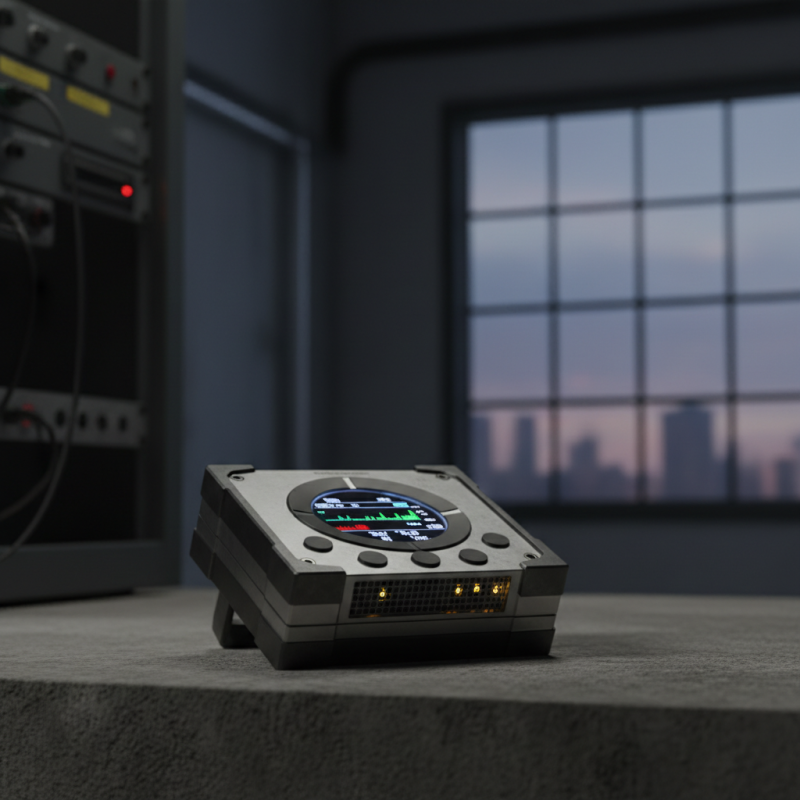
When selecting an anti-terror gas telemeter, understanding its functionality is crucial. These devices play a pivotal role in threat detection. Reports indicate that nearly 70% of security professionals consider gas detection a top priority in their safety protocols. Effective gas telemeters can identify hazardous substances in real-time, improving response times.
Advanced features matter. Look for models that offer multi-gas detection. This capability enhances operational safety. Studies suggest that multi-gas detectors have increased accuracy by approximately 25%. A telemeter should also integrate seamlessly with other safety systems. Connectivity allows for timely alerts and coordinated responses.
Testing and calibration are vital. Regular maintenance ensures reliability. Some users report uncertainties in sensor performance over time. This inconsistency can lead to dangerous situations. Investing time in routine checks is essential for maintaining operational integrity. The effectiveness of telemeters greatly hinges on proper usage and understanding their limits.
| Feature | Description | Importance | Recommended Specifications |
|---|---|---|---|
| Sensitivity | Ability to detect low concentrations of gases. | High | < 1 ppm detection limit |
| Response Time | Speed at which the device can identify a gas presence. | High | < 2 seconds |
| Calibration | Ease of calibrating the device for different gases. | Medium | Automatic calibration feature |
| Portability | Ease of carrying and using the device in different locations. | High | Lightweight and compact size |
| Battery Life | Duration for which the device can operate on a single charge. | High | > 12 hours |
| Data Logging | Ability to record and store readings for analysis. | Medium | Minimum 1000 data points storage |
| Durability | Resistance to harsh environmental conditions. | High | IP65 rated or higher |
When selecting an anti-terror gas telemeter, safety standards are crucial. Regulatory compliance ensures that the device meets essential safety benchmarks. It is vital to check if the telemeter adheres to local and international regulations. This compliance reflects a commitment to safety, efficiency, and reliability.
Understanding different safety standards can be overwhelming. Not every telemeter meets the same criteria. Research frequently cited standards like ISO 25 and ISO 9001 for reference. Analyzing their relevance to your industry is key.
Tips: Always ask for documentation on compliance. Verify the telemeter’s certifications with a reliable source. Seek expert advice when necessary. Consider metrics like calibration intervals and maintenance requirements. Regular testing can help prevent malfunctions.
Checking for third-party evaluations adds another layer of verification. These assessments highlight the device's performance, reliability, and safety. It is worth noting that some older models may not meet current standards.
Tips: Evaluate the telemeter’s upgrade options. Weigh the costs against potential safety risks. Avoid rushing the decision-making process. Prioritize informed choices. A trusted telemeter should enhance your safety protocols significantly.
Choosing an anti-terror gas telemeter involves careful evaluation of its technical specifications.
Sensor sensitivity is critical. A sensitive sensor can detect lower concentrations of harmful gases. Look for a device with a quick response time.
This ensures it alerts you before a situation escalates. Performance metrics such as accuracy and reliability are equally important.
A device that consistently provides accurate readings is essential for safety.
Durability matters as well.
Consider a telemeter that can withstand harsh environmental conditions. Many devices may fail in extreme temperatures or humidity.
Look for IP ratings that ensure protection against dust and water.
Battery life should also be scrutinized. A longer battery life means less frequent changes, which can prevent lapses in monitoring.
Regular calibration is another aspect to consider. Some telemeters require frequent recalibration to maintain accuracy.
This not only adds to maintenance time but can also lead to user error. Understanding user reviews can offer insights into performance issues.
However, be cautious of biases in reviews. Gathering information from multiple reputable sources can provide a clearer picture.
Ultimately, the right telemeter combines solid technical specifications with reliable performance metrics.
When it comes to selecting the right gas telemeter for safety, user reviews and brand reputation are crucial. Reviews from actual users provide valuable insights. They reveal how well the device performs in real-world situations. Some products may have glowing ratings, yet users report issues. Mismatched expectations lead to disappointment. Therefore, look beyond star ratings to understand true performance.
Tips for evaluating reviews: Focus on recent feedback. Older reviews might not reflect current product quality. Pay attention to details. Users often mention specific instances of reliability or failure. Consider reviews that highlight both strengths and weaknesses. This balanced view will help you make a more informed decision.
Brand reputation also plays a significant role. Established brands usually have a history of durability and performance. Check for certifications and safety standards. These factors reflect a commitment to quality. However, remember that even reputable brands can have missteps. Research thoroughly to avoid potential pitfalls and ensure your safety.
This bar chart illustrates user ratings for various features of anti-terror gas telemeters. Each feature is rated on a scale of 1 to 10, allowing potential buyers to compare aspects such as sensitivity, durability, ease of use, battery life, and accuracy before making an informed purchase decision.
When choosing the right anti-terror gas telemeter, budget considerations are crucial. Effective devices vary in cost, and understanding your specific needs is vital. Research is essential. Consider features that matter most, such as sensitivity and range. These attributes greatly affect pricing.
Surprisingly, not all high-priced models deliver top performance. Mid-range options may provide sufficient safety standards at lower costs. Conduct thorough market comparisons. Reach out to professionals who have experience with these instruments; their insights can save you money while ensuring safety.
Remember, your safety purchase should not only depend on price. You must weigh long-term benefits against initial costs. Evaluate potential maintenance and training requirements. Sometimes, cheaper devices incur hidden costs over time. Balancing these factors will lead to a more reliable purchase.
: Functionality is crucial for threat detection. It ensures effective identification of hazardous gases in real-time.
Look for multi-gas detection and seamless integration with safety systems. These enhance accuracy and response times.
Regular maintenance is essential. Some sensors may perform inconsistently over time, which can lead to danger.
Focus on recent feedback and specific instances of performance. Check for both strengths and weaknesses.
Established brands often have a history of reliability. However, even they can have issues, so research is necessary.
No, long-term benefits and potential maintenance costs are also important. Cheaper options may have hidden liabilities.
Positive reviews can be misleading. Some users may still face issues despite high ratings and recommendations.
Yes, mid-range models can meet safety standards without the high price tag. Research is crucial for informed choices.
Certifications reflect a commitment to quality and safety. Check for these standards when making a decision.
Invest time in market comparisons. Consider user experiences and maintenance requirements to make a sound purchase.
Choosing the right Anti Terror Gas Telemeter is crucial for ensuring safety in environments susceptible to gas threats. Understanding the functionality and features of these devices is the first step, as they are designed to detect hazardous gases. It’s essential to assess safety standards and regulatory compliance to ensure the telemeter meets necessary safety protocols.
Evaluating technical specifications such as sensitivity, response time, and accuracy is also vital for performance. User reviews provide insights into brand reputation, helping buyers make informed decisions. Additionally, considering cost and budget is necessary for effective purchasing, ensuring that the chosen Anti Terror Gas Telemeter not only fits within financial constraints but also meets safety needs efficiently.
