In environments where dangerous gases can pose serious risks, monitoring is crucial. A Hazardous Gas Telemeter is an essential device for ensuring safety. It measures gas concentrations in the air, providing real-time data to users. This technology is vital for industries such as oil, gas, and mining. The ability to detect leaks or harmful levels of gas prevents accidents and protects lives.
Understanding how a Hazardous Gas Telemeter works is the first step toward effective gas management. These systems utilize advanced sensors to analyze the air's composition. They send alerts when gas levels exceed acceptable limits. However, relying solely on technology may lead to complacency. Regular maintenance and calibration of the telemeter are necessary to ensure accuracy.
This equipment may appear straightforward. Yet, its effectiveness hinges on proper use and understanding. Training personnel to interpret data correctly is just as important as the device itself. Investing in education about hazardous gases enhances safety measures significantly.
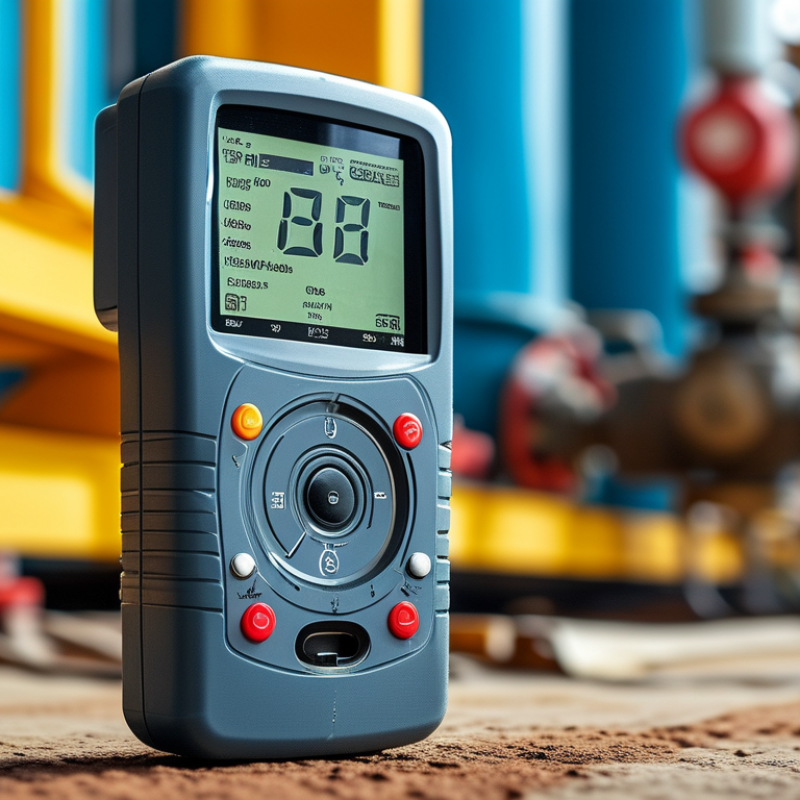
What is a Hazardous Gas Telemeter?
A hazardous gas telemeter is an advanced device designed to detect and monitor potentially dangerous gases. These gases can pose serious health risks and environmental hazards. A telemeter continuously measures gas concentrations, ensuring safety in workplaces such as factories, laboratories, or mines. The device can identify various toxic and flammable gases, including carbon monoxide and methane.
These telemeters usually consist of sensors that respond to specific gas types. When a gas is detected above a certain threshold, the device alerts users through visual and audible signals. This immediate feedback can be lifesaving, giving workers time to evacuate or take necessary action. The technology involved is impressive, yet it is vital to ensure that devices are regularly calibrated. Calibration errors could lead to false readings, which can have dire consequences.
While hazardous gas telemeters are effective, users must understand their limitations. Not all devices can detect every hazardous gas, and some might require frequent maintenance. Regular training for personnel on using and interpreting telemeter data is essential. Ultimately, awareness and proper procedures are crucial for maximizing the effectiveness of these safety devices in preventing exposure to dangerous gases.
Hazardous Gas Levels Over a Week
Types of Hazardous Gas Telemeters and Their Functions
Hazardous gas telemeters play a crucial role in maintaining safety in various industries. These devices monitor the presence of potentially harmful gases in the environment. They are essential in settings like factories, chemical plants, and confined spaces. Knowing the types of telemeters available can help ensure the right choice for specific needs.
There are several types of hazardous gas telemeters. Some focus on single gases like carbon monoxide. Others are multi-gas detectors that can identify various gases simultaneously. Optical sensors, electrochemical sensors, and catalytic bead sensors are common technologies used in these devices. Each type has its advantages and limitations. For instance, electrochemical sensors can be sensitive, but they may require regular maintenance.
Understanding how these devices function is vital. They detect gas concentrations and provide real-time readings. Visual alarms or audible alerts signal when dangerous levels are reached. Inadequate knowledge or malfunctioning sensors can lead to serious accidents. Regular calibration and testing are necessary for reliability. You must treat these devices with the respect and caution they deserve to enhance workplace safety.
Key Components of a Hazardous Gas Telemeter
A hazardous gas telemeter is a vital tool used in many industries, ensuring safety and compliance. Its key components are essential for effective operation. One crucial element is the gas sensor. This sensor detects specific gases and provides real-time data. According to a recent report by the American Industrial Hygiene Association, nearly 25% of workplace accidents result from gas exposure. Hence, reliable sensors are critical.
Another important component is the data transmission system. This system relays information from sensors to monitoring stations. It often employs wireless technology for immediate alerts. A study from the National Institute for Occupational Safety and Health highlights a 30% reduction in response time when real-time data is available. Quick communication can save lives.
Finally, user-interface software ties everything together. This software allows operators to visualize data, set alarms, and respond effectively. However, user training remains a challenge. Many operators need more experience with advanced systems. Proper education is essential to maximize the telemeter's effectiveness. Understanding these components can enhance safety protocols in environments where hazardous gases may be present.
How Hazardous Gas Telemeters Measure Gas Concentrations
Hazardous gas telemeters are essential for monitoring gas concentrations in various environments. These devices use advanced sensors to detect and measure the presence of harmful gases. By leveraging electrochemical, infrared, or semiconductor technologies, telemeters can provide real-time data. This helps in ensuring safety in workplaces, especially in industries like manufacturing or oil and gas.
Measuring gas concentrations typically involves sampling the air and analyzing it with sensitive detectors. These sensors convert gas concentrations into electrical signals. The readings are then displayed digitally for easy interpretation. Regular calibration and maintenance of the sensors ensure accuracy and reliability. Often, environmental factors can affect readings, which calls for careful consideration during data interpretation.
Tip: Regularly check your telemeter's calibration. Consistent calibration guarantees accurate measurements and enhances safety protocols.
Not every telemeter is the same. Some may struggle in extreme temperatures or high humidity. Users must be aware of these limitations. Researching the specific operating conditions of a workplace is crucial. Consider conducting regular training for staff on interpreting readings.
Tip: Stay informed about the latest technologies in gas monitoring. Advances can improve safety protocols and enhance the effectiveness of hazardous gas telemeters.
Applications and Importance of Hazardous Gas Telemeters
Hazardous gas telemeters play a critical role in safety protocols across various environments. These instruments detect dangerous gases, including carbon monoxide and methane. Their applications span industries like oil and gas, manufacturing, and mining. In these sectors, workers are often exposed to hazardous fumes. Early detection can prevent serious health risks or even fatalities.
They function by continuously monitoring gas levels and providing real-time data. This information is crucial for decision-making. For instance, if gas levels exceed safe thresholds, alarms activate, prompting immediate action. Employers can then initiate emergency plans to protect their workers. Such responsiveness can save lives and maintain operational safety.
Despite their importance, some users overlook regular maintenance. Neglecting calibrations might lead to false readings. Regular checks ensure reliable operation and accurate results. Training personnel on equipment usage is vital. A well-informed team can effectively respond to alarms. Awareness of the potential for human error will make organizations more resilient in hazardous situations.
FAQS
: It is a tool for monitoring dangerous gas levels in various industries.
It detects specific gases and provides real-time data for safety.
Nearly 25% of workplace accidents come from gas exposure. Reliable sensors help prevent these incidents.
It relays sensor information to monitoring stations. Quick alerts can improve response times.
They sample air and use sensors to convert gas concentrations into electrical signals.
Regular calibration and maintenance of sensors ensure accuracy and reliability.
Environmental factors like temperature and humidity can impact sensor performance.
Many operators lack experience with advanced systems, affecting their effectiveness.
Conduct regular staff training and stay updated on new gas monitoring technologies.
Consistently check calibration to guarantee accurate measurements and enhance safety.
Conclusion
A Hazardous Gas Telemeter is an essential device used to detect and monitor the concentration of hazardous gases in various environments. These telemeters come in different types, each serving specific functions such as alarm activation and data logging, to ensure safety in workplaces prone to gas exposure. Key components of a Hazardous Gas Telemeter typically include sensors, control systems, and communication interfaces that work together to provide real-time monitoring.
The operation of Hazardous Gas Telemeters involves measuring gas concentrations through advanced sensor technology, which can identify specific gas types and their levels. These devices are crucial in industries like manufacturing, oil and gas, and agriculture, where gas leaks pose serious health and safety risks. By providing timely alerts and data, Hazardous Gas Telemeters play a vital role in safeguarding personnel and enhancing overall workplace safety.
 Airppb
