
Airppb Airppb

Phosgene Gas Detector Tips for Effective Safety Monitoring?

Time:2026-06-13 Author:Amelia
0%

Phosgene gas is a highly toxic substance often used in chemical manufacturing. Effective monitoring is crucial for workplace safety. Dr. Alice Harper, a leading expert in environmental safety, once stated, “A reliable Phosgene Gas Detector is essential for protecting workers from silent threats.” Her words highlight the importance of proper detection systems.

When selecting a Phosgene Gas Detector, it’s vital to consider its sensitivity and response time. An inadequate detector can lead to serious health risks. Many detectors offer various features, such as data logging and real-time monitoring. These tools can significantly enhance safety protocols and foster a culture of safety.

It’s easy to overlook the maintenance aspect of gas detectors. Regular calibration and testing are necessary to ensure accuracy. Failing to do so can create a false sense of security. With effective safety monitoring, companies not only protect their employees but also adhere to regulatory standards in their industry.
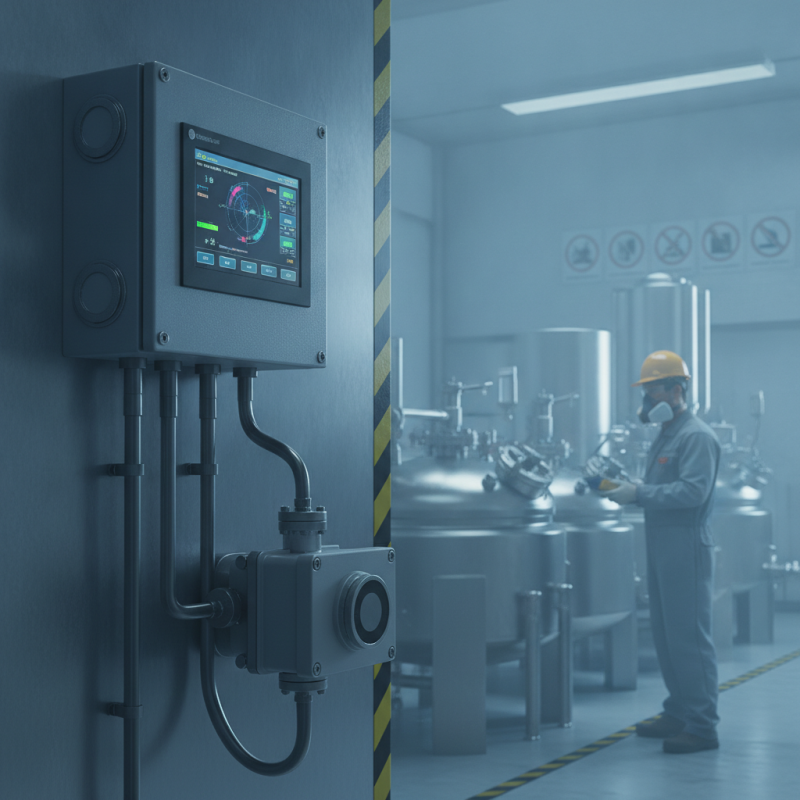
Phosgene Gas Detector Tips for Effective Safety Monitoring?

Understanding Phosgene Gas: Properties and Hazards

Phosgene gas, a colorless compound, poses serious health risks. It is known for its distinct odor, reminiscent of musty hay or corn tortillas. Exposure can lead to severe respiratory issues and, in high concentrations, can be fatal. Understanding its properties is crucial for safety monitoring.

This gas is heavier than air, which means it can accumulate in low-lying areas. Awareness of its behavior in various environments is vital. Many industrial settings and laboratories handle phosgene, emphasizing the need for effective safety measures. Regular monitoring and proper ventilation can mitigate the risks. However, it is often underestimated, as it can be present without obvious signs.

Detection technology plays a significant role in safety strategies. Effective monitoring allows for immediate response to exposure. Implementing regular training for staff can help raise awareness of potential hazards. However, situations can still arise where detection systems fail or are neglected. Continuous vigilance and improvement should be part of any safety plan.

Importance of Gas Detection in Safety Monitoring

Phosgene gas, a colorless and highly toxic compound, poses significant risks in industrial settings. According to the National Institute for Occupational Safety and Health (NIOSH), exposure can lead to severe respiratory complications. Real-time gas detection is crucial in environments where phosgene may be present.

The importance of gas detection cannot be overstated. Studies show that 85% of workplace incidents are preventable with effective monitoring systems. Sensors designed for phosgene detection alert workers to dangerous levels, enhancing workplace safety. Early detection provides an opportunity for immediate action, protecting lives and minimizing health risks.

However, many organizations still underestimate the need for robust monitoring systems. Regular maintenance and calibration of gas detectors are often neglected. This oversight can lead to false alarms or worse, failure to detect harmful concentrations. Investing in reliable detection technology is vital for ensuring a safe work environment. Implementing thorough training and maintaining the system can save lives and promote a culture of safety.

Phosgene Gas Detector Tips for Effective Safety Monitoring

Aspect Details
Importance of Detection Early identification of hazardous gases to prevent health risks.
Detection Limit Detects phosgene concentrations as low as 0.1 ppm.
Calibration Frequency Monthly calibration recommended for accuracy.
Maintenance Schedule Regular maintenance every 6 months to ensure functionality.
User Training Comprehensive training for users to interpret readings correctly.
Alarm Settings Configurable alarms for different concentration levels for safety.

Types of Phosgene Gas Detectors and Their Mechanisms

Phosgene gas detection is critical in industrial environments due to its toxicity. Different detectors have unique mechanisms to monitor this dangerous gas effectively. Common types include electrochemical sensors, infrared sensors, and photoionization detectors. Each has distinct advantages and limitations.

Electrochemical sensors are popular for their sensitivity, detecting phosgene at low concentrations. They operate on a principle where the gas reacts chemically within the sensor, producing a measurable current. Reports indicate that these sensors can detect down to 1 ppm, which is crucial since phosgene can be lethal at concentrations above 50 ppm. However, they may require frequent calibration and maintenance to ensure reliability.

Infrared sensors use light absorption to identify phosgene. The gas absorbs specific wavelengths of infrared light, allowing the sensor to quantify its presence. While they offer real-time monitoring and low maintenance, they can be expensive. A drawback lies in their sensitivity to environmental conditions, which might lead to false readings. Thus, understanding the environment is essential when selecting a detector. Balancing cost and effectiveness is often a challenge for many facilities needing reliable phosgene monitoring solutions.

Phosgene Gas Detector Performance Comparison

Best Practices for Installing Phosgene Gas Detectors

When installing phosgene gas detectors, proper location is crucial. Detectors should be placed close to potential leak sources. According to the National Institute for Occupational Safety and Health (NIOSH), around 40% of industrial incidents related to phosgene occur due to improper placement. Ensure devices are at breathing levels to maximize their effectiveness. They need to be easily accessible yet shielded from accidental damage or tampering.

Regular calibration and maintenance are also significant factors. Many detectors lose accuracy over time. A report from the Occupational Safety and Health Administration (OSHA) indicates that calibration should occur at least quarterly for optimal performance. Dust, humidity, and other environmental factors can impact sensor reliability. Keep calibration records to track performance trends. Compliance with industry standards improves trust in your monitoring systems.

Training personnel is vital for safety. Workers need to understand the function and limits of detection equipment. An informed team can react promptly to detect failures. Approximately 30% of workplace incidents involve a lack of awareness. We must continuously reflect on the adequacy of training programs and update them as needed. Safety measures are an ongoing effort, not a one-time setup.

Regular Testing and Calibration of Gas Detection Systems

Regular testing and calibration of gas detection systems are crucial for maintaining safety in environments where phosgene gas might be present. Many overlook the importance of routine checks. These measures ensure that gas detectors are functioning correctly. A reliable detector can mean the difference between a safe workplace and a hazardous situation.

Testing should be performed at scheduled intervals, ideally monthly. Sometimes, users wait too long between assessments. This can lead to undetected failures or inaccuracies. Calibration should follow manufacturer guidelines. Many professionals recommend cross-checking with a secondary device for accuracy. Proper calibration can reveal hidden issues.

Training personnel on these practices is essential. It's not enough to have devices; understanding their function is key. Regular drills can help identify gaps in knowledge. While a company may invest in top-notch equipment, without consistent monitoring, risks remain. Continuous evaluation fosters a culture of safety, leading to better preparedness for potential gas exposure.

FAQS

: What is phosgene gas and why is it hazardous?

: Phosgene gas is colorless and toxic. It can cause severe respiratory issues and can be fatal in high concentrations.

How does phosgene gas behave in the environment?

It is heavier than air, allowing it to accumulate in low-lying areas. Awareness of this behavior is crucial for safety.

Why is gas detection important in industrial settings?

Real-time gas detection helps identify dangerous levels of phosgene, enhancing workplace safety and protecting lives.

What are common issues with gas detection systems?

Many organizations neglect regular maintenance. This can lead to false alarms or undetected harmful concentrations.

How often should gas detection systems be tested?

Regular testing should occur ideally monthly. Waiting too long can result in undetected failures or inaccuracies.

Why is calibration important for gas detectors?

Calibration ensures detectors function correctly. It can reveal hidden issues, which are critical for safety.

Is training for staff on gas detection necessary?

Yes, training is essential. Understanding how detectors work is key to ensuring safety and preparedness for exposure.

What can happen if safety protocols are not followed?

Overlooking safety measures can lead to hazardous situations, putting workers' health at risk.

How can organizations improve their safety culture?

Continuous evaluation and regular drills can foster a culture of safety and better preparedness among staff.

Are there any challenges in maintaining gas detection systems?

Yes, sometimes users underestimate the need for consistent monitoring, which can lead to potential risks.

Conclusion

Phosgene gas, a highly toxic chemical used in various industries, poses significant safety risks, making effective monitoring essential. Understanding its properties and potential hazards is crucial for implementing safety measures. The use of a Phosgene Gas Detector plays a vital role in early detection and prevention of exposure, thereby safeguarding health and safety.

There are multiple types of Phosgene gas detectors available, each designed with specific mechanisms for effective monitoring. It is important to follow best practices during installation to ensure optimal performance. Regular testing and calibration of gas detection systems are also key to maintaining accuracy and reliability. By adhering to these guidelines, organizations can enhance their safety protocols and mitigate the risks associated with phosgene gas exposure.

Amelia

Amelia

Amelia is a seasoned marketing professional with a wealth of expertise in our company’s core offerings. With an unwavering passion for driving growth and innovation, she plays a pivotal role in shaping our marketing strategies and enhancing brand visibility. A key aspect of her responsibilities......