
Airppb Airppb

China Top Air Detection Drone Suppliers Where to Buy?

Time:2026-09-13 Author:Madeline
0%

The search for China’s top Air Detection Drone suppliers is no longer limited to aircraft pricing. Buyers now compare sensor accuracy, flight endurance, data security, calibration support, and export documentation. A drone may look impressive in a product video, yet perform poorly beside a factory chimney or a busy roadside.

Industry data shows why this market deserves careful evaluation. Drone Industry Insights reported continued growth in commercial drone services, driven by inspection, mapping, and public-sector applications. MarketsandMarkets estimated the global drone market at about USD 30.6 billion in 2024, with strong expansion expected through 2029. These figures indicate opportunity, but they do not guarantee supplier quality. Market size is not proof of measurement reliability.

For air monitoring, buyers should examine the sensor package, not only the flight platform. Relevant payloads may include particulate sensors, gas detectors, meteorological instruments, and thermal cameras. Look for published detection ranges, calibration intervals, sampling methods, and field-test records. ISO 9001 certification can support process confidence, while laboratory calibration evidence matters more for serious environmental work. CAAC compliance and destination-country aviation requirements should also be checked before purchase.

Where can buyers purchase? Established Chinese manufacturers, authorized distributors, and verified industrial marketplaces offer different levels of support. Direct factory purchasing may reduce cost, but after-sales communication can become difficult. A local integrator may provide training, spare parts, and commissioning assistance. That convenience costs more. Sometimes, the cheaper quote becomes the expensive choice.

This guide compares leading Chinese suppliers and practical buying routes. Evidence matters. Even experienced buyers can miss small details.
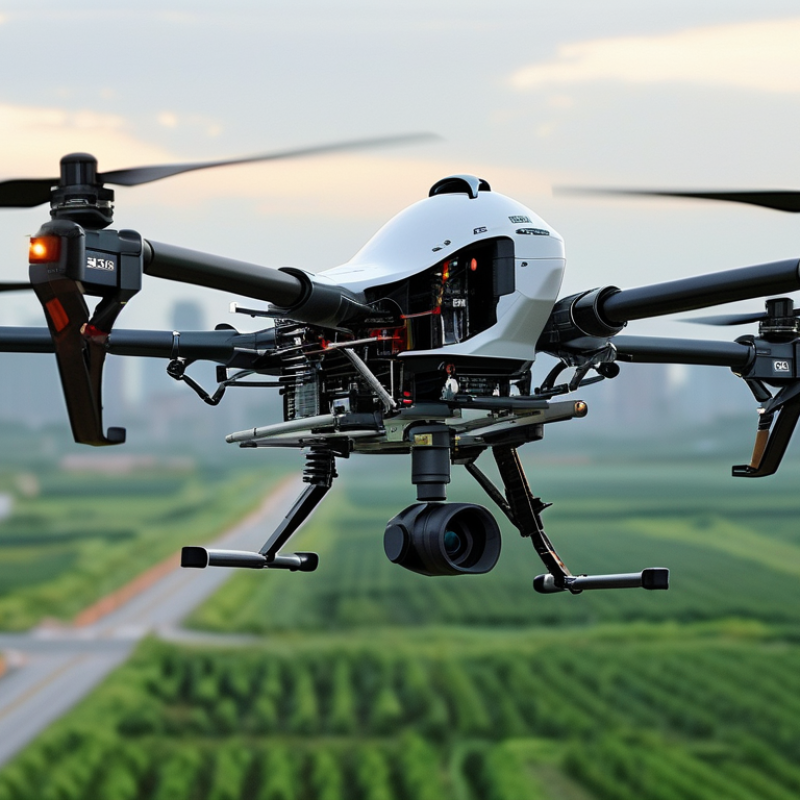
China Top Air Detection Drone Suppliers Where to Buy?

What Are Air Detection Drones and How Do They Work?

Air detection drones combine flight control, environmental sensors, and wireless data links. They measure gases, particles, heat, moisture, and sometimes radiation. A programmed route guides the aircraft through selected points. Sensors collect readings while onboard positioning records location and altitude. Software then converts measurements into maps, alerts, or inspection reports.

Their value is practical. A drone can sample air above factories, construction sites, forests, or difficult terrain without placing workers nearby. Thermal cameras can reveal abnormal heat, while electrochemical sensors may identify specific gases. According to the International Energy Agency’s Global Methane Tracker 2024, fossil-fuel operations released about 120 million tonnes of methane in 2023. This figure explains the growing interest in aerial monitoring. The World Health Organization also reports that 99% of people breathe air exceeding its guideline limits, although drone data cannot replace certified monitoring stations.

Performance depends on sensor calibration, weather, battery endurance, and sampling height. A low-cost unit may produce attractive maps but weak evidence. Reports are not perfectly aligned. That matters when comparing suppliers in China. Buyers should request calibration records, test data, repair support, and clear export documentation. Independent field trials remain essential.

Tips: Define the target pollutant before purchasing. Check detection limits, wind tolerance, flight time, and data formats. Ask whether measurements can be verified by a ground instrument. Keep a simple trial log; early assumptions are often wrong.

Key Features of Leading Chinese Air Detection Drone Suppliers

China Top Air Detection Drone Suppliers Where to Buy?

Leading Chinese air detection drone suppliers usually combine long flight time, thermal imaging, multispectral cameras, and compact radar modules. These features support infrastructure inspection, wildfire observation, weather research, and emergency mapping. Drone Industry Insights reported that the global commercial drone market could reach about 54.6 billion US dollars by 2030. This growth raises demand for reliable sensing platforms, not only cheaper airframes.

When evaluating suppliers, check payload capacity, battery endurance, wind resistance, obstacle avoidance, and positioning accuracy. RTK support can improve mapping precision in open areas, while infrared sensors help identify heat differences at night. MarketsandMarkets estimates the UAV market may grow from 30.6 billion US dollars in 2024 to 58.4 billion by 2029. Suppliers should provide test reports, calibration records, software updates, and operator training. Secure data storage also matters. A low price may hide weak after-sales support. No supplier is perfect. I would request a live demonstration before placing a large order.

Tips: Ask for sample flight data, sensor specifications, warranty terms, and replacement-part availability. Compare detection range under fog, rain, and strong sunlight. Confirm local import, radio, and aviation requirements before purchase. Buying directly from a verified manufacturer may reduce cost, while an authorized distributor can offer faster service. My practical concern is simple: published range figures often use ideal conditions. Field testing remains necessary.

China Top Air Detection Drone Suppliers Where to Buy? - Key Features of Leading Chinese Air Detection Drone Suppliers

Anonymized Supplier Profile Typical Platform Air-Detection Payload Options Typical Endurance Typical Operating Range Data-Link Features Common Applications Important Buying Checks
Profile A: Compact Multirotor Supplier Electric quadcopter or hexacopter; rapid deployment Thermal camera, visible-light camera, compact RF detector, optional gas sensor 25–45 minutes per battery, depending on payload and weather Approximately 3–10 km control radius in unobstructed conditions Encrypted command link, live video, GNSS positioning, return-to-home function Facility inspection, perimeter monitoring, emergency response, short-range aerial observation Payload weight, battery cycle life, wind resistance, obstacle avoidance, replacement batteries
Profile B: Long-Endurance Fixed-Wing Supplier Electric fixed-wing aircraft with hand, rail, or assisted launch Electro-optical/infrared gimbal, multispectral camera, compact airborne radar option 2–8 hours, subject to aircraft size, battery configuration, and payload Approximately 30–150 km mission radius, subject to local regulations and communications Long-range telemetry, waypoint missions, automatic flight planning, optional cellular backhaul Wide-area surveillance, coastline inspection, agriculture mapping, infrastructure patrol Launch and recovery method, minimum operating speed, landing area, wind limits, mapping software compatibility
Profile C: Hybrid VTOL Supplier Vertical-takeoff fixed-wing aircraft; no runway required EO/IR payload, thermal imaging, lightweight radar, laser rangefinder 3–10 hours in cruise mode, depending on propulsion and payload Approximately 40–200 km mission radius in suitable terrain and communications conditions Redundant navigation options, automatic transition between hover and cruise, mission replay Power-line inspection, border-area observation, disaster assessment, remote asset monitoring Transition reliability, vibration isolation, spare propulsion units, recovery accuracy, software training
Profile D: Heavy-Payload Industrial Supplier Large multirotor or coaxial aircraft designed for modular payloads Stabilized EO/IR system, compact radar, radio-frequency monitoring equipment, environmental sensors 20–60 minutes with a heavy sensor package Approximately 2–15 km control radius, depending on antenna, terrain, and regulatory limits High-bandwidth video transmission, dual-operator control, payload interface, optional ground-station integration Industrial security, emergency services, environmental monitoring, construction and mining surveys Maximum takeoff weight, payload power supply, gimbal accuracy, transport case, maintenance documentation
Profile E: Customized Detection-System Integrator Platform selected or modified according to mission requirements Customized combination of thermal, optical, radar, RF, acoustic, or atmospheric sensors Defined after system engineering; usually optimized around the required sensor load Mission-specific; determined by aircraft, antenna system, terrain, and approved operating rules API integration, local data storage, encrypted telemetry, command-center or GIS integration Critical infrastructure, public safety, research, industrial automation, multi-sensor detection programs System architecture, software ownership, cybersecurity controls, acceptance testing, training, after-sales support
Procurement note: The figures shown are indicative ranges commonly used for initial supplier screening rather than guaranteed specifications. Confirm the final aircraft, sensor performance, endurance, operating range, export requirements, aviation approvals, warranty terms, and total landed cost directly with the shortlisted supplier.

How to Compare Air Detection Drone Models and Manufacturers

China Top Air Detection Drone Suppliers Where to Buy?

Comparing air detection drone models requires more than checking flight time. Start with the sensor package, detection range, calibration method, and recorded data quality. A drone with a larger payload may perform better, but it can lose stability in strong wind. Shorter flights can also produce more reliable measurements when batteries are changed safely and regularly.

During practical procurement reviews, I examine three test areas: flight control, sensor performance, and maintenance support. Request a demonstration in conditions similar to your site, including dust, low temperatures, or uneven terrain. Check whether the manufacturer provides calibration records, operating manuals, spare parts, and software updates. Ask for clear accuracy data, not vague marketing language. Small details matter.

Supplier reliability should be judged through traceable company information, quality procedures, technical training, and responsive after-sales service. Authorized distributors may simplify delivery, installation, and warranty communication. However, their technical knowledge can vary. I would compare at least three suppliers and record every answer. My own evaluations are not perfect; published specifications sometimes differ from field results. A careful buyer should test sample data before placing a large order. Also review local import, radio, privacy, and aviation requirements with qualified professionals.

China Top Air Detection Drone Suppliers: How to Compare Models and Manufacturers

Use this neutral procurement framework to compare air detection drone models and manufacturers without relying on brand-specific claims. The percentages represent a practical baseline for evaluating detection effectiveness, operational reliability, integration capability, and ownership risk.

How to use the chart: Request documented test results for each criterion, including sensor detection performance, flight endurance under payload, weather protection, communication security, maintenance support, and regulatory compliance. Apply the same weighting to every supplier for a fair comparison.

Where to Buy Air Detection Drones in China and Overseas

China Top Air Detection Drone Suppliers Where to Buy?

When sourcing air detection drones in China, compare suppliers through verified platforms, industrial exhibitions, and direct factory audits. MarketsandMarkets estimated the global drone market at about USD 30 billion in 2024, with strong demand from inspection, mapping, and public safety. This growth attracts capable manufacturers, but also inexperienced resellers. Request test videos, payload specifications, battery-cycle records, and service response times. A real outdoor demonstration is more useful than polished product photos.

For overseas buyers, confirm import rules before placing an order. Check radio-frequency approval, battery transport requirements, data protection duties, and local flight restrictions. Ask whether the supplier provides manuals, spare sensors, firmware updates, and remote training in your language.

For air detection work, examine sensor range, detection accuracy, wind resistance, night performance, and false-alarm rates. A 2024 report from Drone Industry Insights highlights continued expansion in commercial drone applications, yet field reliability still depends heavily on integration and maintenance.

Use a staged purchase. Begin with one evaluation unit, then test it near buildings, trees, dust, and changing weather. Keep written acceptance criteria. I have seen buyers focus on detection distance while ignoring calibration time and replacement costs.

That is a costly mistake.

Overseas distributors may offer easier support, while Chinese suppliers can provide broader customization and faster production communication. Neither route is automatically safer. Verify factory credentials, inspection records, warranty terms, and independent test evidence before payment.

Legal, Safety, and After-Sales Factors Before Purchase

China Top Air Detection Drone Suppliers Where to Buy?

Buying an air detection drone from China requires more than comparing flight time and sensor prices. Confirm that the supplier can provide export documents, equipment specifications, and testing records. Ask which aviation authority rules apply in your country. Registration, pilot qualifications, insurance, and operating zones may all matter. Do not assume a supplier’s “ready to fly” claim covers local requirements.

Safety should be checked on the ground. Request demonstrations of return-to-home functions, battery protection, obstacle alerts, and emergency landing procedures. For environmental sampling, inspect sensor accuracy, calibration intervals, sampling height limits, and contamination controls. Independent laboratory reports are more useful than vague marketing promises. Protect collected data with access controls and secure storage. Privacy risks can appear near homes, schools, or private workplaces. A simple flight plan helps prevent avoidable problems.

After-sales support often decides whether the purchase succeeds. Get written terms for warranty coverage, spare batteries, sensor replacement, software updates, repair times, and remote training. Ask whether technicians can diagnose faults using logs and video calls. Keep records of serial numbers and calibration dates. A low price can still be expensive. I would also test one unit before ordering many, because documentation may look complete while practical support remains slow. That small doubt is worth respecting. Choose a supplier with traceable quality procedures, clear communication, and service commitments that remain realistic after payment.

FAQS

What features matter most in an air detection drone?

Look for suitable sensors, dependable positioning, obstacle avoidance, wind resistance, and enough payload capacity. Thermal and multispectral cameras can reveal heat and surface differences. Small radar modules may support mapping or detection work. Small details matter.

How should I compare different drone models?

Compare sensor accuracy, detection range, calibration methods, flight stability, battery endurance, and recorded data quality. A heavier payload may improve sensing but reduce stability during strong winds. Longer flight time is not always better. Test the complete system.

What testing should I request before purchasing?

Request a live demonstration in conditions resembling your worksite. Include dust, fog, rain, low temperatures, strong sunlight, and uneven terrain. Ask for sample flight data and clear accuracy measurements. Published ranges often describe ideal conditions, which deserves skepticism.

Why are calibration records important?

Calibration records show when sensors were checked and whether measurements followed a repeatable process. Ask about calibration intervals, methods, and supporting test reports. For environmental sampling, also review contamination controls and sampling-height limits. Records can still be incomplete.

What supplier documents and services should I expect?

Request equipment specifications, operating manuals, testing records, warranty terms, and software-update policies. Check whether replacement batteries, sensors, and other parts remain available. Operator training and technical support can reduce avoidable mistakes. Do not rely on verbal promises alone.

What legal requirements should I check before buying?

Review local aviation, radio, import, registration, insurance, and pilot-qualification requirements. Operating zones and privacy rules may also affect your planned flights. A “ready-to-fly” claim does not guarantee local compliance. Ask qualified local professionals.

How can I protect safety and collected data?

Demonstrate return-to-home functions, battery protection, obstacle alerts, and emergency landing procedures. Use access controls and secure storage for recorded information. Avoid unnecessary flights near homes, schools, or private workplaces. Plan the flight carefully.

Should I buy one unit or place a large order?

Test one unit before ordering many, especially when field conditions differ from published specifications. Compare at least three suppliers and record every response. Direct purchasing may lower costs, while distributors may provide faster service. That doubt matters.

Conclusion

This guide explains what an Air Detection Drone is, how it uses onboard sensors and flight systems to collect and transmit atmospheric data, and why it is valuable for environmental monitoring, industrial inspection, emergency response, and research. It highlights the key features to evaluate when reviewing Chinese suppliers, including sensor accuracy, flight endurance, payload capacity, navigation stability, data management, weather resistance, and system compatibility.

Readers will also learn how to compare drone models and manufacturers according to operational needs, technical specifications, customization options, production quality, and service capability. The article outlines practical purchasing channels in China and overseas, such as authorized distributors, professional suppliers, and verified online platforms. Before placing an order, buyers should confirm import requirements, operating permissions, privacy protection, user training, warranty coverage, spare-part availability, maintenance support, and after-sales response to ensure safe, reliable, and compliant use.

Madeline

Madeline

Madeline is a dedicated marketing professional with a wealth of expertise in our company's core offerings. With a keen understanding of the industry, she brings a unique perspective to her role, consistently delivering high-quality content that highlights the superior aspects of our products. As......