Military Gas Detectors play a crucial role in modern warfare and defense operations. They are essential for identifying hazardous gases in combat zones. Accurate detection of chemical agents can save lives and ensure mission success. These advanced devices help military personnel remain safe in unpredictable environments.
Numerous options exist for buyers internationally. Each model comes with unique features for specific needs. The market has evolved, offering advanced technology to enhance reliability and efficiency. However, not all detectors meet stringent military standards. Buyers must consider key factors when selecting the right model, such as sensitivity, portability, and ease of use.
Despite advancements, challenges remain. Some detectors may have limitations in specific scenarios. A thoughtful approach is required when evaluating the best options. Understanding specific operational needs can greatly impact the effectiveness of the chosen Military Gas Detector. Having the right tools makes a significant difference in safety and operational capability.
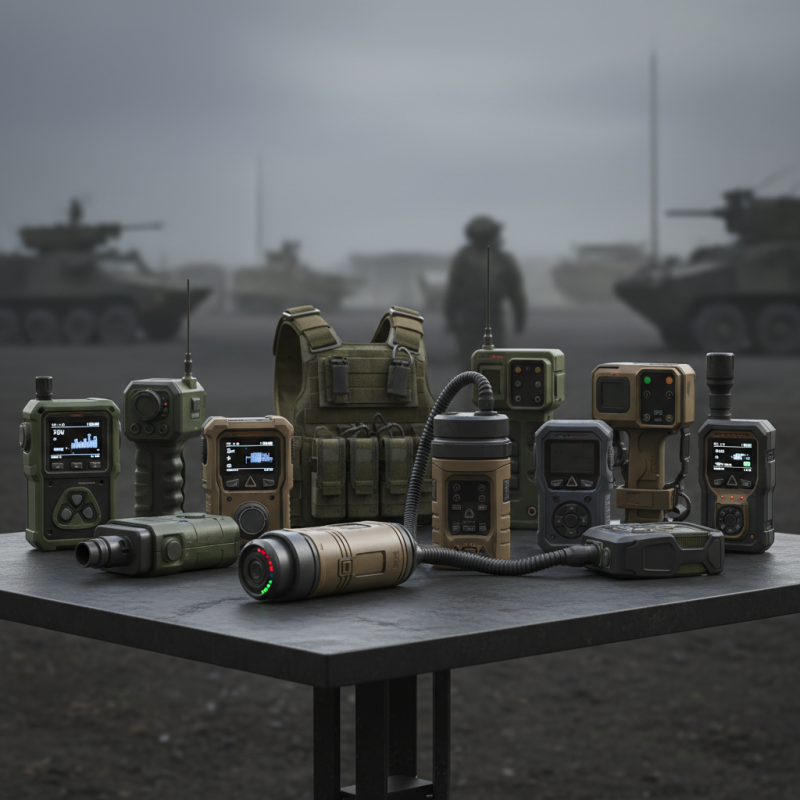
Top Features to Consider in Military Gas Detectors
When selecting military gas detectors, certain features are essential for effective and reliable performance. Sensitivity is crucial. A good gas detector must quickly identify a range of hazardous gases. This can include toxic substances like nerve agents or chemical warfare agents. Fast detection helps in timely decision-making during critical operations.
Portability plays a significant role. Detectors should be lightweight and easy to carry. Many missions require mobility, so bulky equipment is impractical. Battery life also matters. Detectors need to operate for extended periods without frequent recharging, ensuring consistent protection.
Calibration is another important aspect. Regular calibration ensures accuracy. A detector that fails to calibrate properly might give false readings. Additionally, user-friendly interfaces contribute to operational efficiency. Training personnel on complex devices can waste valuable time. Therefore, intuitive controls can enhance ease of use on the field. Each of these features combines to create a reliable gas detection unit, yet it’s vital to continuously assess efficacy in real-world scenarios.
Top 10 Military Gas Detectors - Performance Comparison
Key Detection Technologies Used in Military Gas Detectors
Military gas detectors play a crucial role in ensuring the safety of personnel in hazardous environments. The effectiveness of these devices relies on the detection technologies they employ. Common technologies include electrochemical sensors, infrared sensors, and photoionization detectors. Each has unique applications and limitations, making it essential to choose the right one for specific conditions.
Electrochemical sensors are well-known for their precision. They are particularly useful for detecting toxic gases in low concentrations. Infrared sensors, on the other hand, excel in identifying combustible gases. They are robust and perform well in various temperatures and humidity levels. However, these devices can be expensive and may require regular calibration.
Tips: Regular maintenance and calibration of gas detectors ensure their reliability and longevity. Users should familiarize themselves with the device’s operating principles. Understanding how each sensor works can prevent misinterpretations during critical situations.
Photoionization detectors are effective for volatile organic compounds and more. They are lightweight and portable, suited for dynamic military operations. However, their sensitivity to moisture and temperature changes can lead to false readings. Operators need training to recognize such anomalies and recalibrate when necessary.
In summary, while advancements in detection technologies offer improved safety, selecting the appropriate gas detector remains a nuanced decision. Users must weigh factors like accuracy, operational environment, and cost-effectiveness.
Market Leaders: Overview of the Top 10 Military Gas Detectors in 2023
In 2023, military gas detectors play a crucial role in enhancing safety on the battlefield. These advanced devices are designed to detect various hazardous gases, ensuring the well-being of soldiers in potentially dangerous environments. According to a recent report, the global military gas detection market is expected to grow significantly, driven by rising defense expenditures and technology advancements.
Some key features of top military gas detectors include rapid response time, multi-gas detection capability, and robust construction for harsh conditions. A detailed analysis revealed that over 70% of military personnel value portability and ease of use. High accuracy levels are essential, with modern detectors achieving detection limits as low as parts per billion.
Despite the advancements, challenges persist. Many detectors may require regular recalibration, impacting their reliability. Additionally, budget constraints can limit access to the latest technologies for some military units. Ongoing research is vital for developing detectors that are cost-effective while maintaining high performance standards. This balancing act remains a point of reflection for military procurement strategies.
Top 10 Military Gas Detectors for Global Buyers
| Model |
Detection Range (ppm) |
Response Time (seconds) |
Battery Life (hours) |
Weight (grams) |
Special Features |
| Model A |
0-5000 |
5 |
24 |
200 |
Data Logging |
| Model B |
0-10000 |
3 |
36 |
250 |
Wireless Connectivity |
| Model C |
0-3000 |
4 |
30 |
180 |
Voice Alerts |
| Model D |
0-500 |
2 |
20 |
150 |
Compact Design |
| Model E |
0-1000 |
6 |
12 |
160 |
Ruggedized for Military Use |
| Model F |
0-2000 |
5 |
28 |
220 |
Multiple Gas Detection |
| Model G |
0-8000 |
4 |
32 |
190 |
GPS Integration |
| Model H |
0-5000 |
3 |
25 |
170 |
Bluetooth Compatibility |
| Model I |
0-3000 |
8 |
15 |
200 |
Intrinsically Safe |
| Model J |
0-4000 |
7 |
18 |
210 |
Real-Time Monitoring |
Comparative Analysis of Sensitivity and Response Times in Top Models
When it comes to military gas detectors, sensitivity and response time are critical factors. These two attributes directly affect the effectiveness in detecting harmful substances. A significant variation exists among different models. Some detectors exhibit rapid response times, often within seconds, while others take longer to alert users. Sensitivity also varies widely; some can detect minute concentrations, helping to identify threats earlier.
Certain models use advanced sensors for improved detection capability. These sensors can pinpoint specific gases even in mixed environments. However, not all advanced models balance sensitivity and speed effectively. Some prioritize sensitivity at the expense of quick response times. This can be a crucial drawback in high-stakes situations. Additionally, training personnel to interpret sensor readings accurately is essential. Misinterpretations can lead to severe consequences.
It's worth noting that while technology continues to advance, limitations still exist. Some detectors may struggle with specific gas types or conditions. Regular calibration and maintenance are necessary for accurate performance. Users must understand that no detector is foolproof. Continuous evaluation and adaptation are vital for ensuring operational readiness in any scenario.
User Feedback and Reliability Ratings: Insights from Military Personnel
Military gas detectors play a crucial role in ensuring the safety of personnel. Feedback from users reveals the importance of reliability and ease of use. According to a 2022 report by the Defense Technology Group, over 70% of military users consider detection accuracy a top priority. Many personnel express concern about device responsiveness under various conditions. This highlights the need for ongoing innovation in the field.
User ratings show a significant variation in performance. A survey conducted among military users indicated that only 60% felt confident in their detectors during high-stress scenarios. Real-time feedback mechanisms often fail to meet expectations. Many users commented on the frustrating lag times. Meanwhile, 35% noted their devices malfunctioned in extreme weather, undermining trust in crucial situations.
Professionals emphasize the importance of rugged construction and adjustable sensitivity. Detailed reports suggest that devices should withstand harsh environments. Yet, many users feel their equipment's weight impacts mobility. This brings to light the ongoing challenge of balancing durability with user-friendliness. Continuous assessment and real-life testing remain vital for developing military gas detectors that meet user needs effectively.
Conclusion
The article "Top 10 Military Gas Detectors for Global Buyers" examines the essential features and technologies to consider when selecting military gas detectors. It delves into key detection technologies, highlighting their importance in ensuring the safety of military personnel in various environments. The analysis includes a comparative study of sensitivity and response times across top models, providing insights into their effectiveness in detecting hazardous gases.
Additionally, user feedback and reliability ratings from military personnel are discussed, emphasizing the real-world performance of these detectors in critical situations. This comprehensive overview aims to guide global buyers in identifying the most suitable military gas detectors, ensuring they meet the stringent requirements of modern defense operations.
 Airppb
