
Airppb Airppb

Why Choose a Military Gas Detector for Safety and Security?

Time:2026-08-24 Author:Mason
0%

In hazardous environments, safety is paramount. A Military Gas Detector is designed to provide swift and accurate detection of harmful gases. This technology has been refined through rigorous testing and the needs of military operations. Its reliability makes it invaluable in both combat and civilian applications.

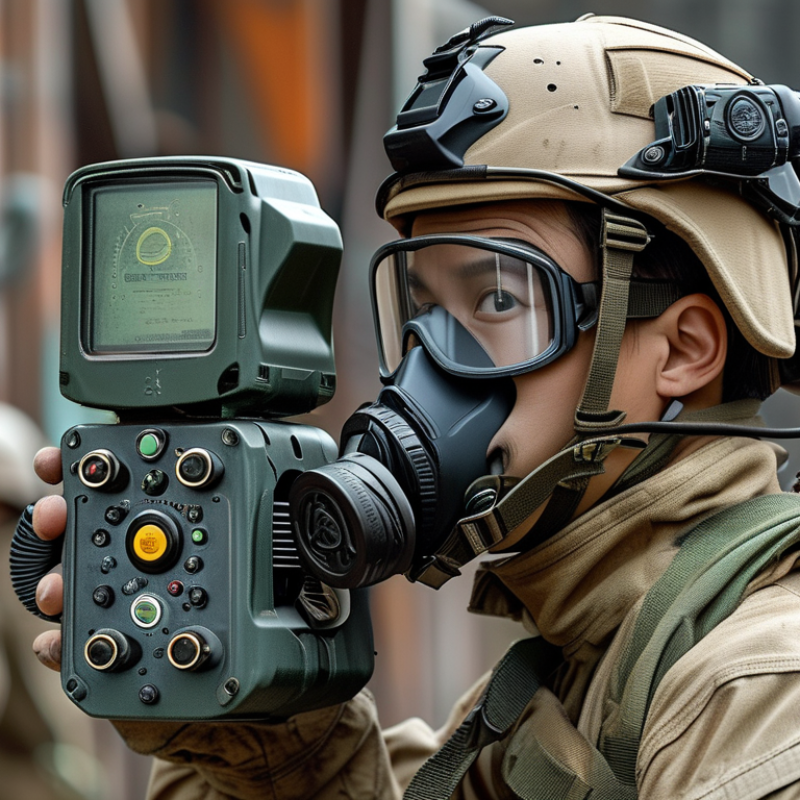
The Military Gas Detector stands out due to its advanced sensors and user-friendly interface. It can quickly identify various toxic gases, ensuring personnel remain safe. These detectors are often compact, portable, and built to endure extreme conditions. This robustness is essential for those operating in unpredictable environments. However, even the best equipment has limitations. Regular maintenance and training are crucial for effective operation.

Choosing a Military Gas Detector reflects a commitment to safety. It helps organizations protect their most valuable asset: their people. Investing in such technology is a proactive measure against potential threats. As we navigate complex challenges, the benefits of this tool become increasingly clear. Attention to detail and continuous improvement in safety protocols remain vital.
Why Choose a Military Gas Detector for Safety and Security?

Understanding the Importance of Gas Detection in Military Operations

In military operations, gas detection is critical. The environment can be unpredictable, with threats from chemical or biological agents. Using reliable gas detectors helps ensure the safety of personnel. Detecting hazardous gases quickly can mean the difference between life and death. Advanced technology now allows for real-time monitoring, providing timely alerts to the forces.

When selecting a gas detector, consider portability. A lightweight model enhances mobility in the field. Ensure the device can identify multiple gas types. Versatility can be invaluable during unpredictable missions. Regular training on using these detectors is essential. Soldiers must feel confident operating the technology under pressure.

Don't overlook maintenance routines. Regular checks ensure accuracy and functionality. A well-maintained detector is more reliable in emergencies. Stay informed about evolving threats. Gas detection technology is constantly advancing, and knowledge is power in military operations. Consistent updates on new features can improve safety standards.

Key Features of Military Gas Detectors for Enhanced Safety

Military gas detectors play a crucial role in ensuring safety in hazardous environments. These devices are engineered to detect a wide range of toxic gases. This capability is essential in military operations where exposure to harmful substances can occur unexpectedly. They can identify gases such as carbon monoxide and ammonia rapidly.

One key feature is their robustness. Military gas detectors are built to withstand extreme conditions. They are often tested against harsh environments, including intense heat and cold. This durability ensures reliable performance when it matters most. Some models include real-time data display. This feature allows users to interpret threats instantly. Additionally, many detectors are lightweight, making them easy to carry during missions.

Another important detail is their battery life. Military gas detectors are designed for prolonged use. Some can operate for several days on a single charge, which is vital in prolonged operations. However, users must still be aware of battery status. Regular checks can prevent sudden failures during critical moments. Overall, military gas detectors embody advanced technology for safety but require careful handling and user training for optimal performance.

Benefits of Using Military Gas Detectors in Security Situations

When it comes to safety and security, the choice of detection tools can be crucial. Military gas detectors are specifically designed for rigorous environments. They offer advanced technology that is often superior to standard models. According to a report by the National Institute for Occupational Safety and Health, specialized gas detectors can reduce exposure to harmful gases by 80%. This capability makes them invaluable in high-risk situations.

In security scenarios, the benefits of using military-grade detectors are clear. They are built to withstand extreme conditions. These detectors can identify toxic gases quickly, often within seconds. Reliable data shows that rapid detection can save lives. In emergencies, immediate awareness can facilitate faster evacuations. Interestingly, many security professionals still overlook the importance of such devices. This lack of awareness can lead to dire consequences.

Moreover, military gas detectors have a longer lifespan and better accuracy. A report from the Occupational Safety and Health Administration indicates that accuracy rates can reach 99% in critical assessments. However, the cost of these devices can be a barrier for smaller organizations. It's essential to weigh the long-term safety benefits against initial investments. Ultimately, the reality is that many still regard gas detectors as an optional upgrade. They should be seen as essential tools for maintaining safety.

Comparative Analysis: Military vs. Civilian Gas Detection Technologies

When it comes to gas detection technologies, military systems often outperform their civilian counterparts. Military gas detectors are designed for extreme conditions. They must operate reliably in combat zones or hazardous environments. This durability ensures that they provide accurate data, essential for the safety of personnel.

Civilian gas detection technologies, while effective, often lack the advanced features found in military models. For instance, military detectors can identify a broader range of gas types. They also offer quicker response times, vital in emergency situations. However, their complexity can be daunting for novice users. Training is essential for proper operation, which can be a barrier for some users.

Another aspect is cost. Military-grade detectors are generally more expensive than civilian models. This higher price tag reflects their advanced technology and reliability. However, this raises the question: are the added features worth it? For businesses and organizations prioritizing safety, investment in military technology may be justified. For others, simpler civilian options might suffice. Balancing needs against budget constraints remains a critical consideration.

Comparison of Military vs. Civilian Gas Detection Technologies

Real-World Applications of Military Gas Detectors in Diverse Environments

Military gas detectors are crucial in various environments. They are used in combat zones, where chemical warfare is a threat. Troops rely on these devices to assess air quality and identify harmful gases. This ensures the safety of military personnel on the ground.

In urban areas, these detectors play a vital role during disaster response. After an industrial accident, first responders use these devices to detect leaks. Their quick readings can save lives and prevent further hazards. Moreover, in training exercises, military units simulate exposure to toxic environments. Gas detectors ensure that trainees are protected while they learn to navigate such situations.

While military gas detectors are powerful tools, they are not infallible. Human error can lead to misinterpretation of readings. Regular training and recalibration of devices are essential. Only then can they deliver accurate and reliable results. Adapting to new threats remains a challenge, mandating continuous innovation and improvement in military safety equipment.

Why Choose a Military Gas Detector for Safety and Security? - Real-World Applications of Military Gas Detectors in Diverse Environments

Application Environment Type of Gas Detected Detection Method Key Features Real-World Example
Military Operations Chemical Warfare Agents Electrochemical Portable, Fast Response, Multi-Gas Detection Deployed in combat zones to ensure troop safety.
Industrial Sites Toxic Gases (e.g. CO, H2S) Infrared Sensors High Accuracy, Long Battery Life, User-Friendly Used in chemical plants to monitor air quality.
Natural Disaster Areas Methane, Ammonia Wireless Gas Monitoring Real-Time Data, Remote Access, Robust Design Deployments in flood-affected regions to detect gas leaks.
First Responder Situations Explosive Gases Photoionization Detectors Lightweight, Easy to Use, Audible Alerts Utilized by emergency teams at hazardous material incidents.
Research Facilities Variety of Laboratory Gases Multi-Gas Detection Systems Calibrated Sensors, Data Logging, Alarm Functions Installed in labs to ensure a safe research environment.

FAQS

: What are military gas detectors used for?

: They detect a wide range of toxic gases in hazardous environments, ensuring safety during military operations.

How do military gas detectors perform in extreme conditions?

They are built to withstand intense heat, cold, and other harsh environments, providing reliable performance.

What is a key feature of military gas detectors?

Many models include real-time data display for instant interpretation of threats.

How important is the battery life of these detectors?

Battery life is crucial as some can operate for several days on a single charge. Regular checks are needed.

Why might military detectors be more effective than civilian ones?

Military models can identify more gas types and offer quicker response times, vital in emergencies.

Are military gas detectors easy to use for everyone?

They can be complex, requiring training. This might intimidate novice users but is necessary for safety.

Why are military gas detectors generally more expensive?

They have advanced technology and reliability, justifying their higher price tag for safety-critical operations.

What should users consider about military gas detectors?

Proper handling and user training are necessary for optimal performance during critical moments.

Can civilian options suffice instead of military detectors?

For some users, simpler civilian options may be adequate depending on budget constraints and safety needs.

Is there a trade-off between technology and cost?

Yes, investing in military technology requires balancing advanced features with budget limitations.

Conclusion

Military gas detectors play a crucial role in ensuring safety and security during military operations. Understanding the importance of gas detection is vital, as these devices are designed to identify hazardous gases that could pose threats to personnel and mission success. Key features of military gas detectors include their robustness, accuracy, and the ability to operate in diverse and challenging environments, making them indispensable tools for military units.

In addition to their primary function in military settings, these detectors are also beneficial in various security situations, providing enhanced safety measures for both personnel and critical infrastructure. A comparative analysis reveals that military gas detection technologies often outperform civilian counterparts in terms of durability and reliability. The real-world applications of military gas detectors highlight their effectiveness in diverse scenarios, from combat zones to disaster response, underscoring the need for specialized technology in ensuring the safety of soldiers and civilians alike.

Mason

Mason

Mason is a seasoned marketing professional with a deep expertise in the company's offerings and a passion for driving brand awareness. With a strong background in digital marketing strategies, he has an innate ability to connect with diverse audiences and effectively communicate product benefits.......