 Airppb
Airppb
Airppb
Designed for industrial compliance, port monitoring, and harsh desert environments across Namibia.
Namibia is witnessing a pivotal industrial expansion driven by its mineral riches, offshore oil discoveries in the Orange Basin, and the ambitious Green Hydrogen energy projects in areas such as Lüderitz and the Erongo region. However, this economic acceleration brings unique environmental responsibilities. Under the Environmental Management Act of 2007, Namibian businesses and municipal agencies are increasingly subjected to rigorous environmental impact assessments (EIAs). Monitoring fugitive dust emissions in open-cast uranium mining (such as the Husab and Rössing deposits) and protecting coastal port ecology at Walvis Bay require robust, field-tested sensing solutions.
The combination of extreme desert heat, intense solar radiation, saline marine boundary layers, and fine suspended dust particles represents a severe testing ground for chemical instruments. Standard off-the-shelf gas detectors frequently fail in these arid conditions, leading to sensor drift and high maintenance overheads. This requires advanced technological solutions that combine electrochemistry, photoionization detection (PID), and Fourier Transform Infrared (FTIR) spectroscopy, integrated into thermally insulated, automated telemetry systems.
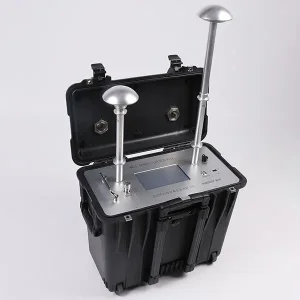
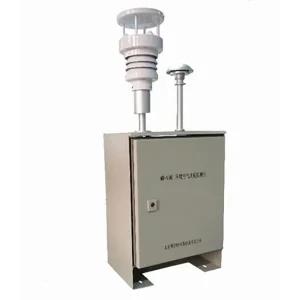
On a global scale, the gas detection paradigm is shifting from localized spot checks to dynamic grid-based environmental modeling. In the past, industrial plants relied exclusively on sparse, expensive governmental monitoring stations. Today, micro-air quality stations (such as our MR-A(M) series) are deployed in dense spatial configurations to monitor key air quality indicators—including PM2.5, PM10, SO2, NOx, CO, and O3—in real time.
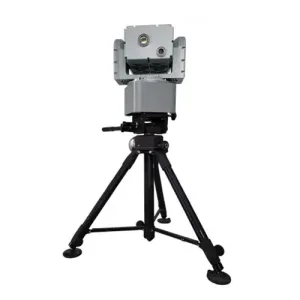
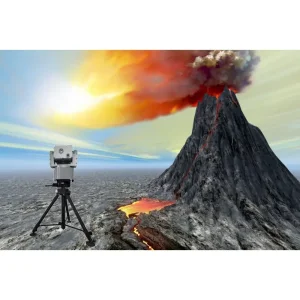
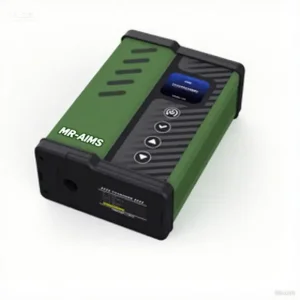
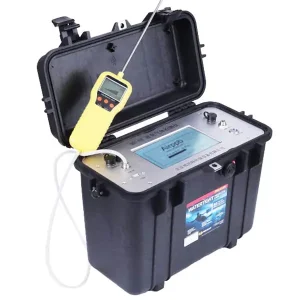
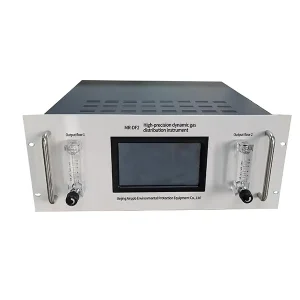
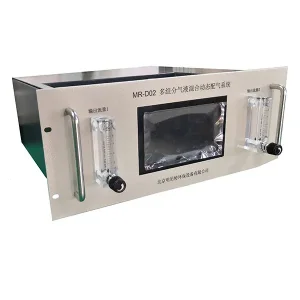
Additionally, optical telemetry systems like FTIR (Fourier Transform Infrared) represent the absolute state of the art. Operating over open paths, these systems can scan large areas for hundreds of individual gas species simultaneously. This technology is vital for refinery perimeter monitoring, volcano observation, and early warning protection in municipal firefighting operations. Through automated gas distribution and on-site dynamic calibration (utilizing high-precision dynamic gas meters like the MR-DF3), instrument operators can ensure compliance with international metrology standards without shipping equipment back to overseas test labs.

Ensuring compliance, reliability, and precision across diverse operations in southern Africa.
Deploying long-range FTIR and automated gas telemetry systems across Namibian open-pit uranium and copper mines to monitor fugitive sulfur dioxide (SO2) and acid mist emissions from refining plants.
Establishing micro-air stations (MR-A(M)) in the Walvis Bay port zone, specifically configured to detect volatile organic compounds (VOCs), hydrogen sulfide (H2S), and hydrocarbons in saline marine air.
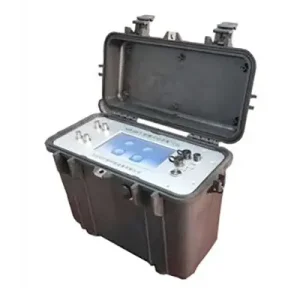
Using portable gas distribution instruments (MR-DF2/DF3) to establish local calibration laboratories, enabling local technicians to perform routine trace-level calibration locally.
Industrial grade, telemetry-enabled instruments built to survive extreme thermal and physical conditions.
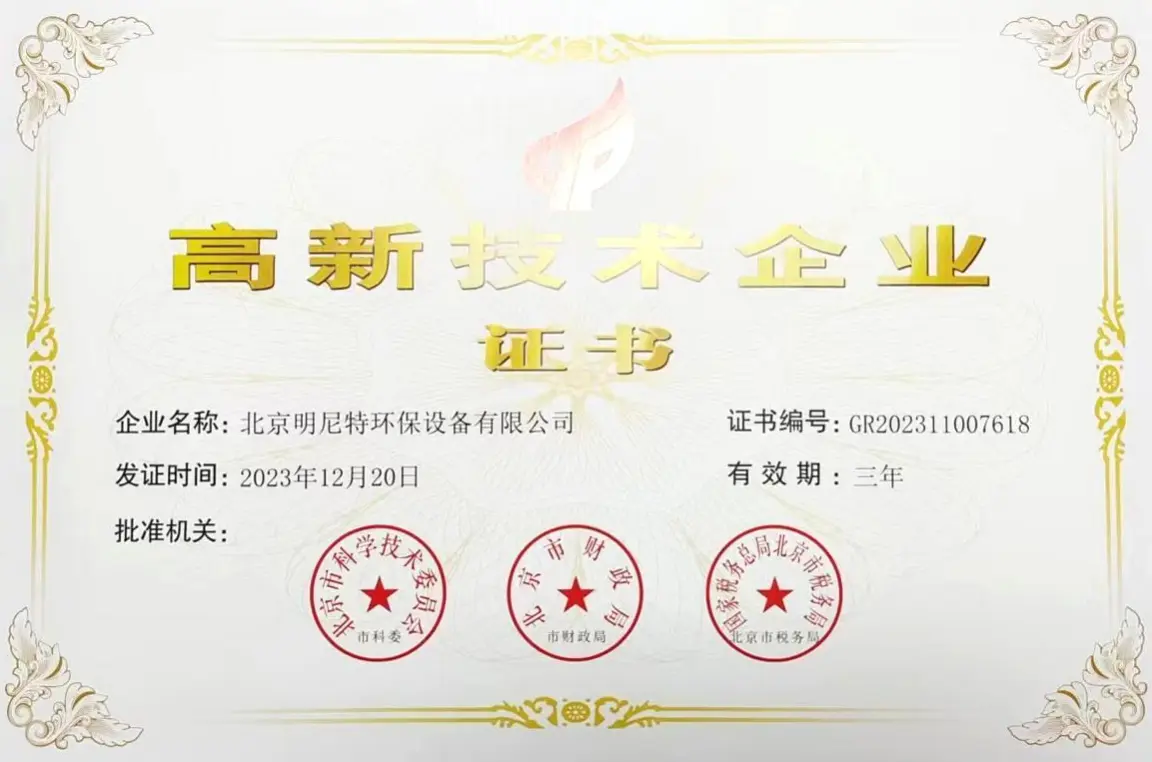
Established in 2012, our group is a national high-tech enterprise focusing on the R&D and industrial innovative application of precision gas detection instruments. The company leverages technological innovation to deliver automated, on-site, and intelligent analysis, detection, and monitoring systems. We are committed to remaining a leading global scientific instruments developer.
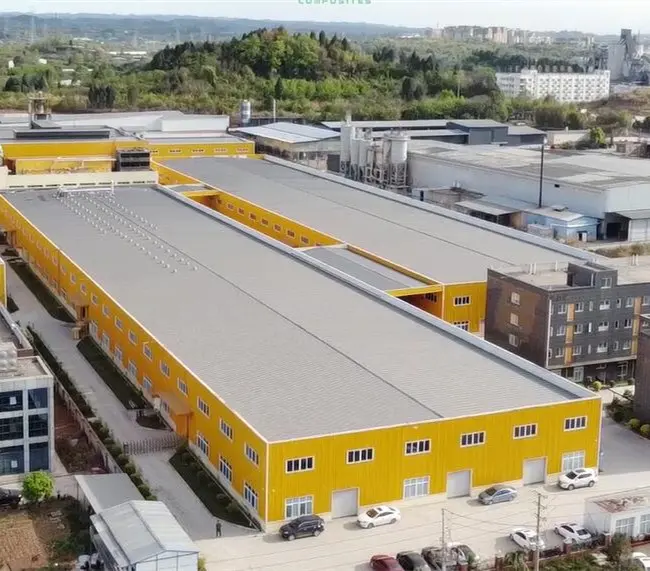
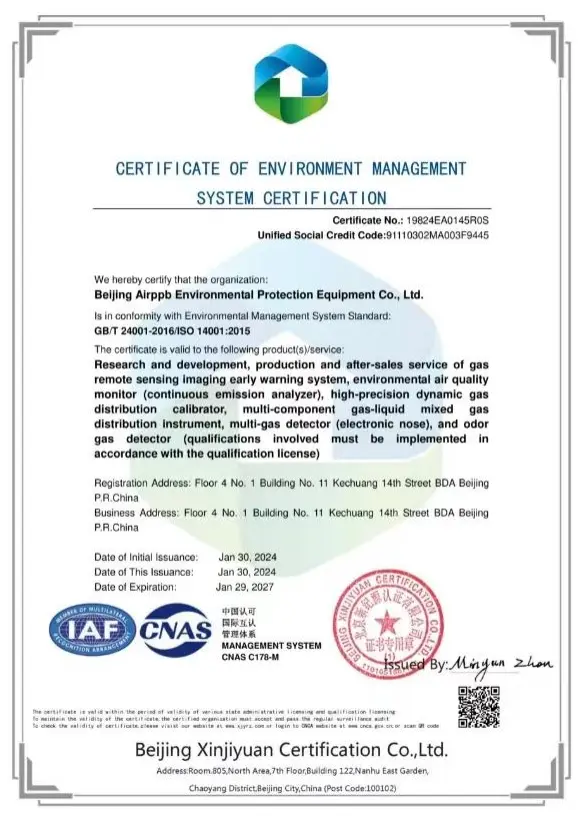
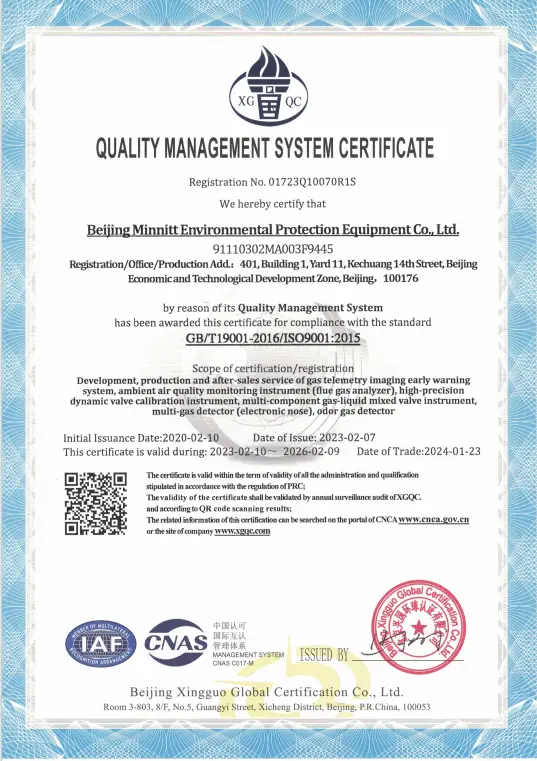
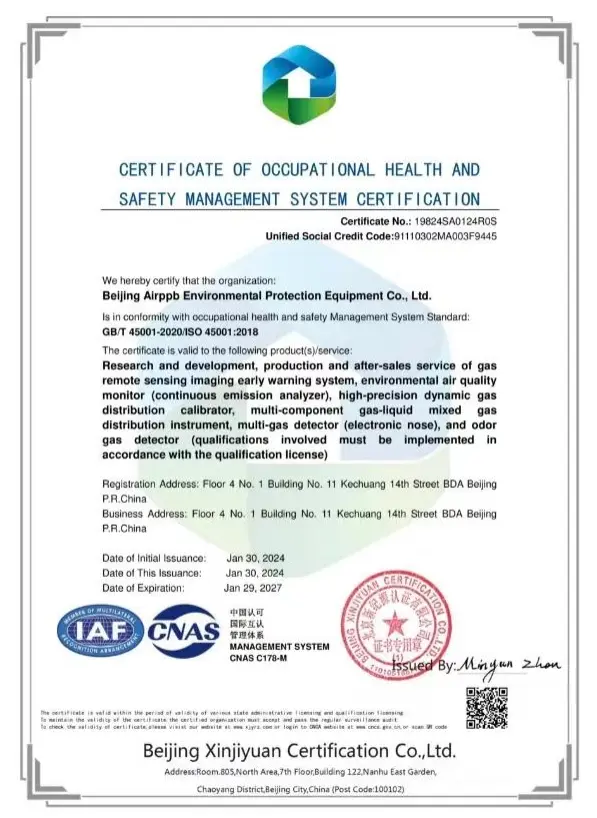
Our core capabilities span electrochemistry, photoionization detection (PID), and advanced spectroscopy. We provide laboratory-grade performance in field-ready form factors, including handheld, portable, micro-station, and automated online instruments. With a modern production facility operating strictly under ISO 9001, ISO 14001, and ISO 45001 standards, we ensure that every instrument delivered to Namibia and the global market satisfies the most demanding metrology checks.
Delivering high-precision instrument manufacturing and custom OEM/ODM configurations globally.
We supply complete system integrations. From gas mixing systems to perimeter FTIR detection networks, we manage the configuration, calibration, and delivery details so your field site stays compliant and safe.
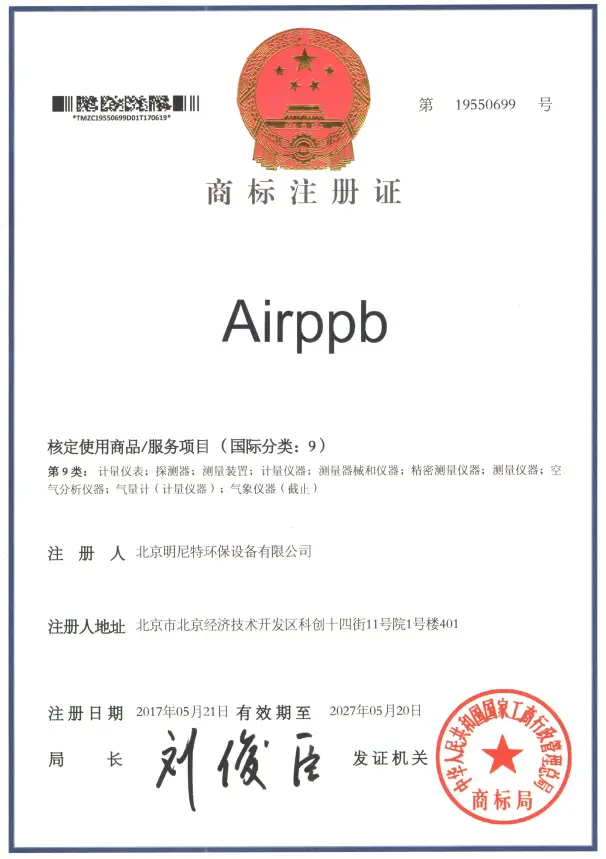
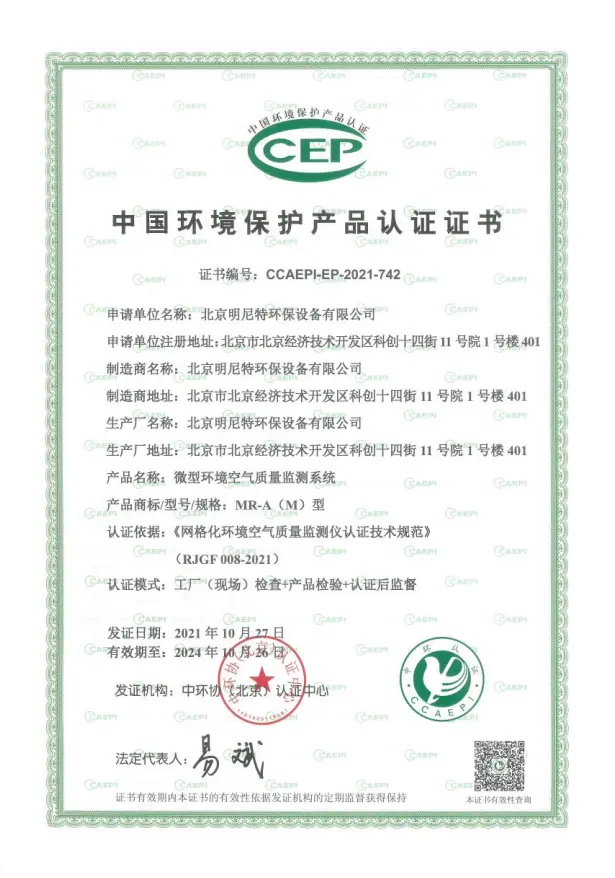
Our instruments carry extensive regulatory certifications, including national CPA approvals, CCEP certificates, and independent CNAS/CMA testing reports, assuring reliable field operations under severe regional environmental stress.
Custom instrument development tailored to brand demands and specific industrial parameters.
Our dedicated R&D division accounts for over 60% of our entire corporate workforce.
Full support lifecycle including hardware calibration validation and responsive post-sales field support.
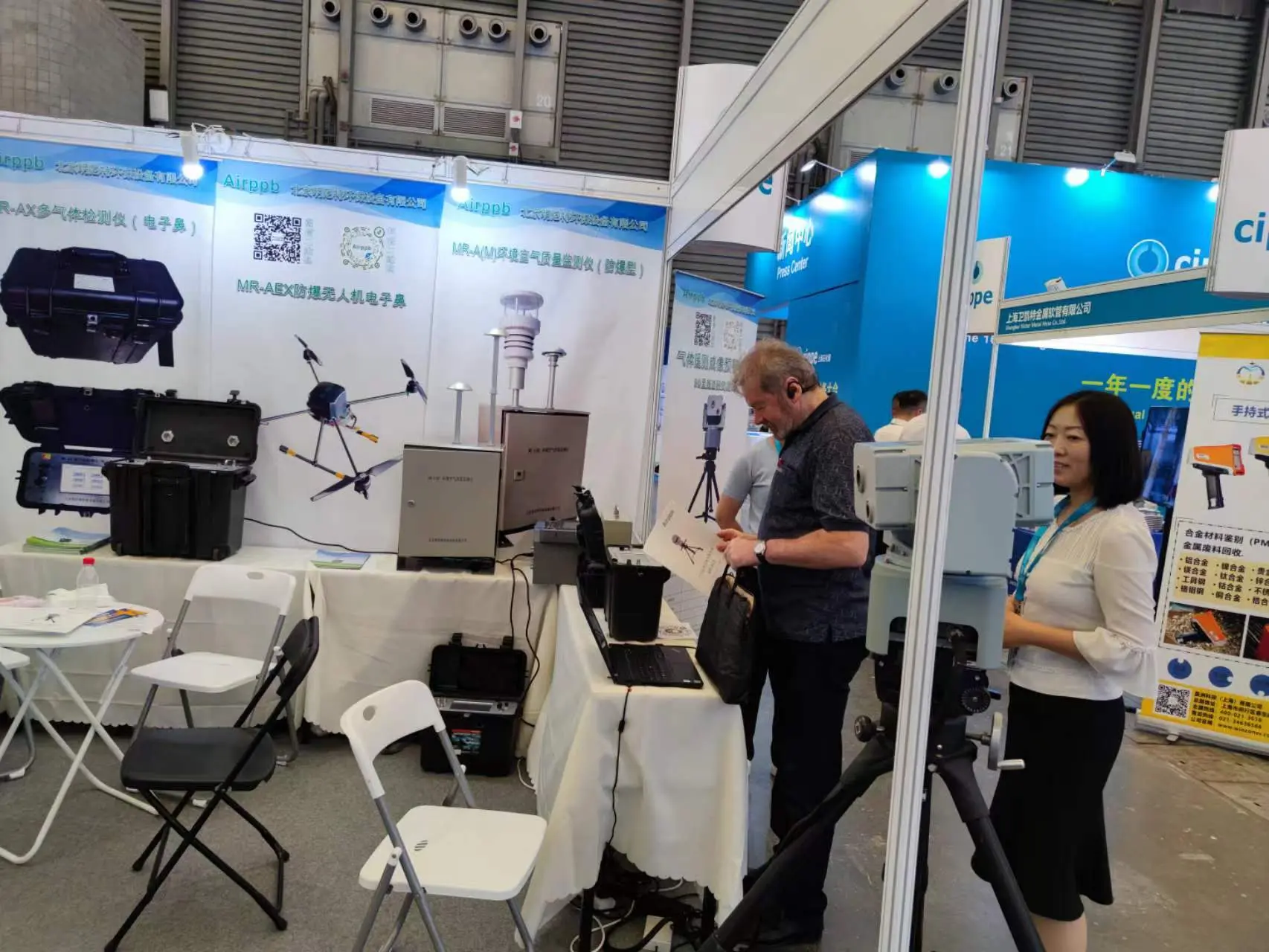
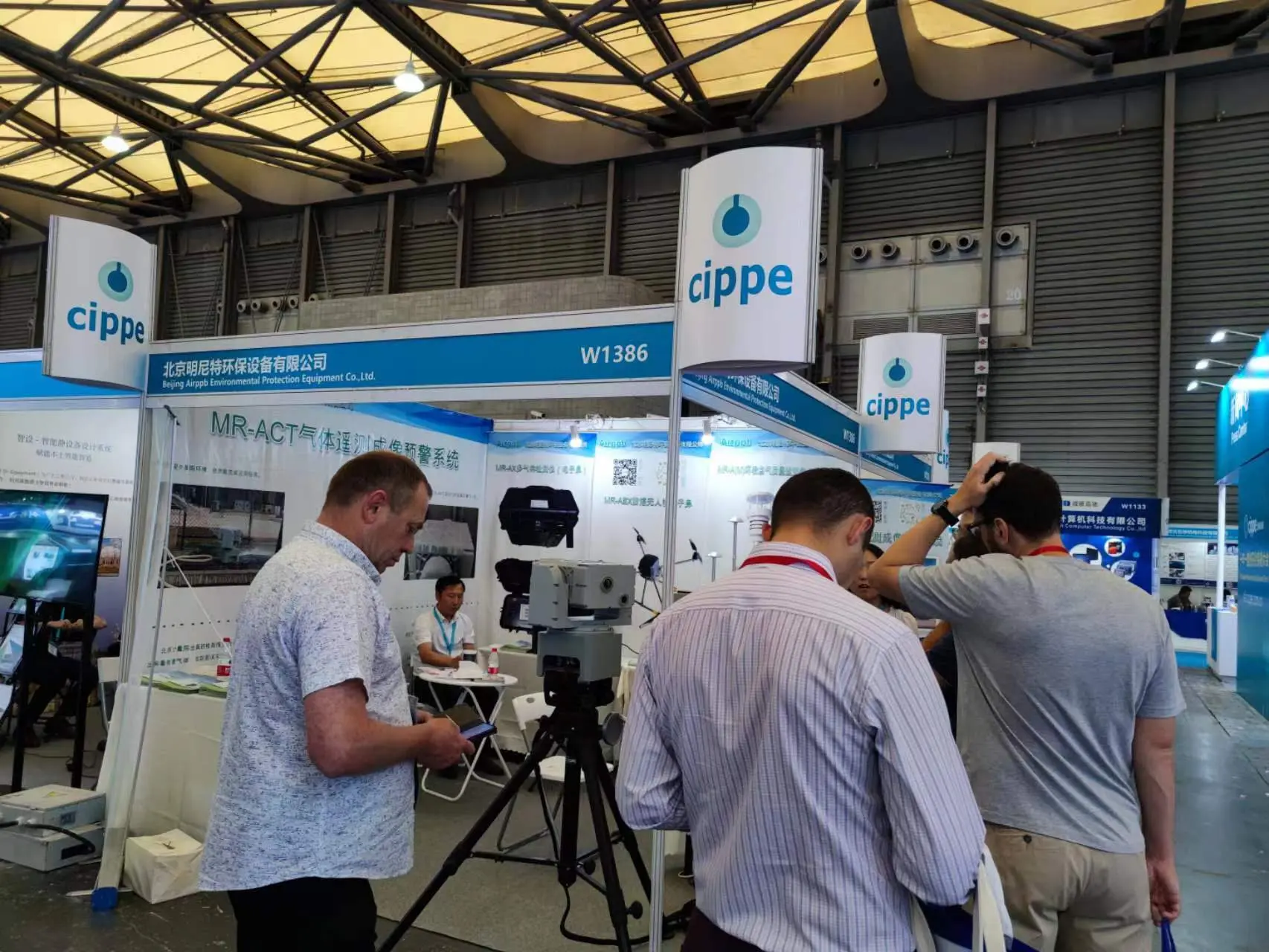
Precision instruments exported and maintained in over 40 countries and regions worldwide.
Trusted globally. Verified by international industrial safety and standard frameworks.
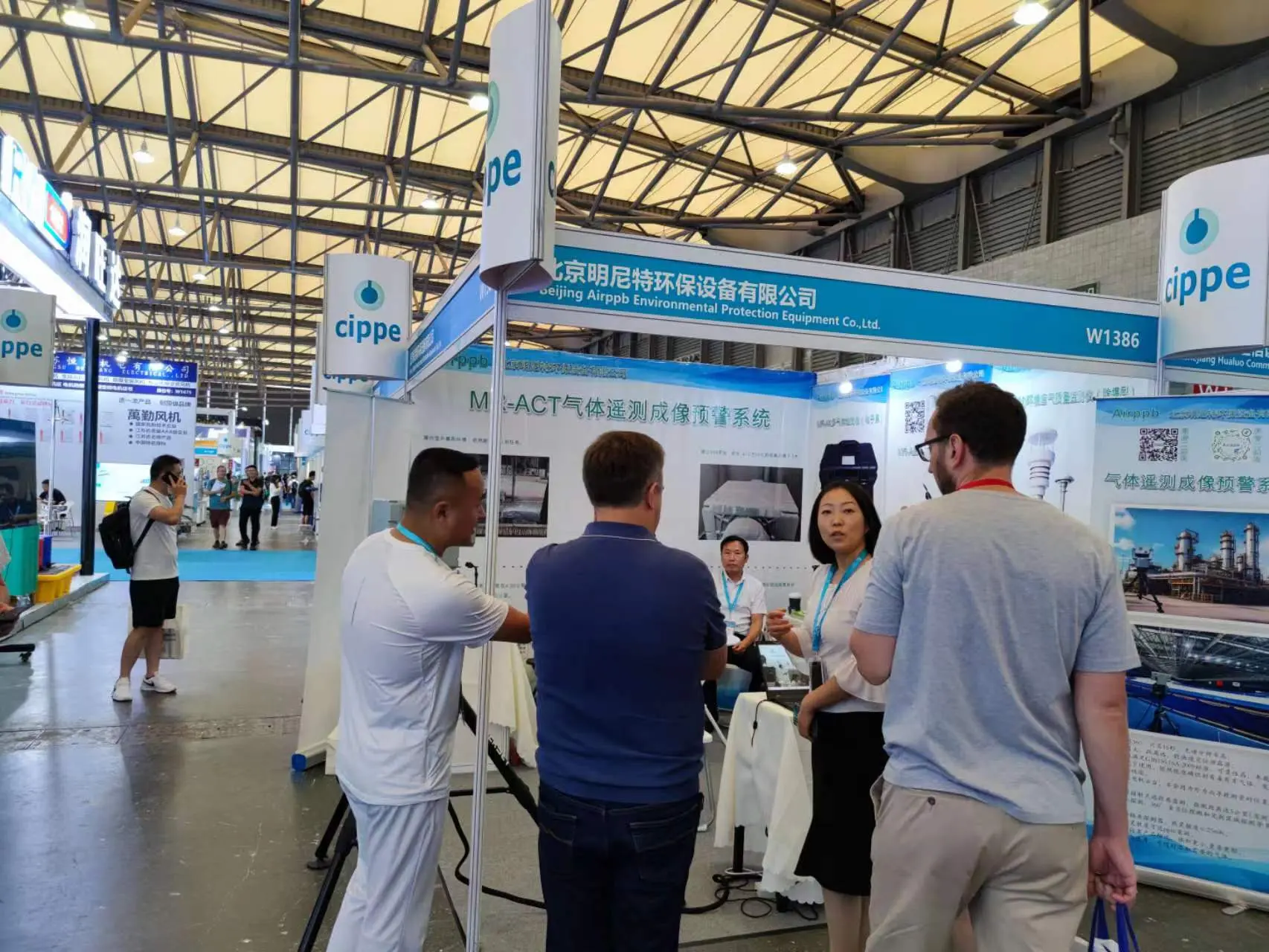
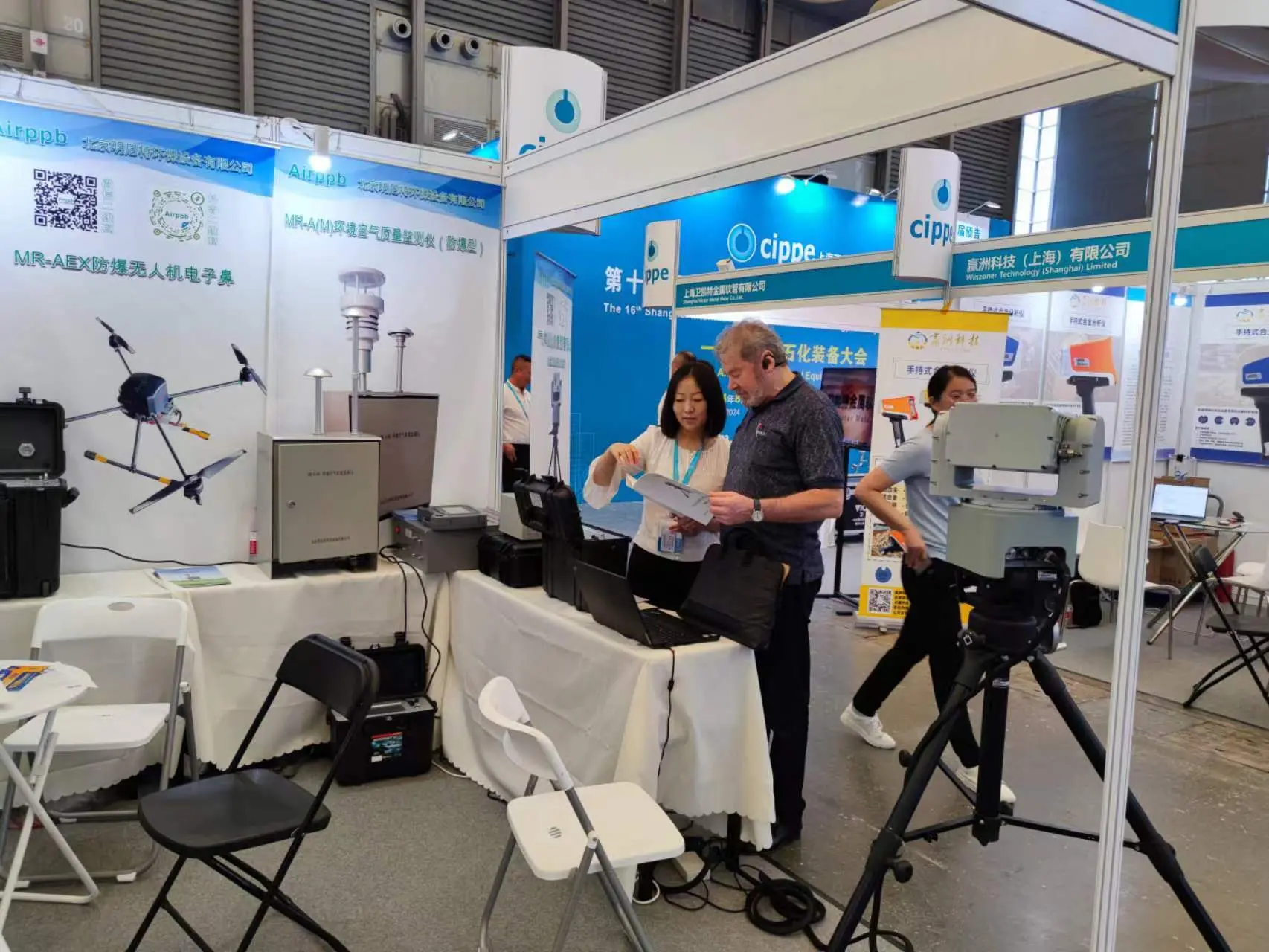

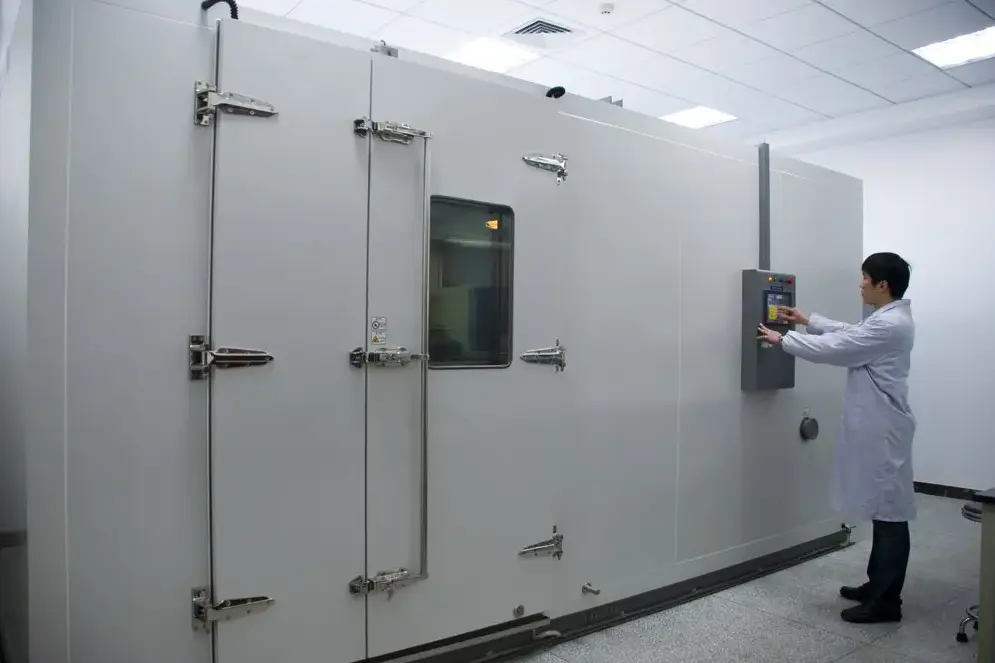
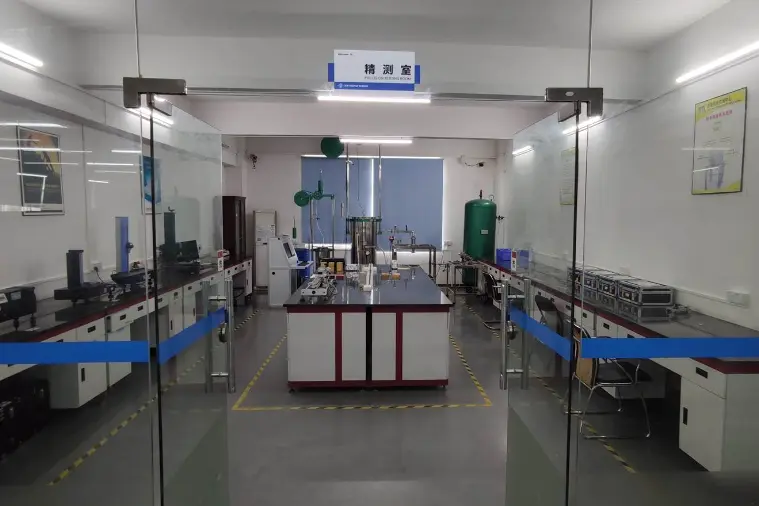
Expert insights on gas detection, local calibration, and environmental standards compliance in Namibia.