 Airppb
Airppb
Airppb
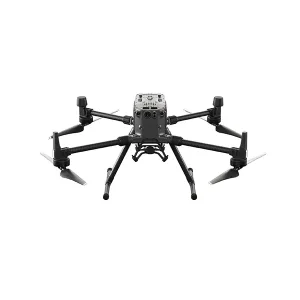
The global industrial landscape is undergoing a paradigm shift in how hazardous gases and asphyxiating agents are monitored. Traditional stationary sensors, while reliable, often leave blind spots in large-scale industrial complexes or during rapid-onset emergencies. This has led to the rise of Drone Telemetry Systems, which integrate high-precision gas sensors with Unmanned Aerial Vehicles (UAVs).
In the current global market, the demand for these systems is driven by the need for "zero-risk" human intervention. Whether it is detecting carbon monoxide, nitrogen, or complex chemical agents, drone-based telemetry allows for real-time, 3D mapping of gas plumes from a safe distance. This technology is no longer a luxury but a critical component of the Industry 4.0 safety protocol, particularly in the chemical, petroleum, and defense sectors.
The global market for environmental drone telemetry is projected to grow significantly as regulations tighten around industrial emissions and worker safety.
UAV systems eliminate the need for personnel to enter "Hot Zones," drastically reducing the risk of exposure to lethal concentrations of asphyxiants.
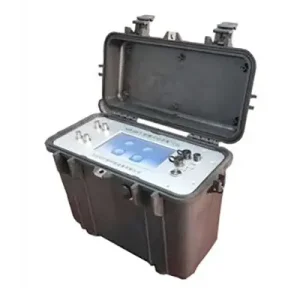
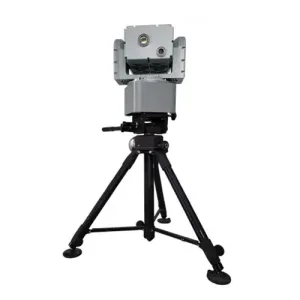
The industry is moving toward Multi-Sensor Fusion. Modern systems like the MR-FAT Fourier Transform Infrared Telemeter are now capable of identifying hundreds of different gas species simultaneously. Key trends include:
The Middle East hosts some of the world's largest refineries. Drone telemetry is vital for monitoring H2S and other asphyxiants across vast pipeline networks and offshore rigs.
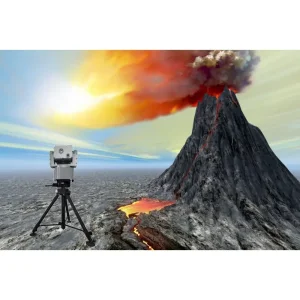
Systems like the MR-ACT Remote Volcanic Gas Monitoring System are essential for regions with tectonic activity, providing early warnings for toxic gas releases.
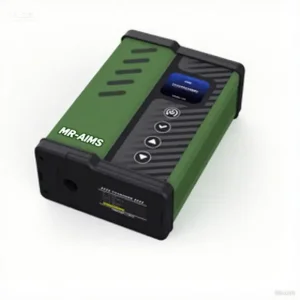
The Middle East presents unique challenges: extreme heat, sandstorms, and high-salinity environments. Our Asphyxiating Agent Drone Telemetry Systems are engineered with ruggedized housing and thermal management to ensure reliability in desert climates. Localized procurement needs often focus on Handheld IMS Chemical Identifiers (MR-AIMS) for rapid field assessment alongside drone-mounted units for aerial oversight.
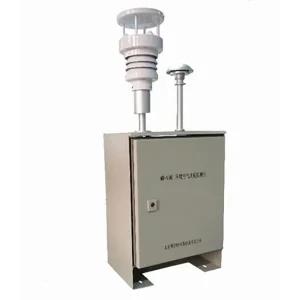
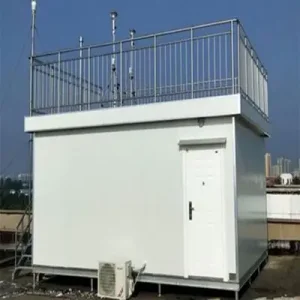
Furthermore, the region's focus on "Smart Cities" and environmental sustainability (such as Saudi Arabia's Vision 2030) has accelerated the adoption of automated air quality stations like the MR-A(S) Automatic Station.
Minnit is a national high-tech enterprise focusing on the research and development and industrialized innovative application of precision gas detection instruments. The company uses technological innovation to realize on-site, automated and intelligent analysis, detection and monitoring, and is committed to becoming the world's leading manufacturer of scientific instruments.
Mastered complete gas analysis technologies: Electrochemistry, PID, and Spectroscopy (FTIR).
From laboratory analysis to portable, online, and drone-integrated mobile solutions.
As a premier Chinese factory, we offer high-performance instruments with unmatched cost-efficiency.
Professional solutions for advanced industry, ecological safety, and emergency response.
When global enterprises evaluate Drone Telemetry System Brands, several key factors determine the ranking:
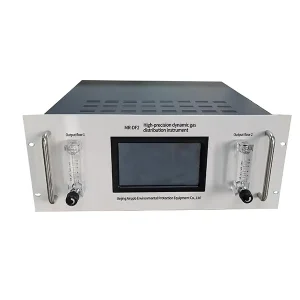
Our MR-DF2 and MR-DF3 series of high-precision dynamic gas distribution instruments ensure that our sensors are calibrated to the highest international standards, making Minnit a top-ranked choice for military and environmental protection agencies worldwide.