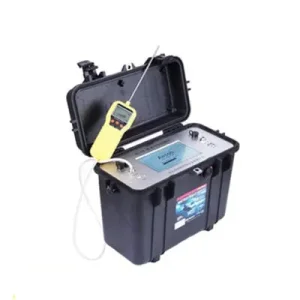
 Airppb
Airppb
Airppb
As a leading Firefighting Biotechnology Manufacturer, Minnit(Airppb) leverages over 15 years of R&D expertise to redefine the safety parameters of hazardous environments. Our approach integrates Semantic Search optimized analytical technology with real-world firefighting requirements. By providing high-fidelity gas detection and imaging, we offer a substantial Information Gain to incident commanders, allowing for data-driven life-saving decisions.
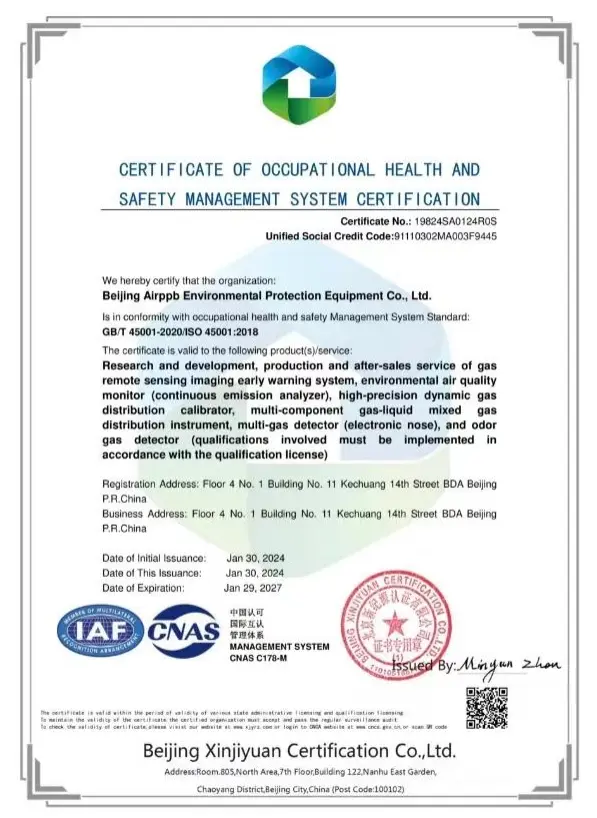
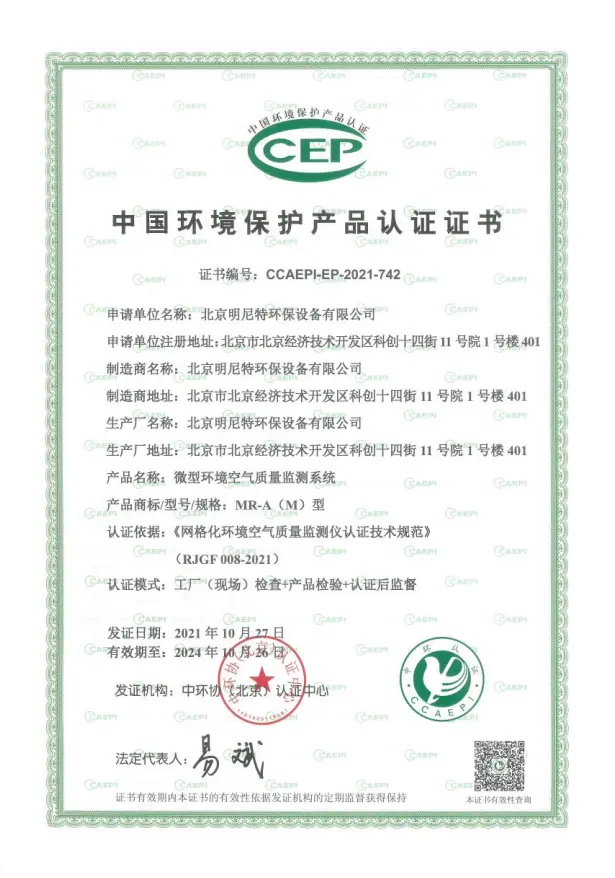
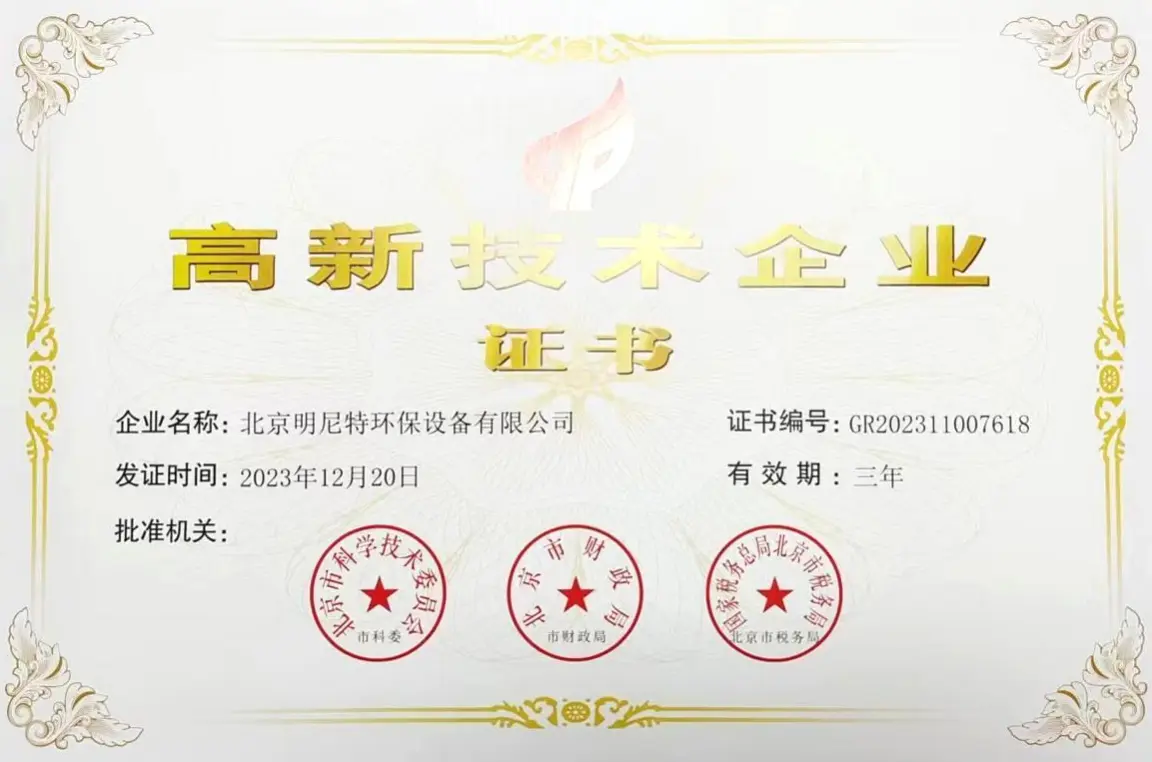
Beijing Airpbb Environmental protection equipment Co., Ltd. is a national high-tech enterprise focusing on the research, development, and industrialized innovative application of precision gas detection instruments. We utilize technological innovation to realize on-site, automated, and intelligent analysis, detection, and monitoring.
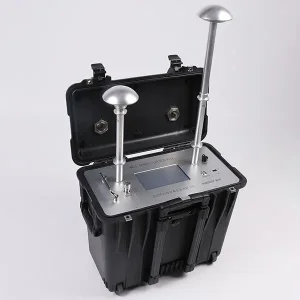
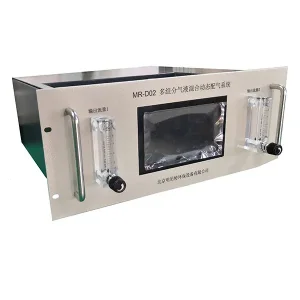
मास्टरिंग gas analysis technologies such as electrochemistry, PID, and spectroscopy, we have developed a series of technologically leading product portfolios including FTIR remote sensing and handheld IMS identifiers. Our goal is to provide global users with comprehensive and professional solutions in the fields of advanced industry and ecological emergency safety.

Modern firefighting is shifting towards biotechnology-derived sensors. These utilize biological molecules—such as enzymes or antibodies—to detect toxic gases at parts-per-billion (ppb) levels, far exceeding the sensitivity of traditional catalytic sensors.
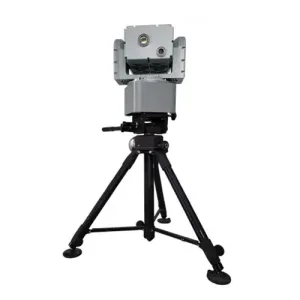
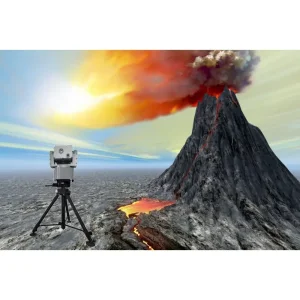
Our Fourier Transform Infrared (FTIR) technology acts as a "biological eye" for chemical threats, identifying unique molecular signatures of hazardous vapors in real-time, providing immediate identification of unknown threats.
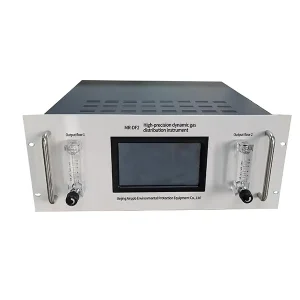
By combining AI with gas chromatography and spectrometry, we provide predictive modeling for fire behavior and toxic plume dispersion, enhancing the safety of first responders.
Global demand for firefighting biotech instruments is surging, driven by urbanization and stringent environmental regulations. We provide localized support to meet these complex needs.
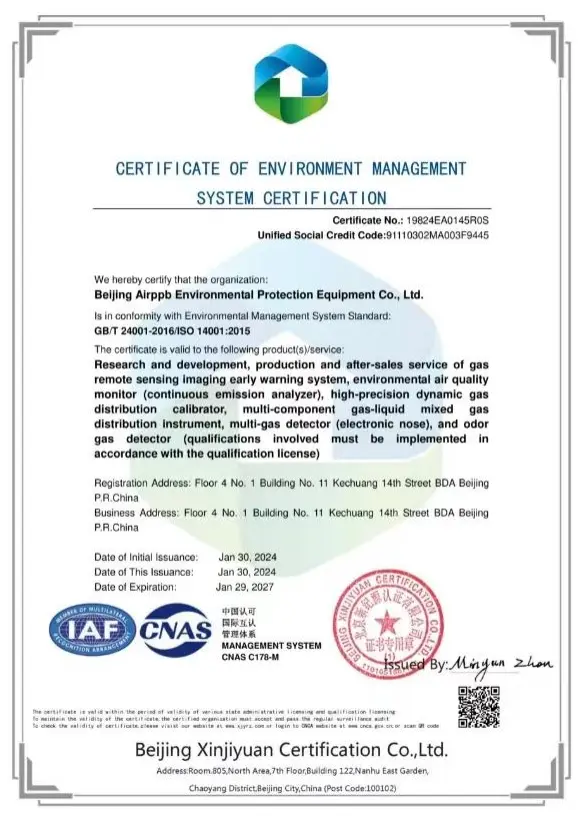
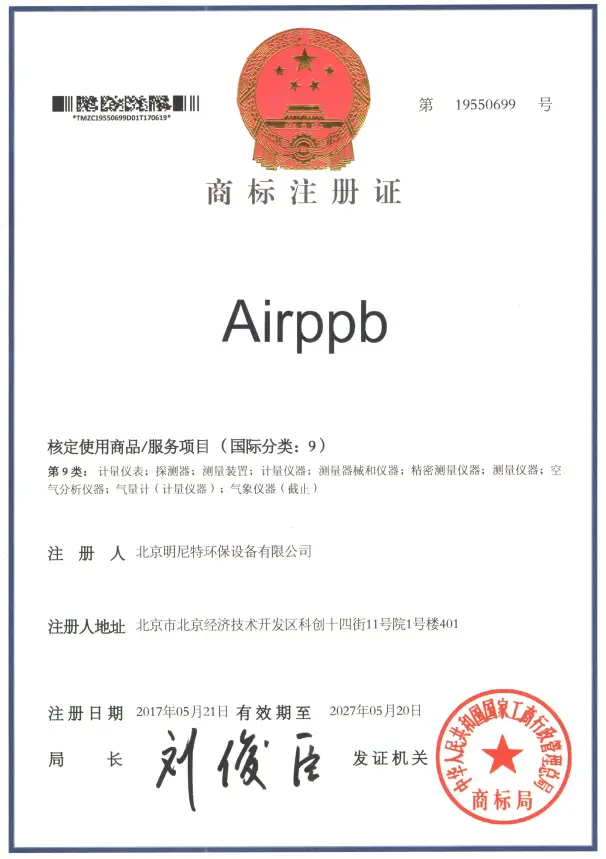
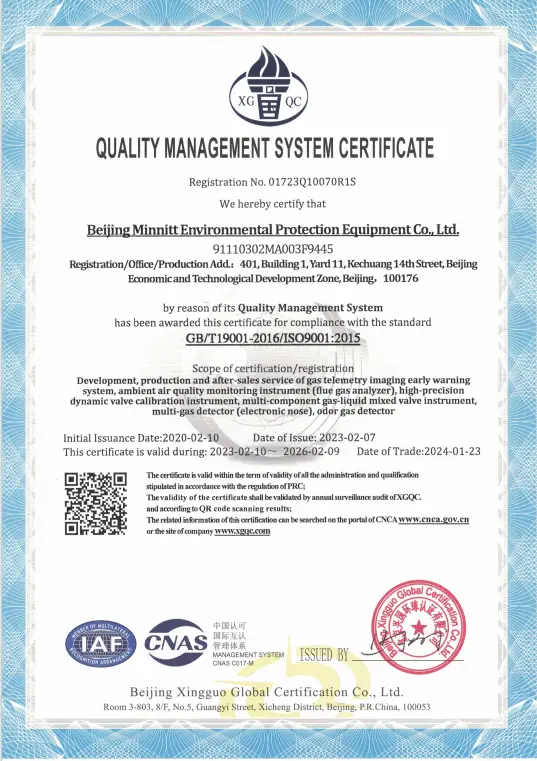
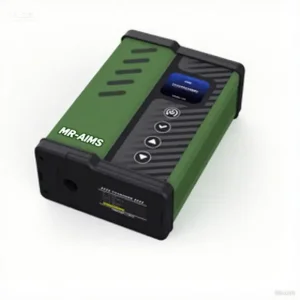
Integrating Ion Mobility Spectrometry (IMS) with AI algorithms to reduce false alarms in complex firefighting scenarios involving mixed chemical vapors.
Introduction of graphene-based biosensors for wearable firefighter gear, providing real-time toxicological exposure data directly to HUD displays.
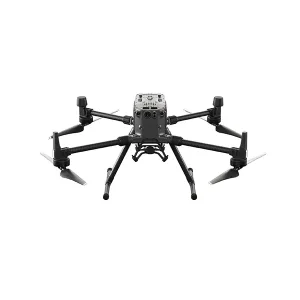
Swarm-drone fleets equipped with FTIR imaging systems for wide-area chemical mapping during large-scale industrial disasters.
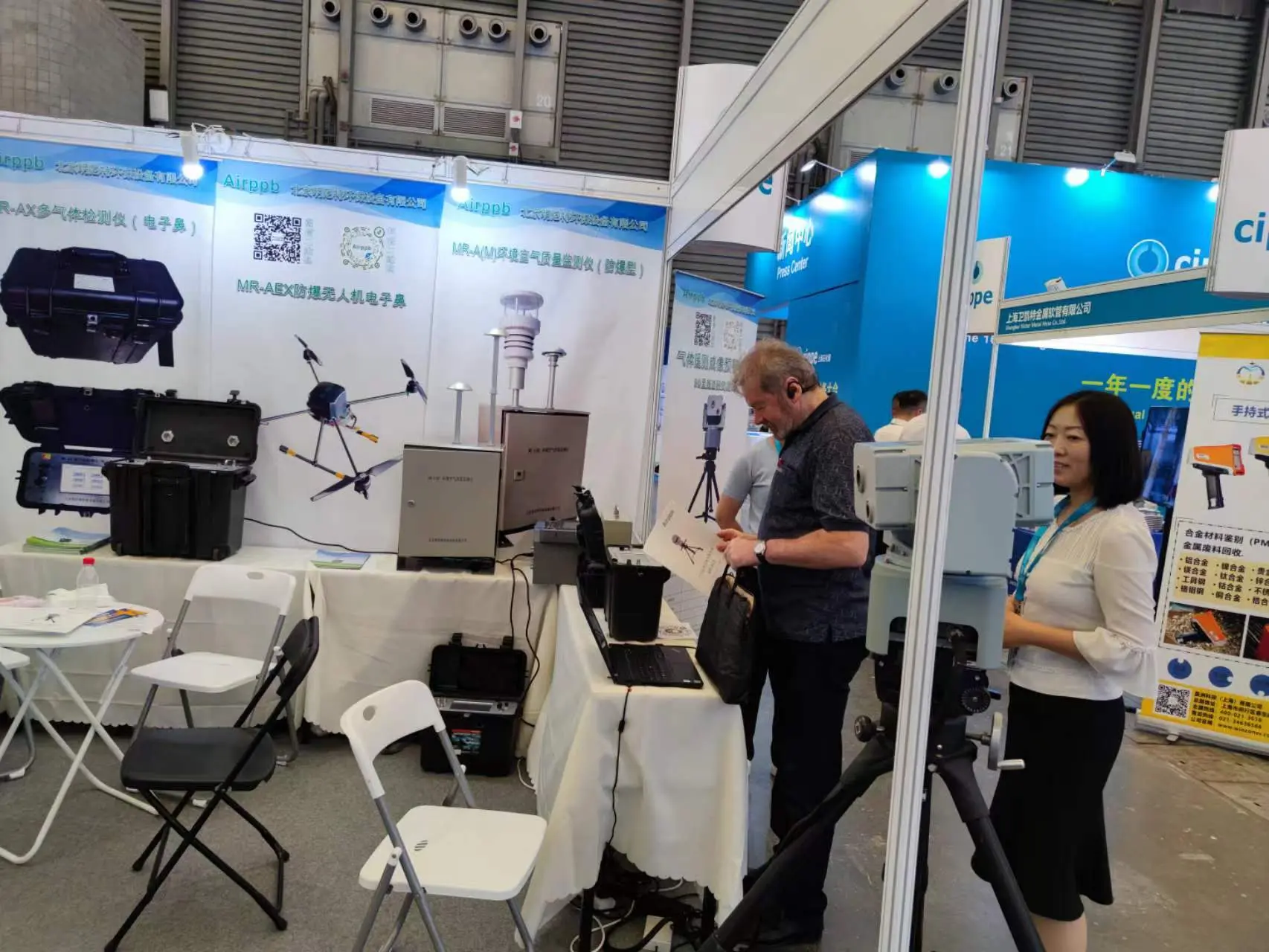
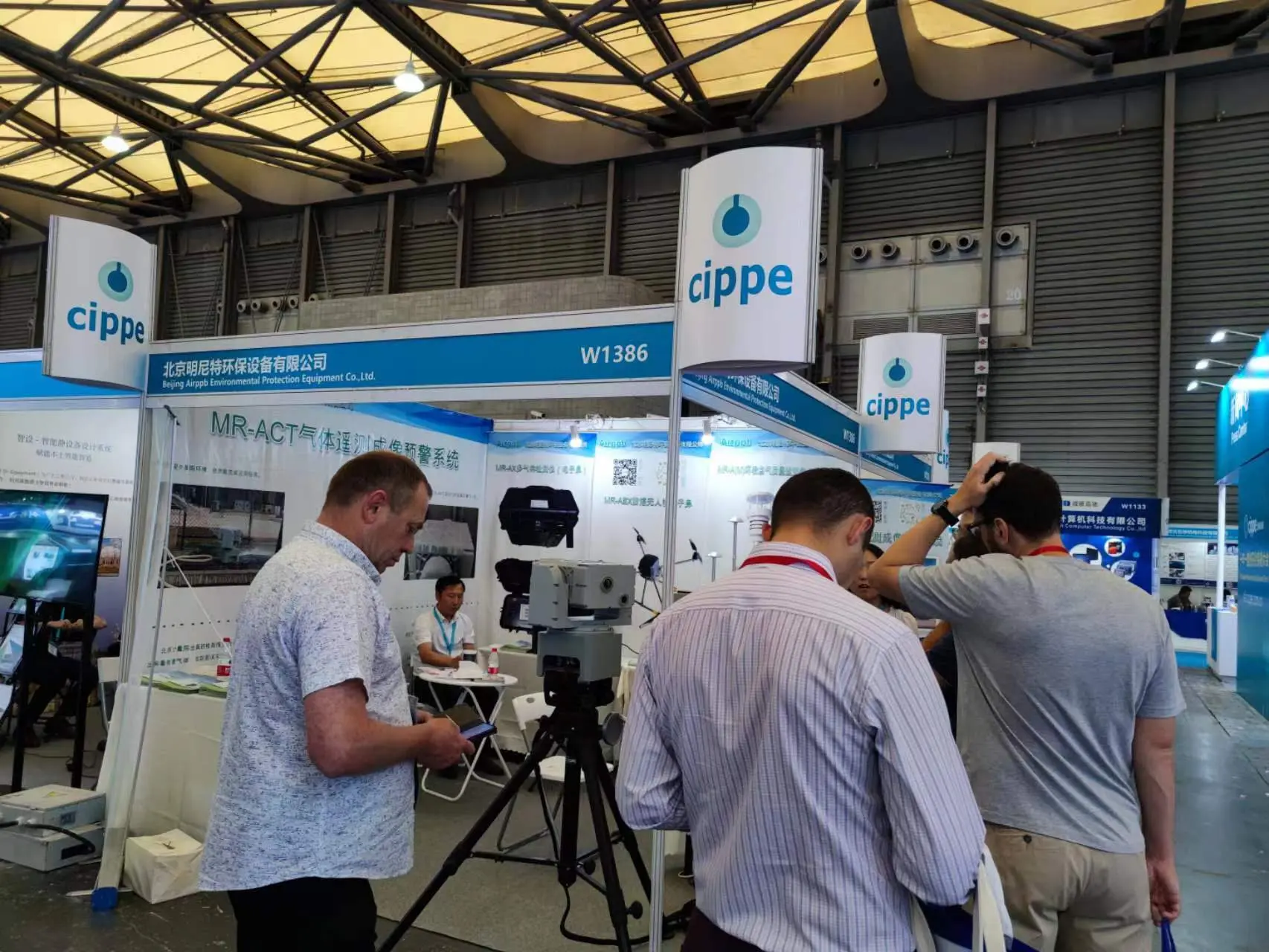
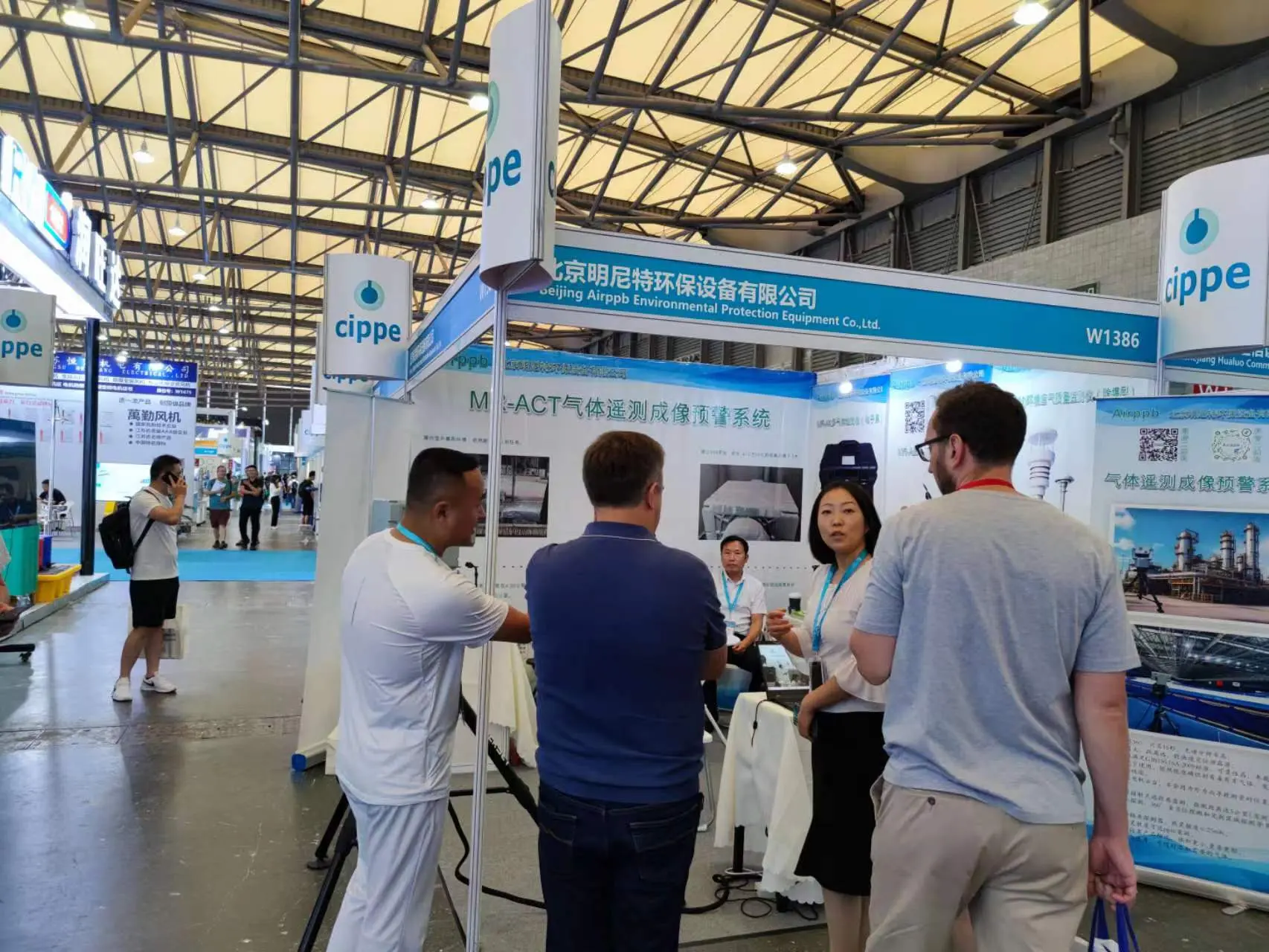
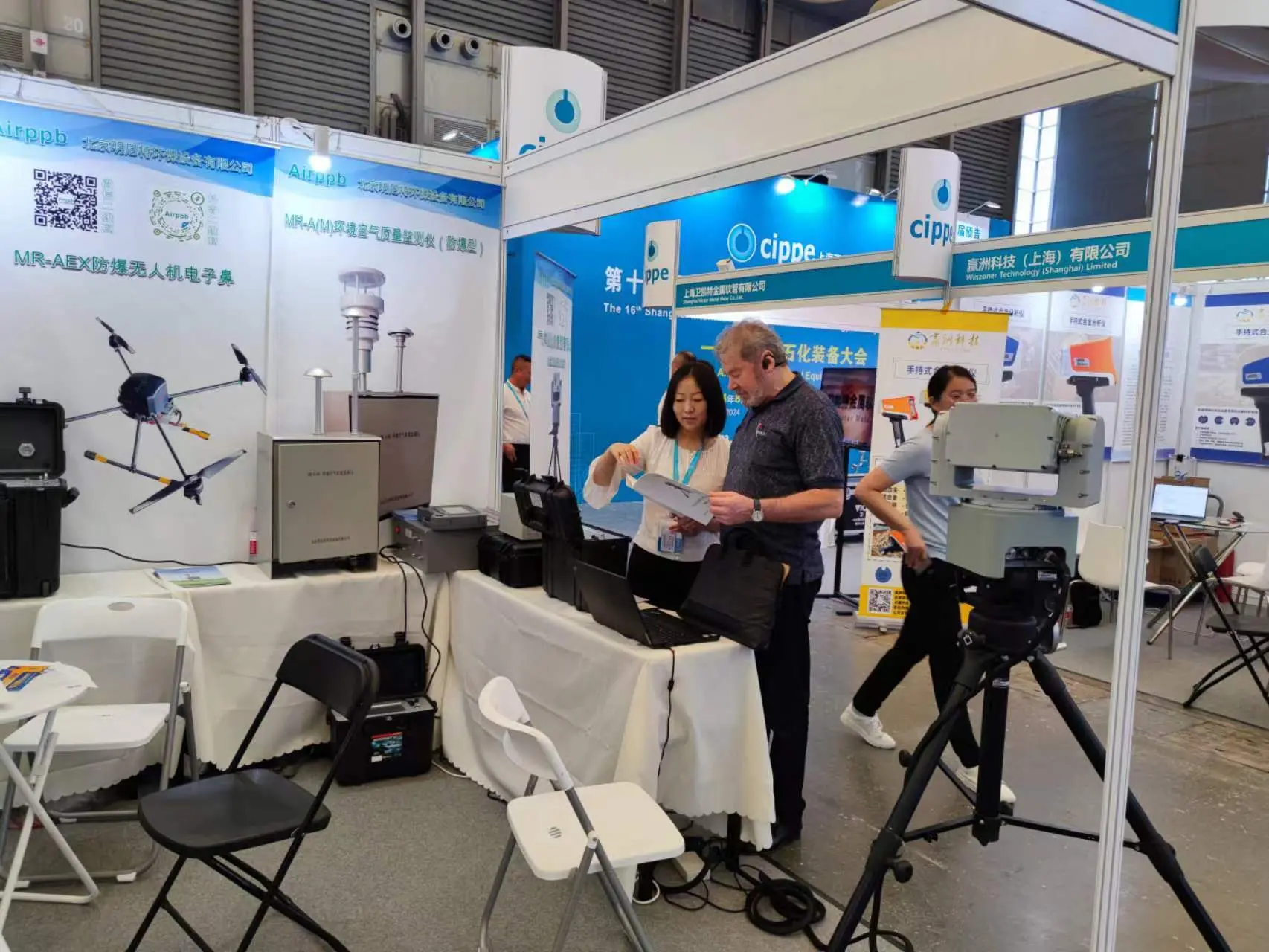
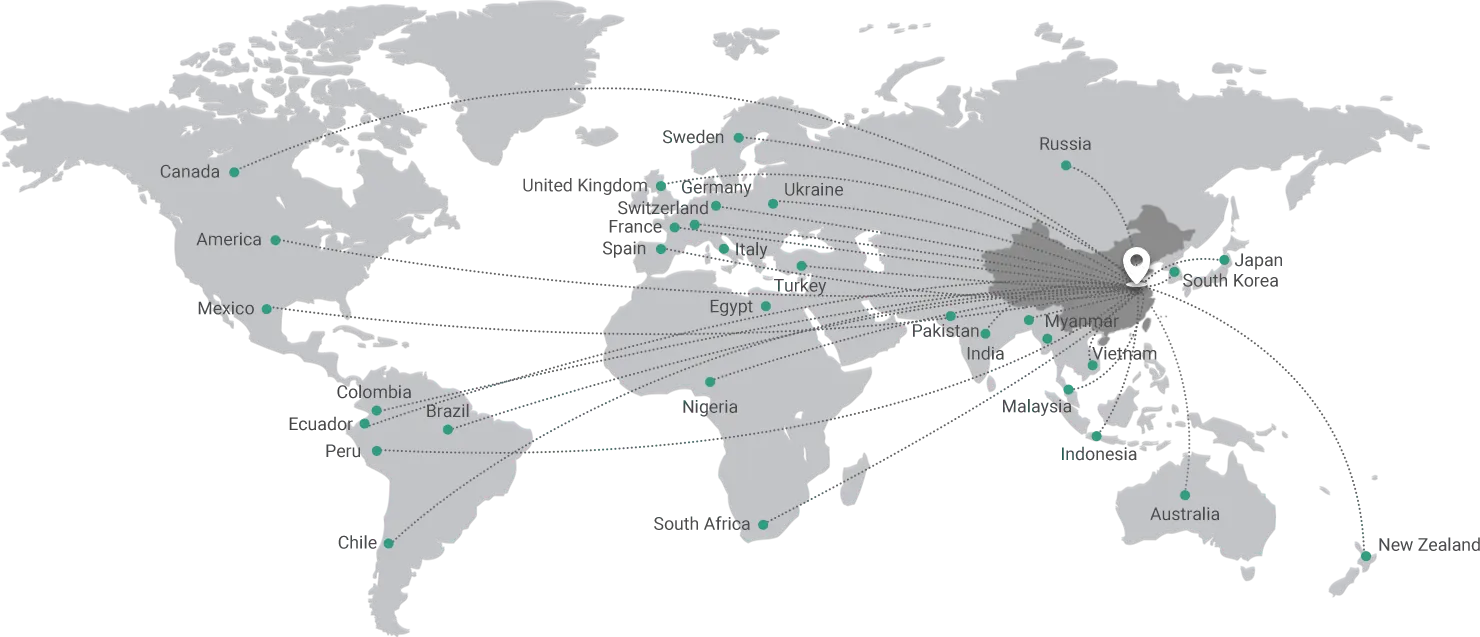
Exported to over 40 countries, ensuring safety across continents.