 Airppb
Airppb
Airppb
Rapid response field instruments designed to monitor, identify, and quantify gaseous chemical agents, volatile organic compounds, and environmental hazards in real-time.
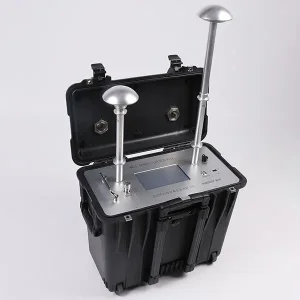
A comprehensive white paper on state-of-the-art toxic chemical monitoring, gaseous compound telemetry, and metrological calibration during hazardous incidents.
In modern industrial and urban ecosystems, accidental release of volatile organic compounds (VOCs), hazardous materials (HAZMAT), and chemical, biological, radiological, or nuclear (CBRN) hazards present severe risks. Rapid emergency contamination assessment is crucial for minimizing casualties and environmental degradation. Traditional analytical laboratory workflows, which require sample collection, transport, and off-site gas chromatography-mass spectrometry (GC-MS), cannot match the immediate temporal and spatial demands of disaster response. Consequently, the focus of emergency planning has shifted toward on-site telemetry, mobile air stations, and portable spectroscopic identifiers that can map contamination zones immediately.
This document details the engineering specifications, technology roadmaps, and global compliance models that underpin Minnit(Airppb) and Beijing Airpbb’s analytical instrument suites. Integrating electrochemical arrays, photoionization detectors (PIDs), and remote-sensing Fourier Transform Infrared (FTIR) telemeters allows modern response forces to monitor atmospheric profiles from miles away, ensuring personnel safety and rapid public warning systems.
Deploying specialized handheld Ion Mobility Spectrometry (IMS) systems to identify trace chemical warfare agents (CWAs) and toxic industrial chemicals (TICs) within seconds under battlefield conditions.
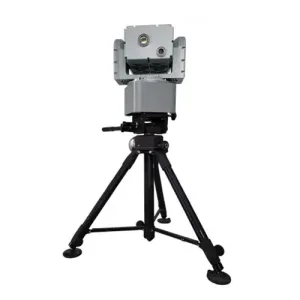
Passive infrared imaging and scanning FTIR instruments analyze molecular absorption lines of toxic gas plumes from a distance of up to several kilometers, generating real-time spatial concentration matrices.
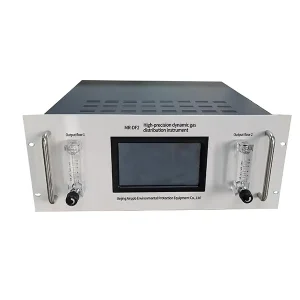
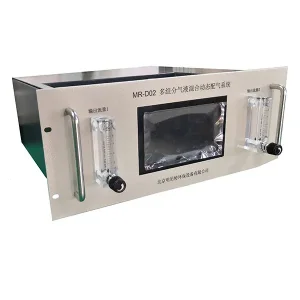
On-site calibration accuracy is guaranteed through portable dynamic gas distribution systems that dilute highly concentrated gases down to ppb levels, ensuring sensor reliability.
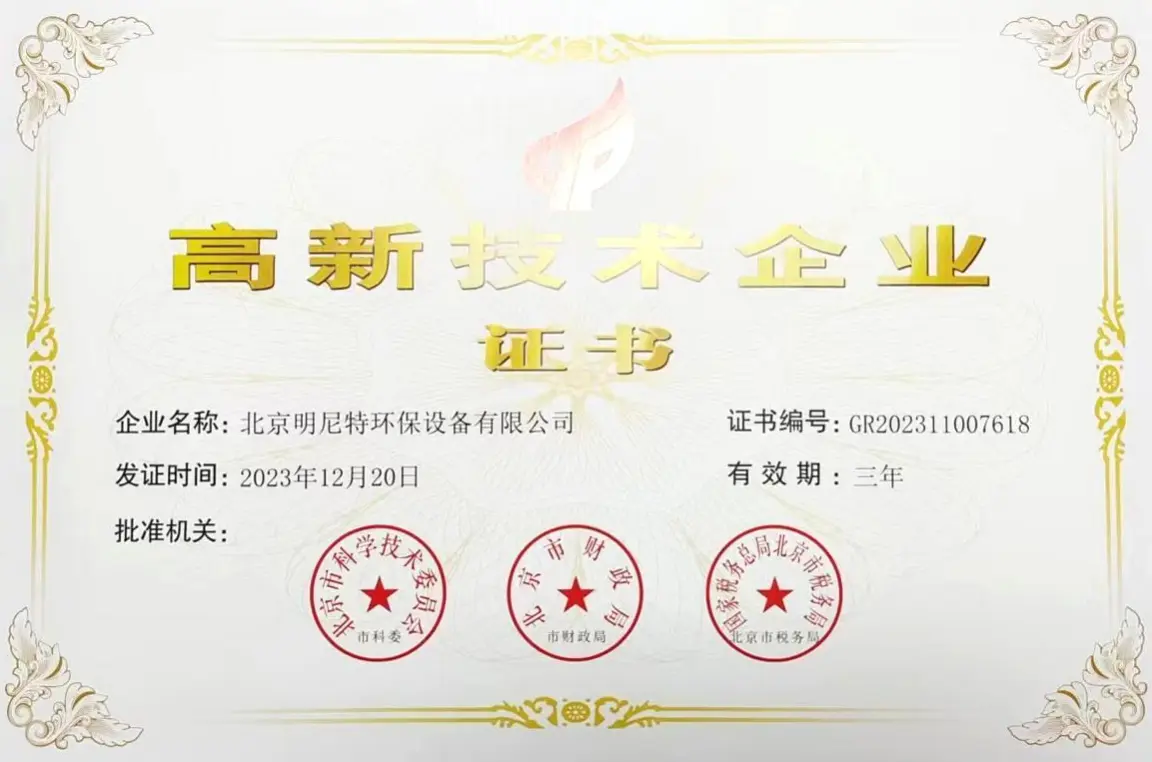
Established in 2012, Beijing Airpbb Environmental Protection Equipment Co., Ltd. (and our prominent scientific instrument division Minnit(Airppb)) is a national high-tech enterprise focusing on the research, development, and industrialized innovative application of precision gas detection instruments. We master electrochemical, photoionization detection (PID), Ion Mobility Spectrometry (IMS), and Fourier Transform Infrared Spectroscopy (FTIR) technologies.
By utilizing industrial IoT technology and advanced spectral sensor fusion, we enable automated, on-site, and intelligent analysis. Our extensive product portfolio covers laboratory analysis, portable on-site instrumentation, online micro-air monitoring stations, and remote sensing telemetry platforms, providing global users in high-risk industrial safety, ecological defense, and municipal response with comprehensive analytical solutions.

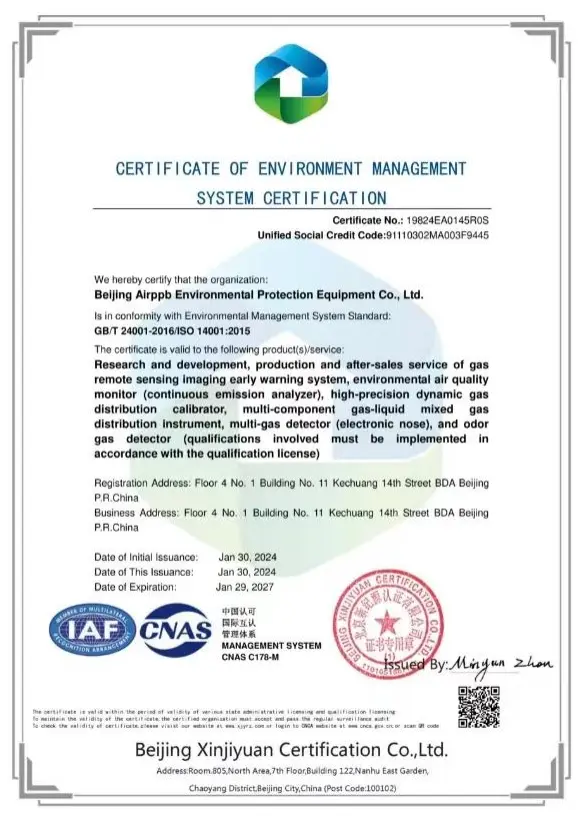
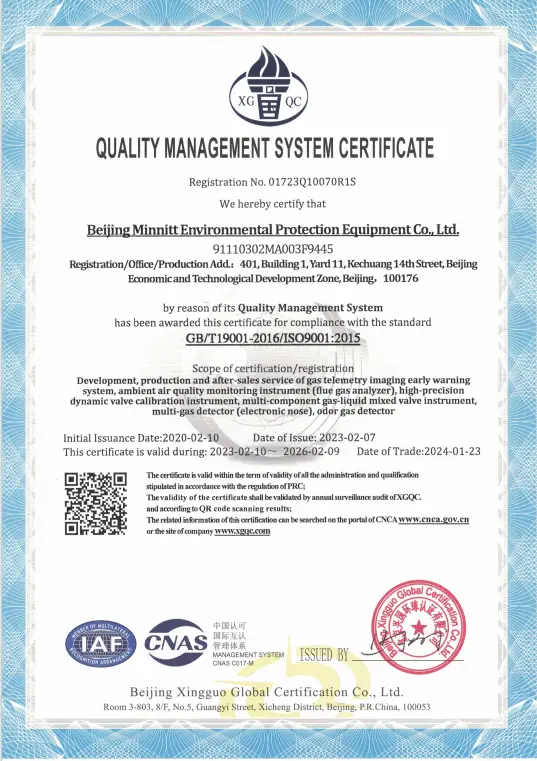
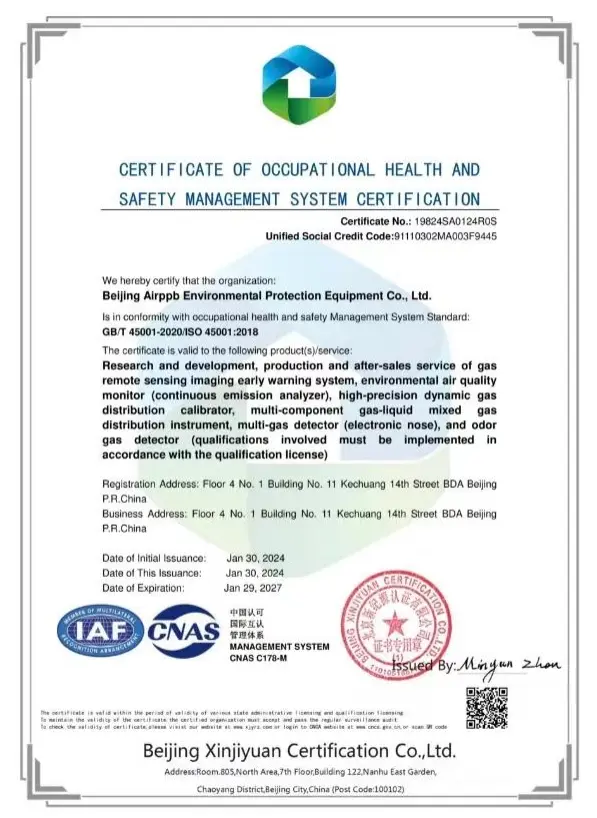
We operate in strict accordance with global manufacturing frameworks. Our facilities are fully certified to:
Integrating artificial intelligence, passive multi-spectral optics, and sub-ppb hardware capabilities to define the next generation of hazard warning networks.
Modern contingency response plans depend on predictive algorithms. Next-generation systems integrate meteorological models with real-time sensor metrics to automatically forecast downstream hazard plumes and establish dynamic evacuation corridors.
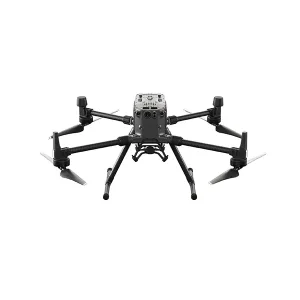
By miniaturizing Fourier Transform Infrared spectrometers, we are designing sensor arrays payload-ready for UAV (unmanned aerial vehicle) deployment. This allows immediate close-quarters scan profiles of leaking stacks or remote volcanic eruptions.
Through silicon-photonics and MEMS technology, our roadmap includes bringing the precision of laboratory FTIR spectral analysis to palm-sized portable gas analyzers, reducing size and weight by 75%.
Engineered contamination assessment platforms specialized for high-consequence industries requiring rigorous compliance and physical robustness.
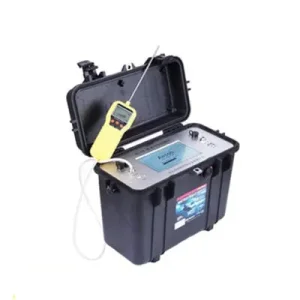
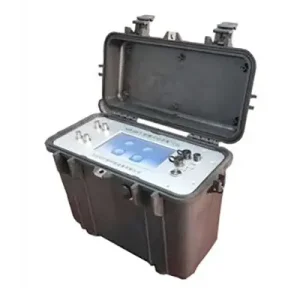
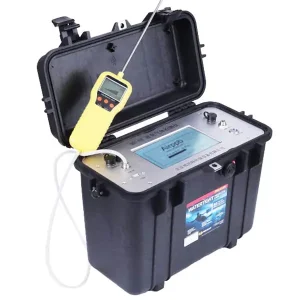
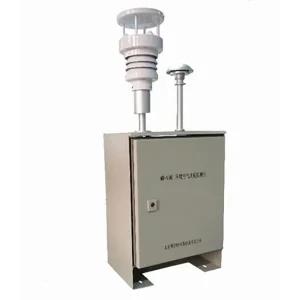
Refineries and cracking facilities generate localized fugitive emissions, VOC leaks, and toxic gas clouds. Our portable MR-A monitors and micro air stations track toxic levels at process boundaries, mitigating exposure risk.
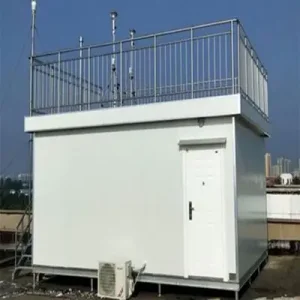
During structure or chemical fires, firefighters face unknown toxic profiles. The MR-A(S) automatic station provides incident commanders with continuous gas profiling data to ensure personnel respiratory protection.
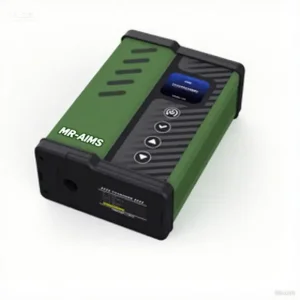
Combat and border control forces require immediate chemical identifier technologies. Handheld systems built with high-speed IMS and electrochemical components detect CWAs and hazardous agents at the point of impact.
Volcanic plumes containing SO2, H2S, HF, and CO2 present extreme environmental and sensor degradation challenges. Our remote MR-ACT volcanic systems stand up to highly acidic environments for continuous telemetry.
One-stop solution launched! For your needs, we carefully design with ingenuity to ensure that every link is accurate and efficient. Make complex problems simple and multiply your work efficiency.
We work directly with environmental monitoring agencies and defense contractors to design, configure, and brand tailored gas detection instrumentation.

R&D accounts for 60% of our entire company. Our engineers hold advanced degrees in optical physics, chemical analysis, and hardware engineering.

We are fully accountable for instrument accuracy and offer technical support, recalibration protocols, and spare parts availability.

Our sales personnel are trained to analyze customer application scenarios and provide optimized instrumentation configurations.

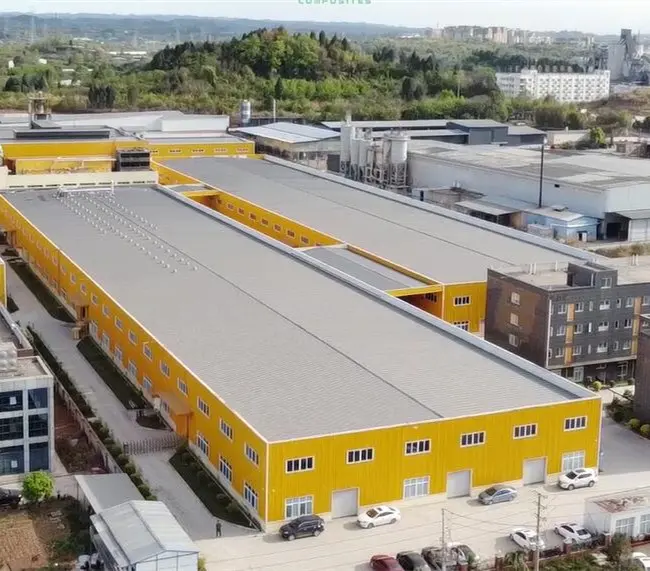
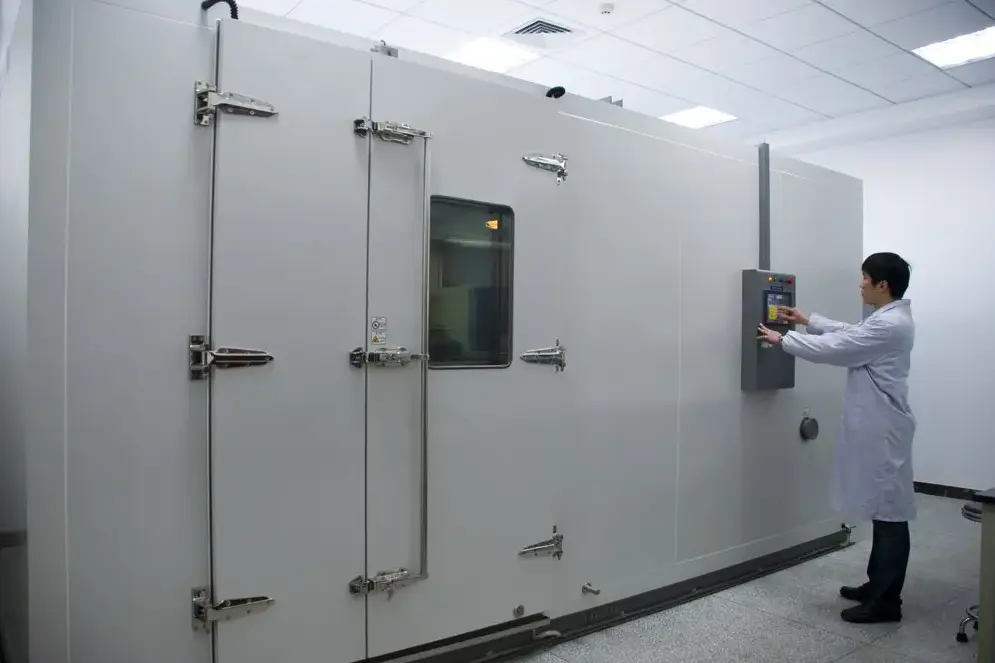
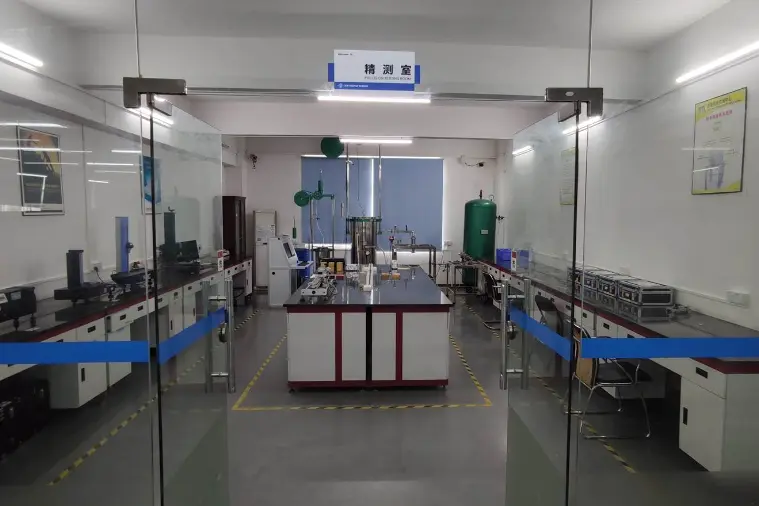
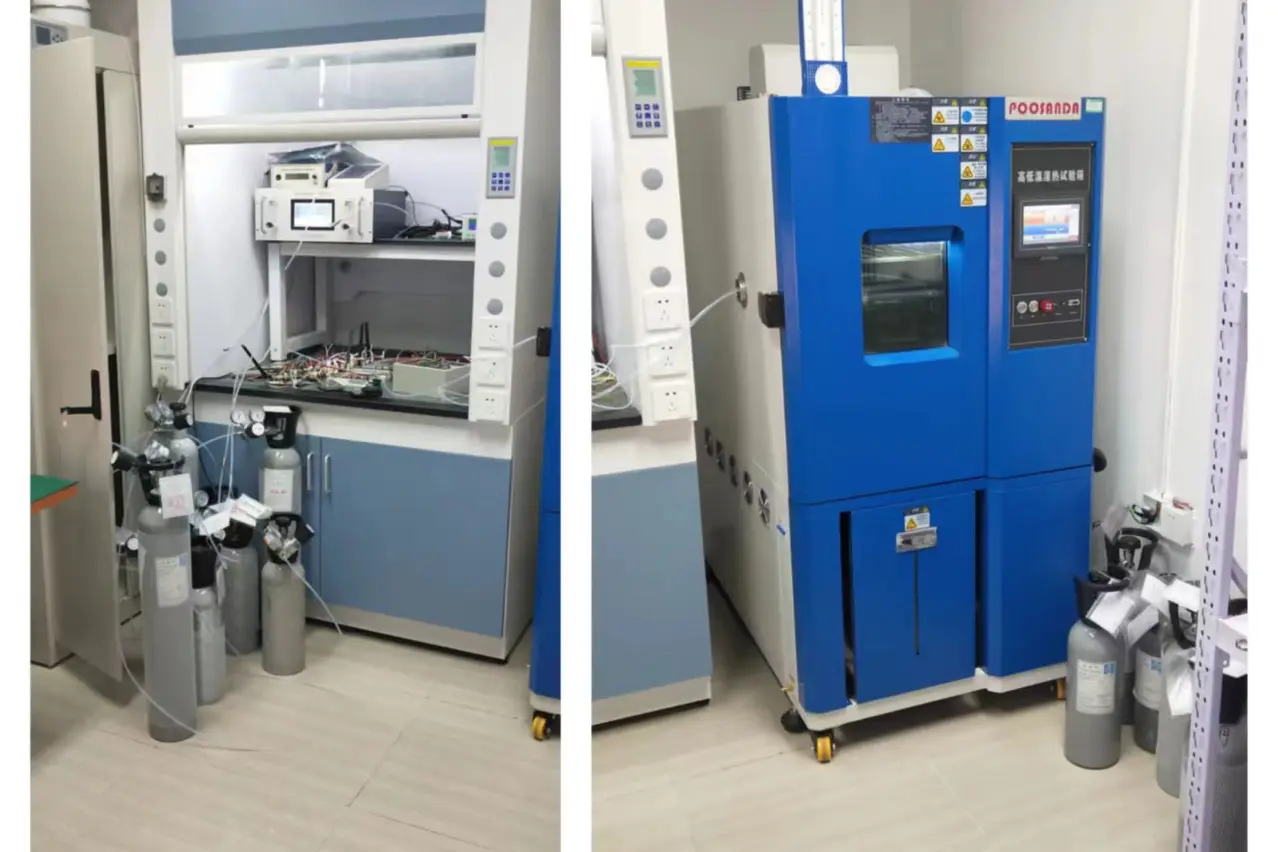
The production of analytical-grade scientific instruments requires extremely stable assembly conditions and highly precise gas calibration standards. Our China Factory 4.0 integrates automatic mass flow controllers, dynamic dilution modules (utilizing our proprietary MR-DF2 and MR-DF3 platforms), and computerized ambient test chambers to verify sensor performance across a wide temperature and humidity envelope.
By locating our manufacturing facility within China’s major electronic and industrial cluster, we achieve unmatched supply chain resilience. Essential components such as optical cells, mirrors, detectors, and microcontrollers are dual-sourced to protect against global logistics disruptions. This localized supply chain model allows us to expedite customized configurations and deliver large-scale emergency telemetry packages faster than traditional Western instrumentation suppliers.
Our analytical instruments and emergency warning stations have been successfully deployed in over 40 countries and regions across Asia, Europe, the Middle East, and the Americas.
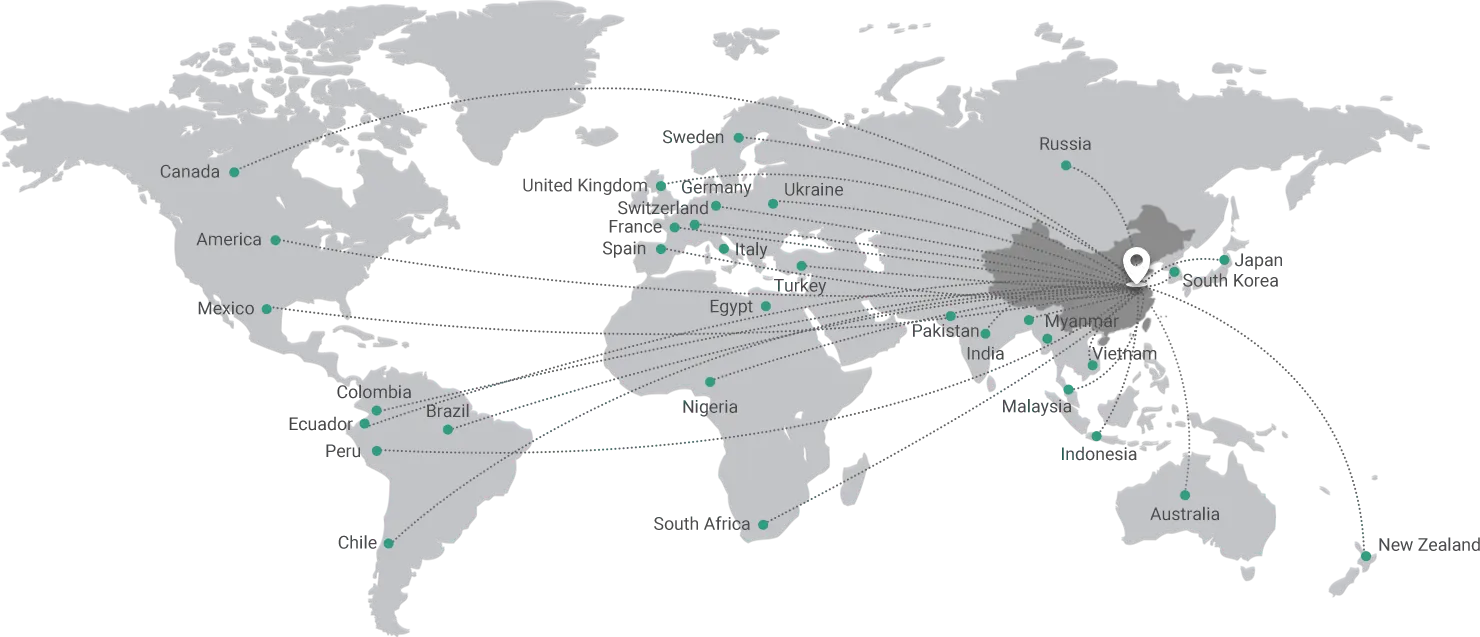
Through close partnerships with regional distributors, system integrators, and service centers, we provide comprehensive localized support. Our services include field commissioning, maintenance training, and local metrology compliance support to verify certifications. This helps minimize downtime for critical safety networks.
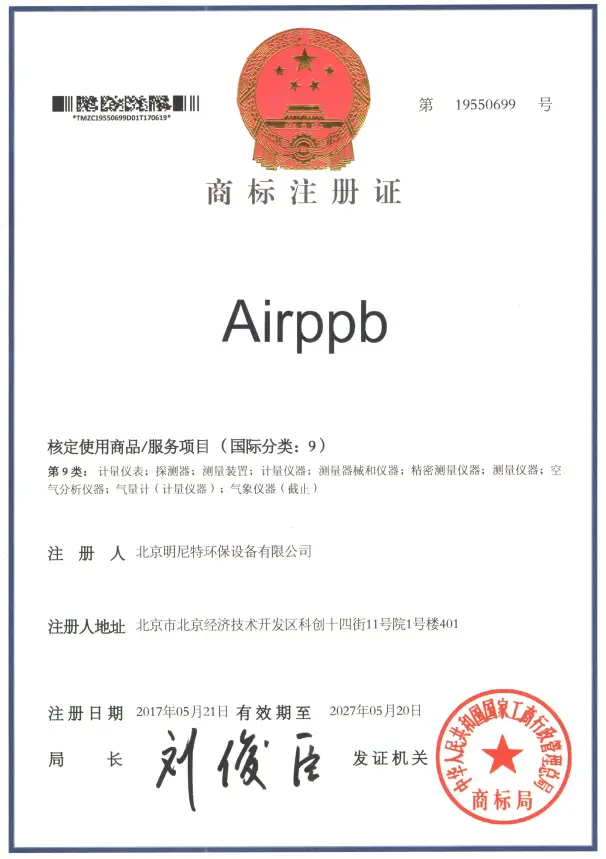
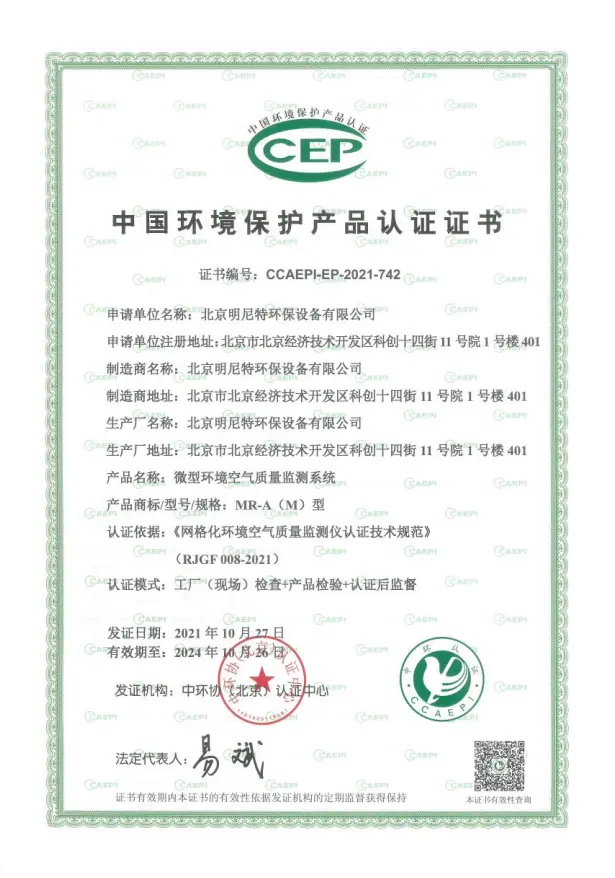
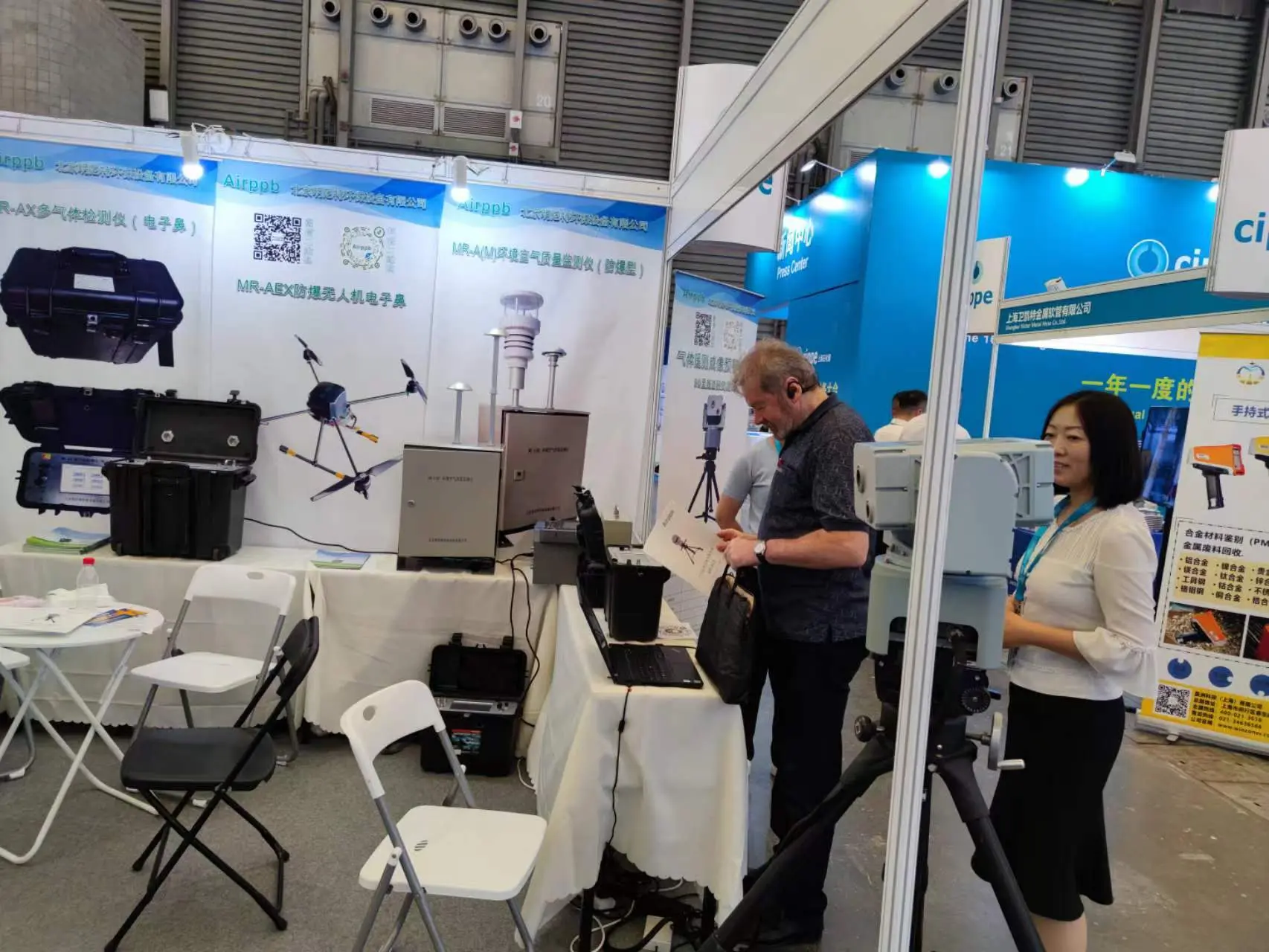
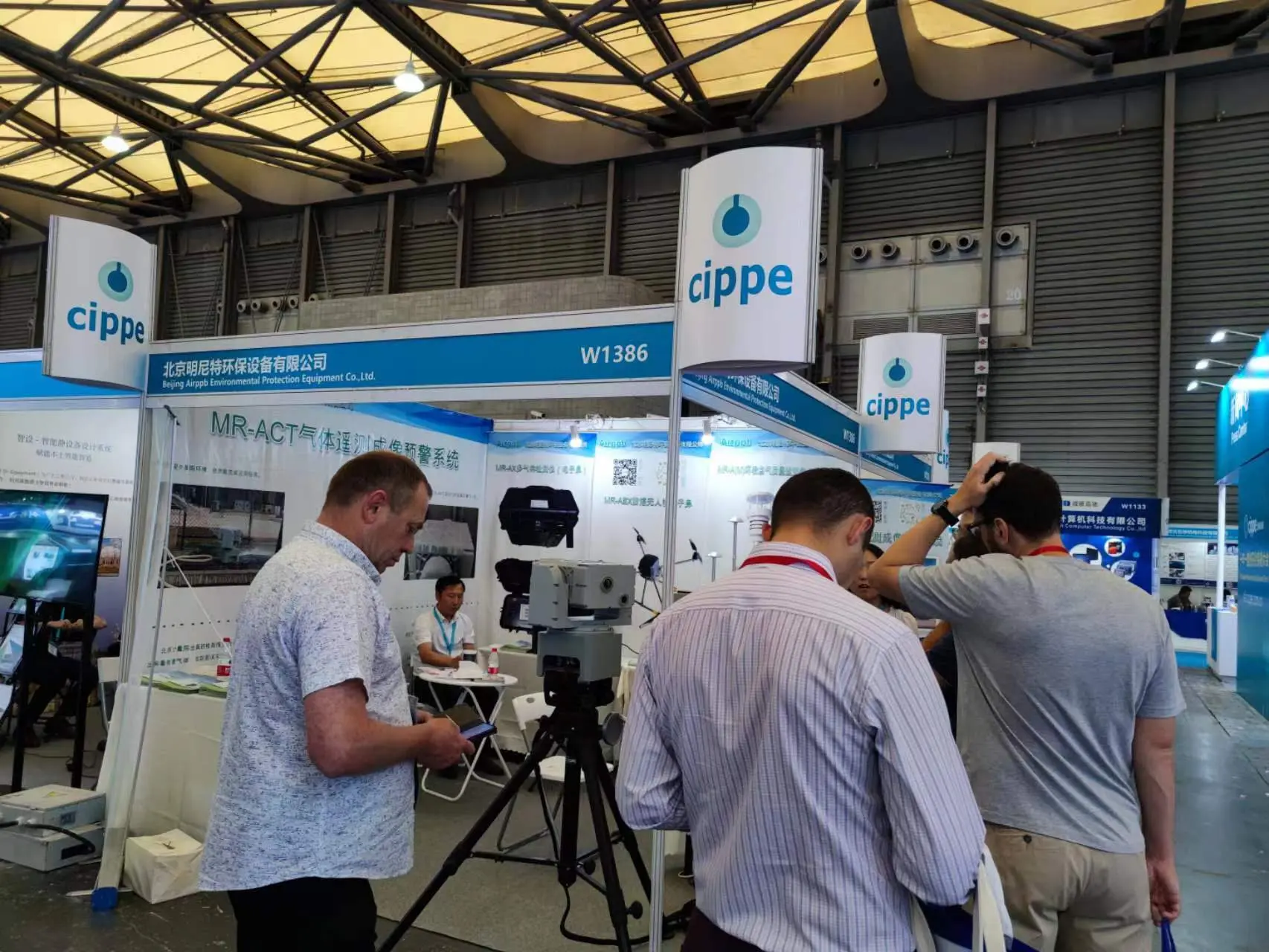
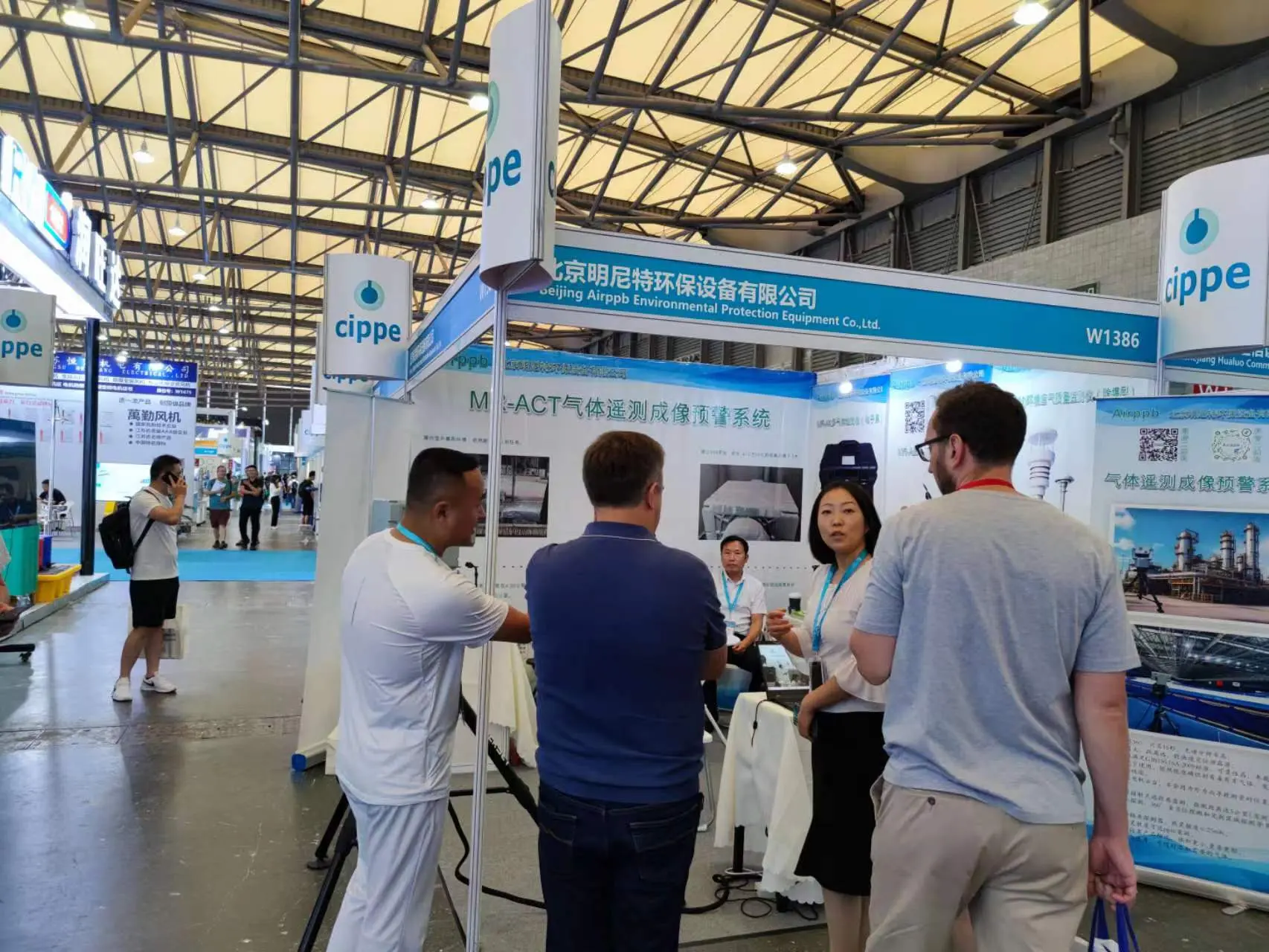
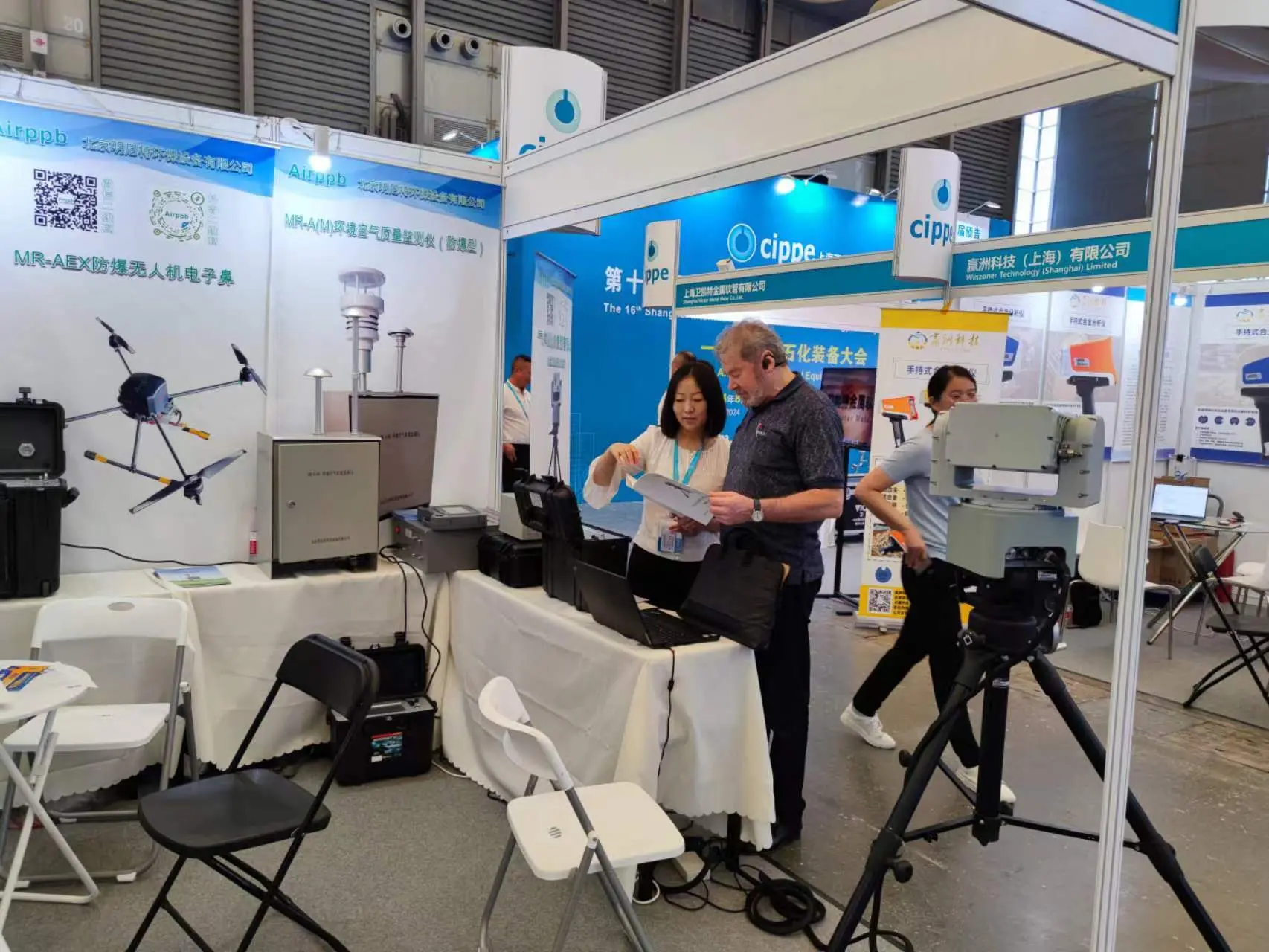
Verifiable ISO certifications and snapshots from international safety, defense, and environmental exhibitions.

Key technical and procurement insights regarding emergency contamination assessment systems.
Complete product range including specialized gas-liquid mixers, volcanic monitors, and telemetry imaging units for advanced warning networks.