 Airppb
Airppb
Airppb
Advanced diagnostic instrumentation supporting regional and global ecological compliance targets
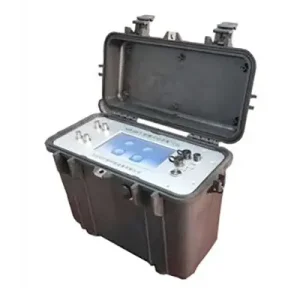
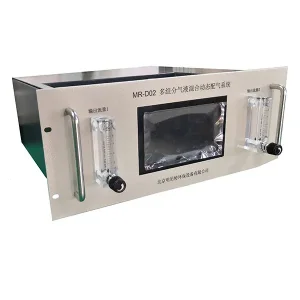
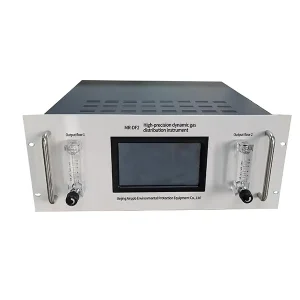
The Middle East is undergoing an unprecedented paradigm shift. Historically defined by its hydrocarbon abundance, the region is actively executing ambitious national frameworks like Saudi Vision 2030 and the UAE Net Zero 2050 strategic initiative. Energy efficiency is no longer simply about conserving electricity; it is a critical strategy to enhance industrial yield, reduce Scope 1 and Scope 2 emissions, and build resilient smart cities.
In heavy industries—such as petroleum refining, petrochemical processing, and metallurgy—energy efficiency is directly tied to the precise monitoring of gas and environmental factors. Uncontrolled fugitive emissions, poor combustion ratios, and volatile gas leaks represent significant energy and product losses. By deploying real-time Fourier Transform Infrared (FTIR) remote sensing and high-precision gas distribution networks, operators can identify chemical anomalies before they turn into resource losses.
"Integrating dynamic gas monitoring into industrial energy management systems allows refineries to curb fugitive VOC emissions, achieving up to 12% enhancement in operational thermal efficiency."

What global procurement teams look for when sourcing advanced gas detection and calibration assets
Modern procurement officers prioritize systems that monitor multiple gas compounds simultaneously (VOCs, sulfur compounds, methane, COx) without requiring separate sensor platforms. This reduces integration friction and lowers the total cost of ownership (TCO).
Middle Eastern deployments require hardware capable of operating in ambient temperatures exceeding 50°C, combined with high relative humidity and dust storms. Dynamic thermal regulation and IP66/67 ratings are essential qualifiers.
For environmental compliance audits (CPA, CCEP), instruments must be calibrated regularly using automated, high-precision gas mixers and distribution instruments. Without traceably calibrated systems, data integrity is compromised.
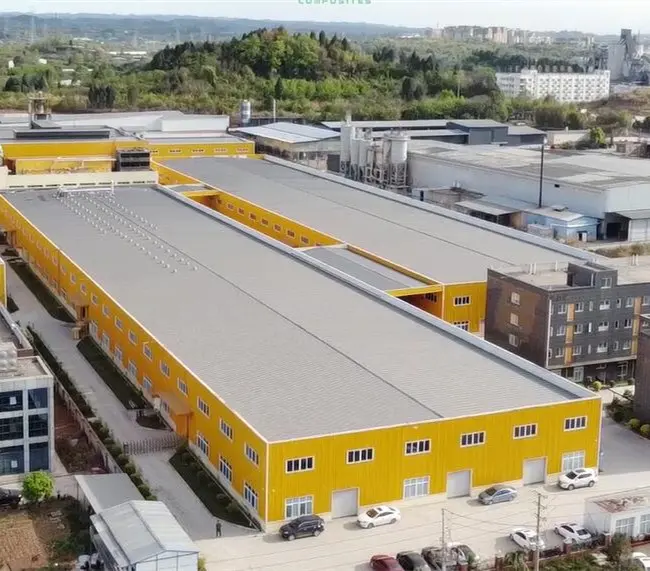
Established in 2012, Beijing Airpbb (operating globally under the brand Minnit (Airppb)) is a national high-tech enterprise dedicated to the research, development, and industrialized application of high-precision gas detection instruments. The company focuses on on-site, automated, and intelligent analysis and monitoring, aiming to be a global leader in scientific instrumentation.
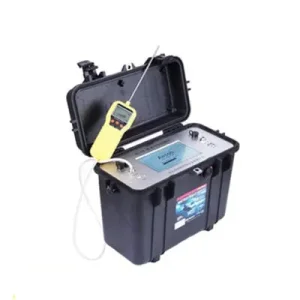
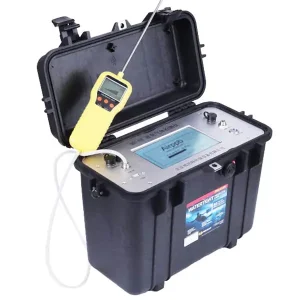
Through persistent technological innovation, Minnit (Airppb) has mastered a comprehensive suite of gas analysis technologies, including electrochemistry, Photoionization Detection (PID), and spectroscopy. Our portfolio spans laboratory analysis, portable on-site instrumentation, online mobile monitoring, and dynamic gas distribution networks. These products support advanced industrial processes, ecological protection, and emergency safety monitoring worldwide.
One-stop customized engineering to turn complex environmental monitoring challenges into simple, automated workflows
Customized design and white-label manufacturing to help worldwide partners deploy solutions under their own local brands.

Comprising 60% of our total workforce, our R&D group continuously refines core sensor fusion and optical spectroscopic methods.

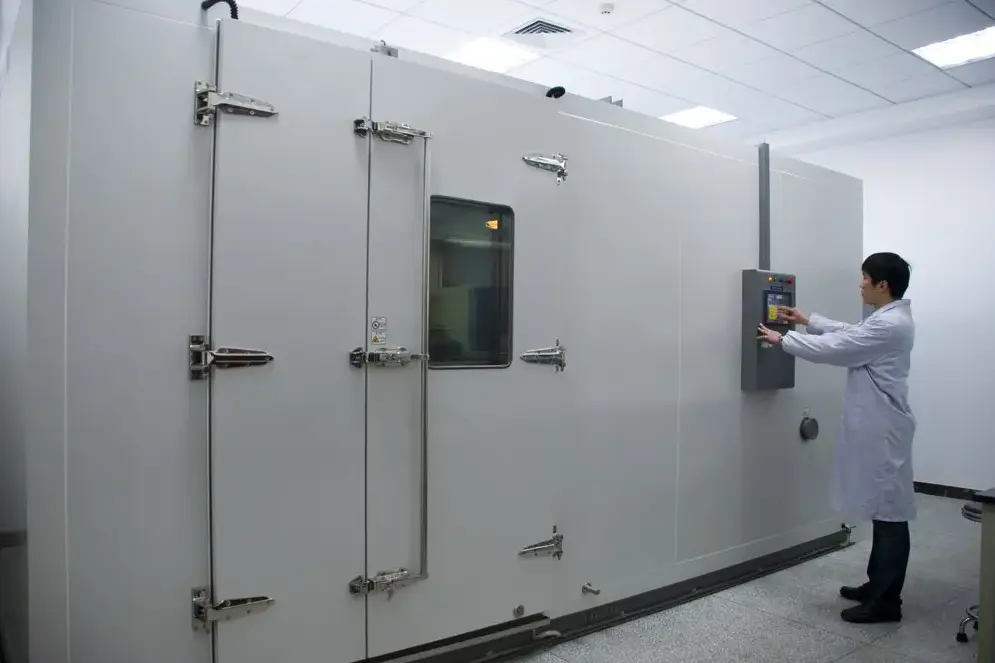
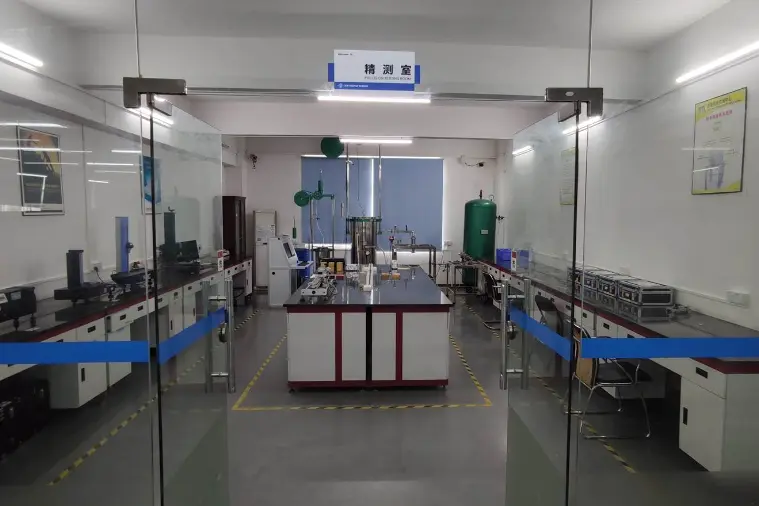
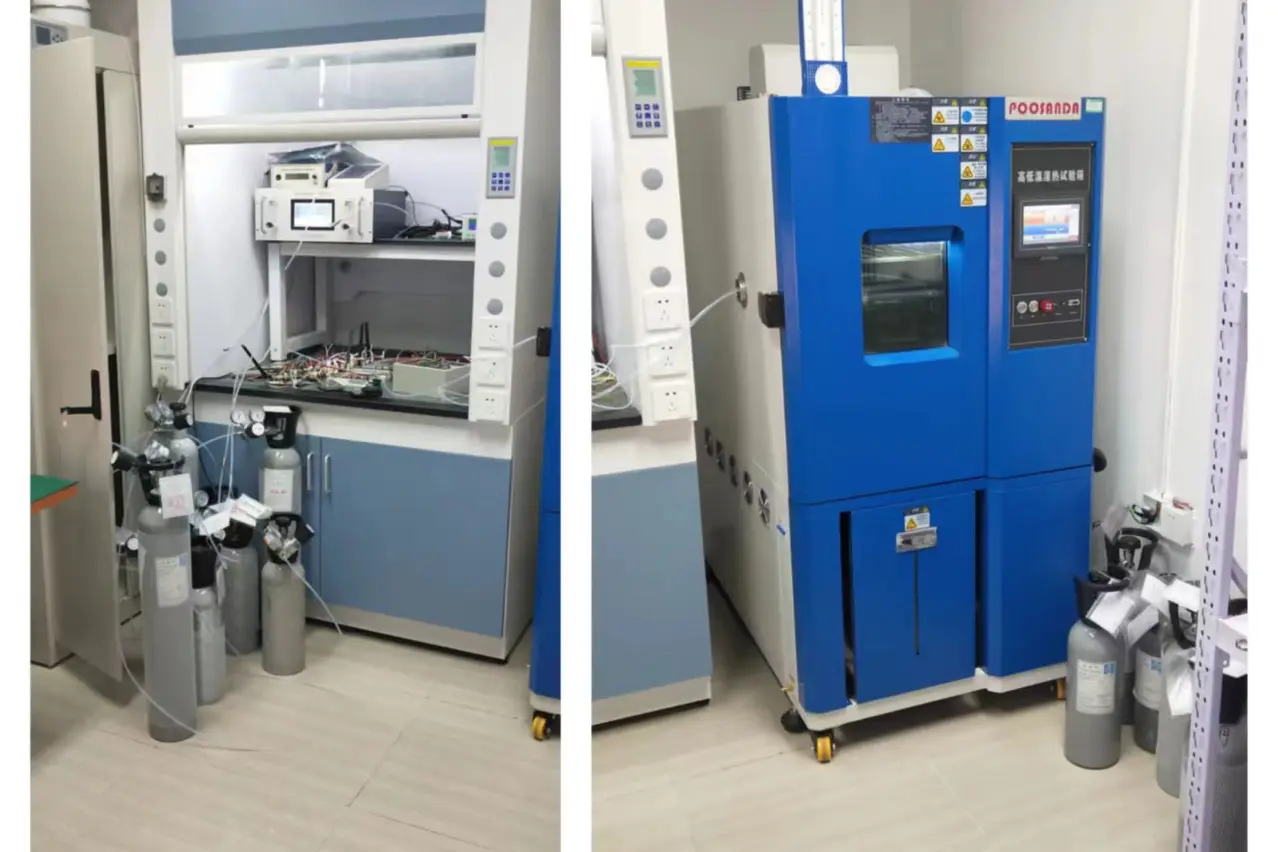
From sensor aging chambers to automated dynamic gas dilution testing, our QA process ensures high system reliability.

Providing technical support, localized regulatory compliance counseling, and comprehensive engineering solutions.

System quality validated by leading international and national standards organizations
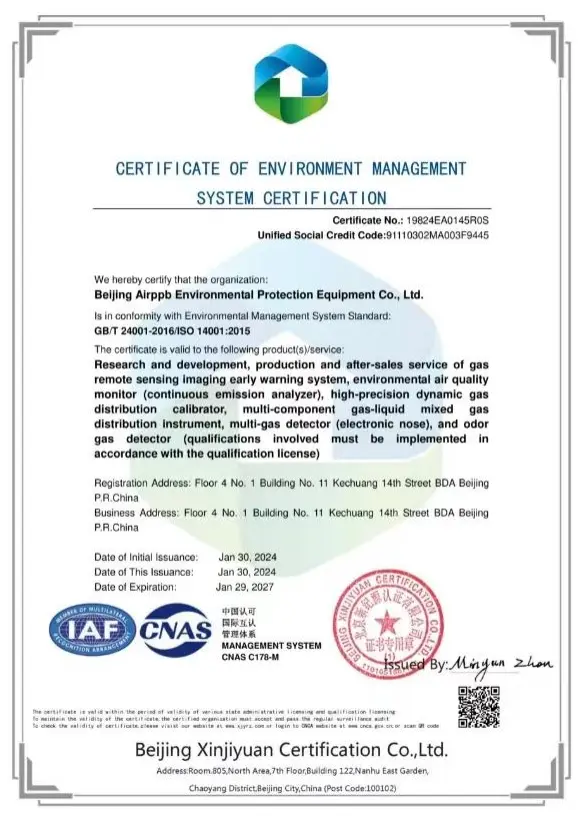
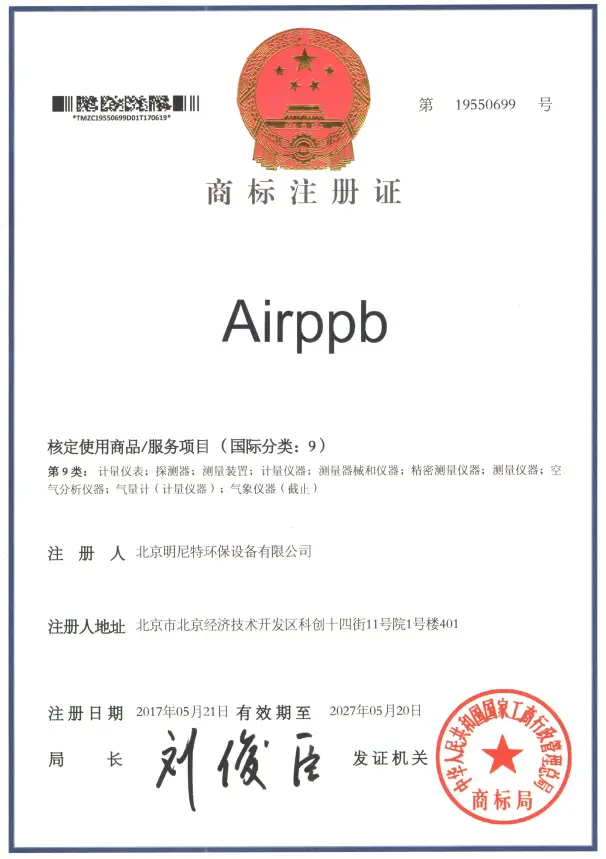
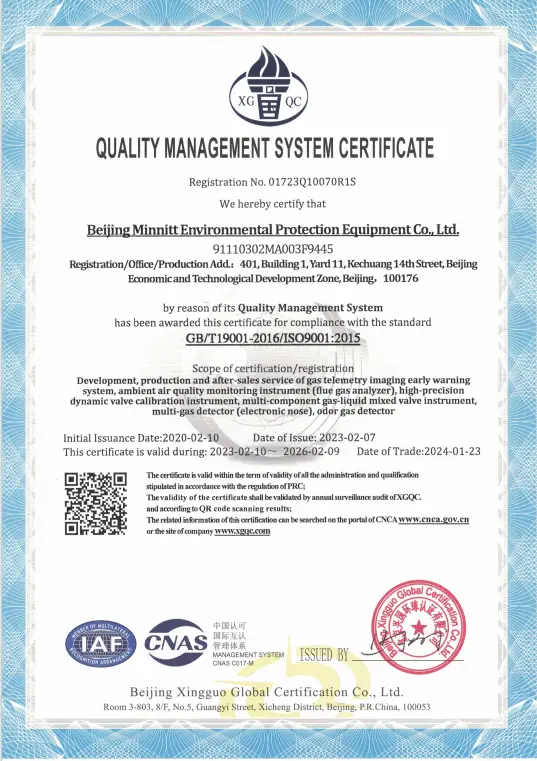
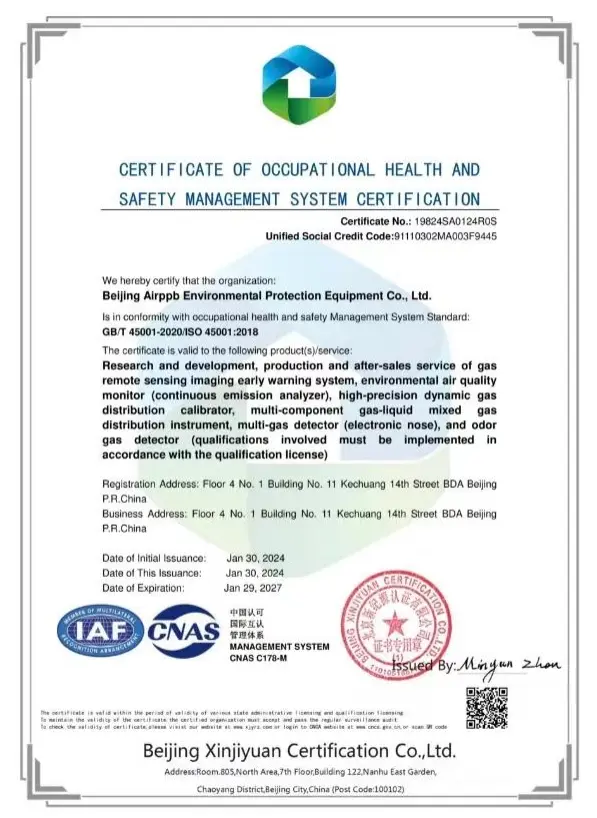
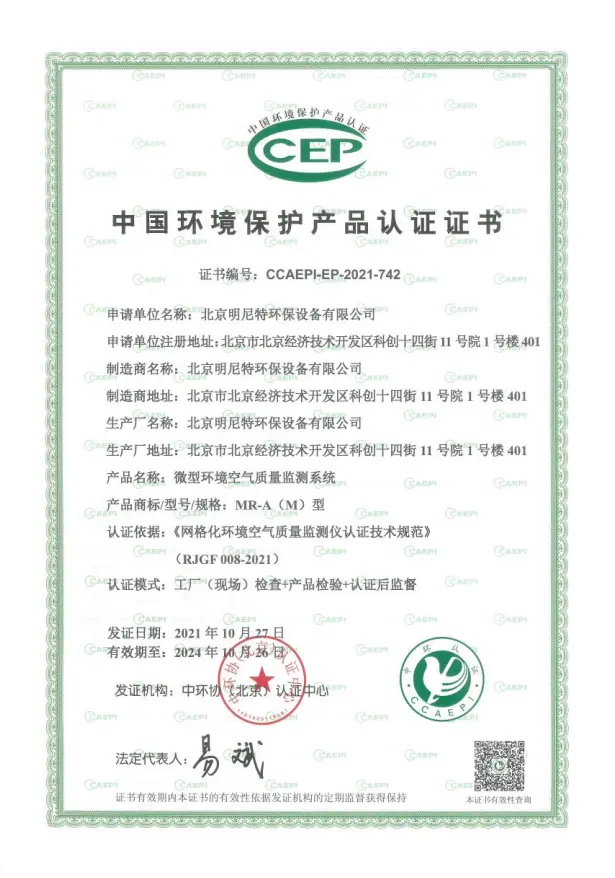
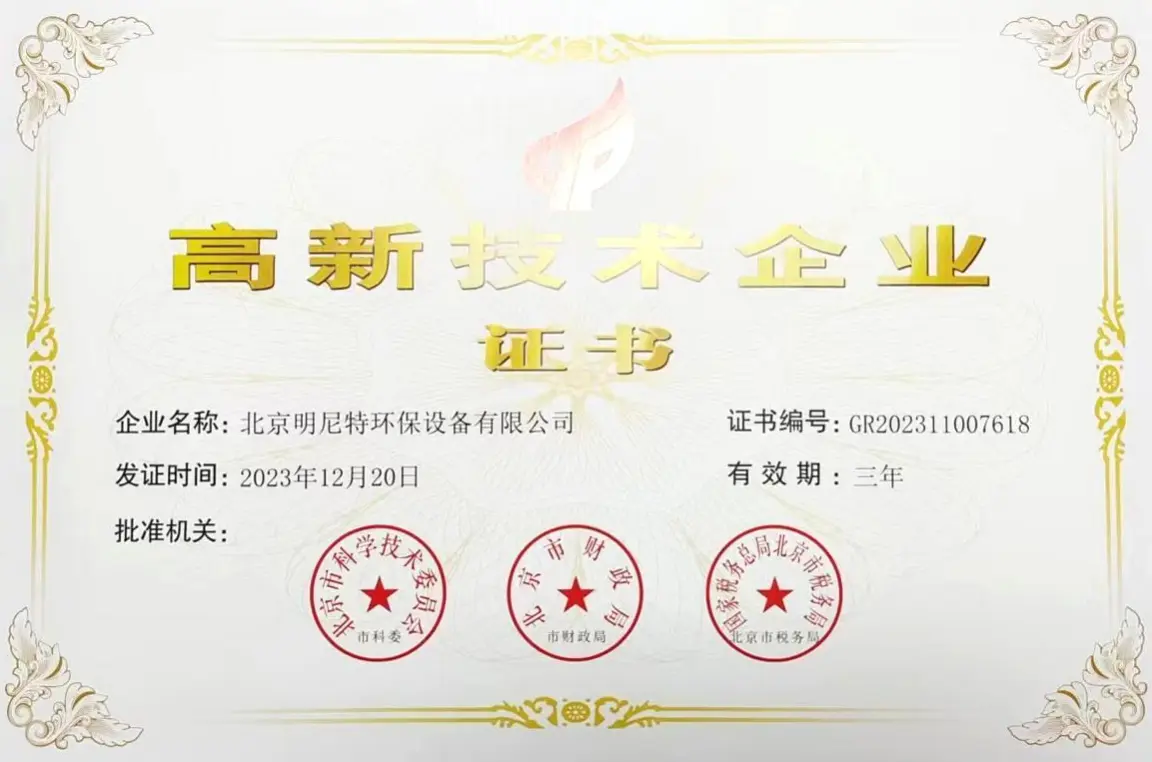

Our quality management strictly aligns with ISO9001 (Quality Management System Certificate), ISO14001 (Environmental Management System), and ISO45001 (Occupational Health & Safety). Compliance reports from authoritative agencies such as CPA, CCEP, CNAS, and CMA ensure that our monitors meet stringent local criteria for government procurement and industrial use.
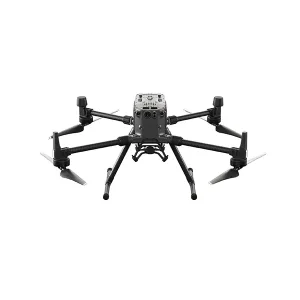
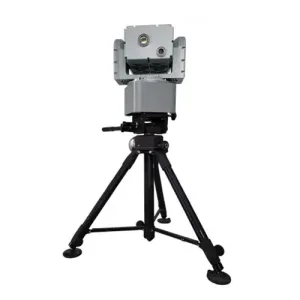
The future of environmental safety relies on Sensor Fusion and Spatial Chemometrics. Minnit (Airppb) is pioneering the integration of optical FTIR telemetry systems with mobile drone platforms to map chemical plumes in 3D. By combining long-path absorption spectroscopy with machine learning algorithms, we can identify and measure gas leaks from up to several kilometers away.
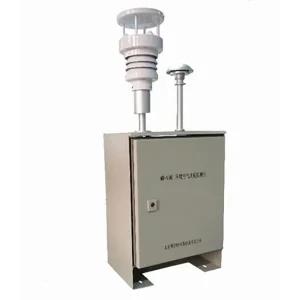
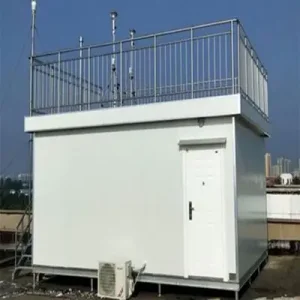
At the same time, we are developing micro-air monitoring stations designed for smart grid integration. These platforms allow environmental protection departments and oil & gas operators to build a linked defense against hazardous emissions, ensuring rapid dispatch of emergency personnel and compliance with regional safety frameworks.

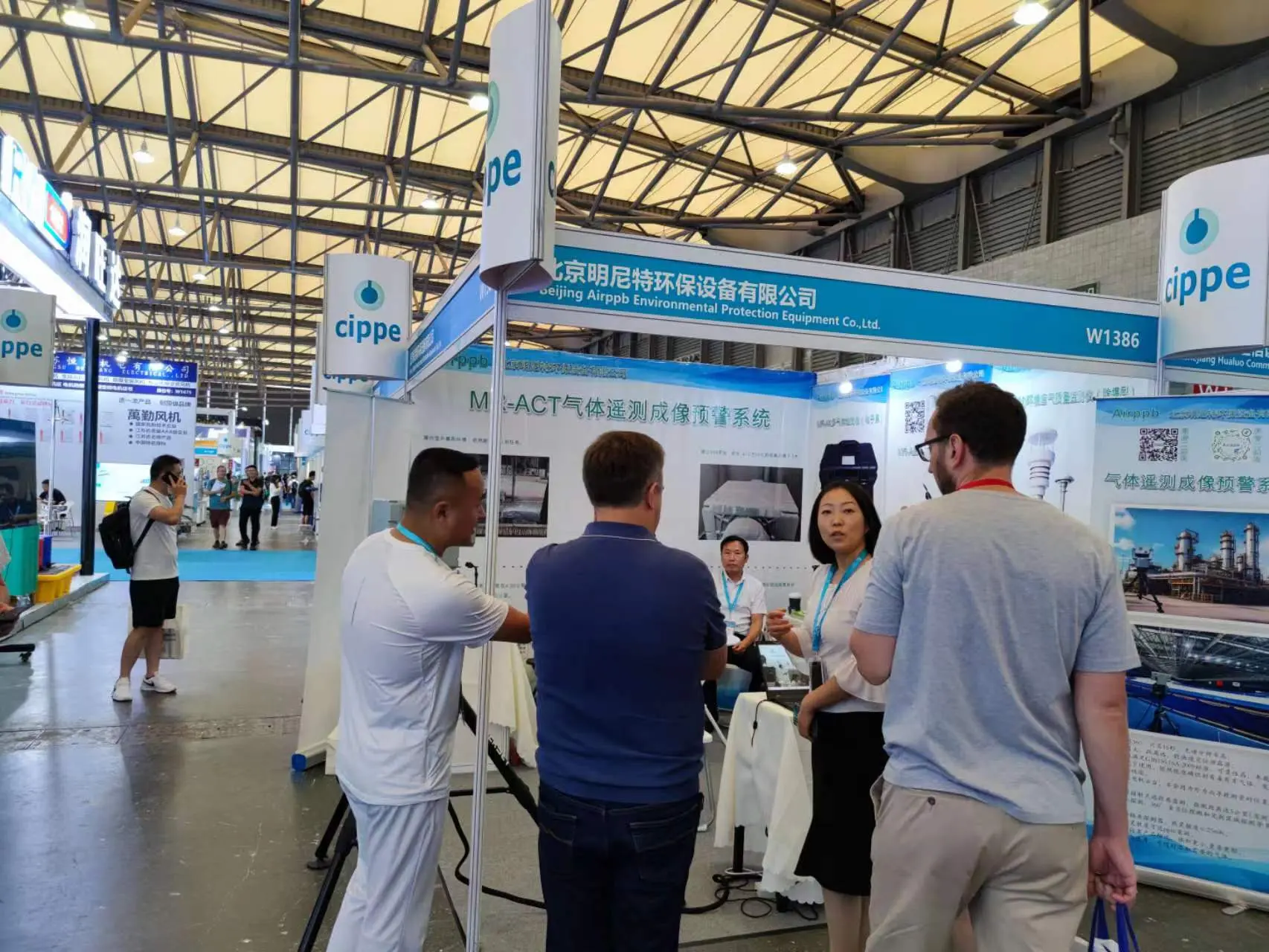
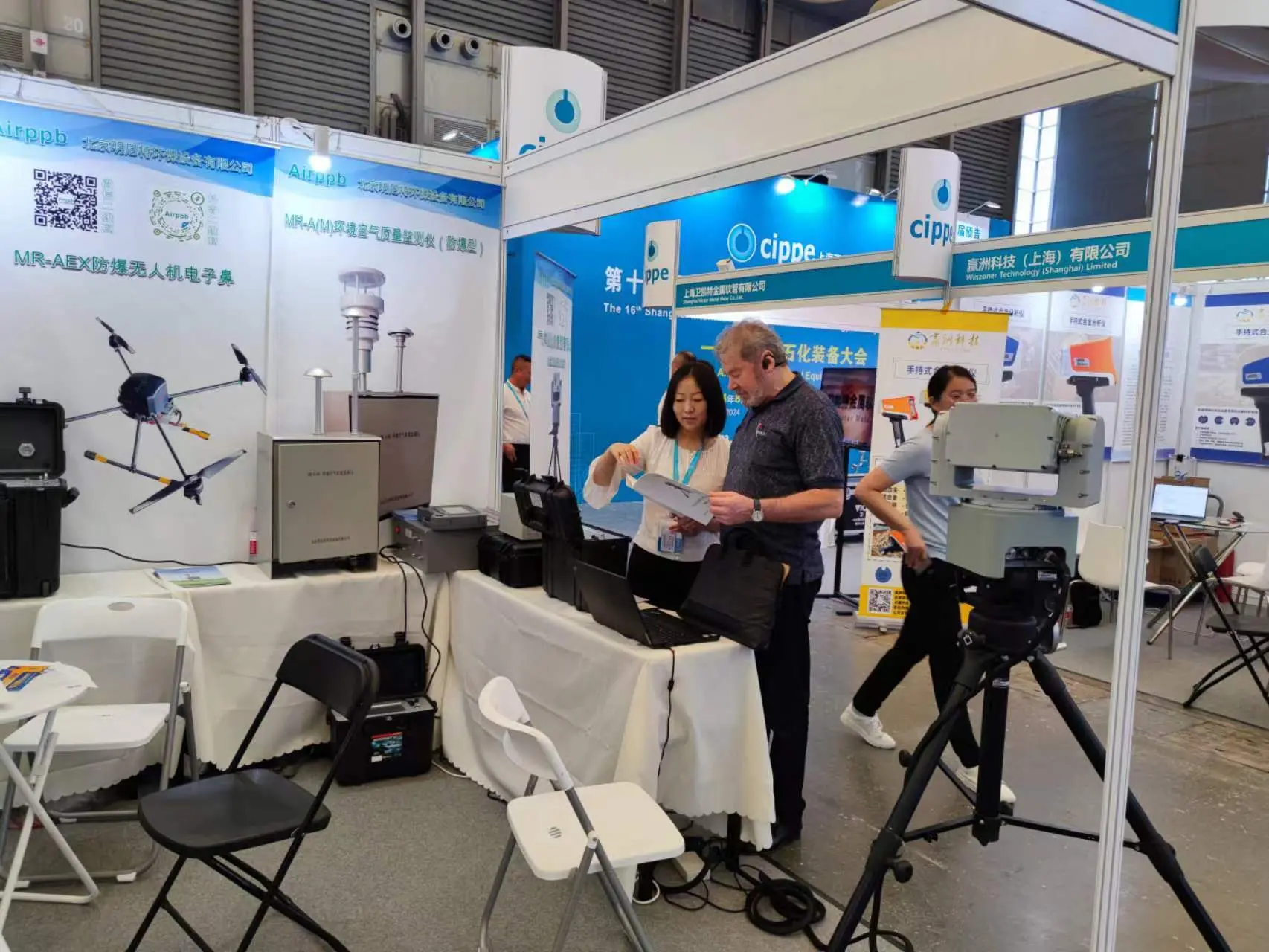
Exporting precision monitoring solutions to more than 40 countries and territories across the Middle East, Europe, Asia, and the Americas.
Engaging with global environmental protection organizations, safety committees, and industrial stakeholders
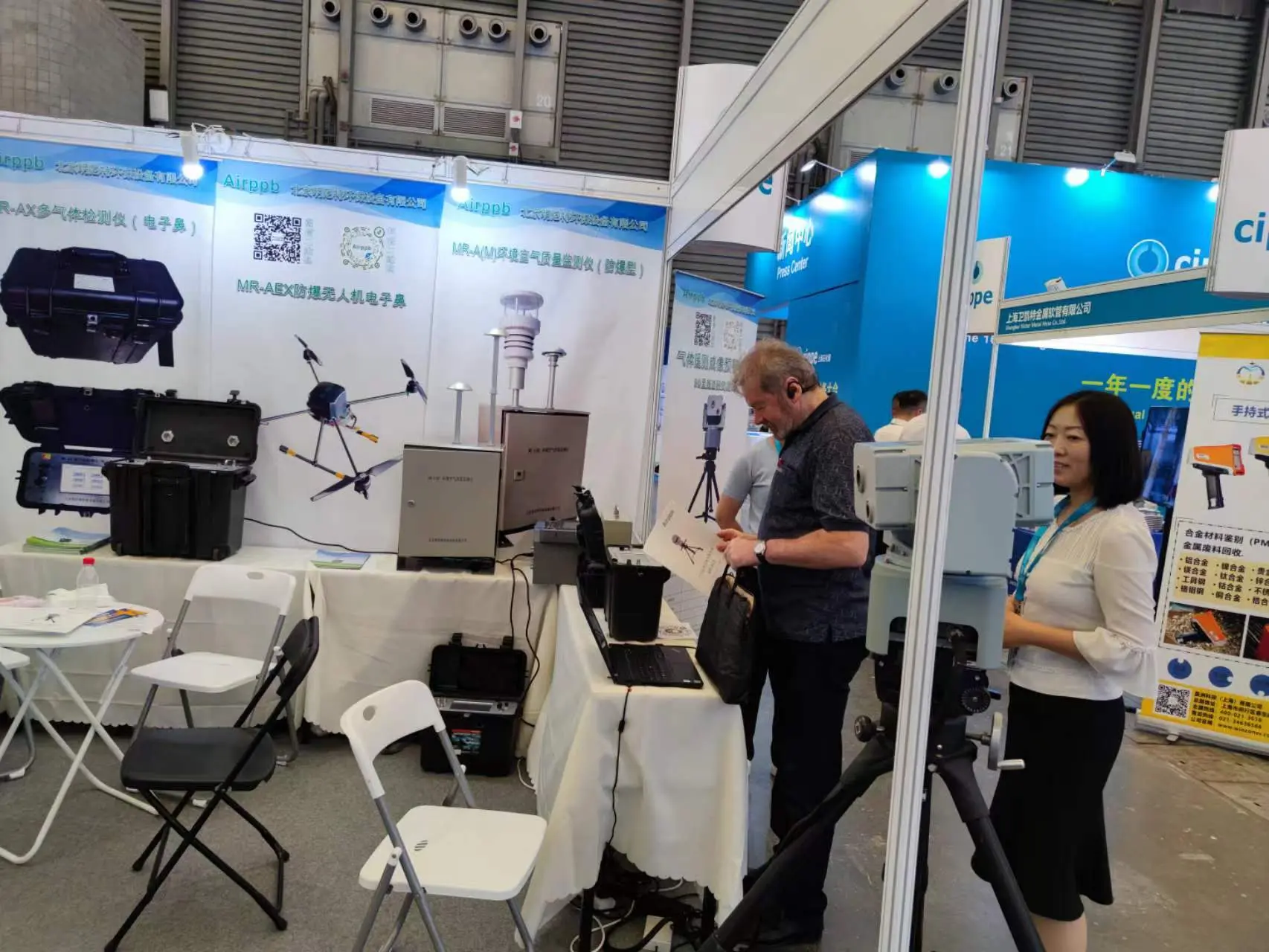
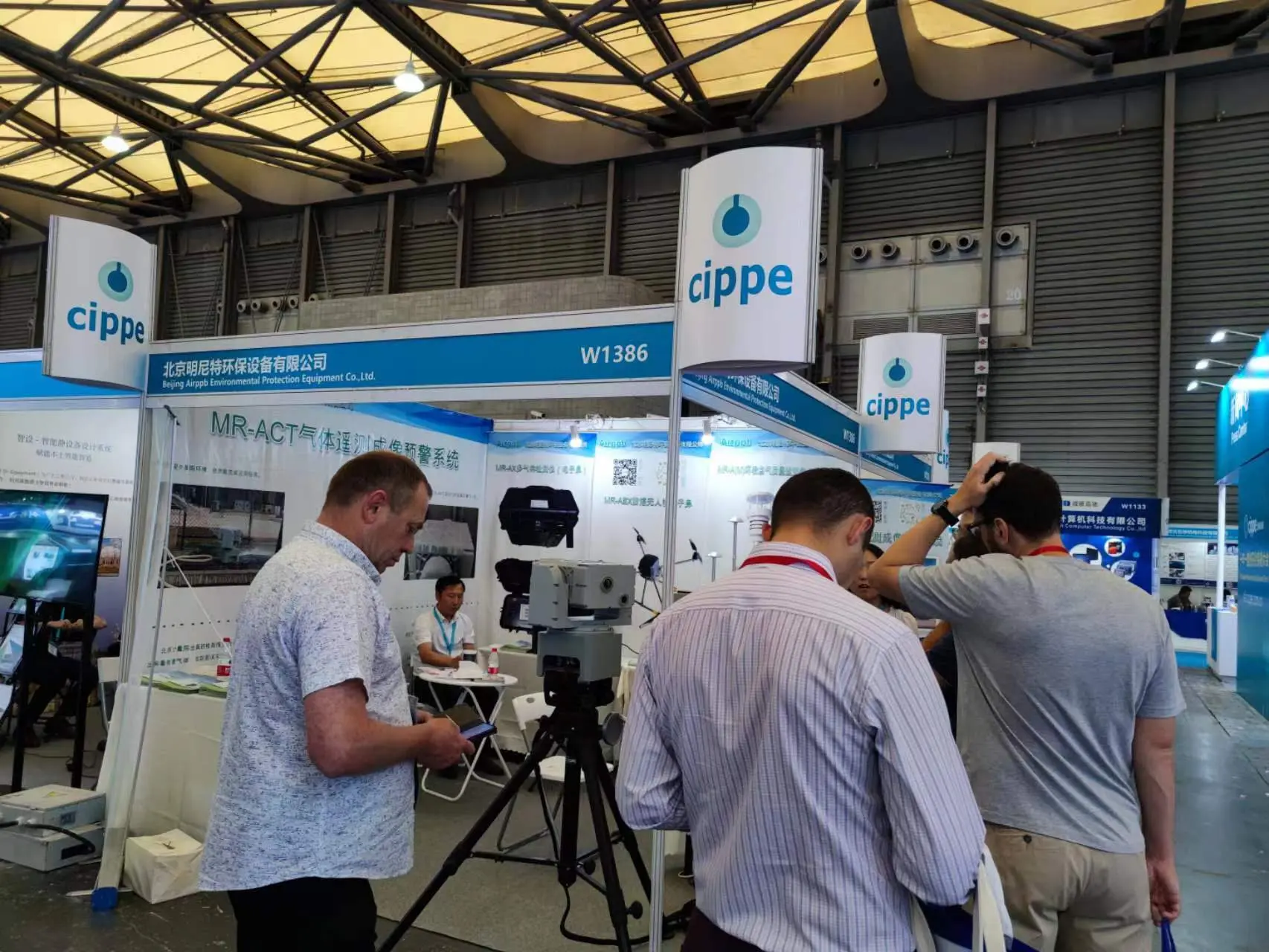

Understanding the technology, compliance requirements, and integration of environmental instrumentation
Verify product specifications, download technical datasheets, and consult with our application engineers