 Airppb
Airppb
Airppb
High-precision gas distribution and dynamic mixing instruments deployed to safeguard refinery environments, production lines, and packaging processes.
Why petrochemical gas analysis is the hidden cornerstone of modern food safety and packaging integrity.
In global supply chains, the intersection of the Petroleum and Petrochemical Industry and Food Safety represents a highly critical control point. From the synthetic polymers used in active food packaging to food-grade lubricants utilized in agricultural processing, petrochemical derivatives are in constant direct or indirect contact with our global food supply. Toxic chemical migration, volatile organic compound (VOC) emissions, and trace hydrocarbon contamination represent severe threats to consumer safety and regulatory compliance.
This is where Minnit (Airppb) applies its engineering expertise. By implementing high-precision photoionization detection (PID), Fourier-transform infrared (FTIR) gas telemetry, and micro-flow dynamic gas mixing systems, we empower refinery operators, packaging plants, and food manufacturers to mitigate risks. Accurate detection of trace impurities down to the parts-per-billion (ppb) level prevents costly contamination recalls, ensuring full compliance with stringent global standards including the US FDA, EU EFSA, and China's national food safety frameworks.
Preventing Mineral Oil Aromatic Hydrocarbons (MOAH) and Mineral Oil Saturated Hydrocarbons (MOSH) from leaching out of packaging materials into dry food goods.
Monitoring volatile ambient emissions (such as Benzene, Toluene, and Xylene) around food-processing buffer zones to eliminate product absorption risks.
Quantifying off-gassing and residual solvent elements in modern high-barrier plastic films through advanced gas chromatography and FTIR spectroscopy.
Minnit(Airppb) is a national high-tech enterprise focusing on the research and development and industrialized innovative application of precision gas detection instruments. The company uses technological innovation to realize on-site, automated and intelligent analysis, detection and monitoring, and is committed to becoming the world's leading manufacturer of scientific instruments.
We have mastered relatively complete gas analysis and detection technologies such as electrochemistry, PID, and spectroscopy, and developed laboratory analysis, on-site analysis (portable, online, mobile), automated analysis and a series of technologically leading product portfolios that provide global users with comprehensive and professional solutions in the fields of advanced industry, ecological environment emergency safety, and petrochemical operations.

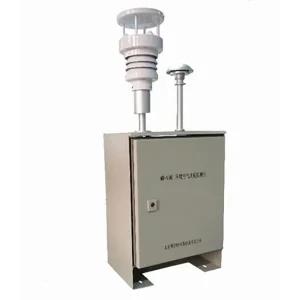
Established in 2012, our group company is committed to the research, development, and production of Fourier infrared gas remote sensing imaging early warning systems, ambient air quality monitors, high-precision dynamic gas distribution meters, and multi-gas emergency detectors. We offer custom ODM/OEM solutions to address specialized industrial specifications.
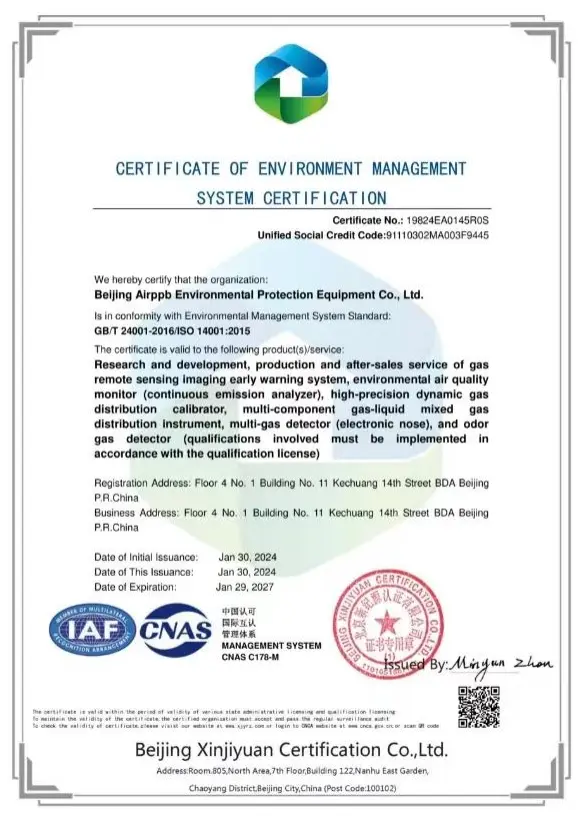
Our operational management strictly adheres to international quality structures, proudly holding ISO9001 Quality Management System Certification, ISO14001 Environment Management System Certification, and ISO45001 Occupational Health and Safety Management System Certification. All safety and metrological products comply with CPA, CCEP, and CNAS/CMA testing frameworks.
The progression of sensor architecture and telemetry methodologies supporting modern safety validation.
Continuous localized profiling of volatile chemical compound concentrations. Essential for early alarms on refinery storage floors.
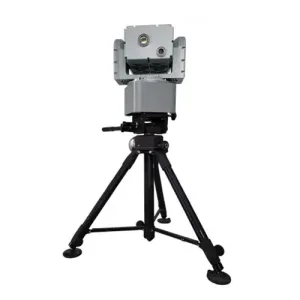
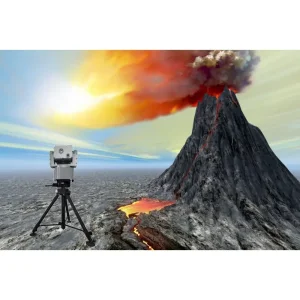
Stand-off detection systems that map chemical plumes dynamically across manufacturing zones. Our MR-ACT and MR-FAT systems represent this tier.
Real-time analytical feedback models that link regional sensor arrays into automated air scrubbing and emergency shut-off protocols.
Engineered monitoring pathways connecting petrochemical output to consumer-safe end products.
Industrial applications require customized sensor configurations. While refinery operations focus heavily on lower explosive limit (LEL) monitoring and fugitive greenhouse gases, downstream processors supplying packaging and food machinery components prioritize trace organic monitoring. The table below highlights how different sectors apply Airpbb's hardware portfolio to secure the global food supply chain.
| Application Area | Key Gas/Vapor Risk | Required Limit / Sensitivity | Recommended Instrumentation | Compliance Standards Met |
|---|---|---|---|---|
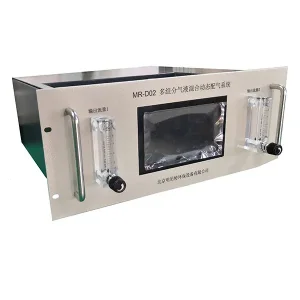
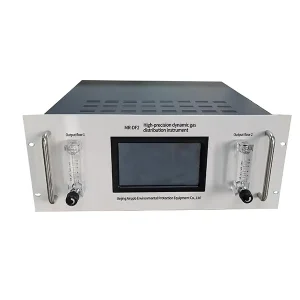
| Food Packaging Materials | MOSH/MOAH, Styrene monomer, Toluene residuals | Sub-ppm / ppb level detection | MR-DF2 Dynamic Gas Distribution System | FDA Food Contact Materials, REACH |
| Petrochemical Processing Zones | Benzene, VOCs, Hydrogen Sulfide (H₂S) | 0.1 ppm sensitivity limit | MR-ACT Gas Telemetry, MR-A Ambient Monitor | OSHA, GB 3095-2012 (Ambient Air) |
| Food-Grade Lubricant Synthesis | Synthetic hydrocarbons, thermal degradation gases | Continuous real-time flow monitoring | MR-DO2 Gas-Liquid Mixing Instrument | NSF H1, ISO 21469 Certification |
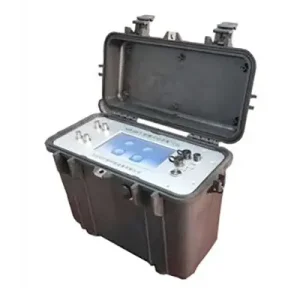
| Supply Chain & Logistics | Ethylene, CO₂ concentrations, leak byproducts | Multi-gas absolute detection | MR-AX Portable Multi-Gas Detector | HACCP Hazard Analysis, UNECE Transports |
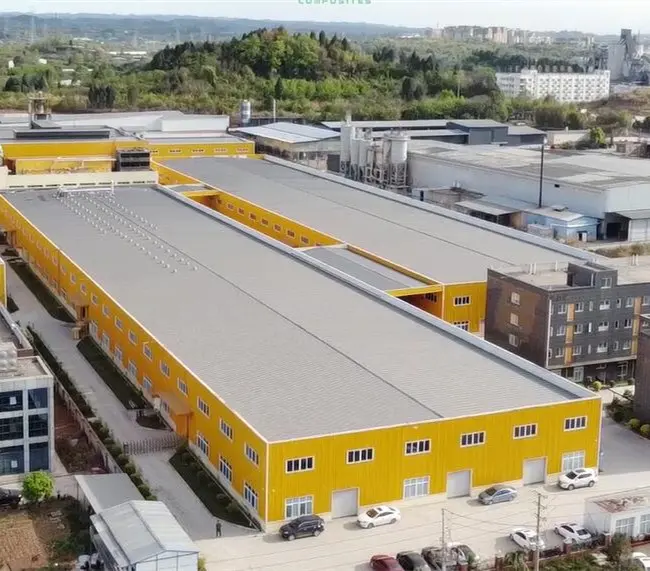
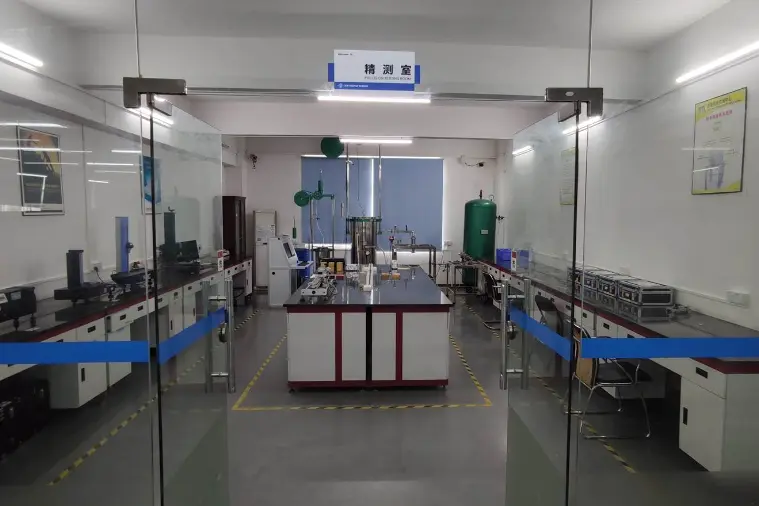
Inside Airpbb's advanced production and quality management infrastructure.
Operating a modernized facility in Beijing allows Airpbb to leverage the strength of China's industrial manufacturing ecosystem. By using automated robotic sensor calibration chambers and intelligent ERP tracking, we ensure consistency across large production volumes while maintaining low overhead and competitive pricing.
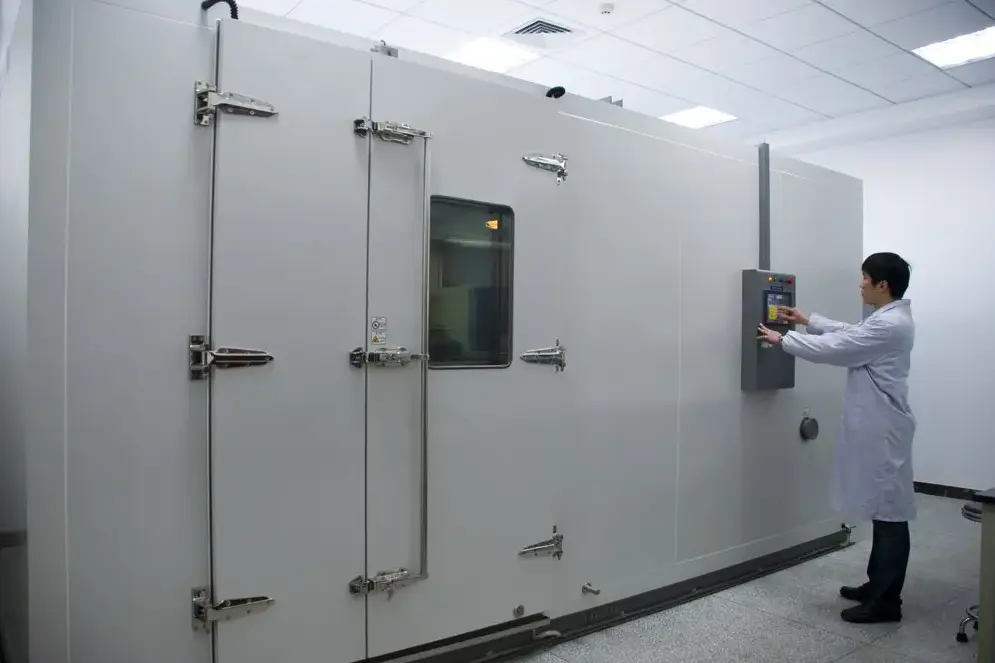
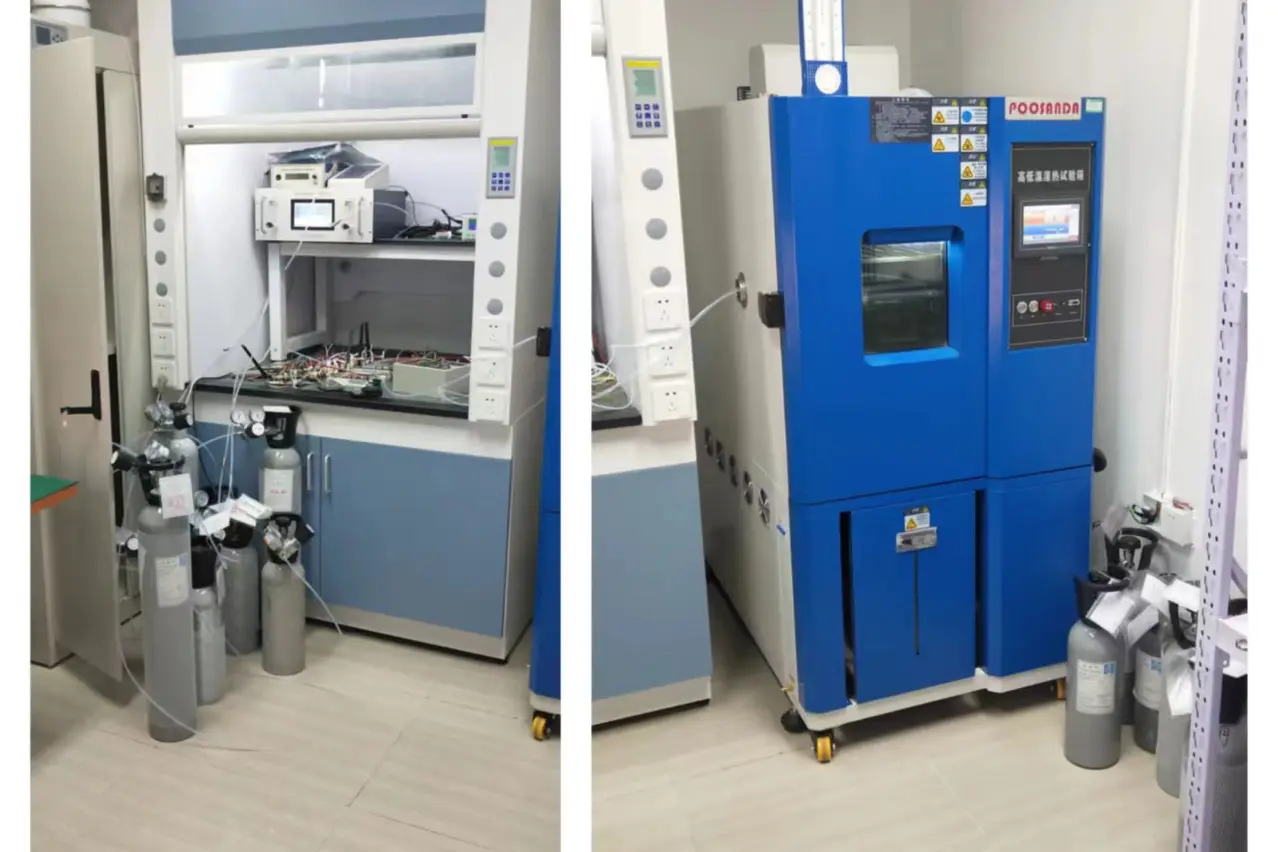
Our Factory 4.0 dynamic gas distribution calibration setups (using the MR-DF2 and MR-DO2 platforms) run continuous automated verification schedules. Each instrument undergoes strict temperature compensation and pressure testing before shipping. This setup helps global clients reduce their quality assurance overhead, resulting in up to a 30% reduction in procurement and lifecycle maintenance costs compared to traditional European or American instrumentation brands.
Robotic calibration chambers ensure stability across varying environmental temperatures and humidity levels.
Direct access to raw materials and sensor components ensures short, reliable manufacturing lead times.
A professional guide to help B2B buyers qualify suppliers and establish purchasing guidelines.
Ensure the calibration systems use high-purity raw gases mixed via dynamic instruments (like the MR-DF2 series) that are traceable to national metrology standards (NIST or equivalent).
Verify that electrochemical or PID sensors have built-in filters to prevent moisture and dust contamination, which helps reduce maintenance costs in tough petrochemical plant conditions.
Instruments deployed directly in processing areas must have ATEX, IECEx, or equivalent local explosion-proof certifications (such as CNEx or CPA) for Zone 1 or Zone 2 hazards.
Designed, engineered, and executed to guarantee precision, safety, and operational efficiency across critical environments.
We provide custom design services, housing configurations, and software modifications to help global distributors build their own brand presence.
With R&D staff representing 60% of our organization, we actively develop spectroscopy and electrochemical monitoring solutions.
Our multi-stage quality assurance protocol includes complete temperature-compensated calibrations, aging runs, and drop tests.
Our technical engineers provide comprehensive product selection, calibration support, and assistance with local compliance regulations.








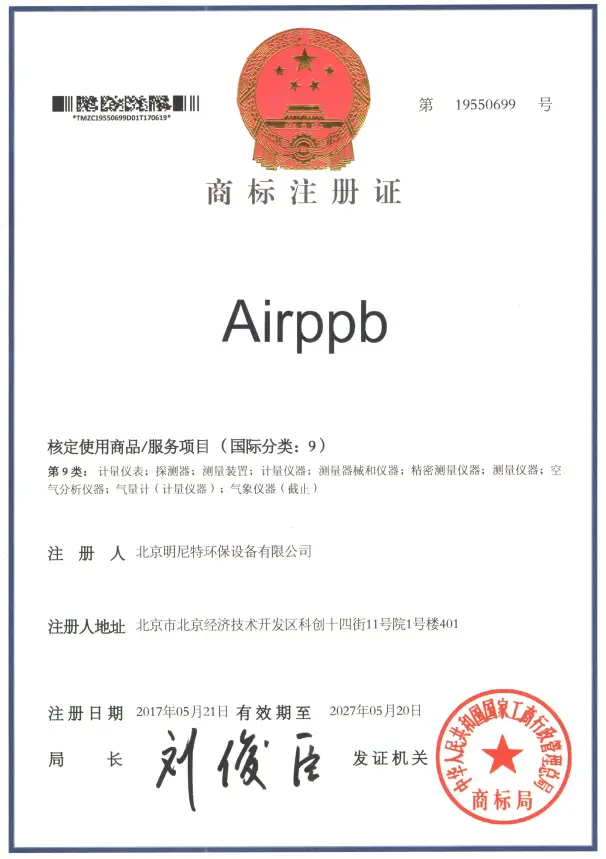
Verified regulatory approvals validating our gas metrology systems and safety protocols.
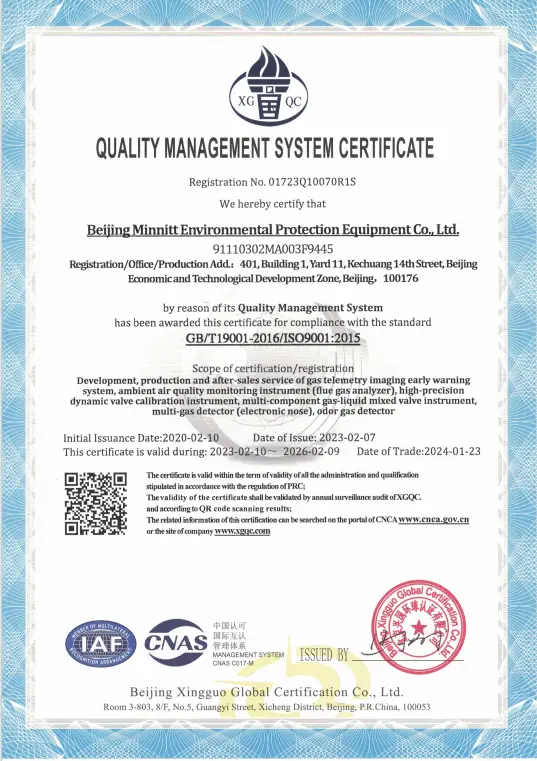
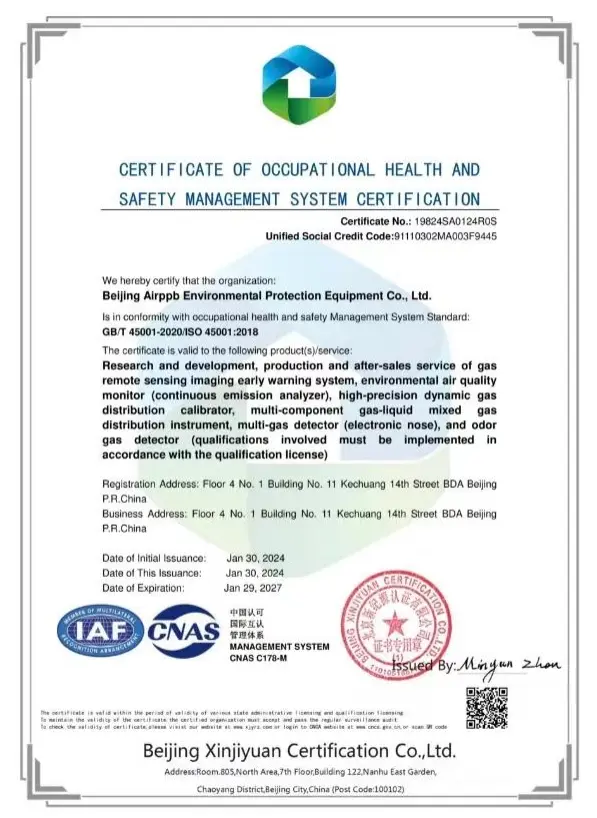
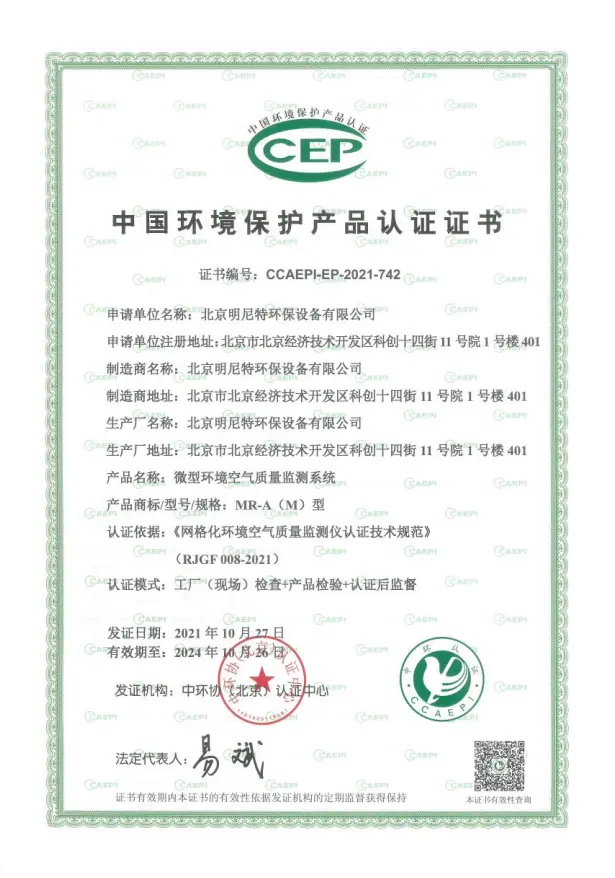
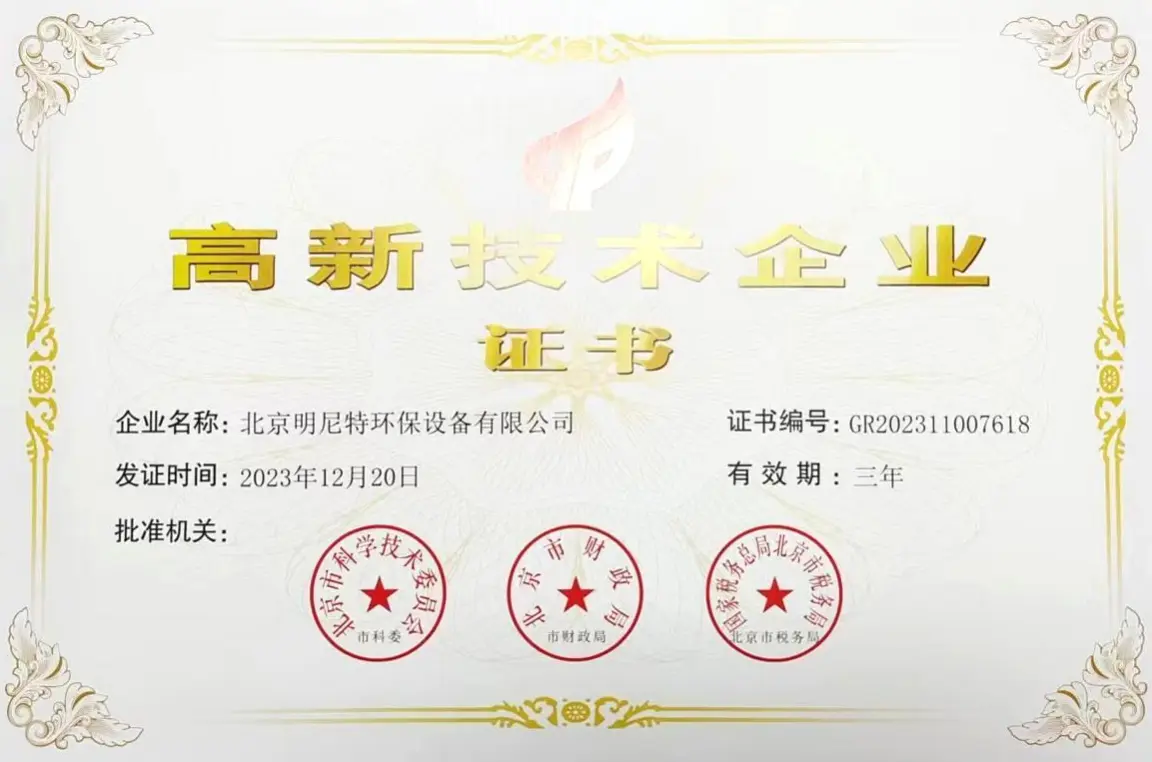

Showcasing our product line and meeting with partners at industrial technology trade fairs worldwide.
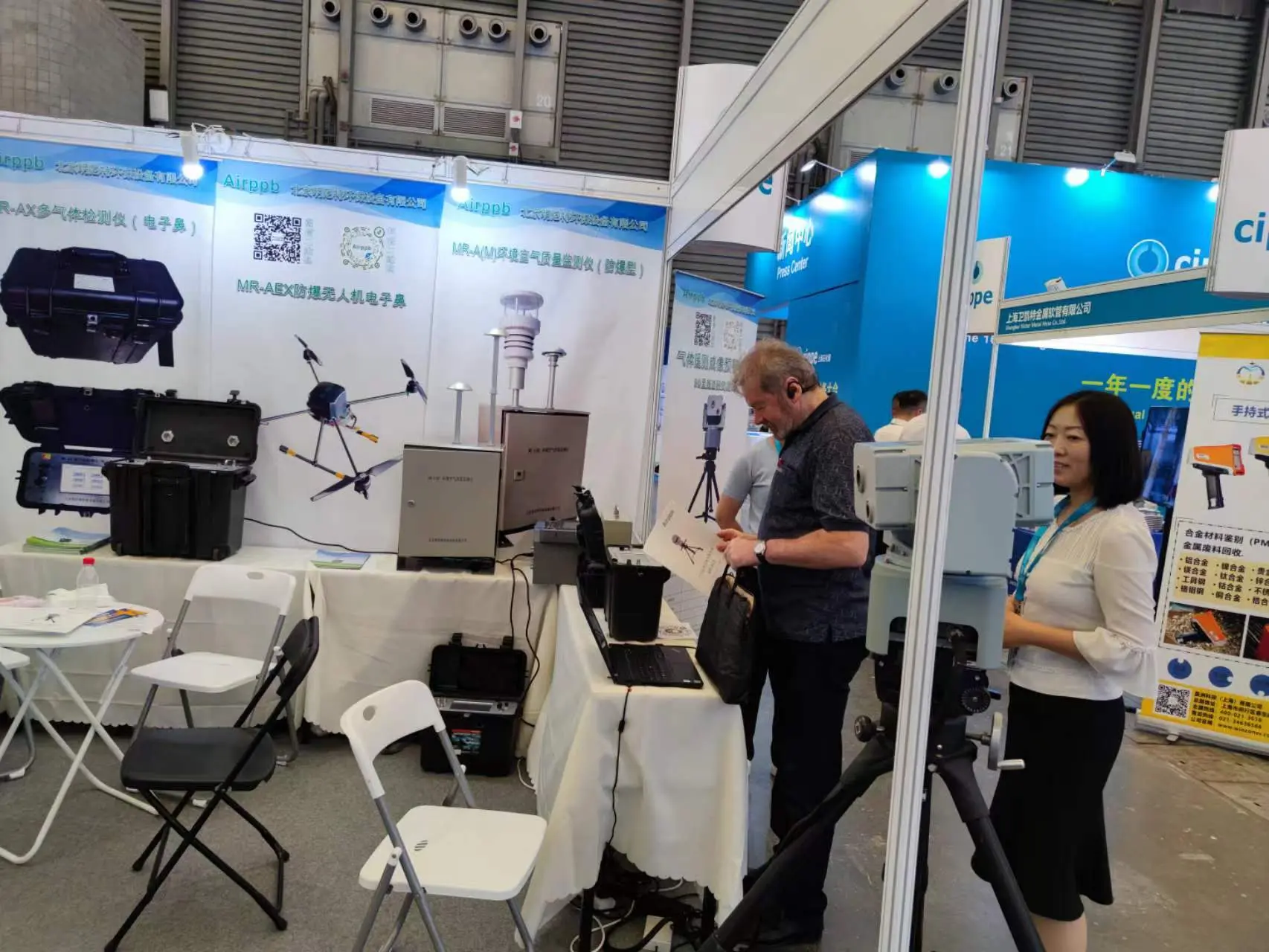
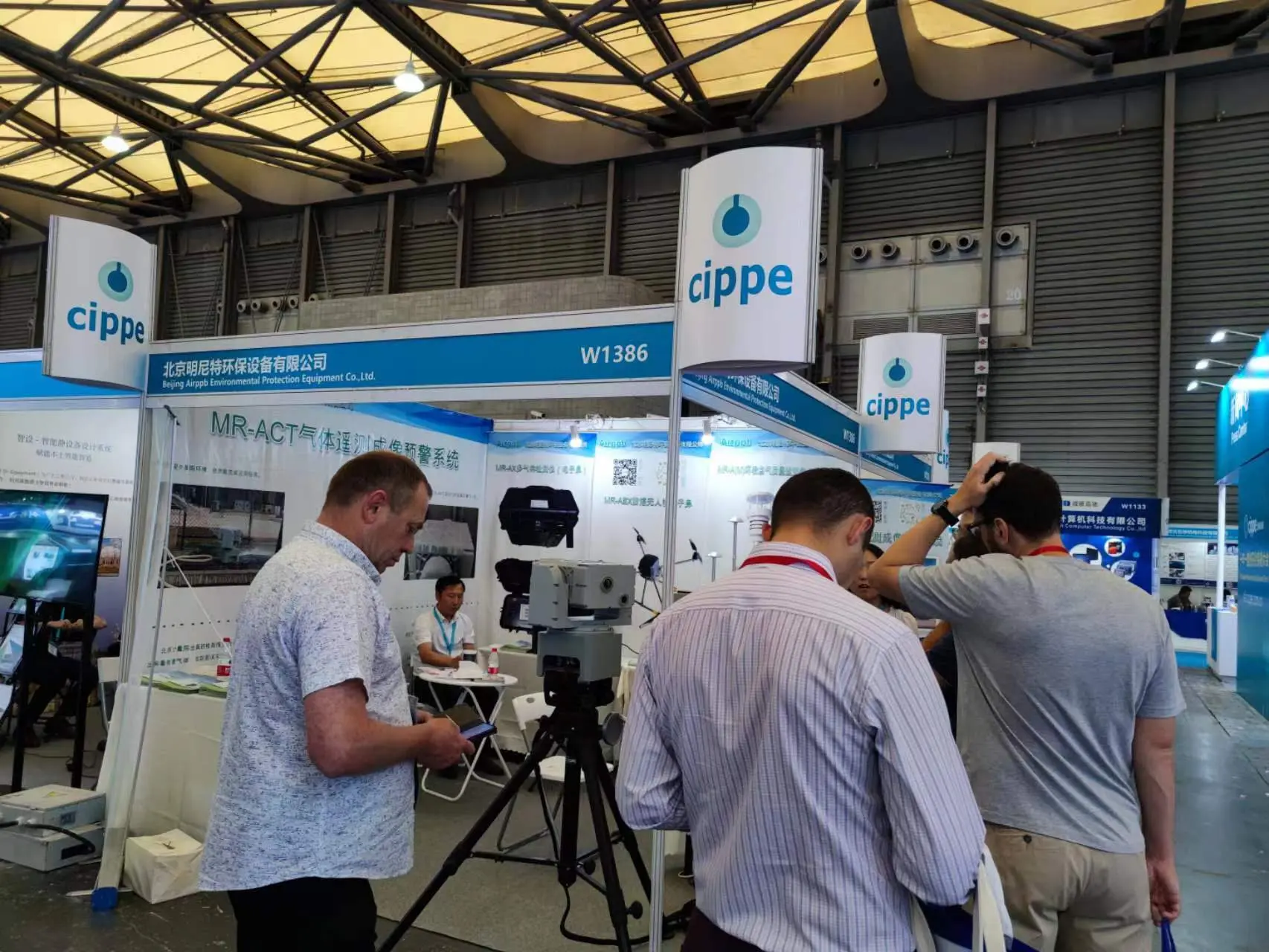
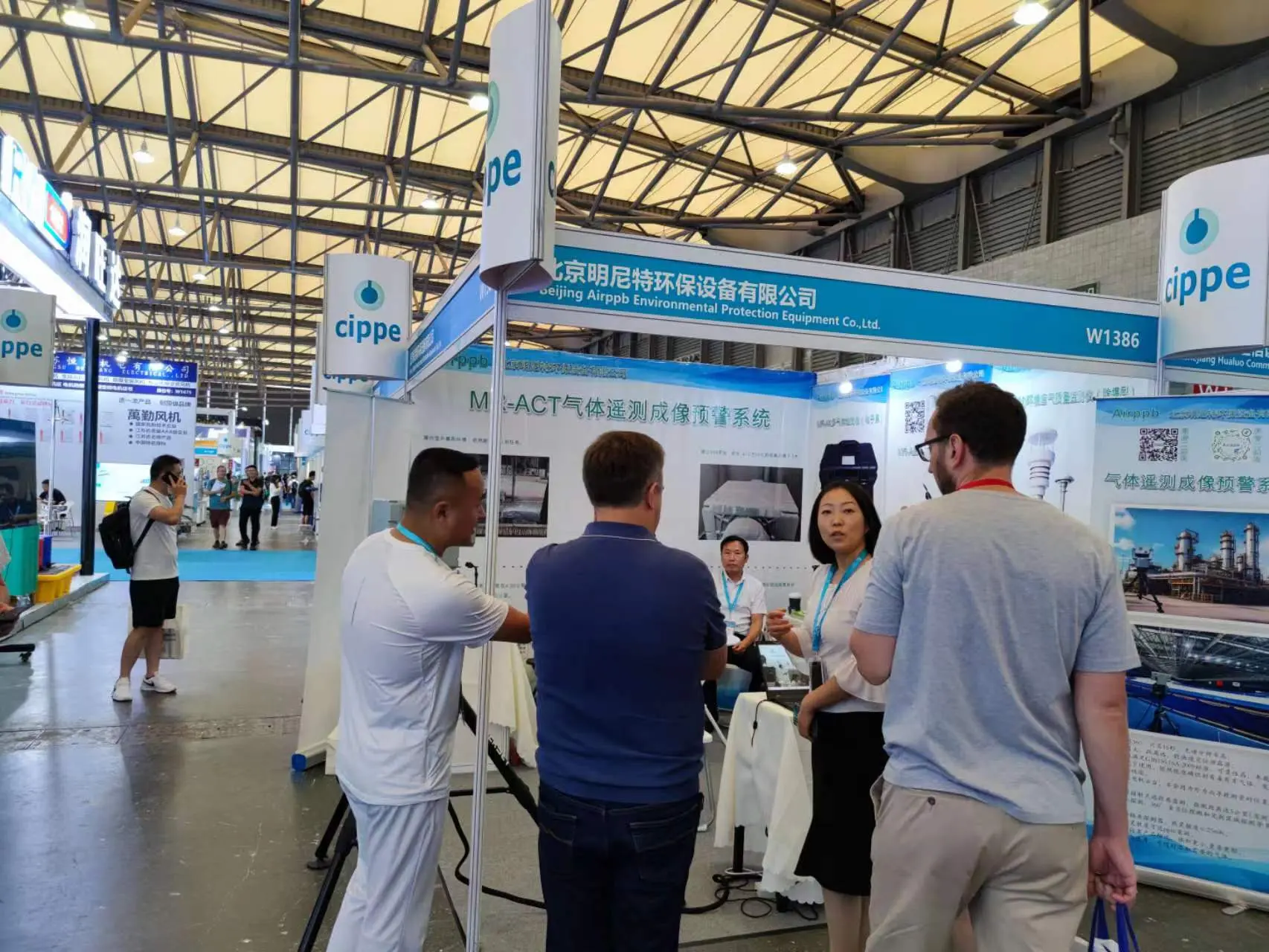
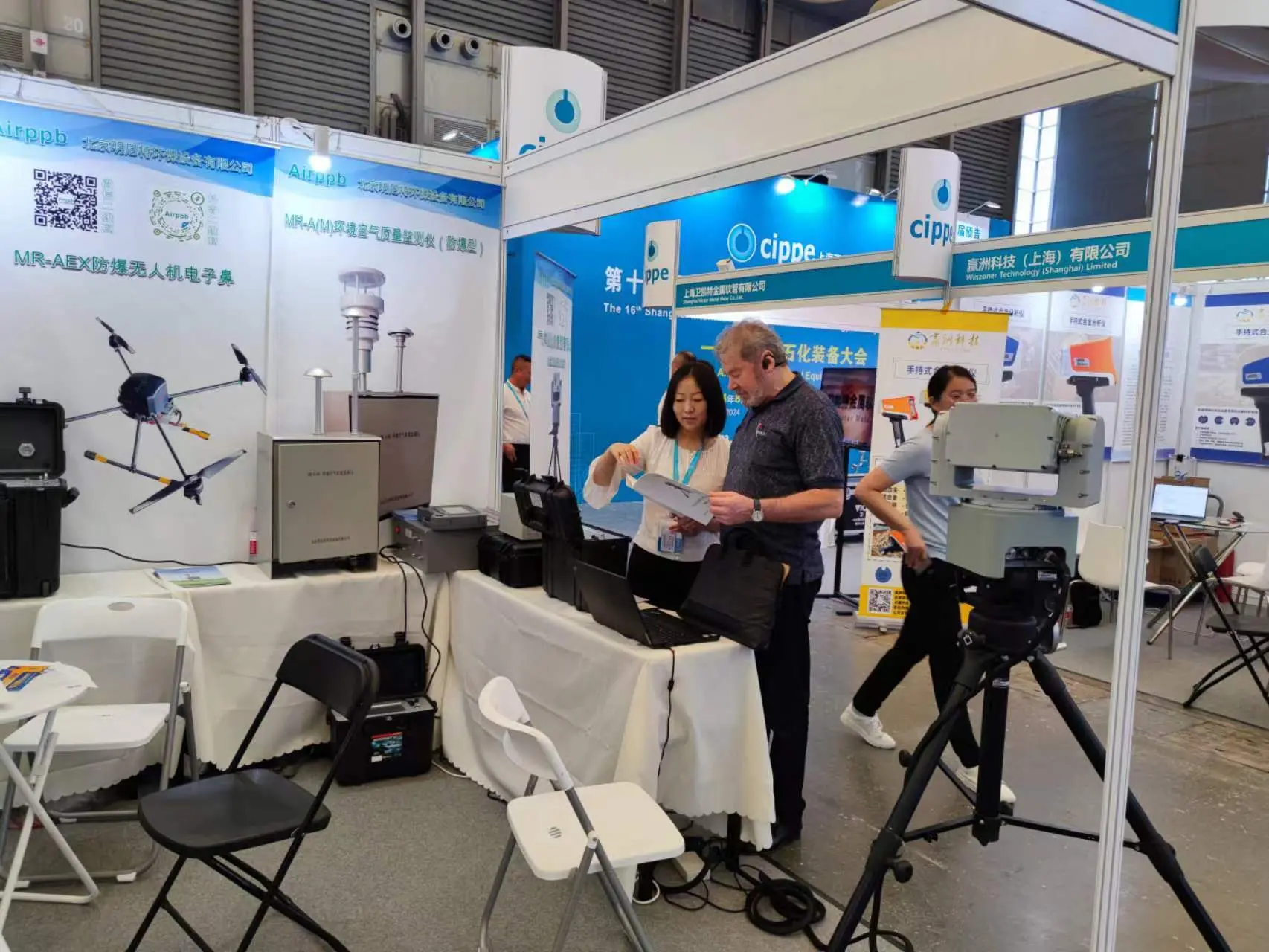

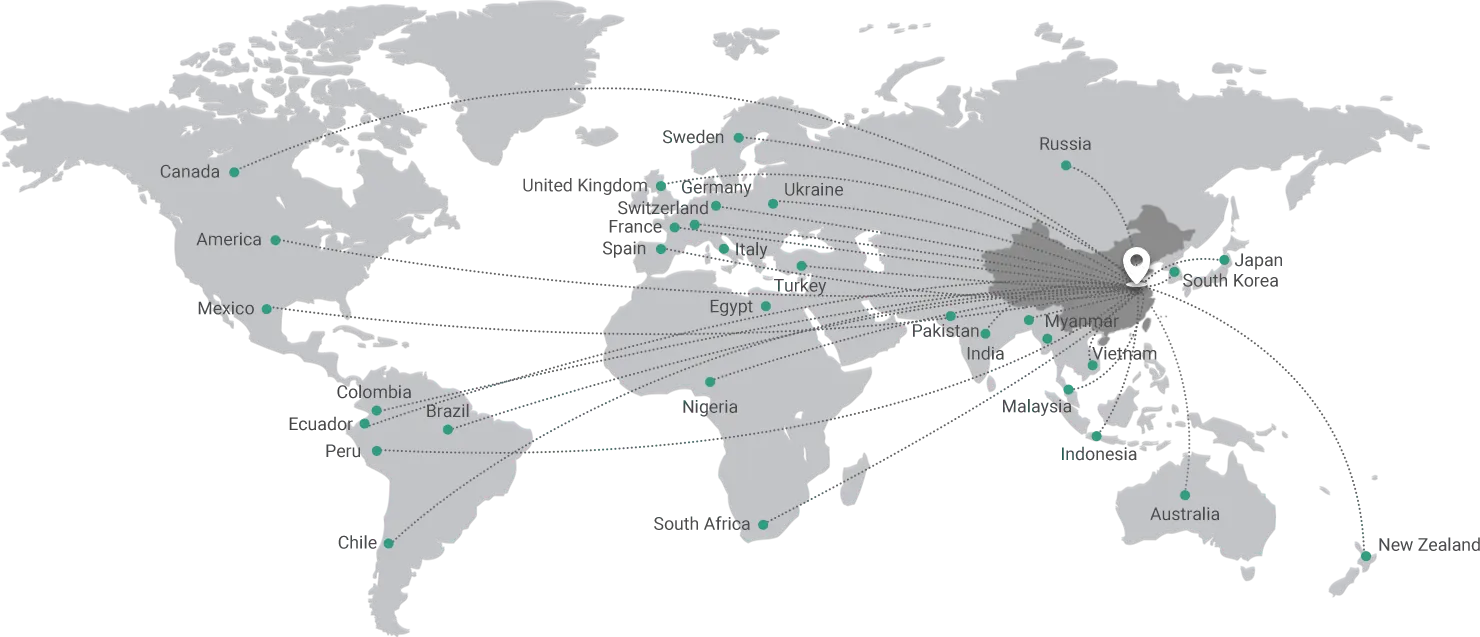
Supplying reliable monitoring instruments to over 40 countries and regions worldwide.
Technical explanations regarding petrochemical gas analysis, packaging compliance, and safety standards.
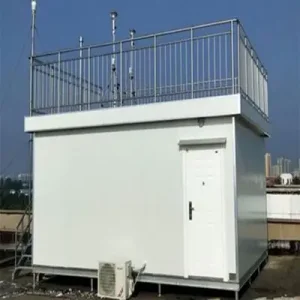
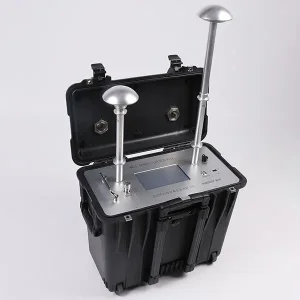
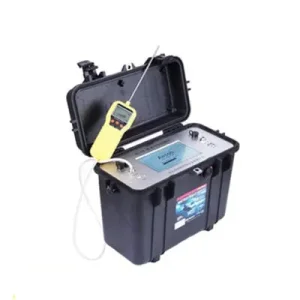
Explore our full line of environmental stations, portable indicators, and spectral telemeters.