 Airppb
Airppb
Airppb
Explore our core gas distribution, portable telemetry, and early warning intelligence configurations built for severe operational settings.
Comprehensive technical study on industrial gas sensing, VOC warning networks, and local regulatory protocols in extreme thermal environments.
In the rapid expansion of petrochemical corridors across the Gulf Cooperation Council (GCC) nations, environmental safety and health monitoring have undergone an intensive shift from reactive safety parameters to proactive, automated, real-time sensing. Brand selection in regions like Saudi Arabia, UAE, Qatar, and Kuwait relies heavily on ruggedized build-quality capable of enduring ambient sandstorms and operational heat index thresholds exceeding 55°C. As key providers of analytical systems, brands must demonstrate not only detection precision but high telemetry uptime, bringing technologies like Fourier Transform Infrared (FTIR) telemetry and Ion Mobility Spectrometry (IMS) to the forefront.
The core technological roadmap of Airpbb (Minnit) centers on multi-sensor fusion. By pairing high-sensitivity Photoionization Detectors (PID) with electrochemical modules and advanced spectroscopy, the target is to bypass traditional limitations of individual sensing layers.
Our macro-level monitoring designs cater to four high-stakes operational sectors:
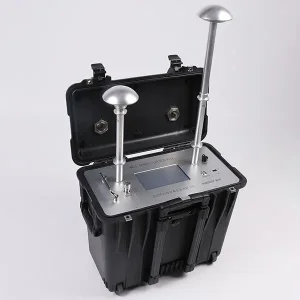
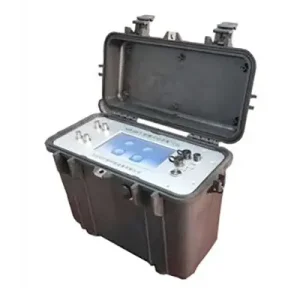
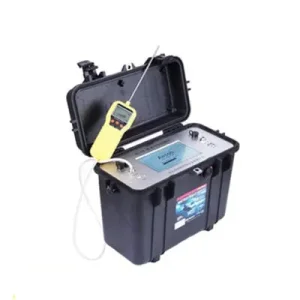
Fugitive hydrocarbon and H2S leak tracking utilizing the portable MR-A and micro-station MR-A(M) grids.
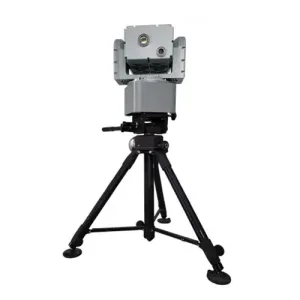
High-altitude monitoring of volcanic eruptions and large-scale gaseous movement via FTIR remote warning arrays.
Rapid chemical identification using IMS gas identifiers for prompt defense response during hazardous situations.
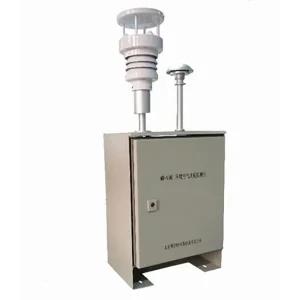
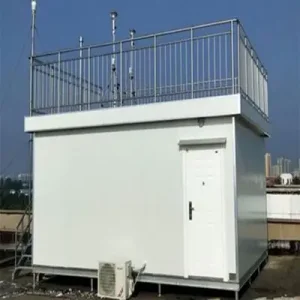
Odor evaluation (MR-AX Odor Gas Detector) and automatic station monitoring (MR-A(S)) for urban planning and smart cities.
To maintain an authoritative ranking in the Middle East, our instruments are developed with rigorous regional environmental constraints in mind. Dust ingress protection (IP66/IP67 rating) is paired with heavy-duty thermal isolation housings. Furthermore, our operations comply with critical local framework requirements:
Established in 2012, our group company has stood at the forefront of high-precision analytical equipment, specializing in Fourier infrared gas remote sensing imaging early warning systems, ambient air quality monitors, dynamic gas distribution meters, and multi-gas emergency detectors.
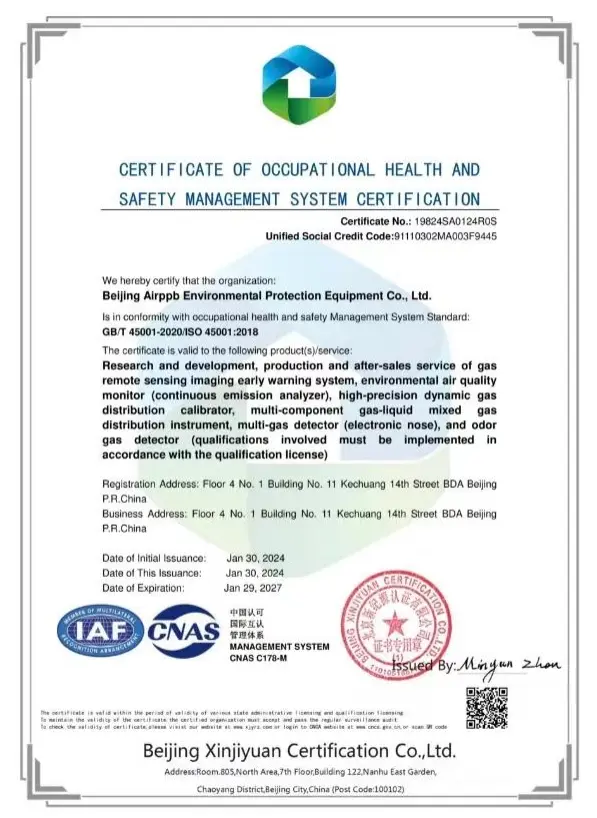
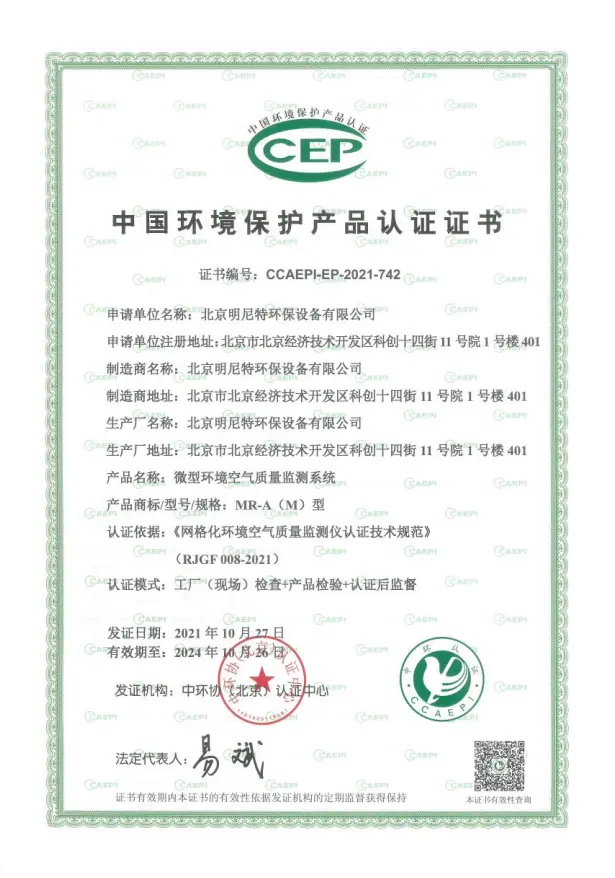
By integrating advanced software protocols with rugged hardware, we have developed a broad portfolio of proprietary intellectual property. Product quality strictly adheres to ISO9001, ISO14001, and ISO45001 certificates. We ensure our devices comply with certifications from national and international testing bureaus, including CPA, CCEP, CNAS, and CMA.
Minnit (Airpbb) is a national high-tech enterprise dedicated to the research, development, and industrial application of precision gas detection instruments. We harness technological innovation to achieve on-site, automated, and intelligent monitoring.
Having mastered gas analysis technologies across electrochemistry, PID, and optical spectroscopy, we deliver laboratory-grade analysis in portable, online, and mobile formats. Our goal is to provide global users with professional safety solutions across advanced industries and ecological emergencies.

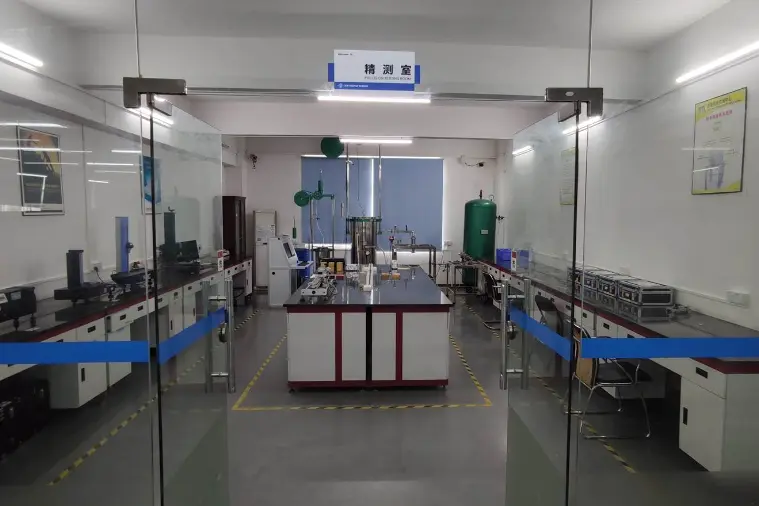
Step inside our advanced manufacturing facility engineered for precision, custom engineering, and rapid turnaround times.
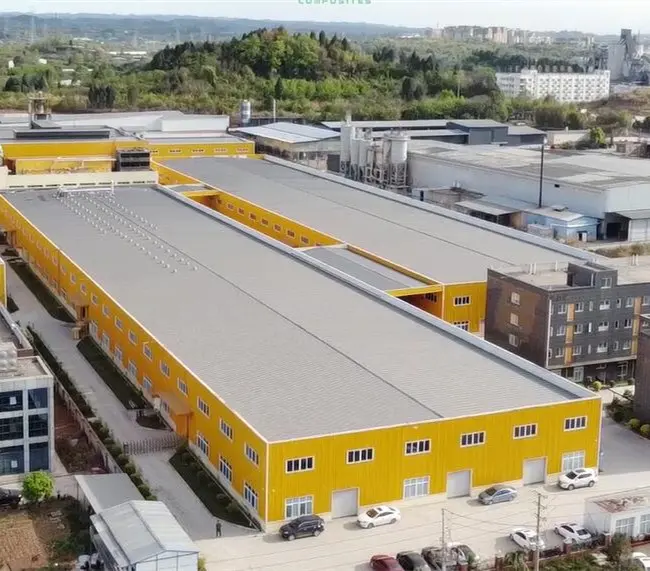
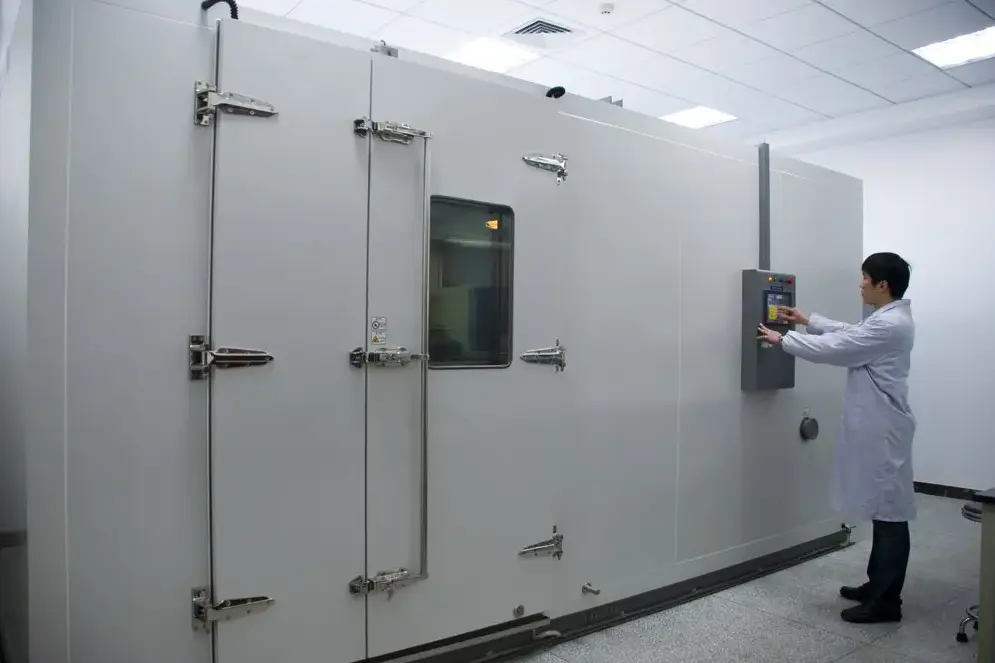
Operating a state-of-the-art Factory 4.0 setup in China enables us to maintain complete control over the fabrication process, from sensor calibration to robust enclosure molding. Our facility features Automated Calibration Chambers where dynamic gas mixers control baseline stability under tight humidity and temperature variables.
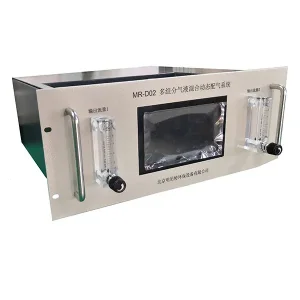
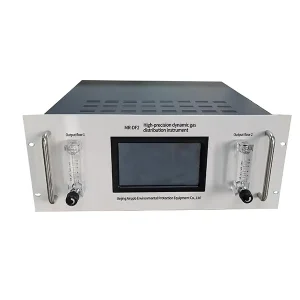
With a massive 60% of our entire corporate footprint dedicated to R&D, we offer rapid OEM and ODM turnarounds. Whether adjusting dynamic gas distribution systems (such as the MR-DF3) or modifying volatile tracking profiles on our portable gas instruments, our engineering team handles custom integrations quickly and reliably.



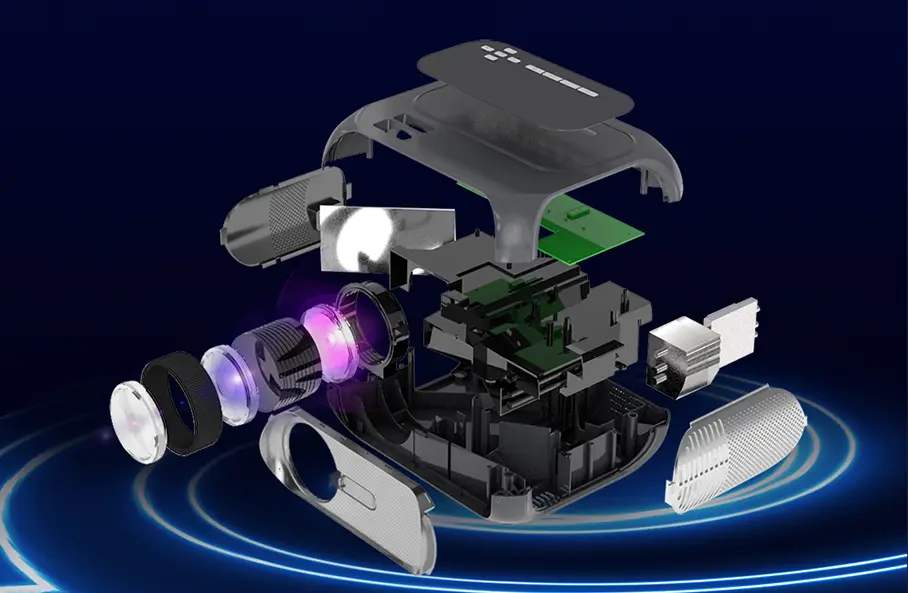

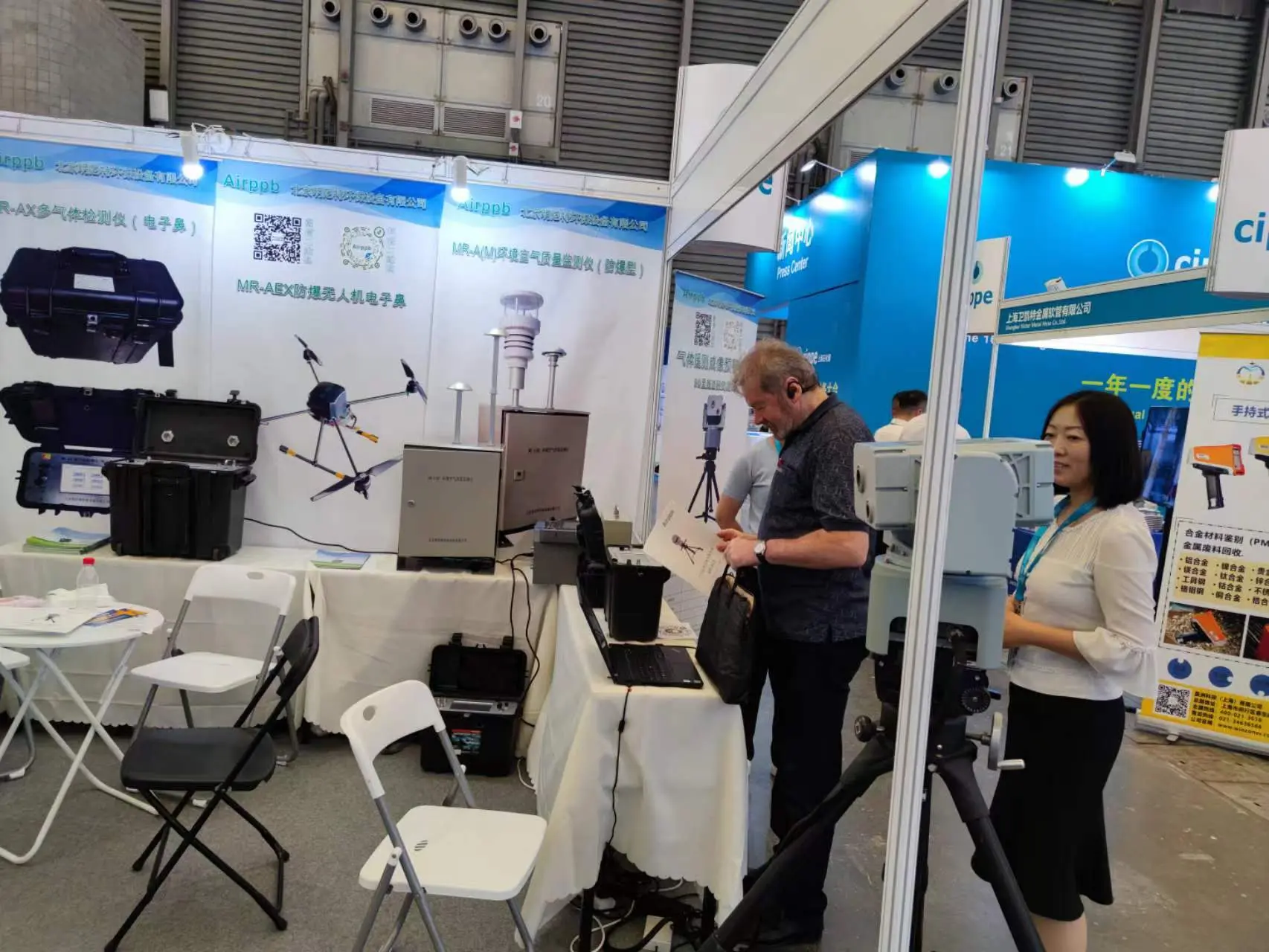
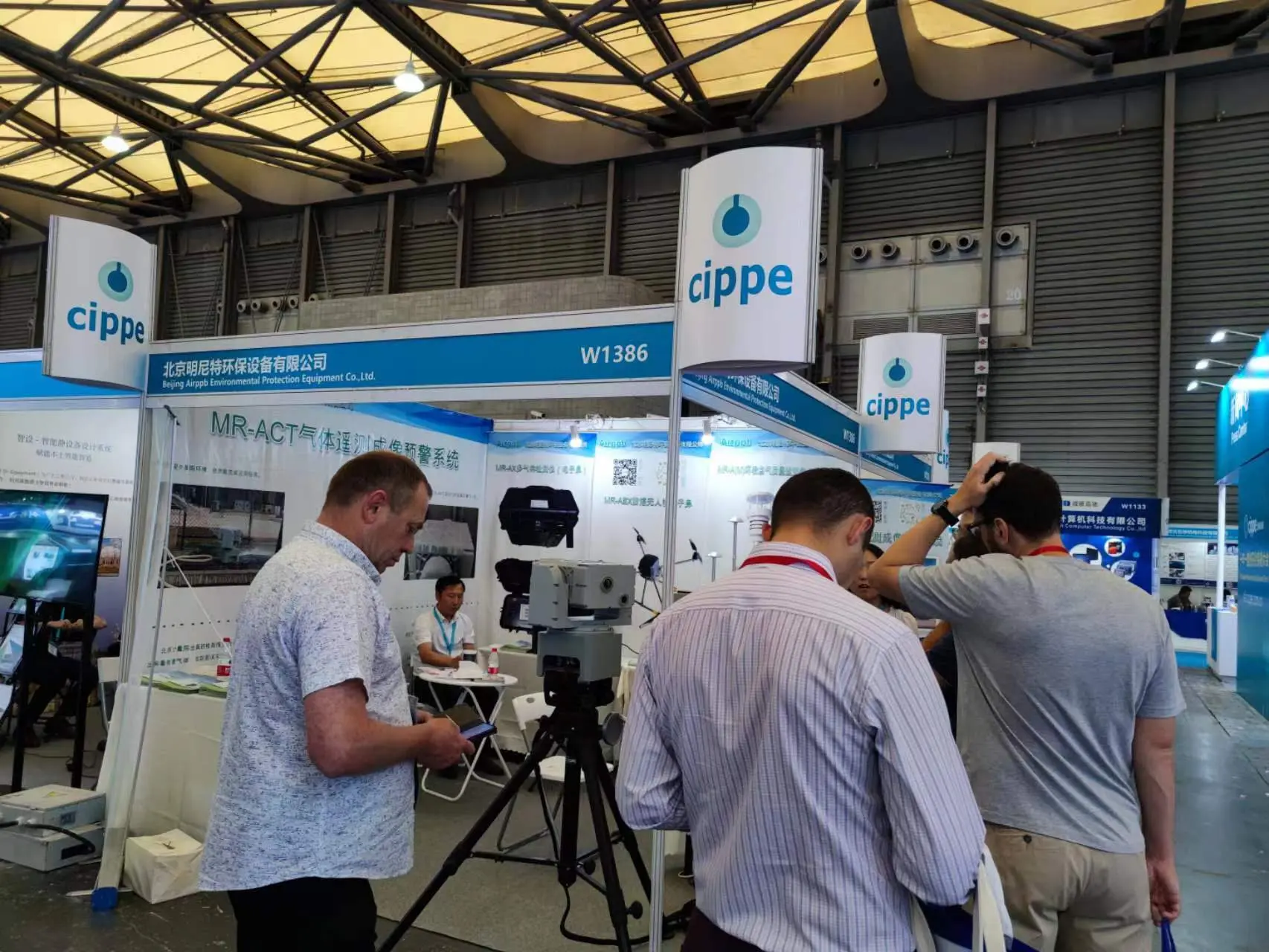
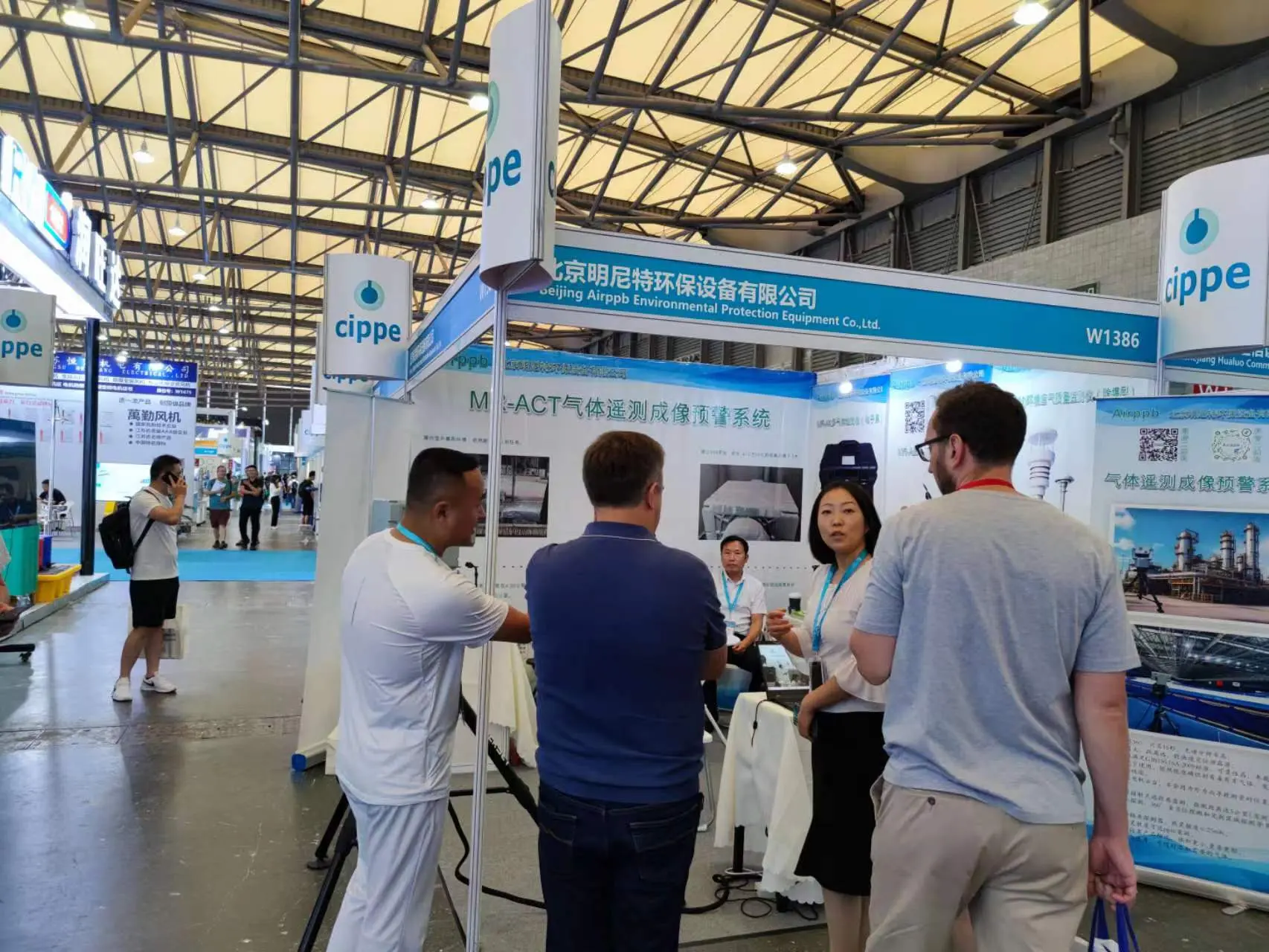
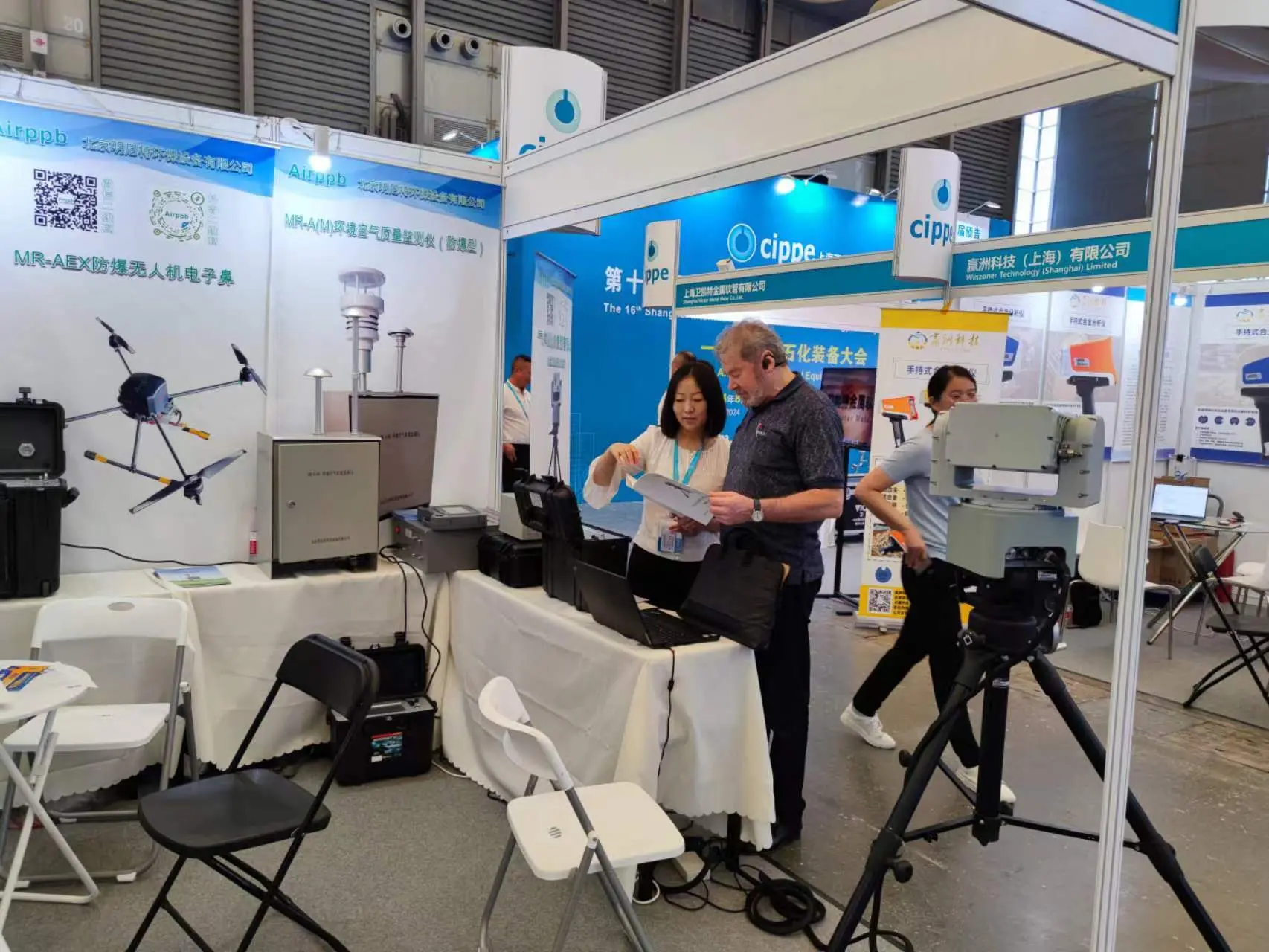
Verified testing performance and a track record of international environmental and instrumentation showcase appearances.
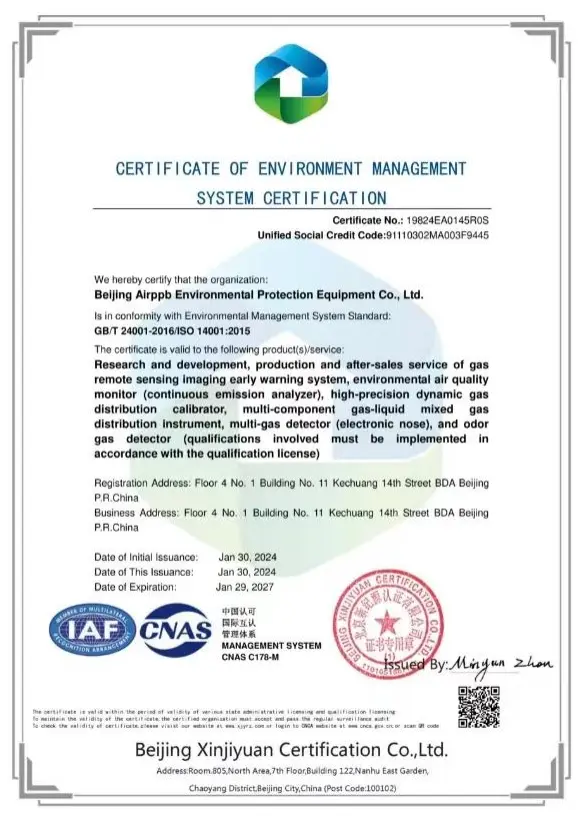
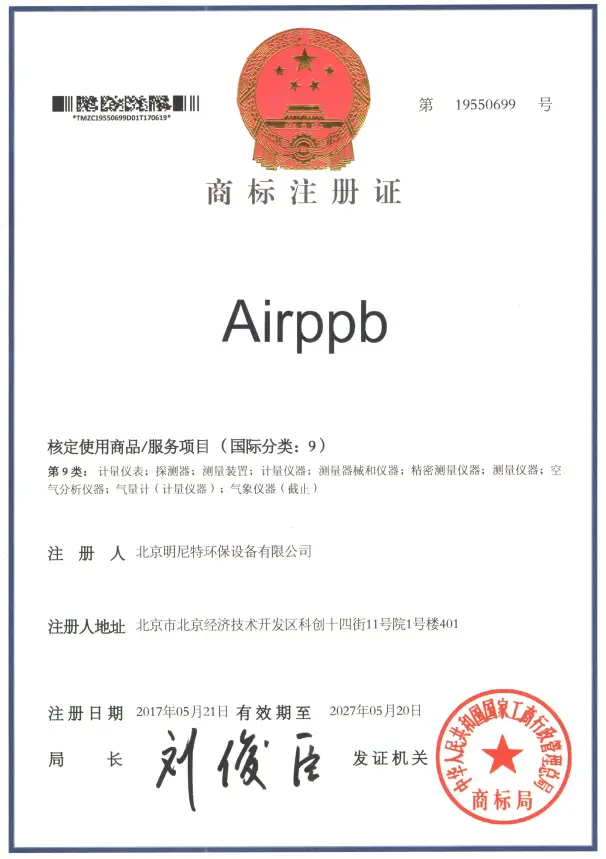
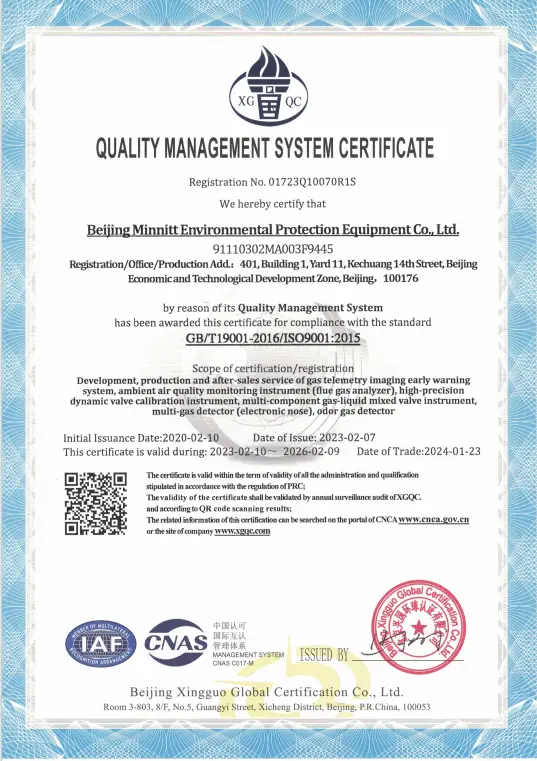



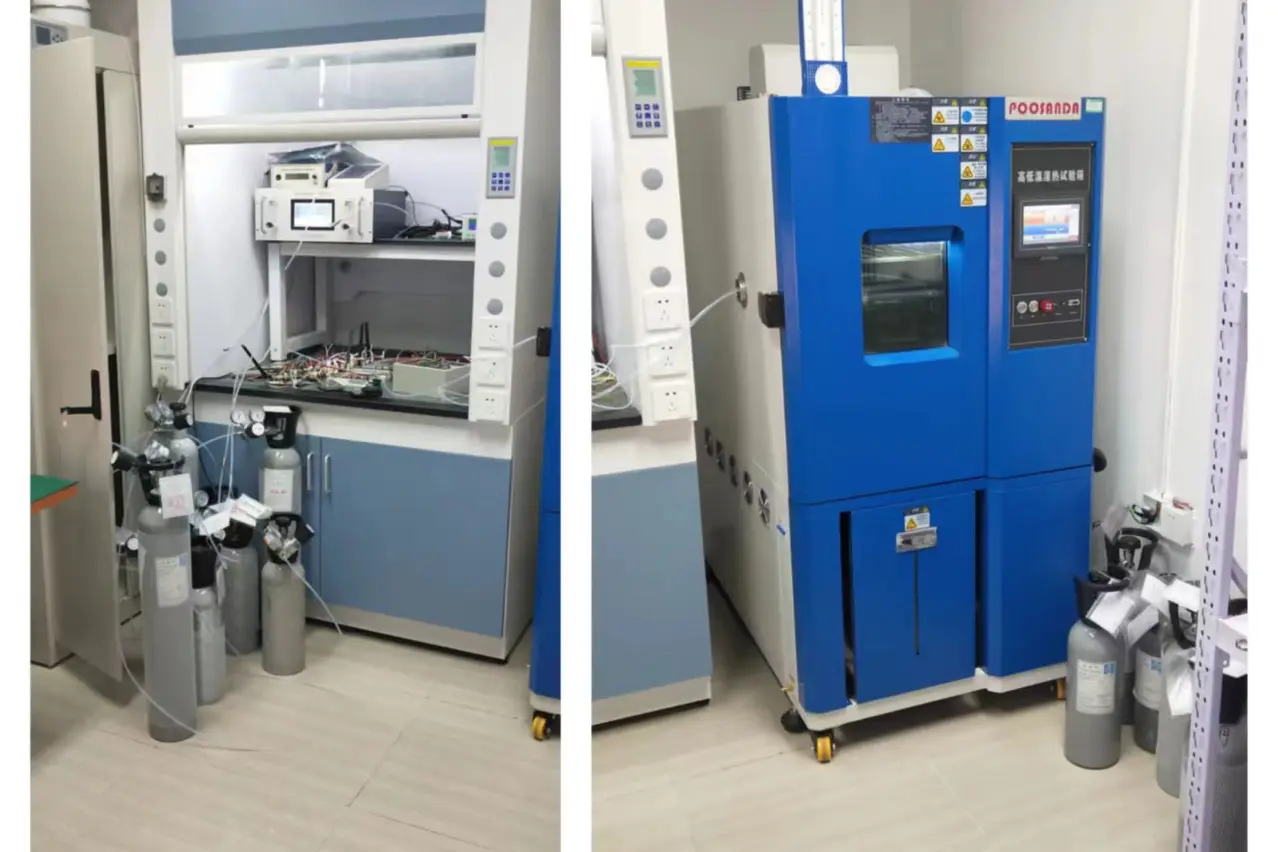
A strategic guide for procurement leads, safety directors, and environmental compliance consultants operating in heavy industry.
Industrial buyers at major oil producers (Aramco, ADNOC, SABIC) prioritize key technical parameters when selecting gas detection systems:
Standard PID systems require monthly calibrations due to sensor degradation. The Airpbb design integrates robust micro-chambers that reduce drift, extending maintenance intervals to six-month periods under typical dust conditions.
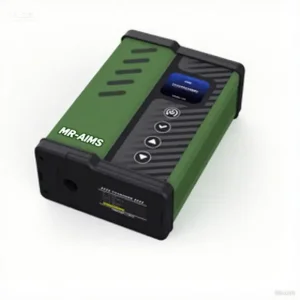
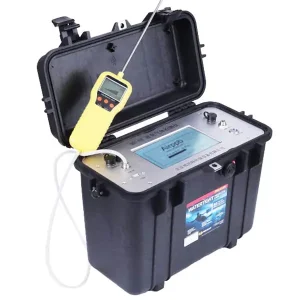
A key priority for emergency crews is the capability to detect multiple target gases simultaneously. Portable multi-gas detectors, such as the MR-AX, allow detection across dozens of distinct compounds in a single compact device.
Early warning systems must feed data directly into unified control systems (SCADA/DCS) via standard protocols like Modbus RTU or wireless cellular nodes. This enables plant operators to trigger regional safety shutdowns instantly when thresholds are breached.
Our products protect industrial facilities, environmental sites, and cities in over 40 countries across Asia, Europe, and the Middle East.
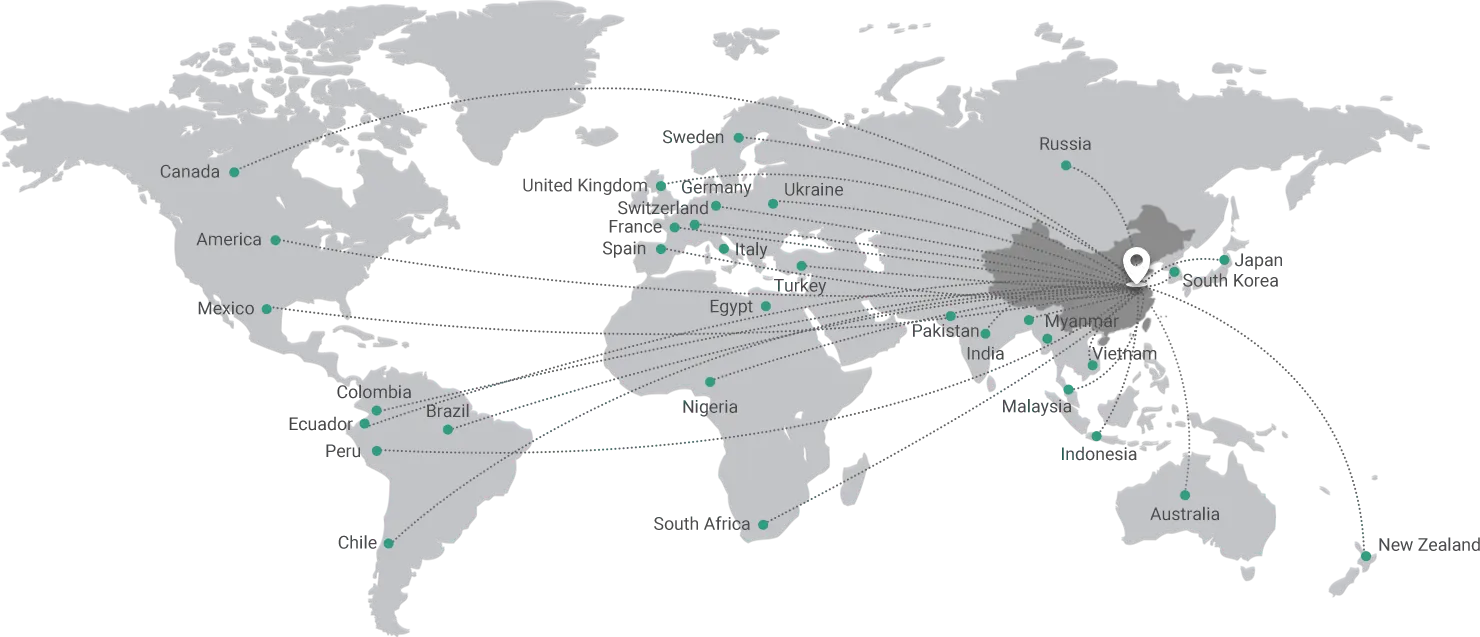
Detailed technical answers addressing standard search queries regarding environmental safety technology, gas analyzer calibration, and FTIR remote sensing.
Explore our specialized gas telemetry, automatic tracking, and early warning detector catalog designed for challenging conditions.