 Airppb
Airppb
Airppb
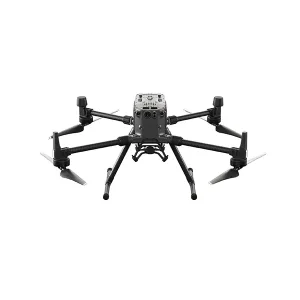 Environmental Protection Industry MR-FAT Fourier Transform Infrared Telemeter
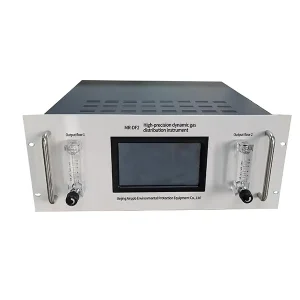 MR-DF2 High-Precision Dynamic Gas Distribution Instrument
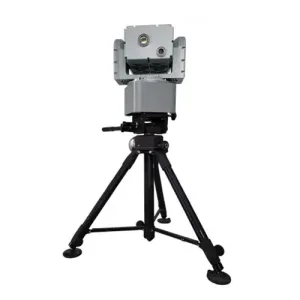 Russia MR-ACT Gas Telemetry Imaging Early Warning System
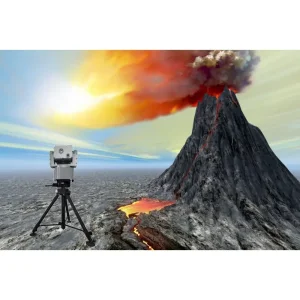 Middle East MR-ACT Remote Volcanic Gas Monitoring System
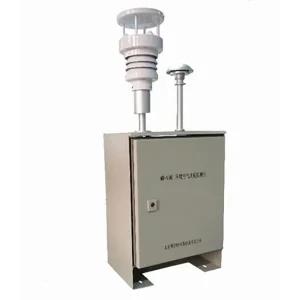 MR-A(M) Ambient Air Quality Monitor (Micro Station)
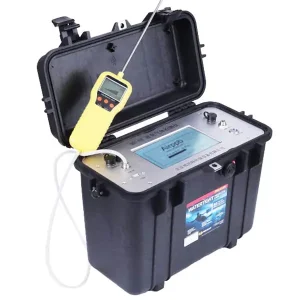 Military MR-AX Multi-Gas Detector (Dozens Of Gases)
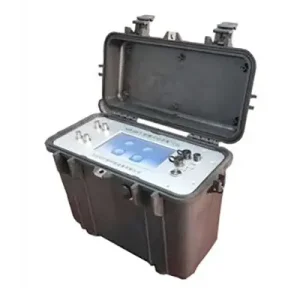 MR-DF3 Portable High-Precision Dynamic Gas Distribution
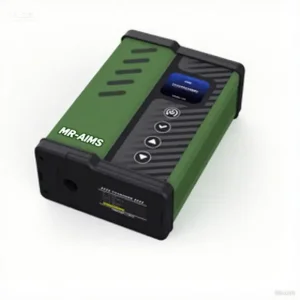 Middle East MR-AIMS Handheld IMS Chemical Identifier
The global LPG (Liquefied Petroleum Gas) detection market is undergoing a seismic shift driven by stringent safety regulations and the rapid industrialization of emerging economies. In 2024, the demand for high-precision gas concentration detectors has transcended simple "leak detection" to encompass comprehensive environmental monitoring and real-time data analytics. Industries ranging from petroleum and petrochemicals to urban residential safety are prioritizing sensors that offer zero-drift performance and IoT connectivity.
Global enterprises are no longer satisfied with passive alarms. The current commercial requirement is for active early warning systems that integrate with Building Management Systems (BMS) and Industrial Control Systems (ICS). As a result, manufacturers are investing heavily in technologies like Fourier Transform Infrared (FTIR) and Photoionization Detection (PID) to ensure maximum sensitivity and reliability in harsh environments.
Global CAGR Growth
Gases Detectable
Response Time
Sensor Lifespan
The Middle East, specifically the GCC region (UAE, Saudi Arabia, Qatar, Kuwait), serves as the world's primary energy hub. In these regions, LPG and natural gas infrastructure are exposed to extreme temperatures, high humidity, and sandstorm conditions. Standard gas detectors often fail due to sensor poisoning or thermal drift. This is why specialized Middle East LPG Gas Concentration Detector Manufacturers are ranked based on their equipment's durability and environmental resilience.
Localized application scenarios include offshore oil platforms in the Arabian Gulf, massive LNG processing facilities in Qatar, and smart city residential complexes in Dubai. In these settings, the accuracy of gas concentration measurements is critical for preventing catastrophic failures. Our MR-series detectors are specifically engineered to maintain calibration integrity even when ambient temperatures exceed 50°C, a prerequisite for any top-ranked manufacturer in this region.
Advanced compensation algorithms ensure readings remain accurate despite extreme Middle Eastern heat.
IP67 and explosion-proof housings designed for offshore and coastal petrochemical plants.
Wireless integration allowing central command centers to monitor vast pipeline networks in real-time.
The industry is moving toward AI-integrated gas analysis. Modern detectors are becoming "smart sensors" that use machine learning to distinguish between target LPG concentrations and background noise or cross-interfering gases. This reduces false alarms, which is a major pain point for industrial operators. Furthermore, the trend toward miniaturization allows for portable, high-precision instruments like the MR-AX series, which can measure dozens of gases in a single handheld device.
Another significant trend is the adoption of Telemetry Imaging. Our MR-ACT Gas Telemetry Imaging Early Warning System represents the pinnacle of this trend, allowing operators to "see" gas clouds from a distance using infrared technology before they reach dangerous concentration levels. This proactive approach is redefining the ranking criteria for global manufacturers.
As a national high-tech enterprise in China, our factory offers a unique blend of R&D depth and manufacturing agility. Buying directly from a Chinese manufacturer like Minnit provides several strategic advantages for global procurement teams:
Minnit is a national high-tech enterprise focusing on the research and development and industrialized innovative application of precision gas detection instruments. The company uses technological innovation to realize on-site, automated and intelligent analysis, detection and monitoring, and is committed to becoming the world's leading manufacturer of scientific instruments. It has mastered relatively complete gas analysis and detection technologies such as electrochemistry, PID, and spectroscopy, and developed laboratory Analysis, on-site analysis (portable, online, mobile), automated analysis and a series of technologically leading product portfolios provide global users with comprehensive and professional solutions in the fields of advanced industry, ecological environment emergency safety and other fields.
When sourcing LPG concentration detectors for international projects, procurement officers must consider the Total Cost of Ownership (TCO). This includes not just the purchase price, but the cost of calibration, sensor replacement, and potential downtime. A top-ranked manufacturer provides instruments that are "self-calibrating" or require infrequent maintenance. Our MR-DF series, for instance, provides high-precision dynamic gas distribution, allowing for on-site calibration and verification, which is essential for maintaining safety standards in remote Middle Eastern extraction sites.
Key application fields include:
1. Advanced Industry: Monitoring gas leaks in refineries and chemical plants.
2. Ecological Safety: Detecting VOCs and LPG in ambient air to meet environmental regulations.
3. Emergency Response: Handheld IMS chemical identifiers for first responders in case of gas-related accidents.
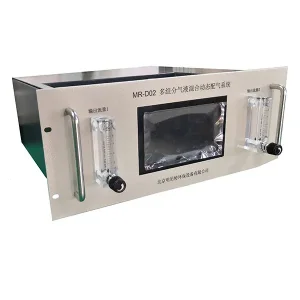 MR-DO2 Multi-Component Gas-Liquid Mixing Instrument
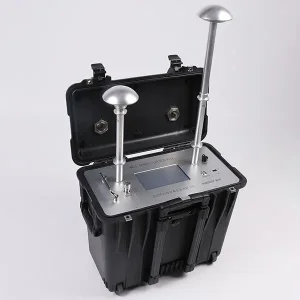 MR-A Ambient Air Quality Monitor (Portable)
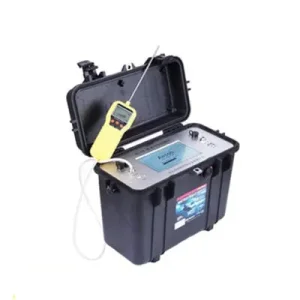 Emergency MR-AX Odor Gas Detector (Type Identification)
Emergency MR-AX Odor Gas Detector Brand
Petrochemical Industry MR-A Portable Monitor
Military Grade MR-AX Multi-Gas Detector
MR-DF2 High-Precision Gas Distribution Brand
MR-FAT Fourier Transform Infrared Ranking
Emergency MR-AX Odor Gas Detector (Type Identification)
Emergency MR-AX Odor Gas Detector Brand
Petrochemical Industry MR-A Portable Monitor
Military Grade MR-AX Multi-Gas Detector
MR-DF2 High-Precision Gas Distribution Brand
MR-FAT Fourier Transform Infrared Ranking