 Airppb
Airppb
Airppb
Explore our flagship instrumentation lineup deployed globally across mining, petrochemical, safety, and defense applications.
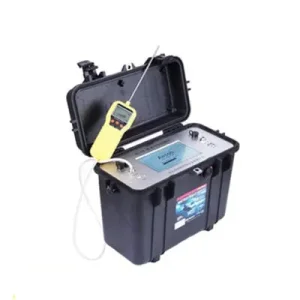
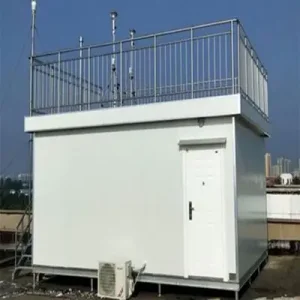
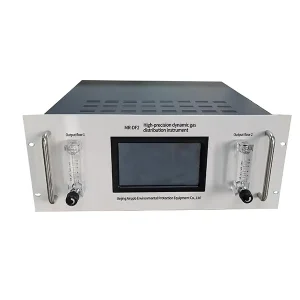
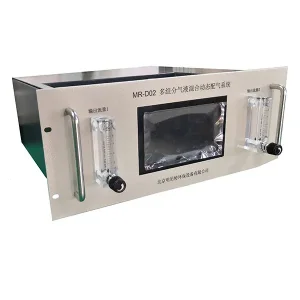
Within the modern downstream, midstream, and upstream domains of the petroleum and petrochemical industries, safety and analytical exactness are non-negotiable. Precision instruments designed to test material limits and analyze ambient environments mitigate risk, assure compliance with strict occupational health guidelines, and directly optimize operation margins. Minnit (Airppb), as a state-level, high-tech enterprise, specializes in the research, development, and industrial manufacturing of high-precision gas detection systems and material testing technologies.
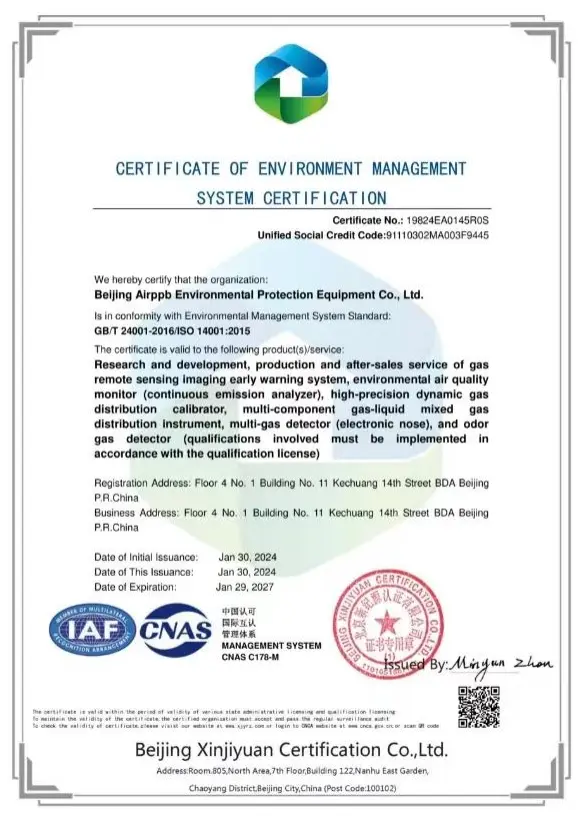
Beijing Airpbb Environmental Protection Equipment Co., Ltd. (the parent group founded in 2012) has established itself at the forefront of remote gas telemetry, fourier transform infrared spectroscopy (FTIR), dynamic gas distribution, and micro-air quality monitoring. By utilizing cutting-edge technologies including electrochemical sensors, photoionization detectors (PID), and advanced infrared telemetry, our solutions ensure rapid, on-site, automated, and intelligent monitoring. Operating under international standards—such as ISO9001 for quality control, ISO14001 for environmental management, and ISO45001 for occupational health—our instrumentation has achieved recognition by regulatory organizations through certifications like CPA, CCEP, and CNAS/CMA testing protocols.

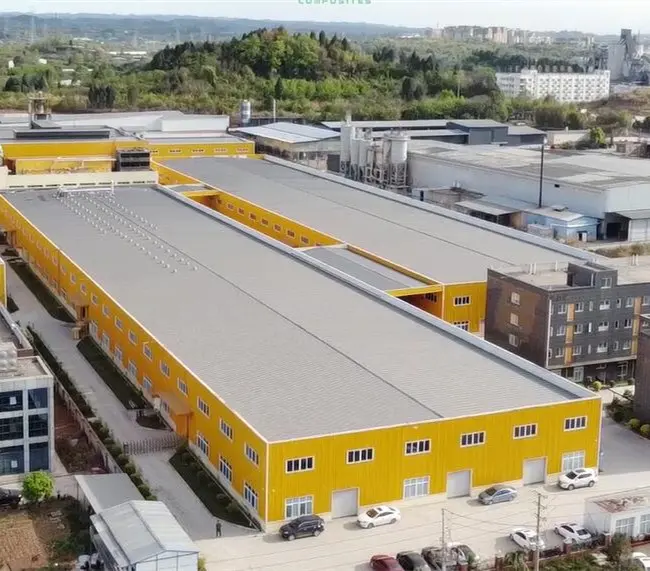
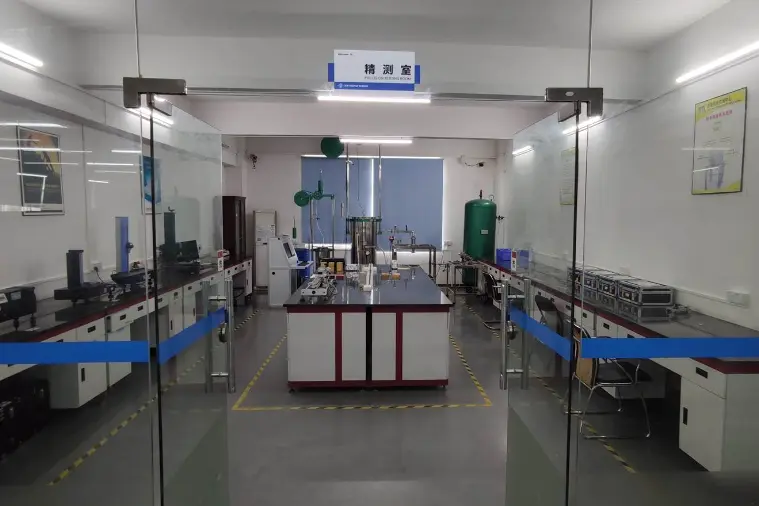
Manufacturing scientific-grade testing equipment demands robust quality control alongside an efficient supply chain. Located in Beijing, China, Airpbb benefits from a mature industrial ecosystem, allowing rapid sourcing of high-purity components, advanced optical lenses, precision mass flow controllers, and rugged, explosion-proof enclosures. This structural advantage allows us to transition custom concepts into operational prototypes in fraction of the time compared to Western competitors.
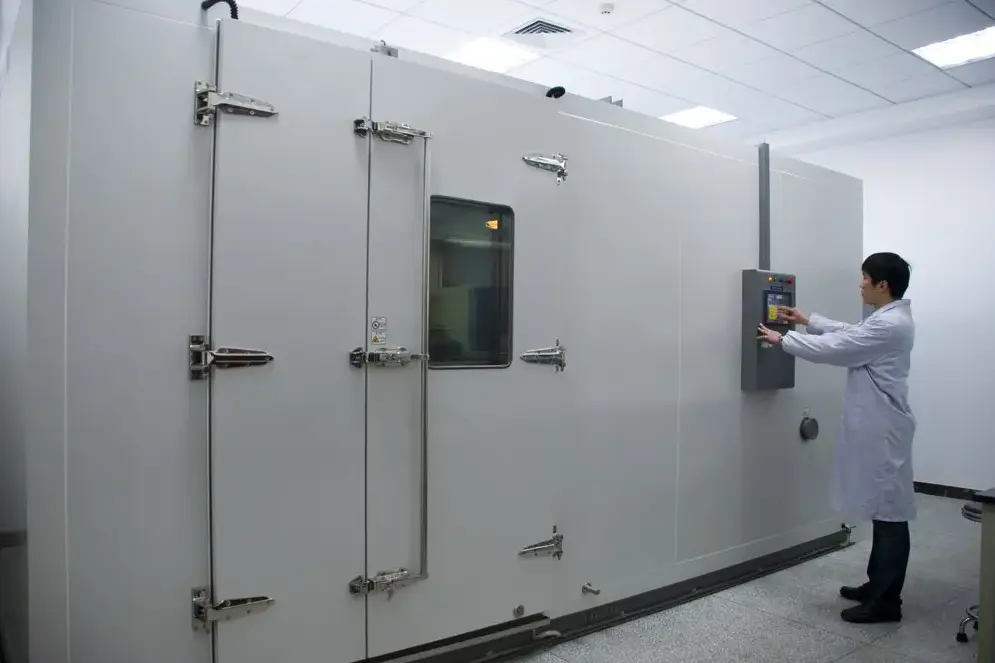
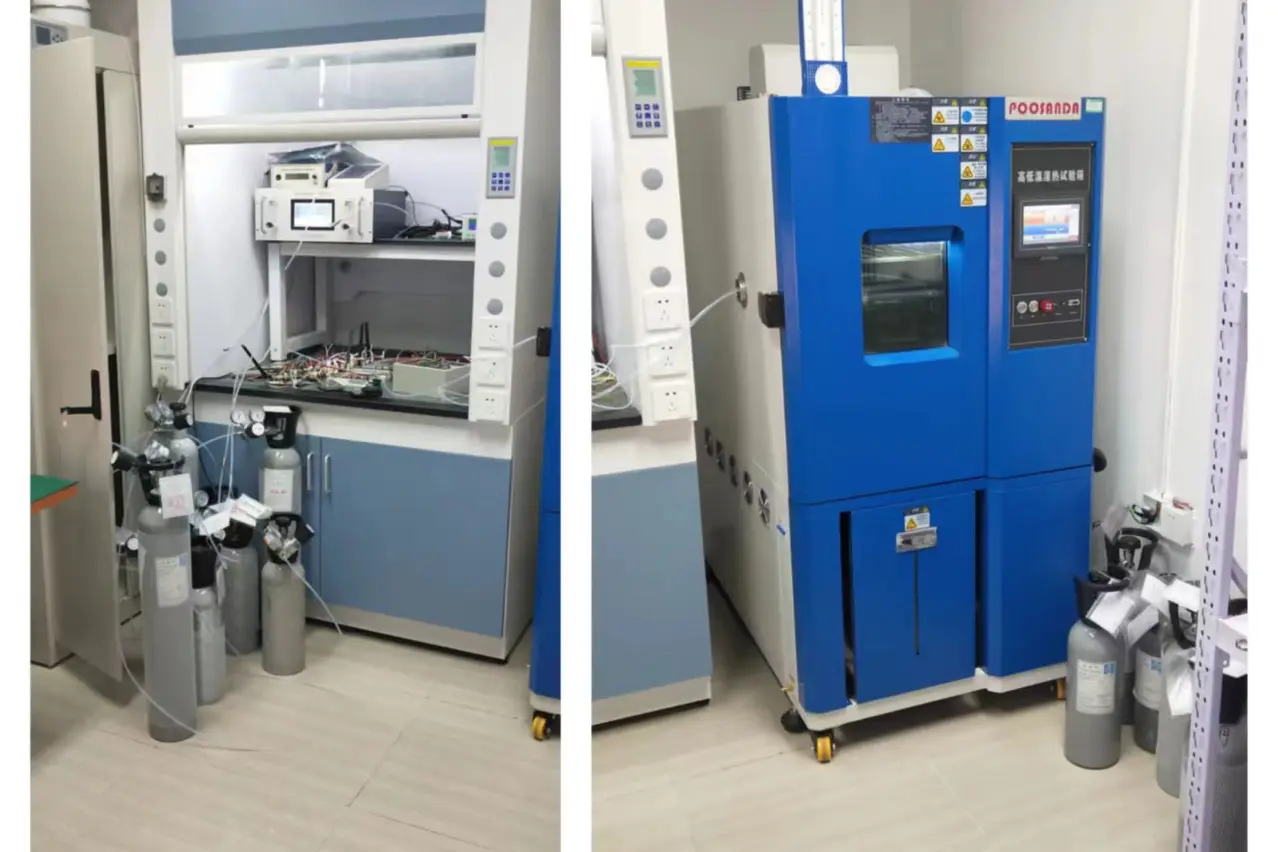
Our integrated production line utilizes automated calibration chambers and high-purity dynamic gas dilutors to verify sensor accuracy under extreme thermal and pressure conditions, replicating localized industrial hazards.
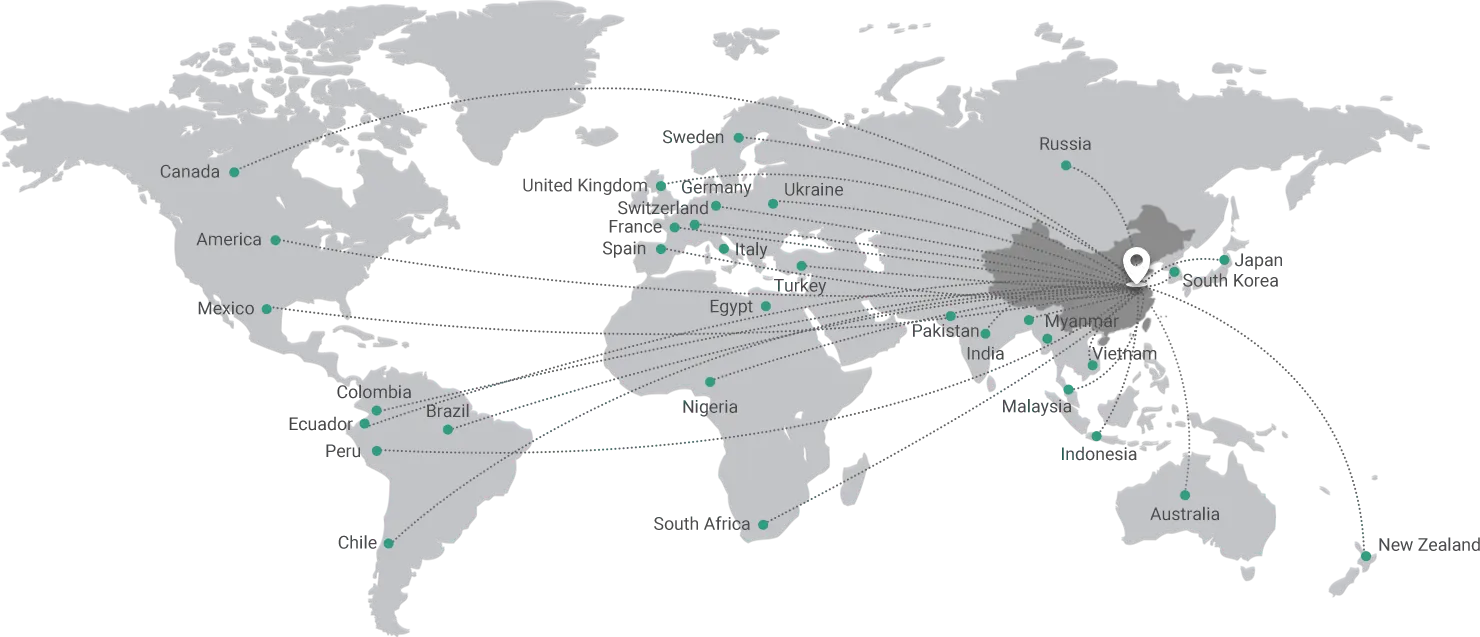
By cooperating directly with global shipping networks, we deliver complex analytical arrays to refineries, defense facilities, and research centers in over 40 countries, providing certified crating and regulatory documentation.
Addressing the critical compliance, calibration, and integration factors that global procurement managers look for when choosing material testing solutions.
Every petrochemical and military facility demands verified certification. Airpbb designs and manufactures instruments strictly conforming to CCEP (China Clean Energy/Environment Protection) standards, CPA (Pattern Approval of Measuring Instruments), and maintains testing reports certified by CNAS and CMA. This regulatory alignment ensures that our analyzers can be immediately integrated into compliance monitoring workflows without licensing delays.
For enterprise buyers, the calibration of standard testing arrays is critical. Static gas mixes are prone to degradation; therefore, the industry relies on dynamic gas distribution systems. Devices like the MR-DF2 High-Precision Dynamic Gas Distribution Instrument utilize mass flow controller (MFC) systems to produce precise calibration gas mixtures in real-time, validating and aligning multi-gas detectors across the entire operational footprint.
No two industrial setups are identical. Global buyers often require custom form factors, tailored software interfaces, specific communication protocols (Modbus, Profibus, LoRaWAN), and customized explosion-proof enclosure ratings. With our Beijing-based R&D department representing 60% of our workforce, we provide robust, multi-tier OEM/ODM pathways, allowing clients to confidently white-label our products.
As environmental safety and carbon accounting policies tighten globally, the technology supporting gas detection and material testing is transitioning away from reactive spot-checking toward proactive, spatial, and analytical telemetry. The industry is being driven by several critical technological trends:
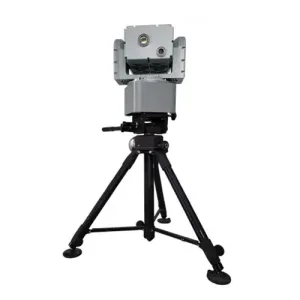
FTIR telemetry allows for the visual identification of gas clouds over long distances in real-time. Systems like the Environmental Protection Industry MR-FAT utilize interferometers to capture dynamic spectral profiles, identifying fugitive emissions and gas leaks from hundreds of meters away without physical contact.
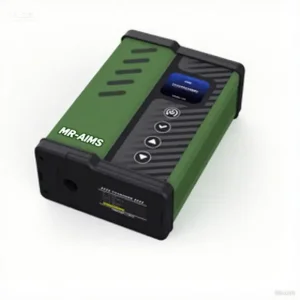
IMS provides detection for trace chemicals and explosive precursors. IMS devices, such as the MR-AIMS Handheld Chemical Identifier, detect and categorize molecules within milliseconds, ensuring emergency crews are protected against hazardous chemical compounds in the field.
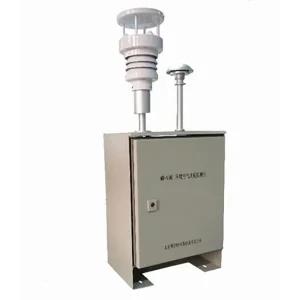
Traditional air monitoring stations are large and require complex shelter infrastructure. The market is shifting toward compact, solar-powered micro air quality monitor grids (e.g., the MR-A(M) Micro Air Station). These units combine multiple sensor types to monitor SO2, NOx, CO, O3, PM2.5, and volatile organic compounds (VOCs) across industrial fence lines, providing real-time data inputs to control rooms.
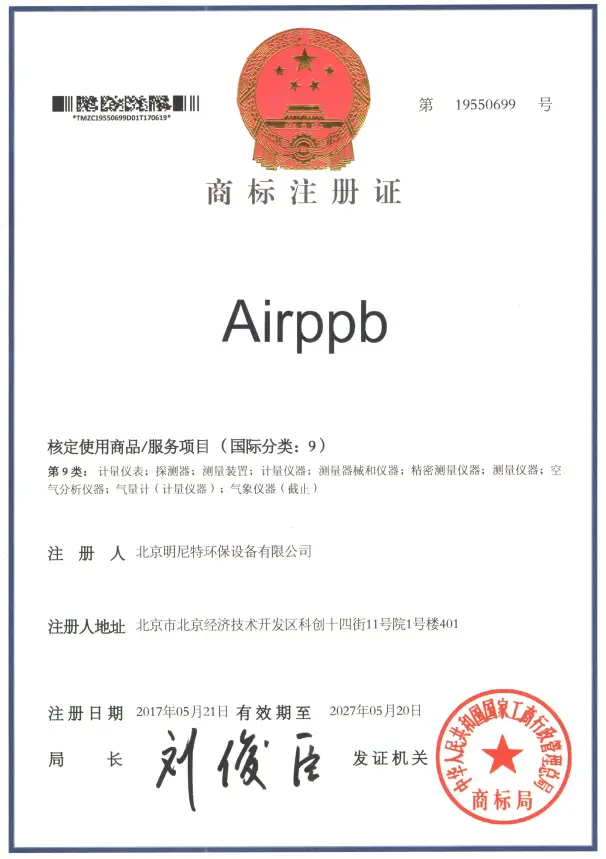
Our commitment to precision is backed by strict compliance audits, standard testing credentials, and quality assurance framework certificates.
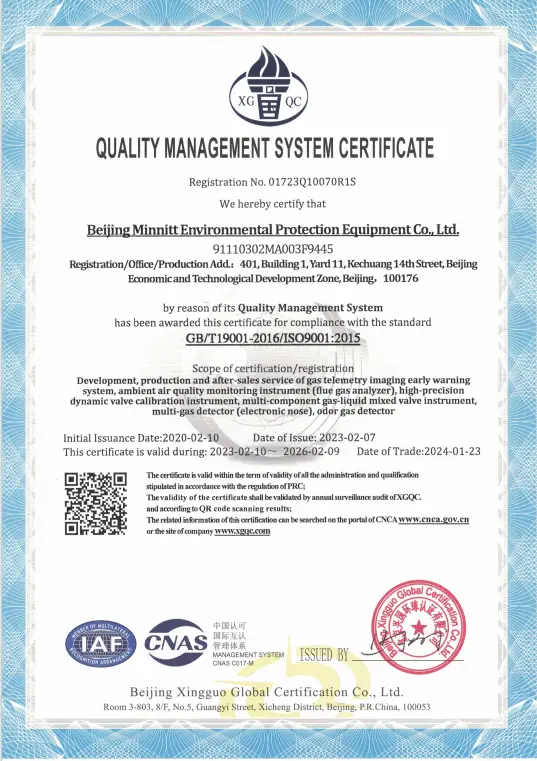
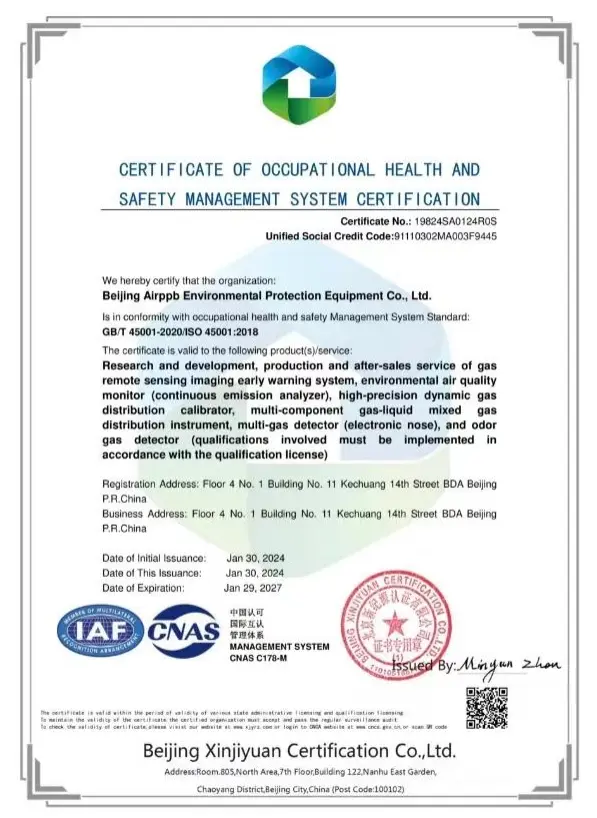
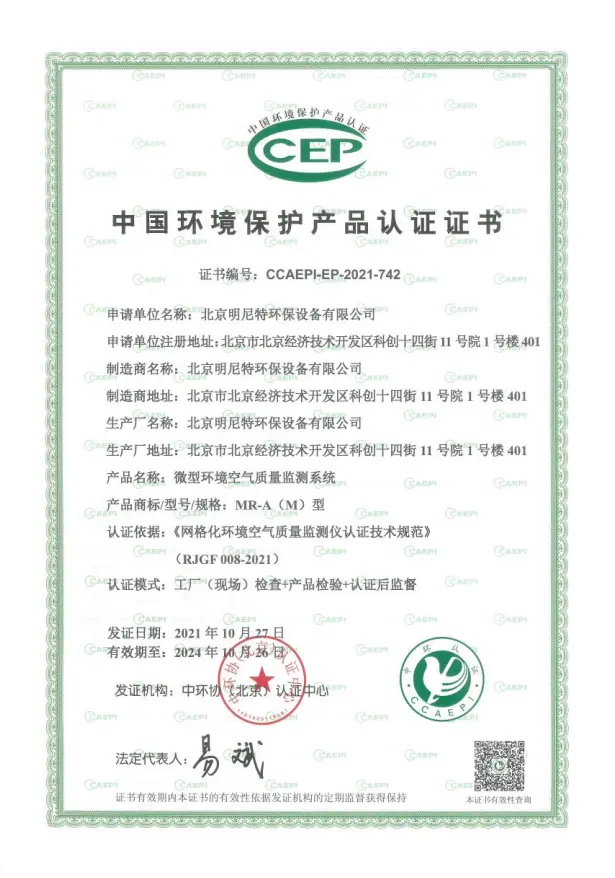
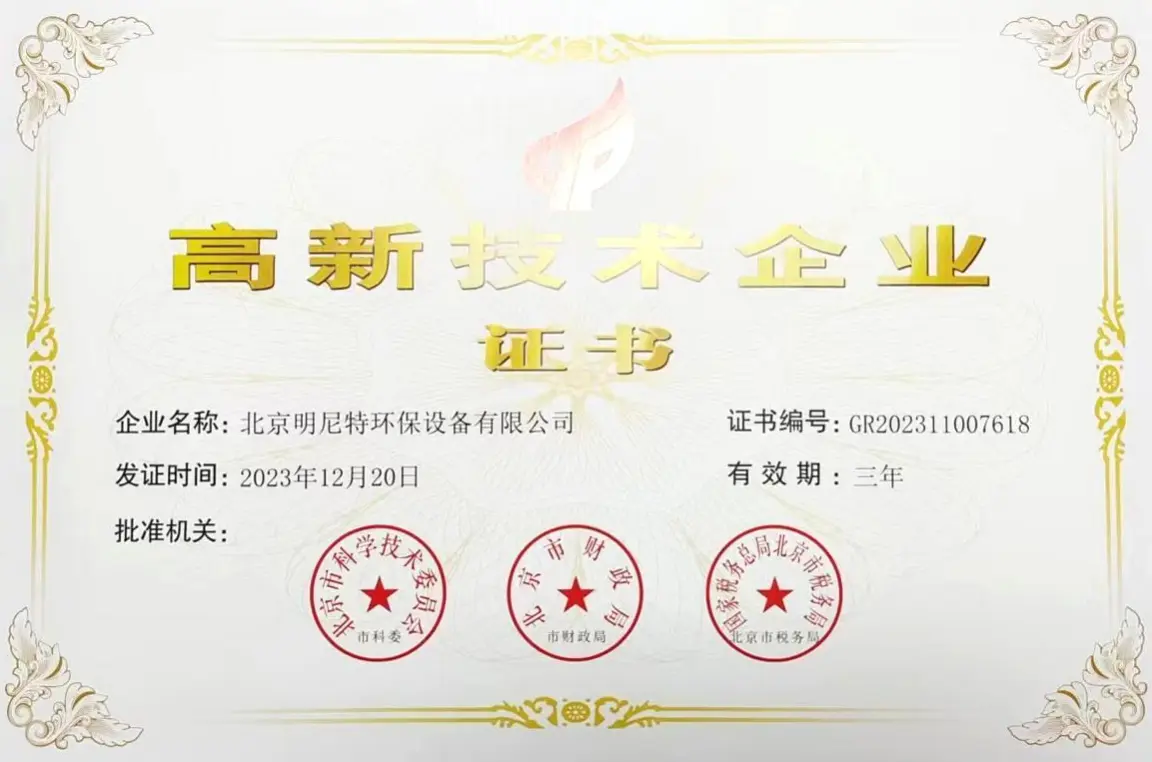
Analyzing how these analytical and early warning systems operate across diverse, high-risk industrial environments.
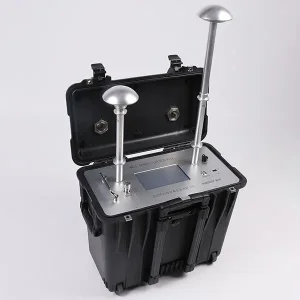
Fugitive VOCs and toxic compounds (like H2S and Benzene) present ongoing safety concerns in petrochemical refining environments. Deploying continuous automatic stations like the MR-A(S) Ambient Air Quality Monitor around refinery boundaries ensures immediate detection of low-concentration leaks. This keeps operators aligned with national air quality requirements and provides records for regulatory audits.
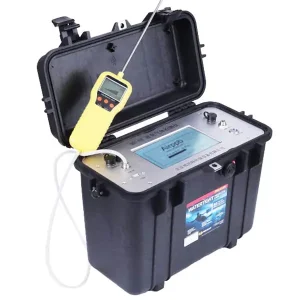
During industrial incidents or chemical spills, responders must identify hazardous materials before entering the exclusion zone. Utilizing the Emergency MR-AX Odor Gas Detector, which is designed to classify dynamic odor profiles, along with the Military MR-AX Multi-Gas Detector, allows teams to analyze complex atmospheric chemistry and identify hazardous environments quickly.
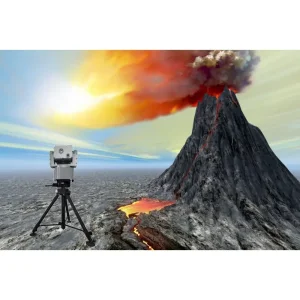
In areas with active geological features, such as the Middle East's tectonic zones, volcanic vents emit toxic levels of SO2, H2S, and CO2. The Middle East MR-ACT Remote Volcanic Gas Monitoring System uses rugged optical sensors to monitor plume concentrations over long distances, transmitting real-time safety data to civil defense networks.
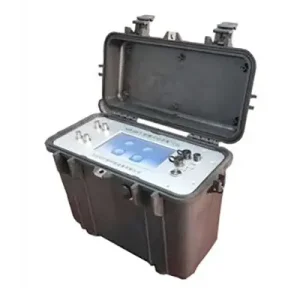
Testing labs and calibration centers require reliable gas standards. Handheld systems must be calibrated using dynamic, certified techniques. The Military MR-DF3 Portable High-Precision Dynamic Gas Distribution Meter enables lab technicians to mix gas concentrations on-site, verifying sensor calibration curves and maintaining traceability.
We supply analytical instruments built to withstand harsh petrochemical processes. Our R&D and engineering teams support custom project specifications, helping you simplify complex compliance tasks and maintain site safety.
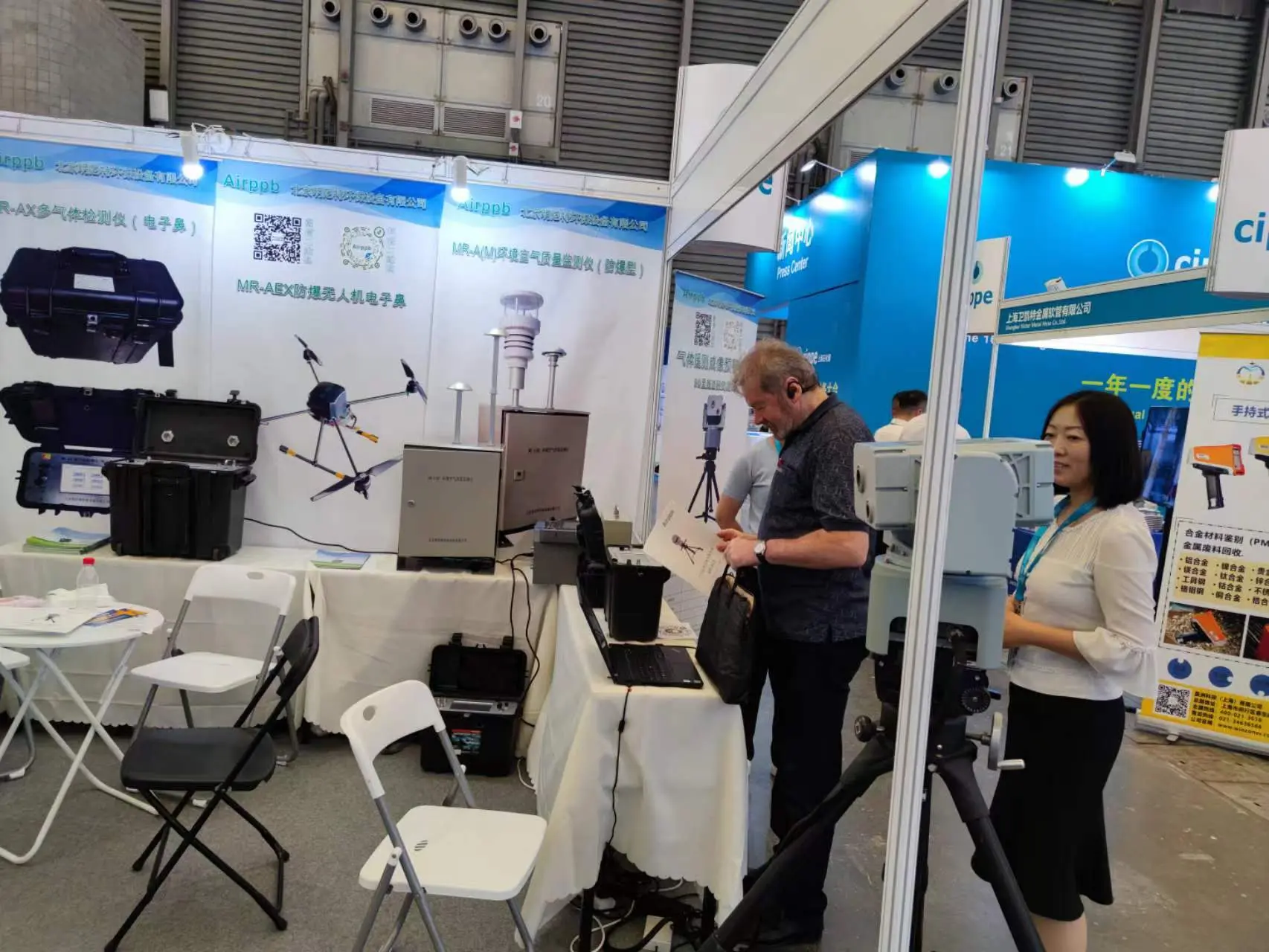
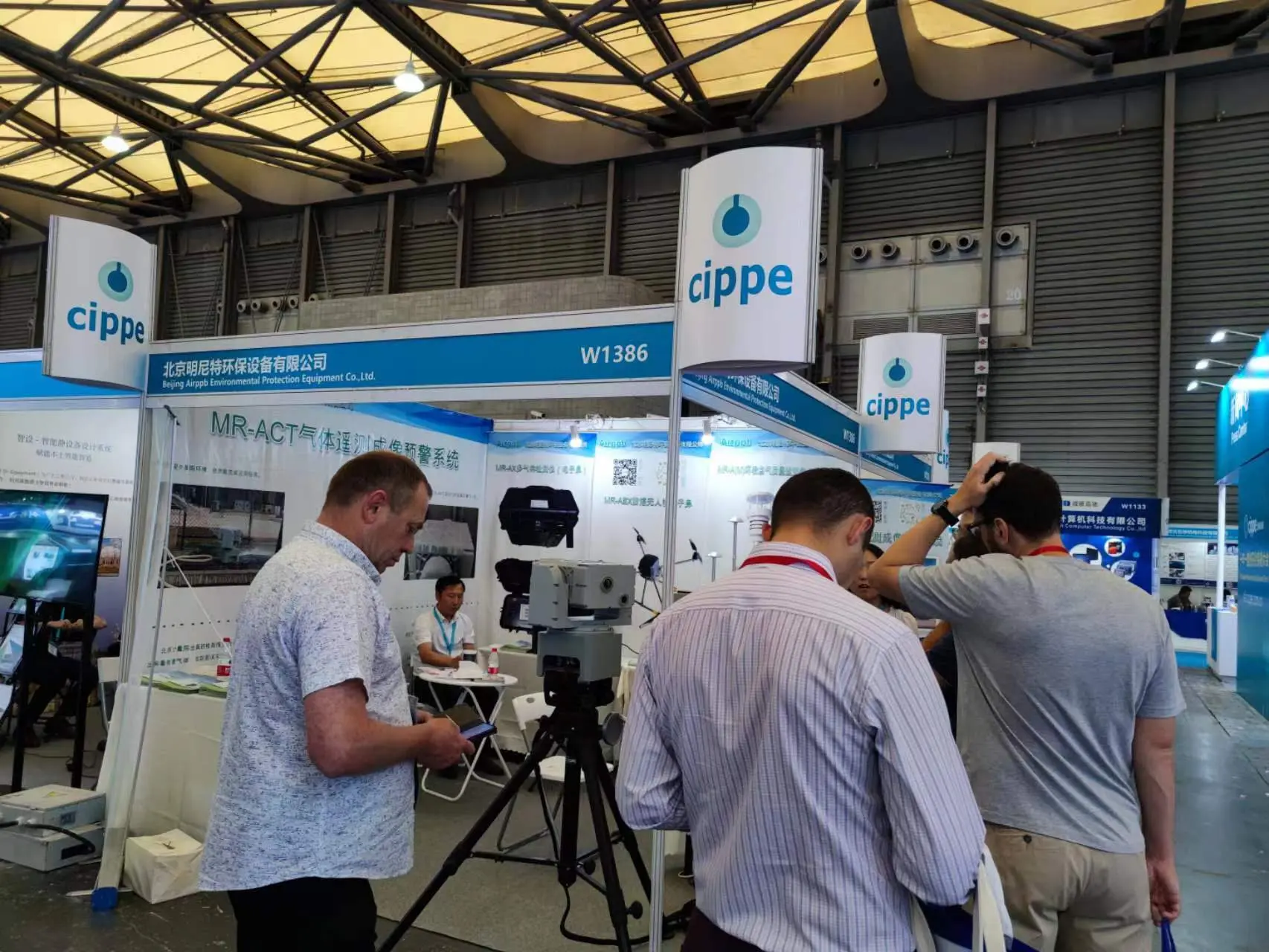
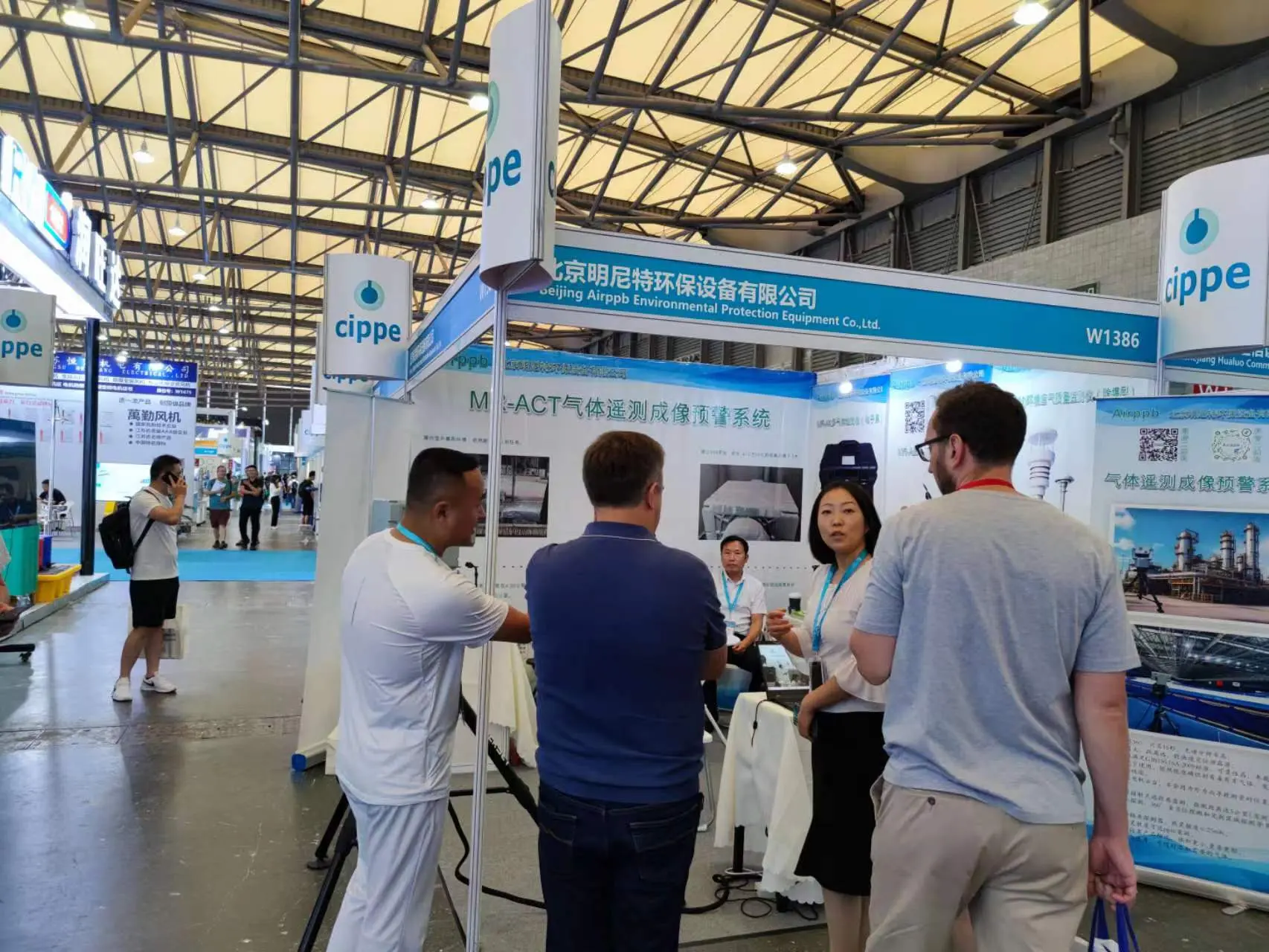
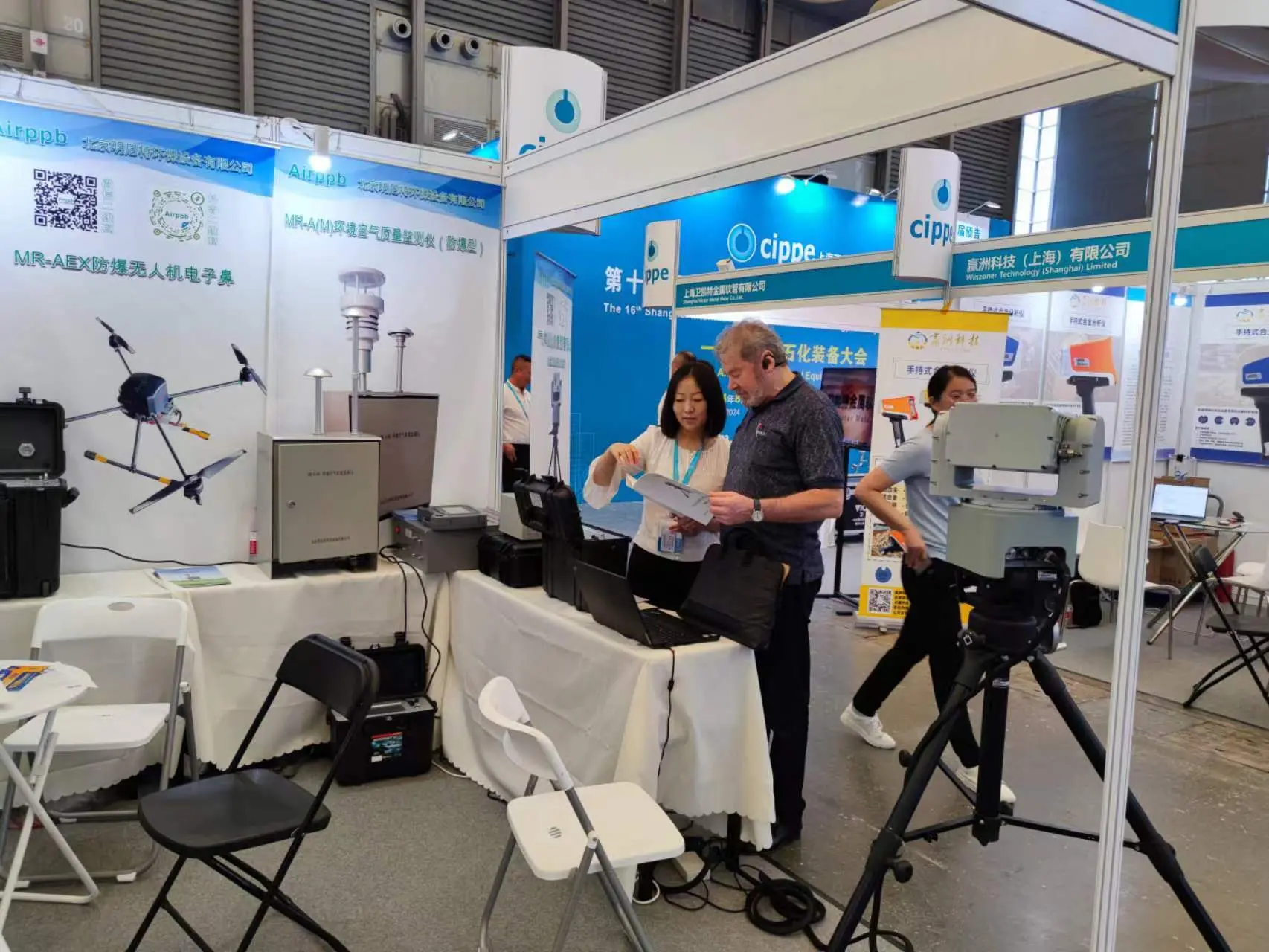
Connecting with industry partners and demonstrating our analytical instrumentation at international safety exhibitions.

Get answers to common technical, calibration, and engineering questions regarding our instrumentation.
Browse our specialized telemetry cameras, chemical identifiers, and micro-sensing solutions designed for industrial environments.