 Airppb
Airppb
Airppb
In the modern industrial era, the Petroleum and Petrochemical Industry stands as the backbone of global energy. However, the operational risks associated with these facilities, particularly at major shipping ports and storage hubs, are immense. Toxic gas leaks—ranging from Hydrogen Sulfide (H2S) to volatile organic compounds (VOCs)—pose a severe threat to human life, the environment, and global supply chains. Traditional point-source detectors, while useful, often fail to provide the wide-area coverage necessary for massive port infrastructures. This is where Remote Sensing Instruments have revolutionized the industry.
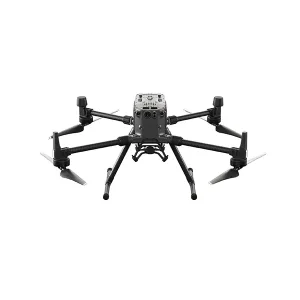
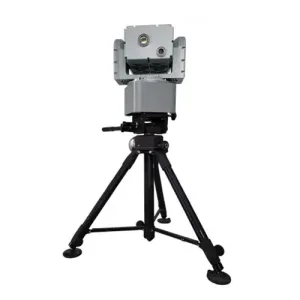
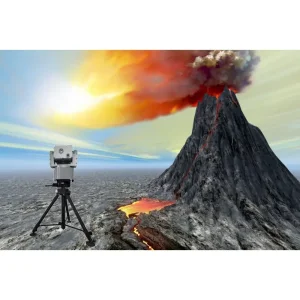
Unlike traditional sensors, remote sensing instruments can monitor kilometers of perimeter from a single point using optical telemetry.
Instant detection of gas clouds allows for immediate evacuation and mitigation, preventing catastrophic explosions or poisoning.
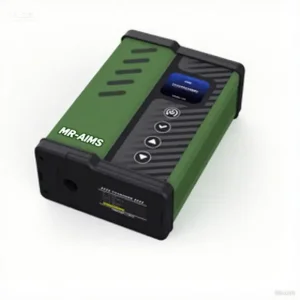
Advanced FTIR and IMS technologies identify dozens of chemical species simultaneously with laboratory-grade precision.
The global industrial status of gas monitoring is shifting rapidly toward Open-Path and Imaging Telemetry. In regions like the Middle East, Russia, and Southeast Asia, petrochemical ports are integrating AI-driven remote sensing systems to create a "digital twin" of their safety environment. These instruments utilize Fourier Transform Infrared (FTIR) spectroscopy and Ion Mobility Spectrometry (IMS) to detect gas signatures at a distance, often before the gas reaches a physical sensor.
Procurement managers in the petroleum sector are no longer just looking for "a sensor." They are looking for Reliability, Connectivity, and Compliance. In the Middle East, the focus is on heat resistance and sandstorm durability. In Russia and Northern Europe, instruments must operate in extreme sub-zero temperatures.
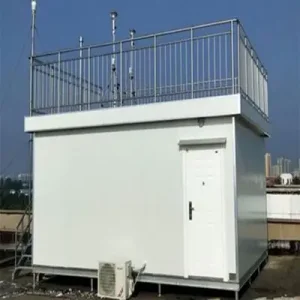
Localized Scenarios include:
As a premier National High-Tech Enterprise, Minnit represents the pinnacle of Chinese manufacturing innovation. Our advantage lies in the integration of the entire value chain—from core sensor R&D to final assembly and AI software development.
Our Core Strengths:
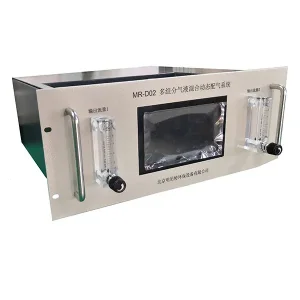
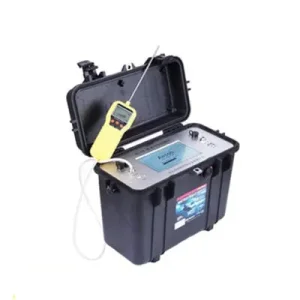
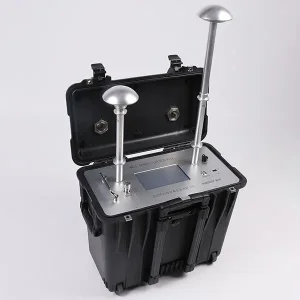
Minnit is a national high-tech enterprise focusing on the research and development and industrialized innovative application of precision gas detection instruments. The company uses technological innovation to realize on-site, automated and intelligent analysis, detection and monitoring, and is committed to becoming the world's leading manufacturer of scientific instruments. It has mastered relatively complete gas analysis and detection technologies such as electrochemistry, PID, and spectroscopy, and developed laboratory Analysis, on-site analysis (portable, online, mobile), automated analysis and a series of technologically leading product portfolios provide global users with comprehensive and professional solutions in the fields of advanced industry, ecological environment emergency safety and other fields.
The ranking of brands in the toxic gas remote sensing sector is increasingly determined by the ability to provide Actionable Intelligence. It is no longer enough to know that gas is present; operators need to know the concentration, the source, and the predicted path of the gas cloud. Our MR-ACT Gas Telemetry Imaging Early Warning System is at the forefront of this trend, providing a visual representation of invisible threats.
As we look toward 2030, the integration of 5G and satellite-linked gas sensing will become the standard. Minnit is already preparing for this future, ensuring that every instrument we produce is "future-proof" and ready to integrate into the next generation of global industrial safety networks.