 Airppb
Airppb
Airppb
Real-time, automated monitoring systems engineered for harsh industrial environments, emissions tracking, and public safety protection.
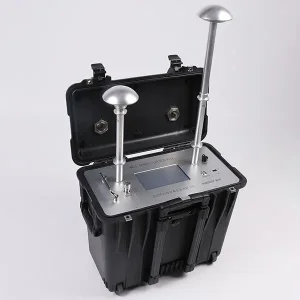
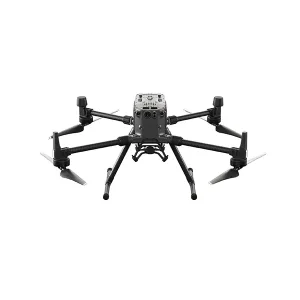
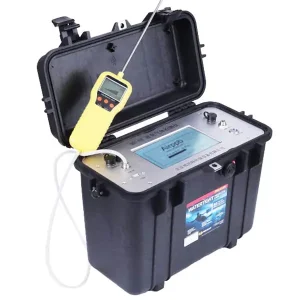
In modern industrial and environmental ecosystems, precision gas monitoring is no longer just a measure of hazard control; it represents the core index of operational intelligence and regulatory compliance. At Minnit (Airppb), as a national high-tech enterprise focusing on the R&D and industrialized innovative application of precision gas detection instruments, we bridge the gap between laboratory accuracy and rugged field utility. Process automation in environmental monitoring requires uninterrupted telemetry, high-fidelity data feeds, and self-calibrating analytical pathways to reduce human operational errors and guarantee workplace safety.
Traditional monitoring strategies rely heavily on manual grab sampling, followed by retrospective lab analysis. This approach is highly vulnerable to transient gas events, plume dispersion, and sample degradation. Modern automation demands active, on-site, automated, and intelligent monitoring systems. Utilizing core technologies across electrochemistry, Photoionization Detection (PID), and advanced spectroscopy (such as Fourier Transform Infrared - FTIR), our instruments ensure continuous tracking of complex organic and inorganic emissions. This technological portfolio allows plant managers and emergency responders to capture emission peaks immediately, facilitating closed-loop process mitigation.
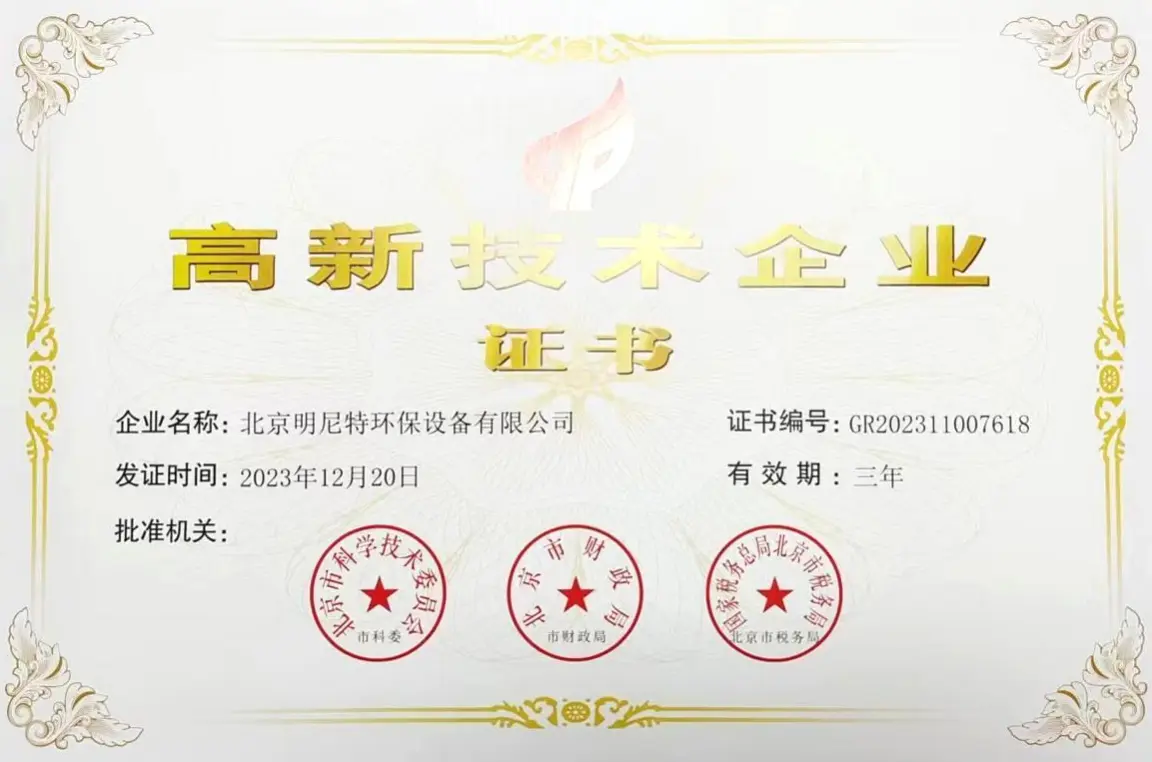
Minnit(Airppb) is a national high-tech enterprise focusing on the research and development and industrialized innovative application of precision gas detection instruments. The company uses technological innovation to realize on-site, automated and intelligent analysis, detection and monitoring, and is committed to becoming the world's leading manufacturer of scientific instruments. It has mastered relatively complete gas analysis and detection technologies such as electrochemistry, PID, and spectroscopy, and developed laboratory Analysis, on-site analysis (portable, online, mobile), automated analysis and a series of technologically leading product portfolios provide global users with comprehensive and professional solutions in the fields of advanced industry, ecological environment emergency safety and other fields.

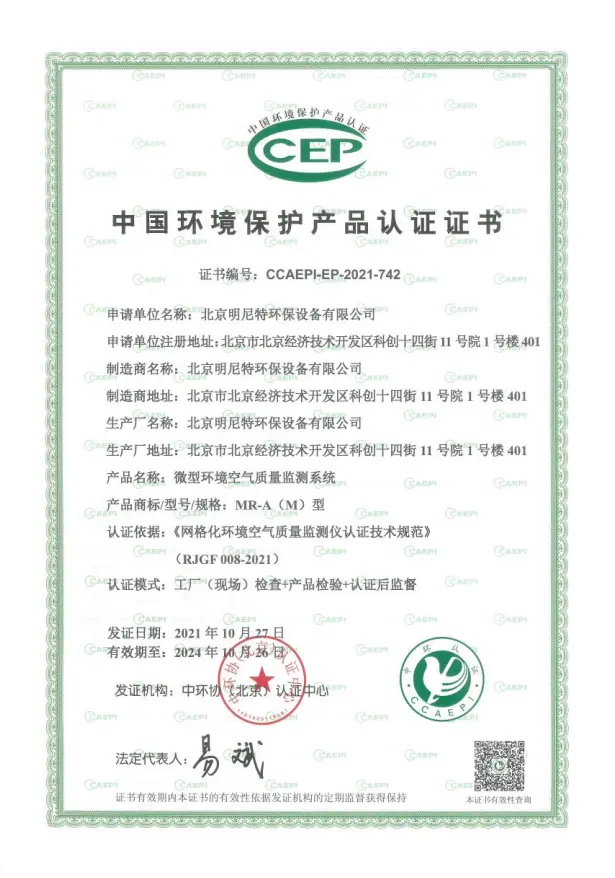
The group company was established in 2012 and is committed to the development and production of Fourier infrared gas remote sensing imaging early warning systems, ambient air quality monitors, high-precision dynamic gas distribution meters, multi-gas emergency detectors, ambient air analysis, detection and other related instruments and OEM /ODM various gas detectors; the company has a number of intellectual property rights. Product quality strictly follows ISO9001QUALITY MANAGEMENT SYSTEM CERTIFICATE, ISO140001CERTIFICATE OF ENVIRONMENT MANAGEMENT SYSTEM CERTIFICATION, ISO45001CERTIFICATEOF OCCUPATIONAL HEALTH ANDSAFETY MANAGEMENT SYSTEM CERTIFICATION. Comply with product certifications from relevant national departments, such as CPA, CCEP, CNAS/CMA test reports, etc.
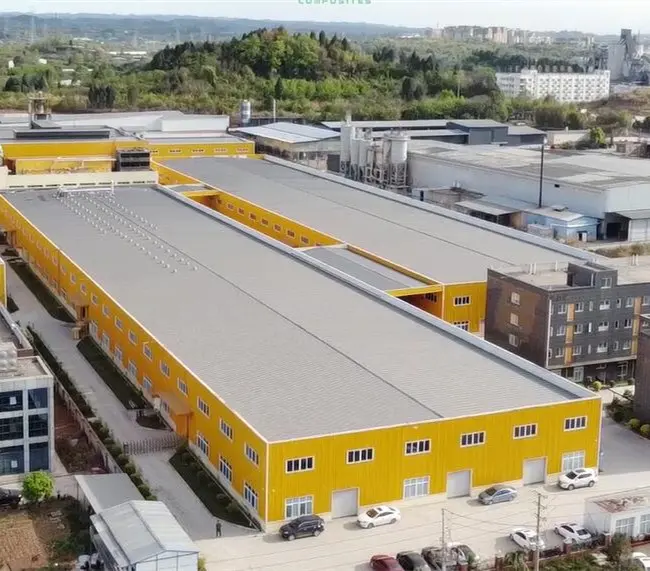
Our operational processes and analytical instruments comply with international validation standards to ensure legally binding field telemetry data.
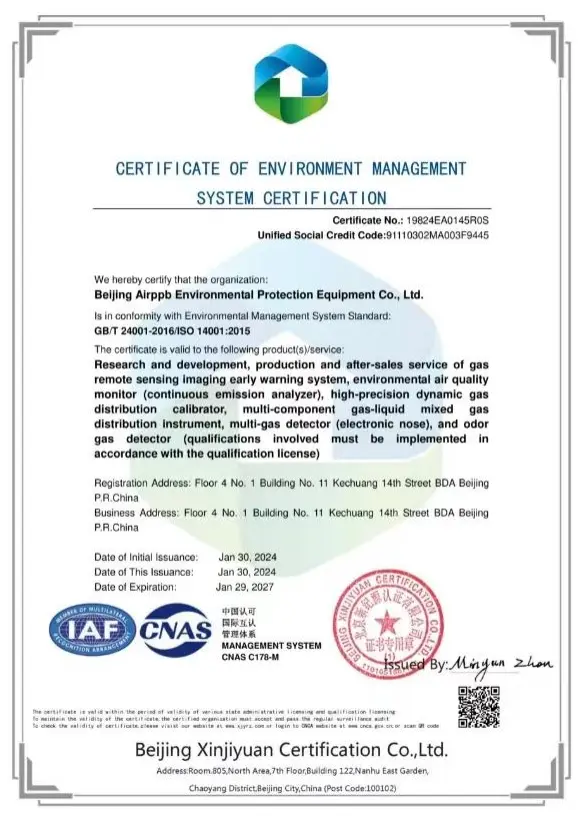
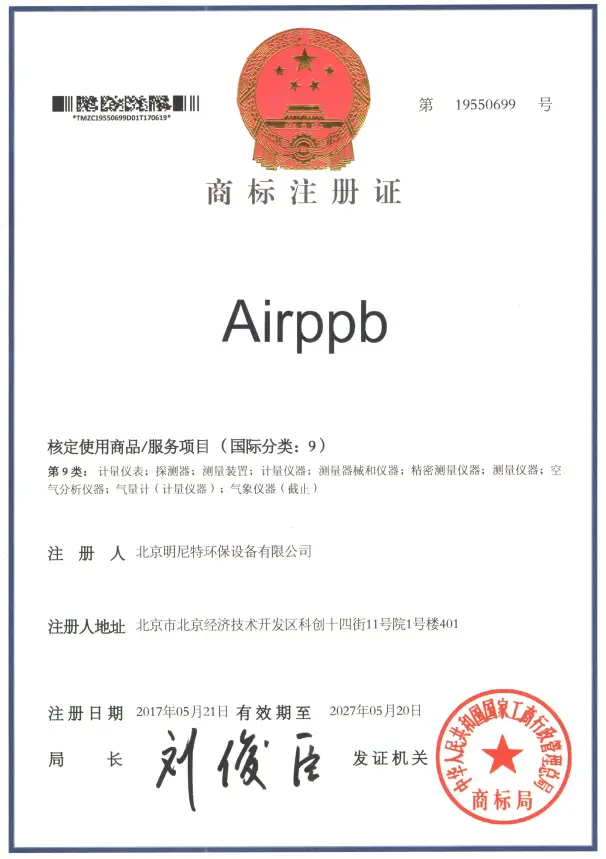
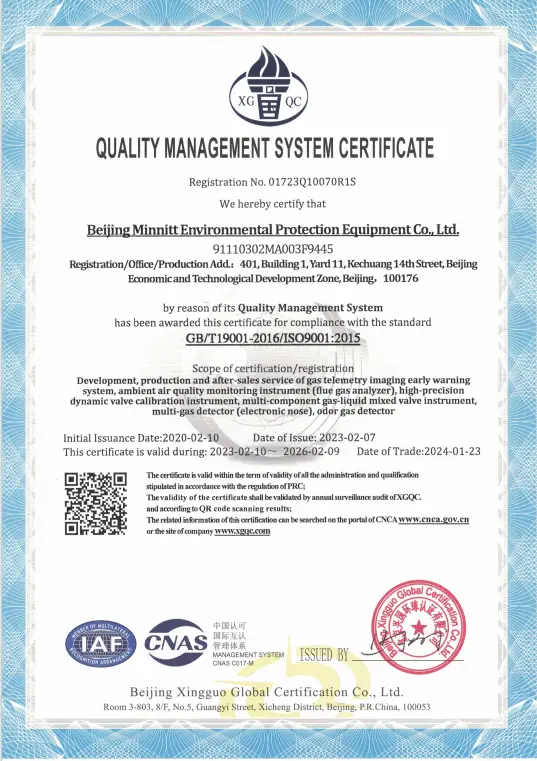
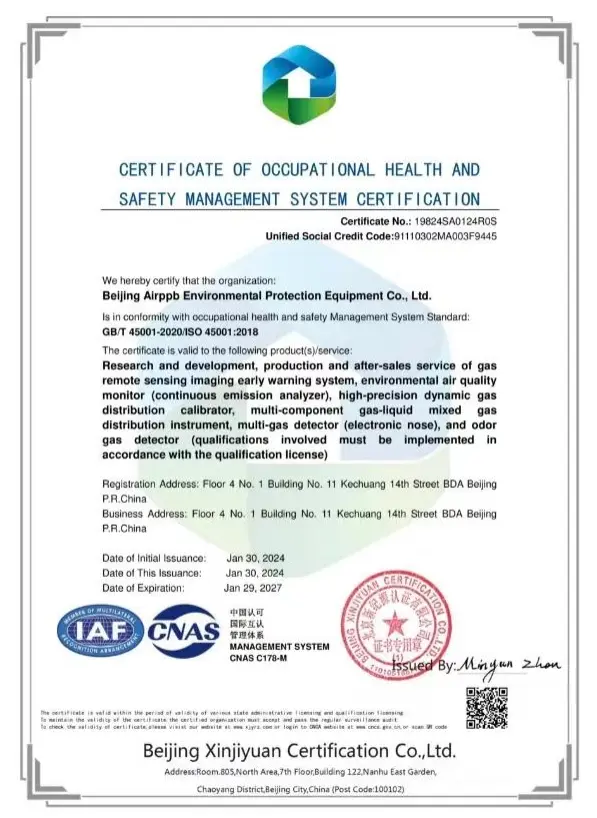

In the context of the global environmental protection industry, process automation is highly dependent on regional regulations and operating environments. A gas detector deployed in a Middle Eastern refinery requires entirely different hardware validation and thermal stability calibrations than one used in an Arctic research station. Beijing Airpbb addresses these challenges by developing customizable firmware and sensor array interfaces that can be updated over-the-air (OTA) to adapt to shifting environmental policies.
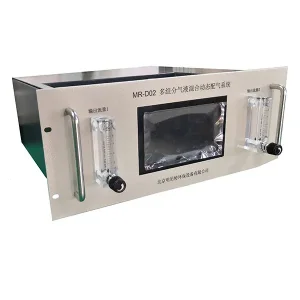
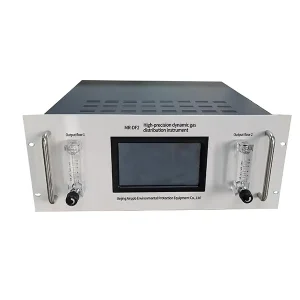
Localized support goes beyond technical troubleshooting; it encompasses compliance alignment. Our analytical systems support automated daily span and zero calibrations—mandated by agencies such as the US EPA and European CEN. These calibrations are executed natively on systems like our *MR-DF2 High-Precision Dynamic Gas Distribution Instrument*, reducing labor costs while preserving legal metrological traceabilities required by local governmental inspections.
Operating a high-end instrument plant in Beijing, China, affords Minnit (Airppb) unique supply chain advantages that directly benefit our global clients. The localized concentration of precision optical components, semiconductor foundries, and robust electronic manufacturing services (EMS) in China enables rapid prototyping cycles and unmatched material traceability. This tight integration ensures that we can scale from small R&D batches to high-volume OEM/ODM production without the risk of long-term component bottlenecks.
Furthermore, China's advanced industrial logistics infrastructure reduces shipping lead times, permitting us to deploy completed systems and key components globally with minimal latency. Our rigorous multi-stage quality control system ensures that domestic cost efficiencies do not compromise precision, bringing laboratory-grade Fourier Transform Infrared (FTIR) technology to competitive price points in global markets.
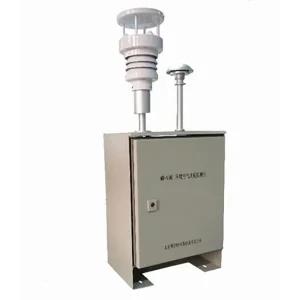
Global procurement teams in multinational petrochemical, mining, and military sectors demand high reliability, predictable life-cycle costs, and long-term instrument support. When sourcing automated monitoring stations (such as our *MR-A(S) Ambient Air Quality Monitor*), buyers prioritize modularity. Modular sensor cartridges allow on-site engineers to replace sensors in minutes without shipping the unit back to the factory, minimizing downtime.
Enterprise clients also demand comprehensive documentation, including CNAS/CMA testing reports, CPA, and CCEP certifications. These credentials guarantee that the data generated by our monitoring equipment is legally admissible in international environmental audits. Additionally, open integration protocols (e.g., Modbus TCP/IP, OPC UA, and 4-20mA analog outputs) are critical for integrating our sensors into larger Distributed Control Systems (DCS) and SCADA frameworks.
Engineering robust, automated systems to simplify complex environmental and chemical analysis.
We deliver tailored gas detection designs and white-label manufacturing to help companies scale their own brands efficiently with custom parameters.
Engineers and analytical scientists represent 60% of our workforce, driving innovation in PID, electrochemical, and optical telemetry platforms.
We govern every stage of production under ISO9001, ISO14001, and ISO45001 systems. Comprehensive test reports support all product iterations.

Tailored gas detection platforms designed for rapid, branded commercialization.

Supporting custom firmware, localized frequency settings, and specific housing options.

Developing trace-level calibration methodologies using dynamic gas-liquid mixing.
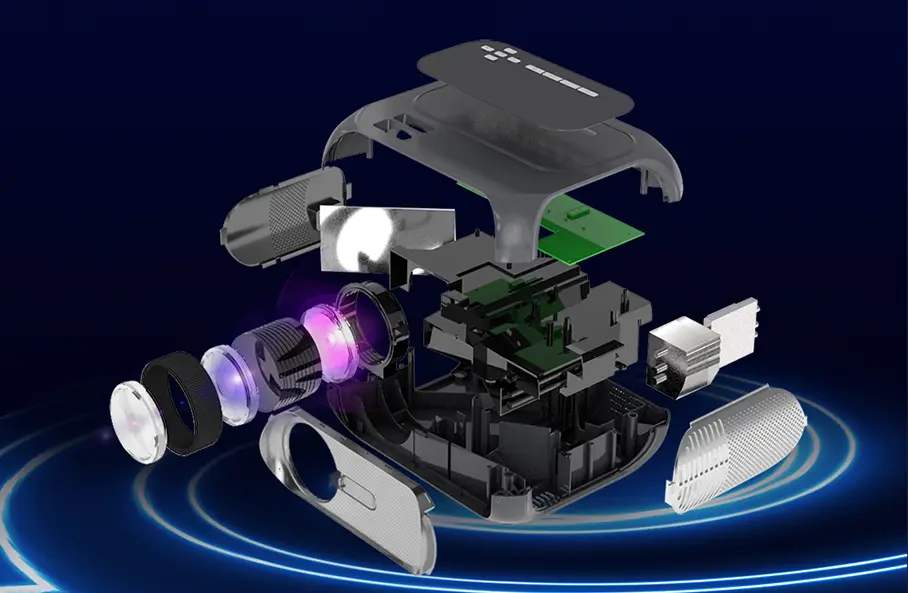
Consistently releasing innovative hardware to outpace global environmental trends.
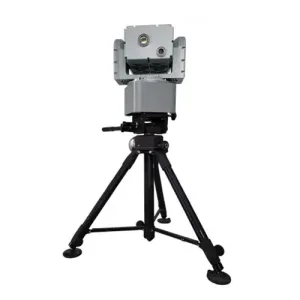
The convergence of artificial intelligence and physical analytical chemistry is driving major shifts in environmental instrumentation. The primary trend is the adoption of open-path, remote-sensing optical technologies. Point sensors, while highly effective for localized zone classification, are unable to map atmospheric boundary layer drift or trace large-scale fugitive plumes. Long-range Fourier Transform Infrared (FTIR) telemetry is filling this gap. Using infrared emission spectroscopy and atmospheric absorption profiles, these instruments identify, quantify, and map multiple chemical compounds simultaneously from miles away.
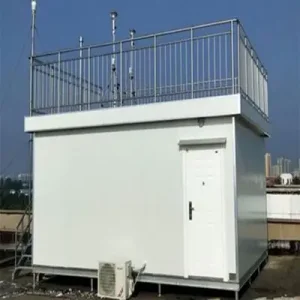
Another key trend is the miniaturization and hybridization of monitoring nodes. Dense networks of micro-air monitoring stations (such as the *MR-A(M)* series) are replacing single, expensive reference monitoring stations. These micro-stations leverage machine learning algorithms to correct for localized temperature, relative humidity, and cross-sensitivities from competing gas species. This approach allows municipal authorities and industrial park operators to deploy real-time air quality grids, enabling immediate responses to environmental anomalies.
Petrochemical refining operations generate significant amounts of fugitive VOCs, benzene-series aromatics, and highly toxic hydrogen sulfide ($H_2S$). Our *MR-A Ambient Air Quality Monitors* and remote FTIR imaging systems track leaks along pipeline corridors, tank farms, and catalytic crackers. Integrating these systems with plant automation networks allows operators to automatically isolate leaking segments before VOC concentrations approach the Lower Explosive Limit (LEL), preventing catastrophic industrial incidents.
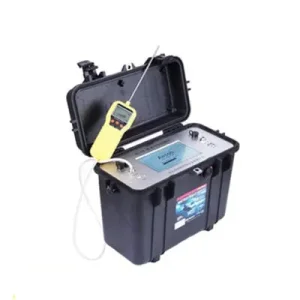
Odor nuisance complaints from wastewater treatment plants, municipal landfills, and chemical parks represent a significant challenge for environmental regulators. Because odor-producing compounds like mercaptans, amines, and volatile fatty acids are detectable by the human nose at parts-per-billion (ppb) levels, response teams require high-sensitivity instruments. The *Emergency MR-AX Odor Gas Detector* quickly identifies specific odor signatures and traces their atmospheric dispersion back to the source, helping local authorities resolve public complaints with defensible data.
Monitoring volcanic activity requires gas analysis under extreme temperatures, high humidity, and highly corrosive atmospheres. Automated telemetry systems, such as the *MR-ACT Remote Volcanic Gas Monitoring System*, analyze sulfur dioxide ($SO_2$), carbon dioxide ($CO_2$), and hydrogen chloride ($HCl$) ratios. Changes in these ratios often precede physical eruptions. In these scenarios, the instruments must operate autonomously on solar power and transmit data via satellite or long-range radio (LoRa) networks back to geological research centers.

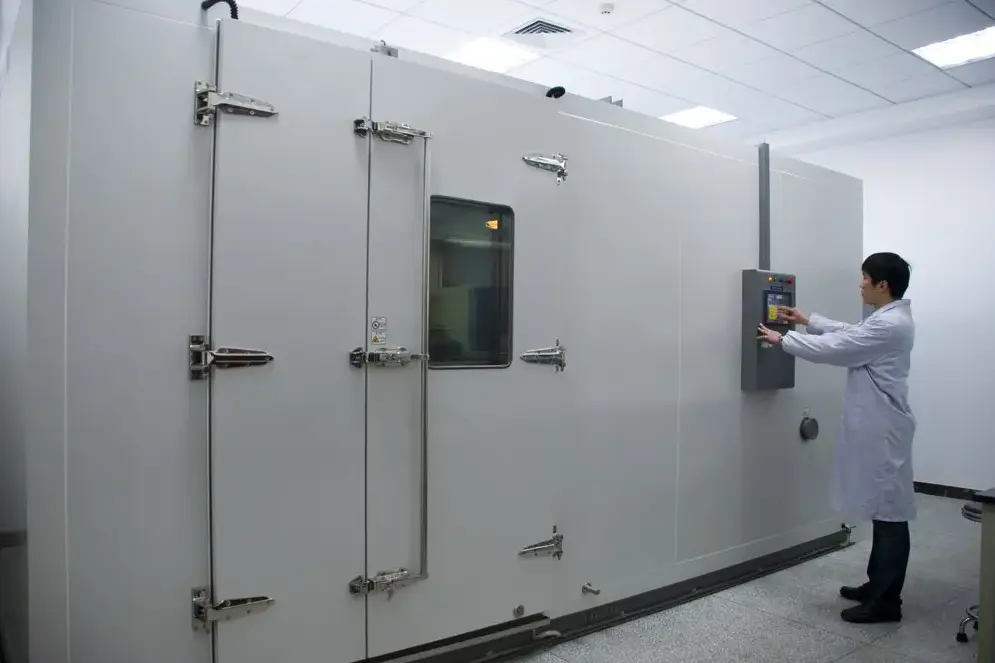
Multi-temperature environmental chambers simulate extreme deployment conditions.

Direct factory support and trace calibration validation keep monitors operational.

Expert application engineers help clients navigate local environmental regulations.

Providing customized installation drawings and telemetry layout recommendations.
We actively showcase our latest advancements at global environmental protection and scientific instrumentation exhibitions.
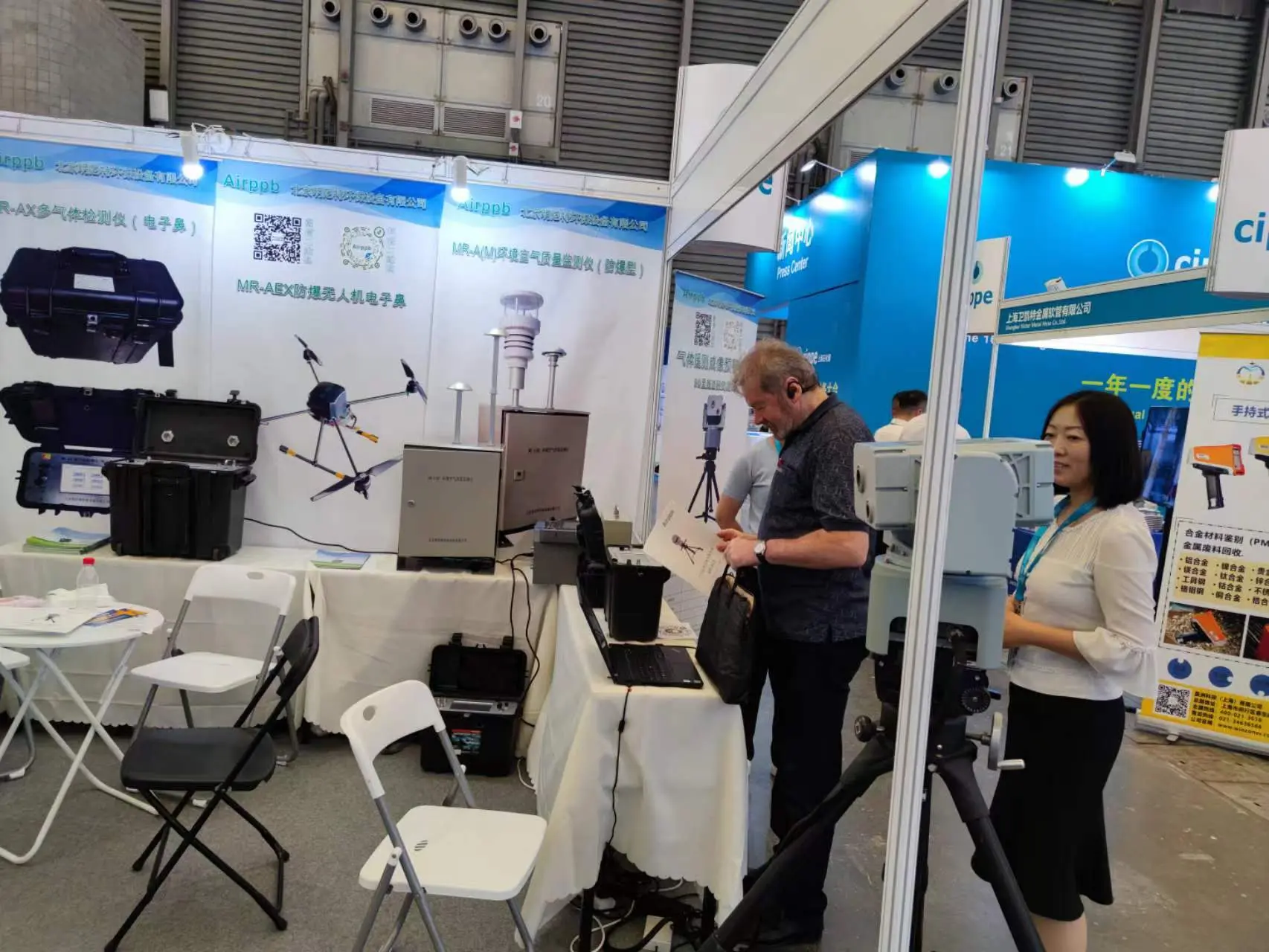
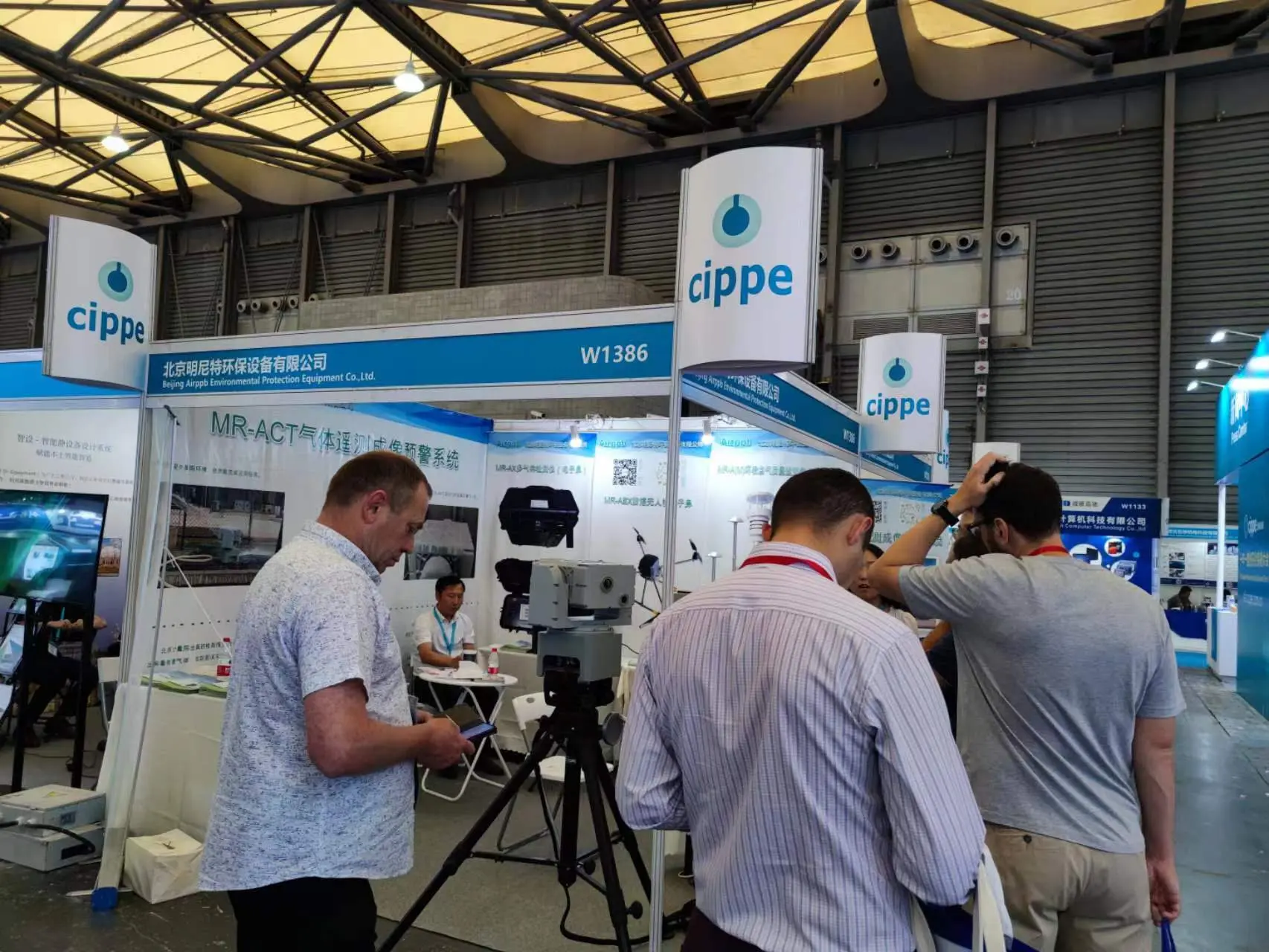
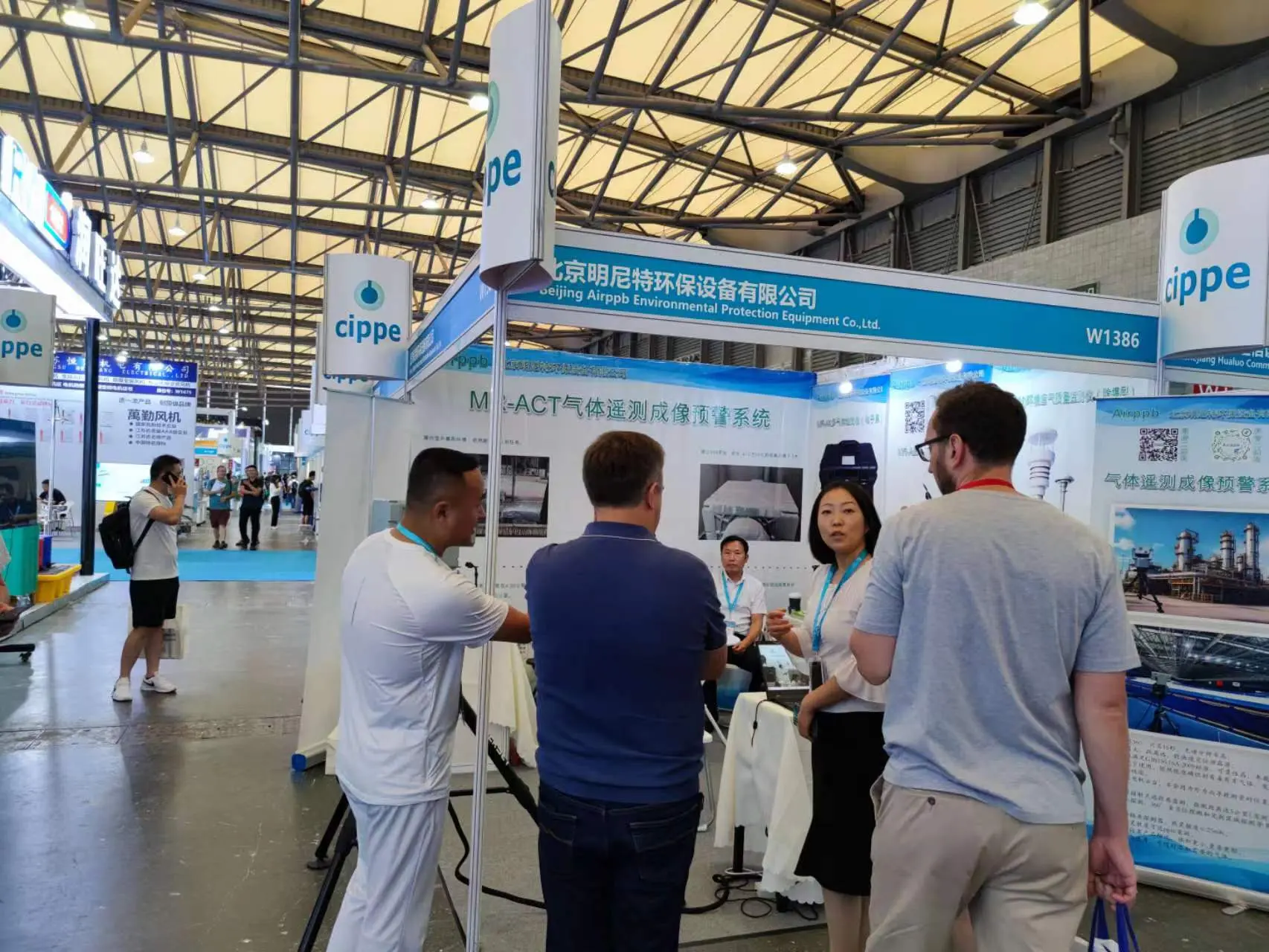
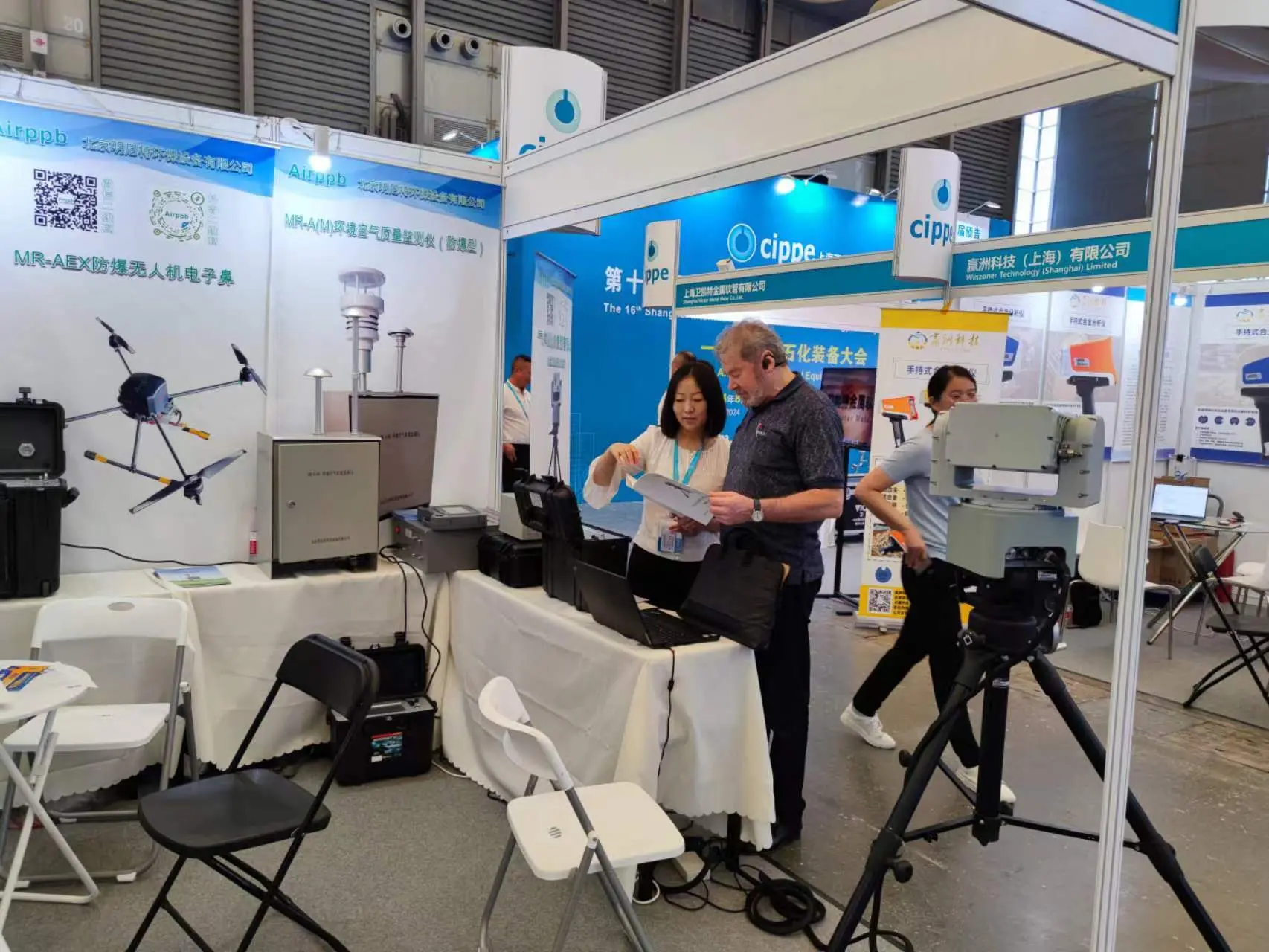

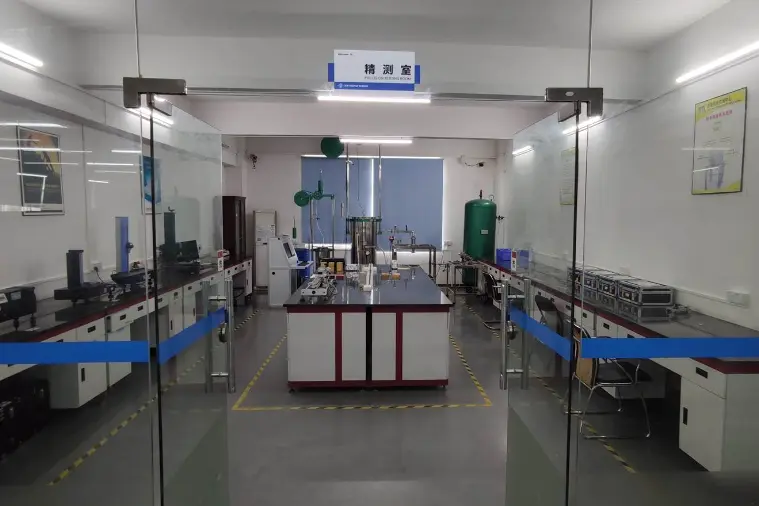
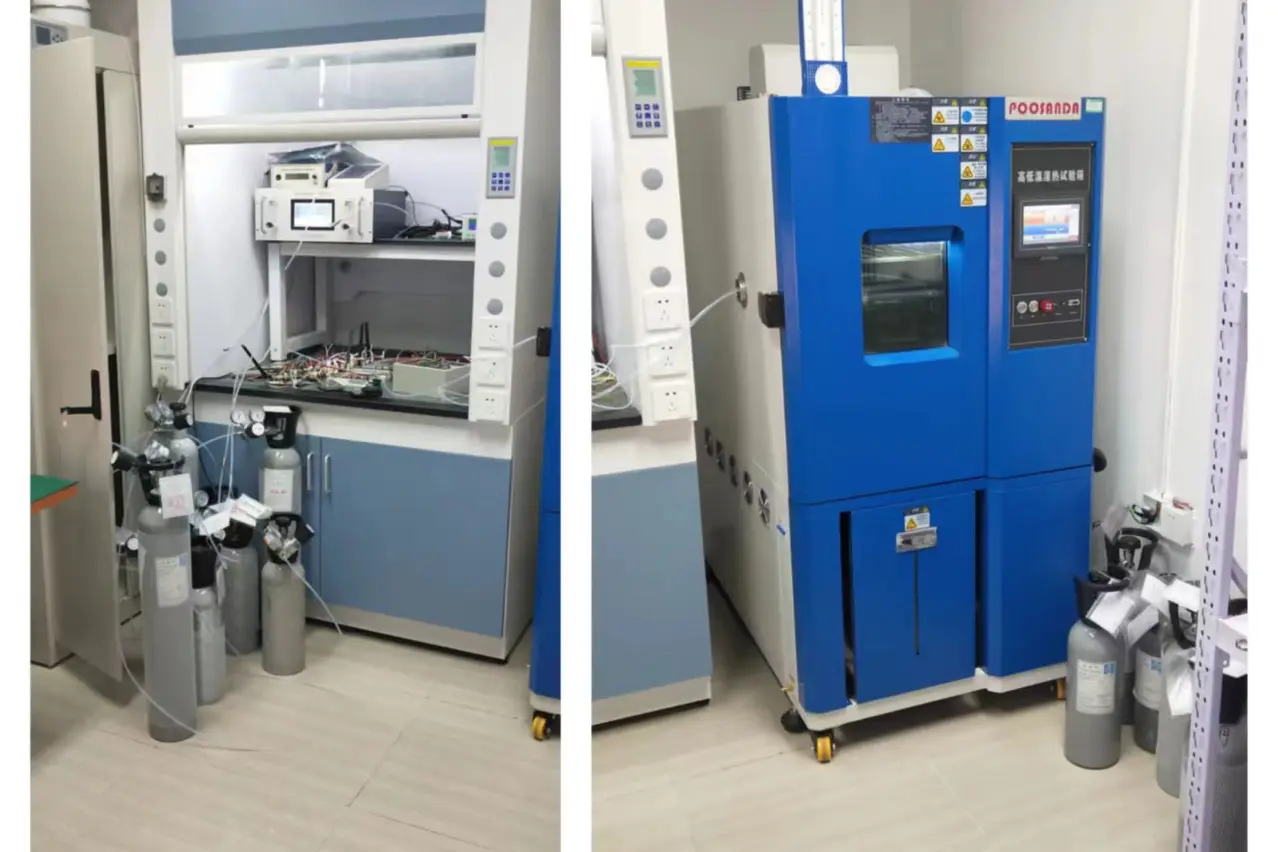
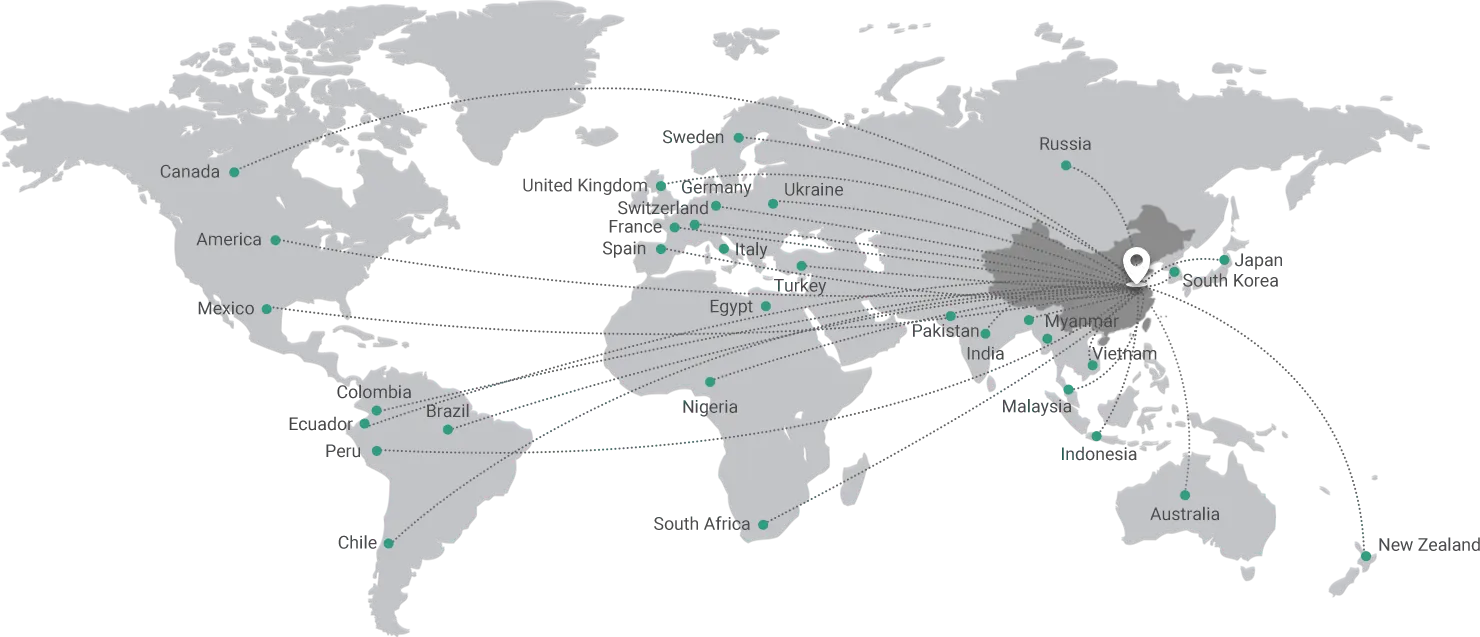
Our commitment to process automation in environmental monitoring extends globally. Minnit (Airppb) systems have been exported to over 40 countries and regions overseas, including parts of the Middle East, Russia, Southeast Asia, and Europe. Our global footprint ensures that local industries have access to advanced gas monitoring platforms that meet local regulatory requirements.
We work closely with local engineering partners and environmental agencies to build responsive support networks. This collaborative approach ensures that our analytical instruments are correctly integrated, calibrated, and maintained, providing reliable protection for industrial workforces and local communities.
Browse through detailed answers regarding gas calibration, telemetry accuracy, sensor life-cycles, and environmental compliance.
Explore our high-precision gas distribution systems, telemetry units, and specialized safety monitors designed for industrial and research applications.