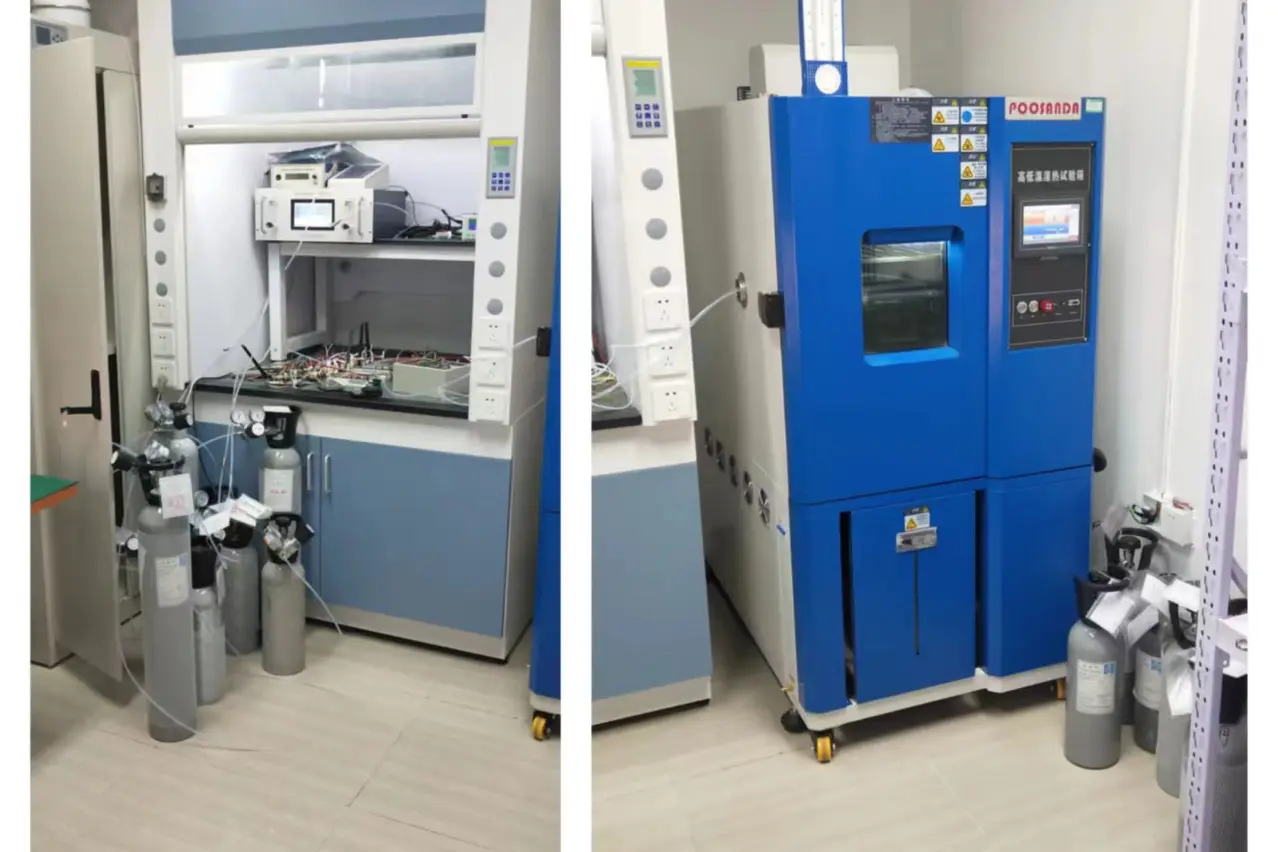
Airppb Airppb

Petroleum And Petrochemical Industry Sampling Techniques Brand & Ranking

Comprehensive White Paper on Advanced Gas Detection, Calibration Standards, and E-E-A-T Safety Infrastructure

Featured Precision Gas Instrumentation

Select industrial monitoring equipment deployed globally in petrochemical fields.
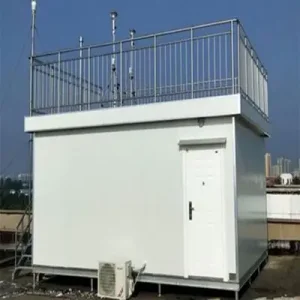
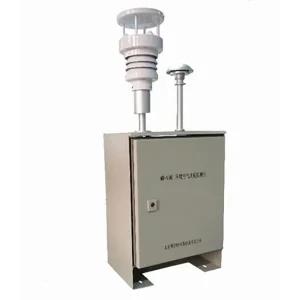
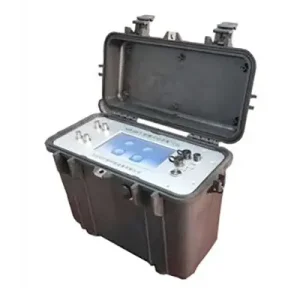
Firefighting MR-A(S) Ambient Air Quality Monitor

Firefighting MR-A(S) Ambient Air Quality Monitor (Automatic Station)

View Technical Specifications
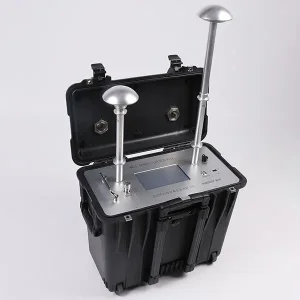
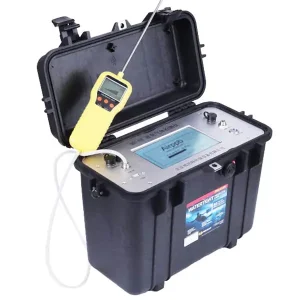
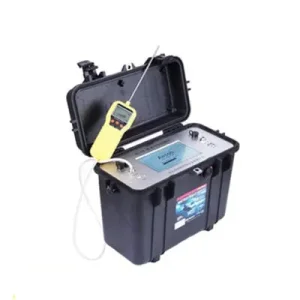
Petroleum And Petrochemical Industry MR-A Ambient Air Quality Monitor

Petroleum And Petrochemical Industry MR-A Ambient Air Quality Monitor (Portable)

View Technical Specifications
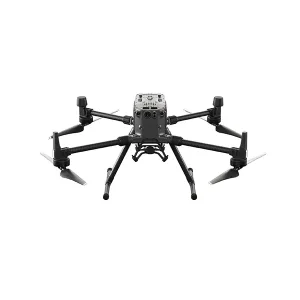
Petroleum And Petrochemical Industry MR-A(M) Ambient Air Quality Monitor

Petroleum And Petrochemical Industry MR-A(M) Ambient Air Quality Monitor (Micro Air Station)

View Technical Specifications
Environmental Protection Industry MR-FAT Fourier Transform Infrared Telemeter

Environmental Protection Industry MR-FAT Fourier Transform Infrared Telemeter

View Technical Specifications
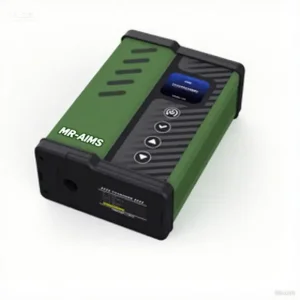
Middle East MR-AIMS Handheld IMS Chemical Identifier

Middle East MR-AIMS Handheld IMS Chemical Identifier Gas Identifier

View Technical Specifications
Military MR-AX Multi-Gas Detector

Military MR-AX Multi-Gas Detector Measure Dozens Of Gases

View Technical Specifications
Emergency MR-AX Odor Gas Detector

Emergency MR-AX Odor Gas Detector Identify The Type Of Odor Gas

View Technical Specifications
Military MR-DF3 Portable High-Precision Dynamic Gas Distribution Meter

Military MR-DF3 Portable High-Precision Dynamic Gas Distribution Meter

View Technical Specifications

1. Introduction to Advanced Sampling & Monitoring in Refineries

In the downstream, midstream, and upstream domains of the petroleum and petrochemical industries, precision monitoring of trace gases and hazardous organic compounds is critical for both operation safety and environmental protection. Atmospheric monitoring requires advanced sampling protocols to accurately measure volatile organic compounds (VOCs), sulfurous species, hydrocarbons, and combustion byproducts without degradation or contamination.

Traditional extractive sampling methods are frequently challenged by chemical reactions within sample lines, pressure variations, and condensation issues. To mitigate these anomalies, the modern petrochemical sector is rapidly moving toward integrated dynamic gas distribution systems, real-time Fourier-transform infrared (FTIR) telemetry, and specialized open-path monitors. These systems work in synergy to provide localized fence-line tracking and high-resolution chemical identification.
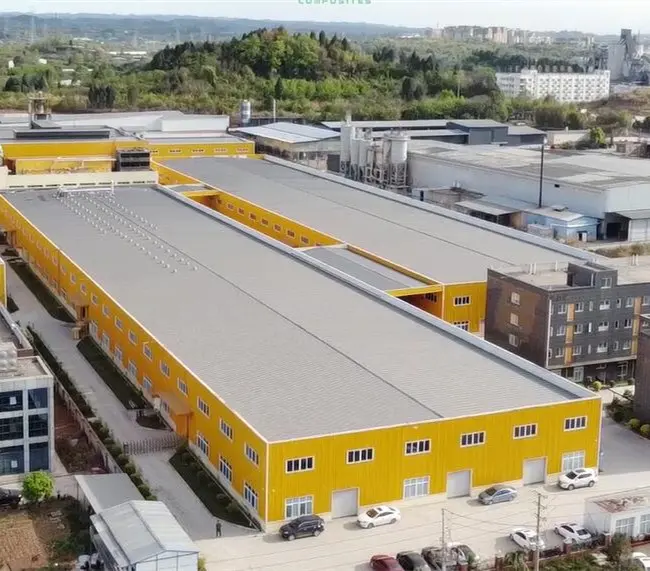
Key takeaway: Modern industrial standards demand sampling methodologies that eliminate ambient interference and conserve sample integrity from the extraction point to the sensor cell.
Beijing Airpbb Environmental protection equipment Co., Ltd.

2. Fundamental Sampling Technologies & Instrumentation Paradigms

Exploring the technical divisions between passive, active, and remote path sampling methodologies.

๐Ÿ” Extractive Point Sampling

Extractive systems pull sample gas physically from the hazardous process zone through inert sample lines (e.g., PTFE or sulfinert-coated tubes) to a controlled sensor chamber. This technique is heavily utilized in micro air stations and ambient air quality monitors to assure that sensor electronics remain isolated from corrosive environments.

๐Ÿ“ก Remote Open-Path Telemetry

Using Fourier Transform Infrared (FTIR) telemetry, open-path systems send infrared beams over distances up to several kilometers. This non-extractive sampling methodology analyzes spectral absorption lines in real-time, detecting gas plumes instantly and eliminating typical mechanical failures associated with pumps and filters.

๐Ÿงช Dynamic Gas Mixing

Precise calibration of analytical instruments requires repeatable dynamic gas distribution. High-precision dynamic gas distribution instruments dilute high-concentration target gases with pure nitrogen or zero air dynamically. This allows field operators to calibrate sensors at ppb or low ppm levels under NIST-traceable standards.

3. Localization Support, Compliance, and Industry Standards

Petrochemical operators must navigate a complex landscape of regional regulatory frameworks, such as US EPA Method 325A/B for fence-line monitoring, European Union EN standards, and local environmental compliance guidelines. The validation of analytical equipment under local standards is crucial for data legal admissibility and safety auditing.
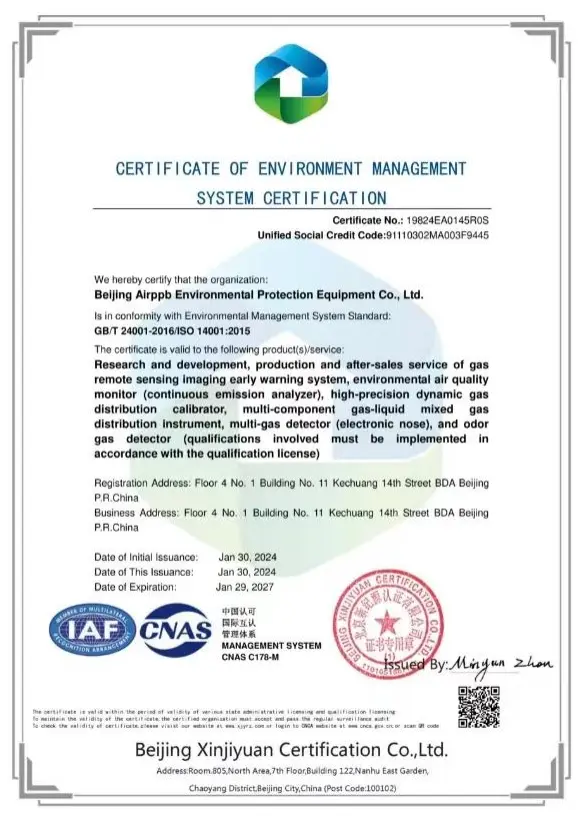
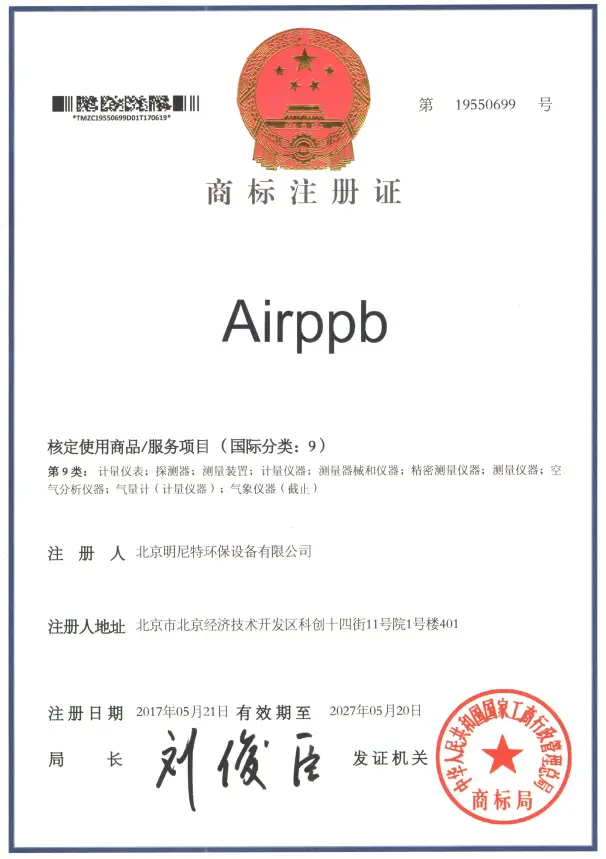
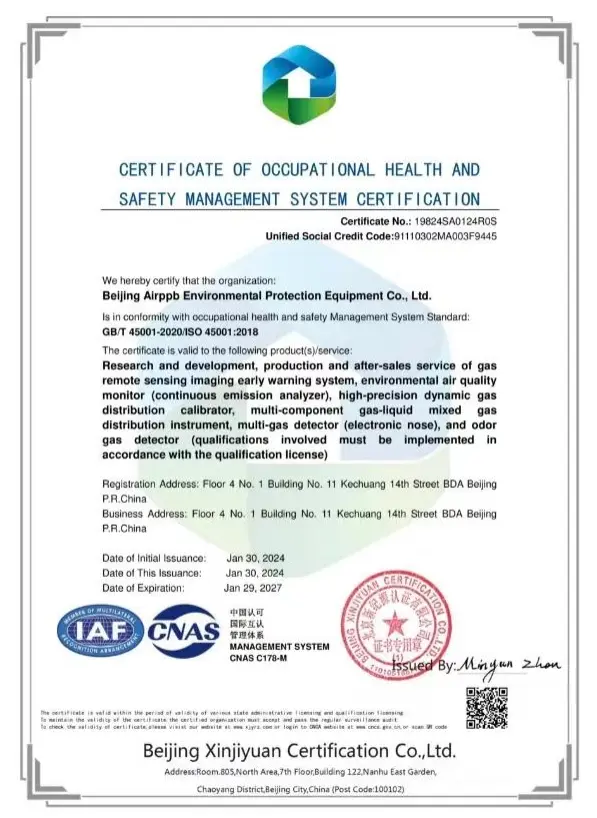
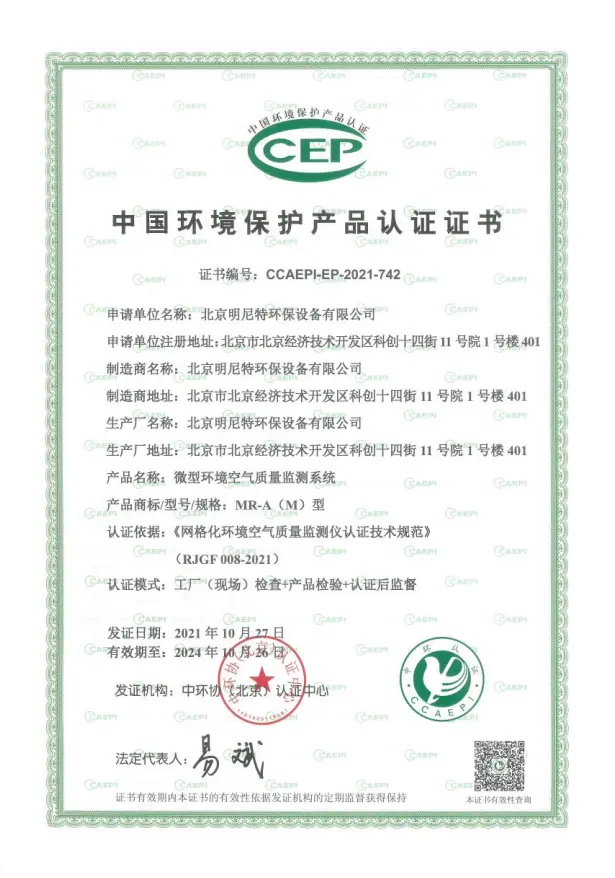
  • Metrological Certification: CPA (Pattern Approval Certificate) ensures instrument measurement reliability.
  • Environmental Certification: CCEP (China Certification for Environmental Products) validates equipment under harsh operating states.
  • Laboratory Competence: Compliance with CNAS/CMA testing protocols establishes traceability to international standards.
  • Safety Ratings: High-integrity enclosures compliant with ATEX, IECEx, and SIL ratings for Zone 1 and Zone 2 hazardous areas.

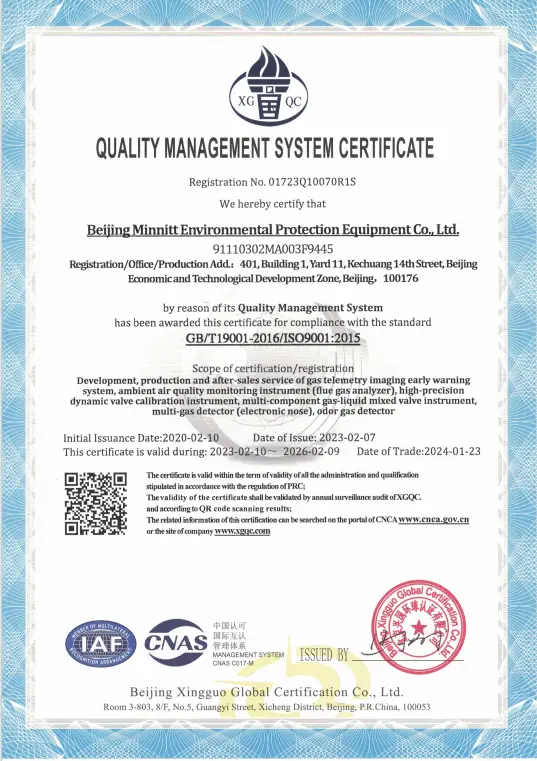
Official System Certifications

Certification 1
Certification 2
Certification 3
Certification 4
Certification 5
Certification 6
Minnit (Airppb) Precision R&D

About Minnit(Airppb)

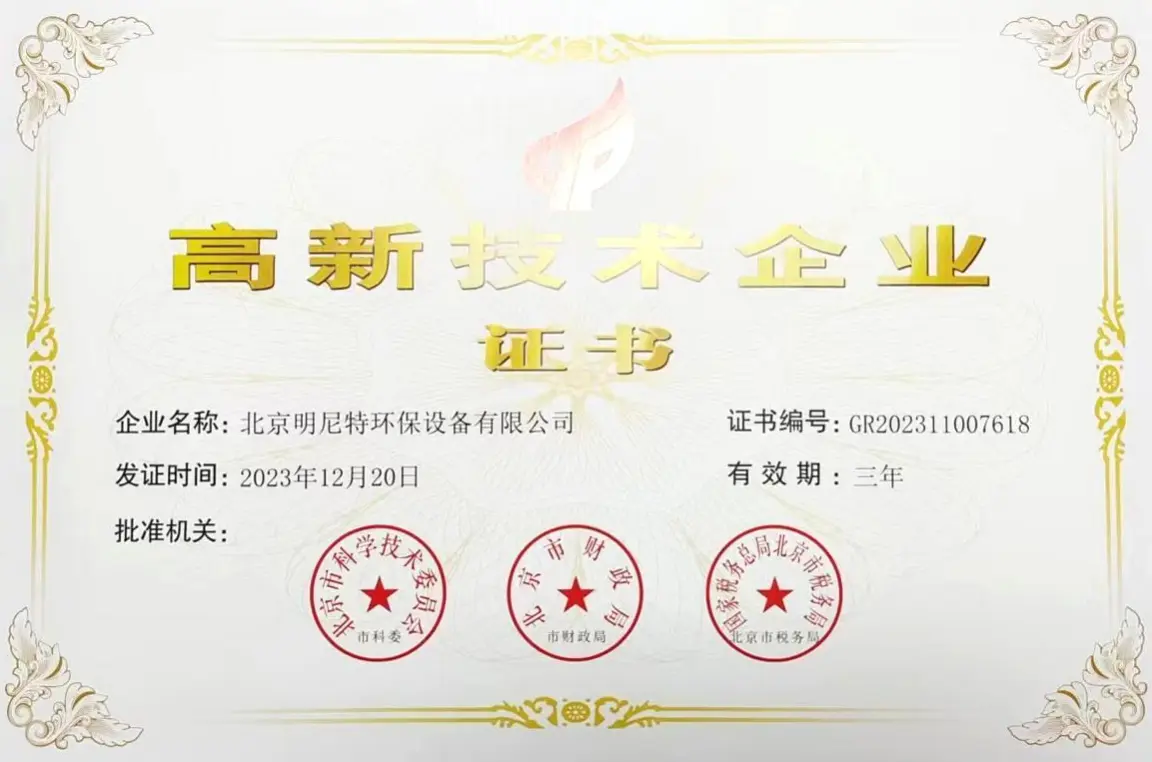
Minnit(Airppb) is a national high-tech enterprise focusing on the research and development and industrialized innovative application of precision gas detection instruments. The company uses technological innovation to realize on-site, automated and intelligent analysis, detection and monitoring, and is committed to becoming the world's leading manufacturer of scientific instruments. It has mastered relatively complete gas analysis and detection technologies such as electrochemistry, PID, and spectroscopy, and developed laboratory Analysis, on-site analysis (portable, online, mobile), automated analysis and a series of technologically leading product portfolios provide global users with comprehensive and professional solutions in the fields of advanced industry, ecological environment emergency safety and other fields.

4. China Supply Chain Dominance & Vertical Manufacturing Integration

Working with integrated Chinese suppliers like Beijing Airpbb Environmental Protection Equipment Co., Ltd. gives global buyers significant supply chain advantages. Developing and assembling high-performance instrumentation in Beijing's advanced industrial zones combines deep R&D capacity with agile production speed.

Supply Chain Advantages:
  • Cost-Efficient R&D: Beijing Airpbb dedicates 60% of its workforce directly to technology engineering, driving rapid iteration.
  • In-house Component Calibration: Custom dynamic gas distribution systems are developed in-house, reducing dependency on third-party calibration systems.
  • Scale & Flexibility: Capacity to switch smoothly between highly specialized OEM configurations and large-scale modular gas detection station orders.

This structure permits customized configurations for cold-climate monitoring (e.g., Russian oil fields) and hot, high-humidity, or saline environments (e.g., Middle East chemical terminals) without changing base hardware designs.

Industrial Solution Strengths & Global Delivery

How our integrated operations support engineering procurement and construction (EPC) requirements.

Over 15 years ODM OEM

Over 15 Years ODM/OEM

Tailoring specific branding and enclosure variants to help partners secure and promote local distribution rights.

Professional RD Team

Professional R&D Focus

Our core R&D department makes up 60% of the entire corporate structure, continuously advancing PID and FTIR tech.

Strict Quality Control

Rigorous QA/QC System

Strict ISO9001 quality controls, coupled with a robust, client-first warranty system, secure long term operation.

Professional Sales Team

Technical Sales Engineers

Trained sales personnel capable of structuring multi-gas telemetry solutions for various complex chemical plants.

5. Global Procurement Requirements and Localized Deployment

Procurement managers in the petrochemical and environmental monitoring industries prioritize equipment with high uptime, low drift, and easy field calibration. In remote environments, such as offshore drilling platforms or desolate pipeline segments, system failure can lead to severe safety risks and regulatory penalties.

Integrating ambient air quality monitors, dynamic gas distribution meters, and remote gas telemetry systems into localized SCADA (Supervisory Control and Data Acquisition) networks requires reliable Modbus, HART, or wireless communication protocols. This allows control room operators to monitor real-time gas plumes and act before concentrations reach critical Lower Explosive Limits (LEL) or Permissible Exposure Limits (PEL).
Application Note: Localized installations must account for seasonal temperatures. Our systems use internal thermal control systems to maintain optical alignment in environments from -40ยฐC to +60ยฐC.

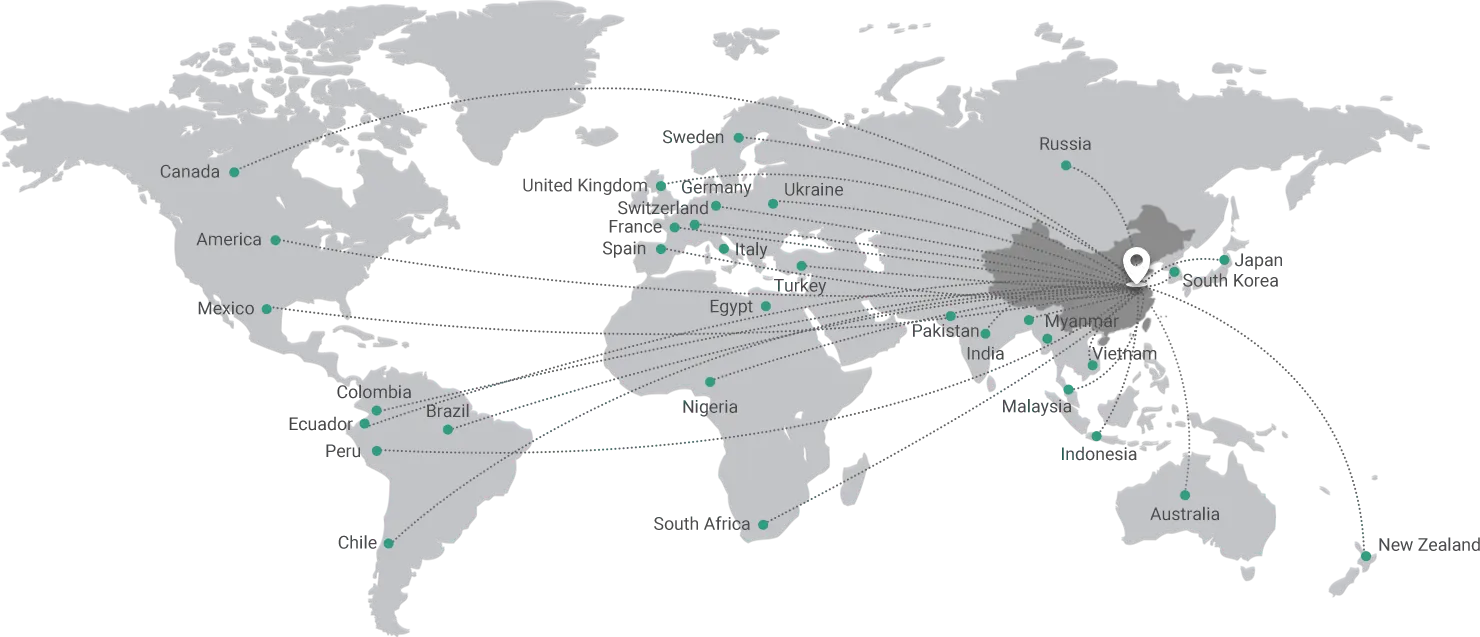
Worldwide Export Footprint

Global Distribution Map

Our products are exported to over 40 countries and regions, including the Middle East, Russia, Europe, and Southeast Asia.

6. Industry Trends & Future Outlook

Technical trends shaping the future of industrial monitoring and petrochemical safety.

AI-Driven Spectral Identification

Advanced neural networks are now integrated directly into FTIR gas telemetry software. This enables automated compensation for water vapor cross-interference, minimizing false positives in marine and high-humidity petrochemical plants.

Dual-Core Detection Principles

Modern portable and station air monitors increasingly combine PID (Photoionization Detection) and electrochemical technologies on a single chip. This allows simultaneous detection of both VOCs and highly toxic inorganic gases like H2S or CO.

Autonomous Gas Distribution

Calibration is shifting from manual cylinder mixing to automated high-precision dynamic gas distribution. These portable distribution systems allow on-site testing without carrying dozens of premixed gas cylinders.

15+
Years Development Experience
40+
Countries Deployed
60%
R&D Workforce Ratio
ISO
9001 / 14001 / 45001

Exhibitions & Industrial Deployments

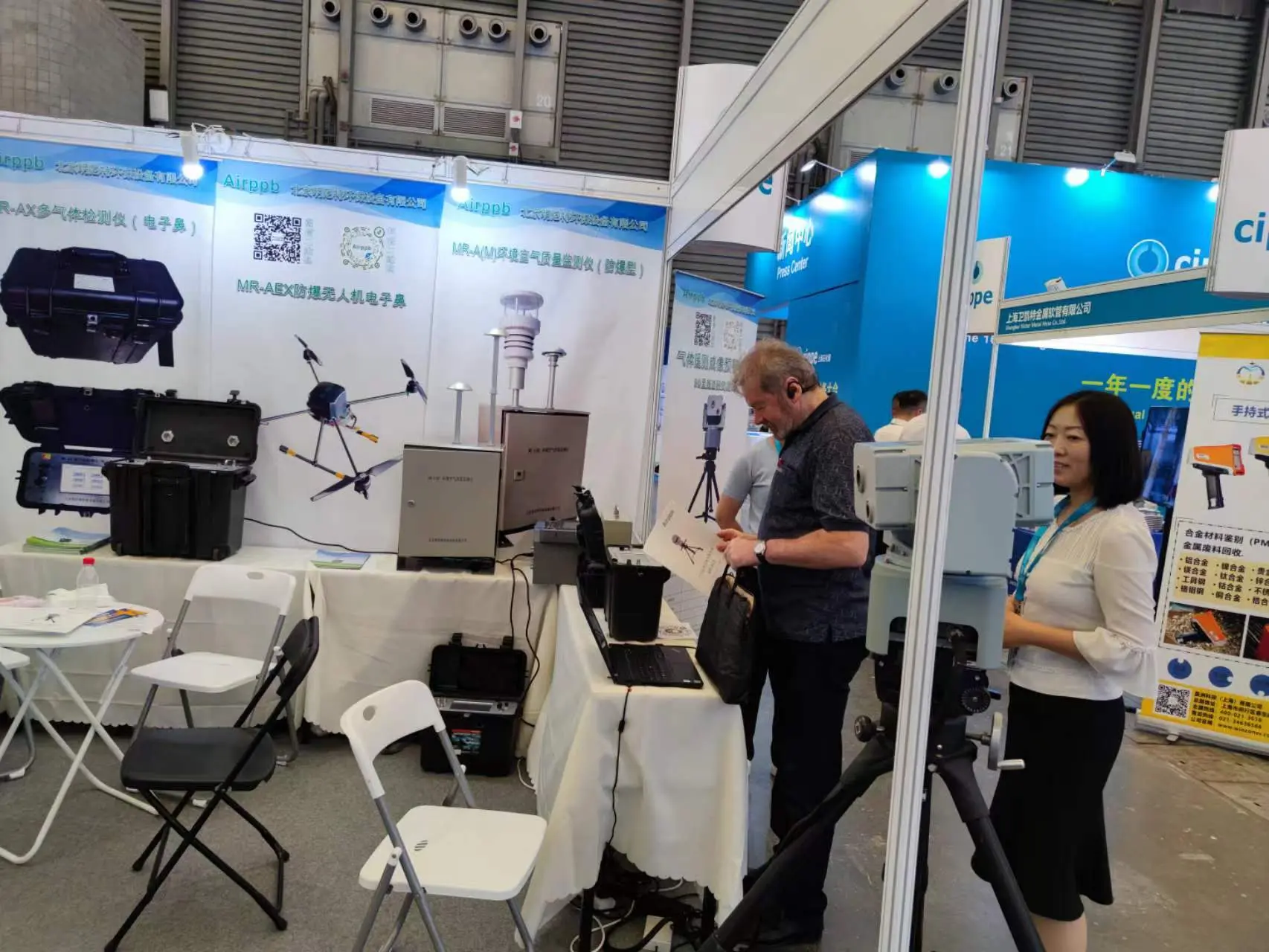
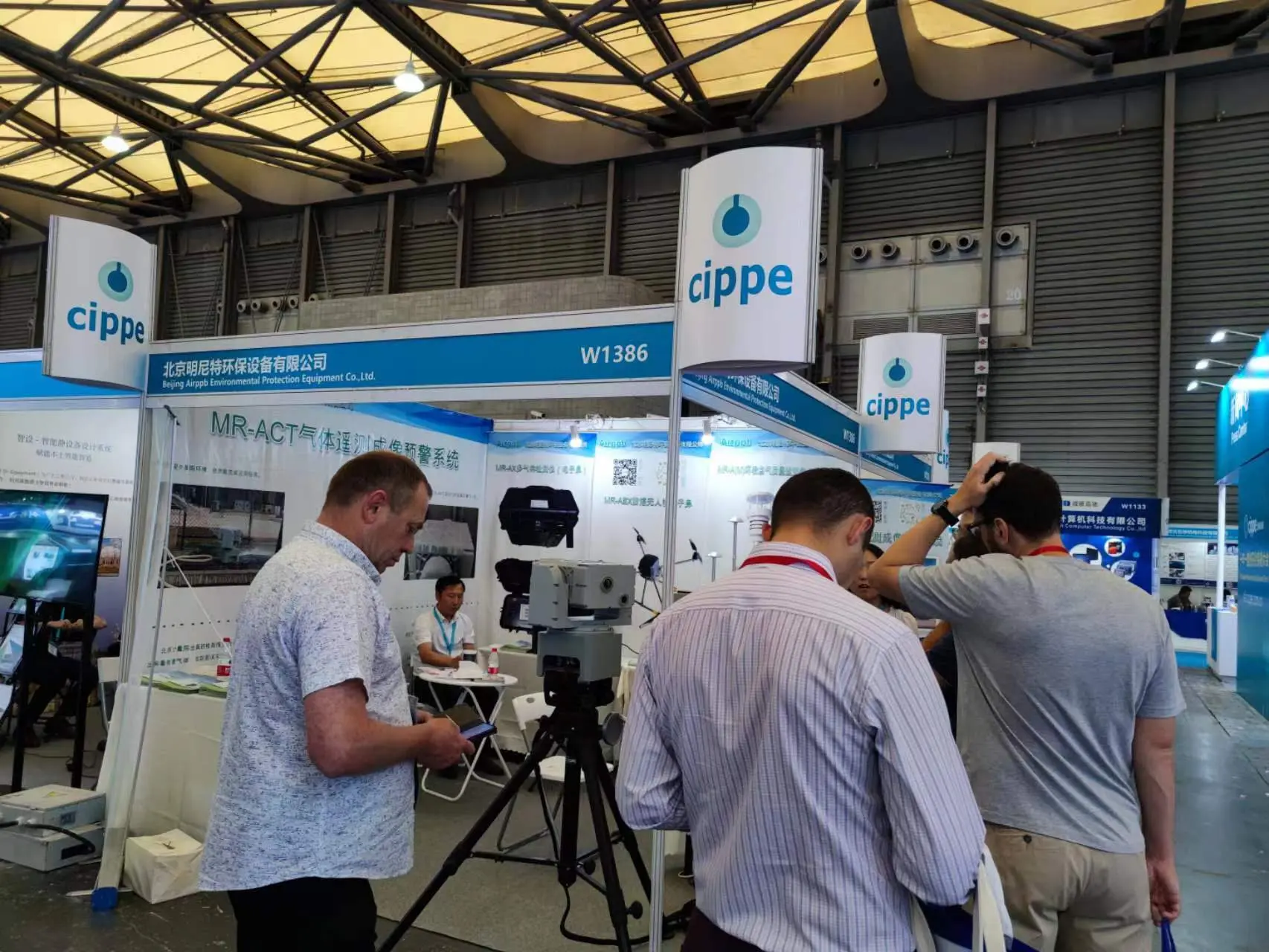
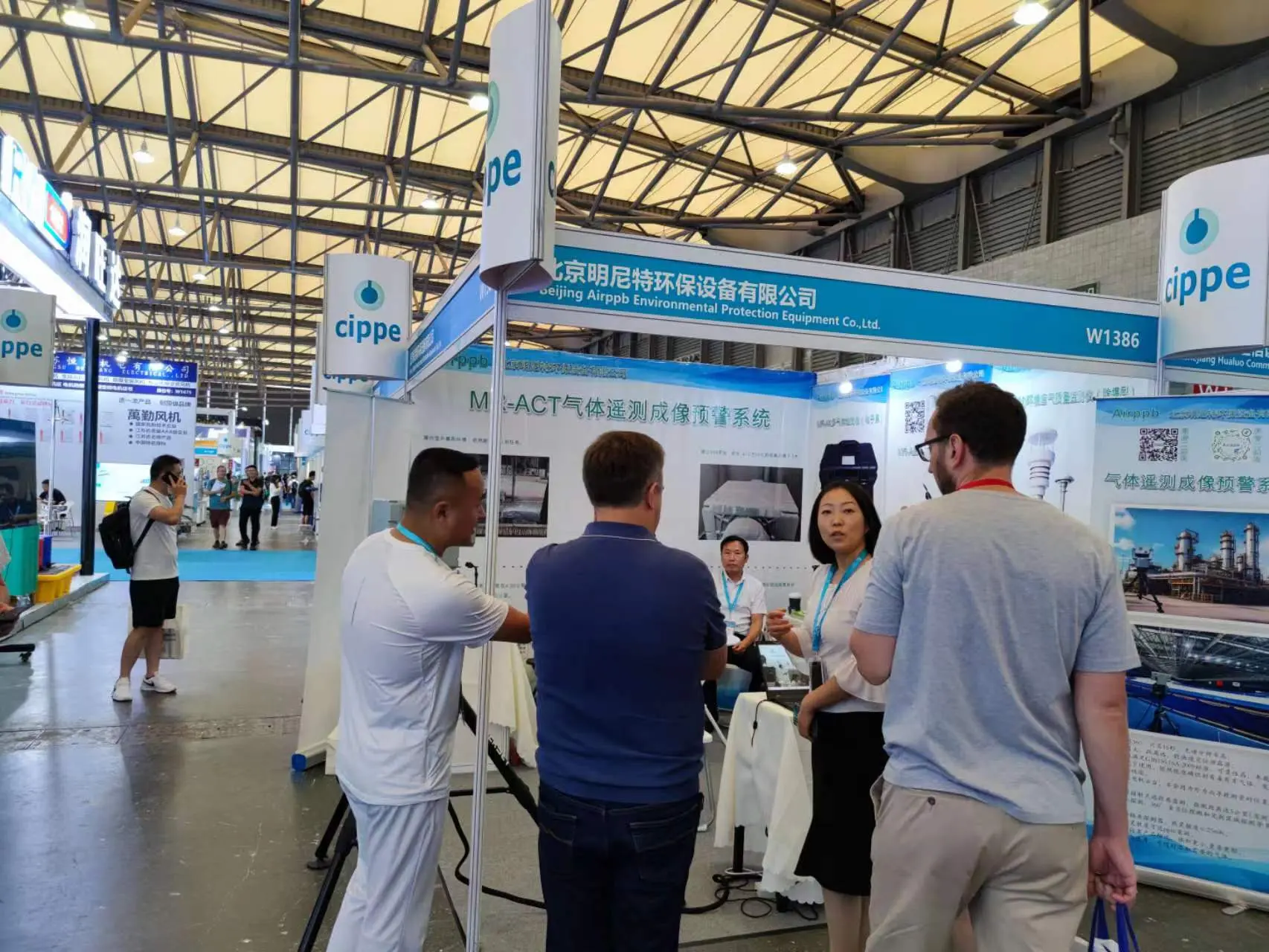
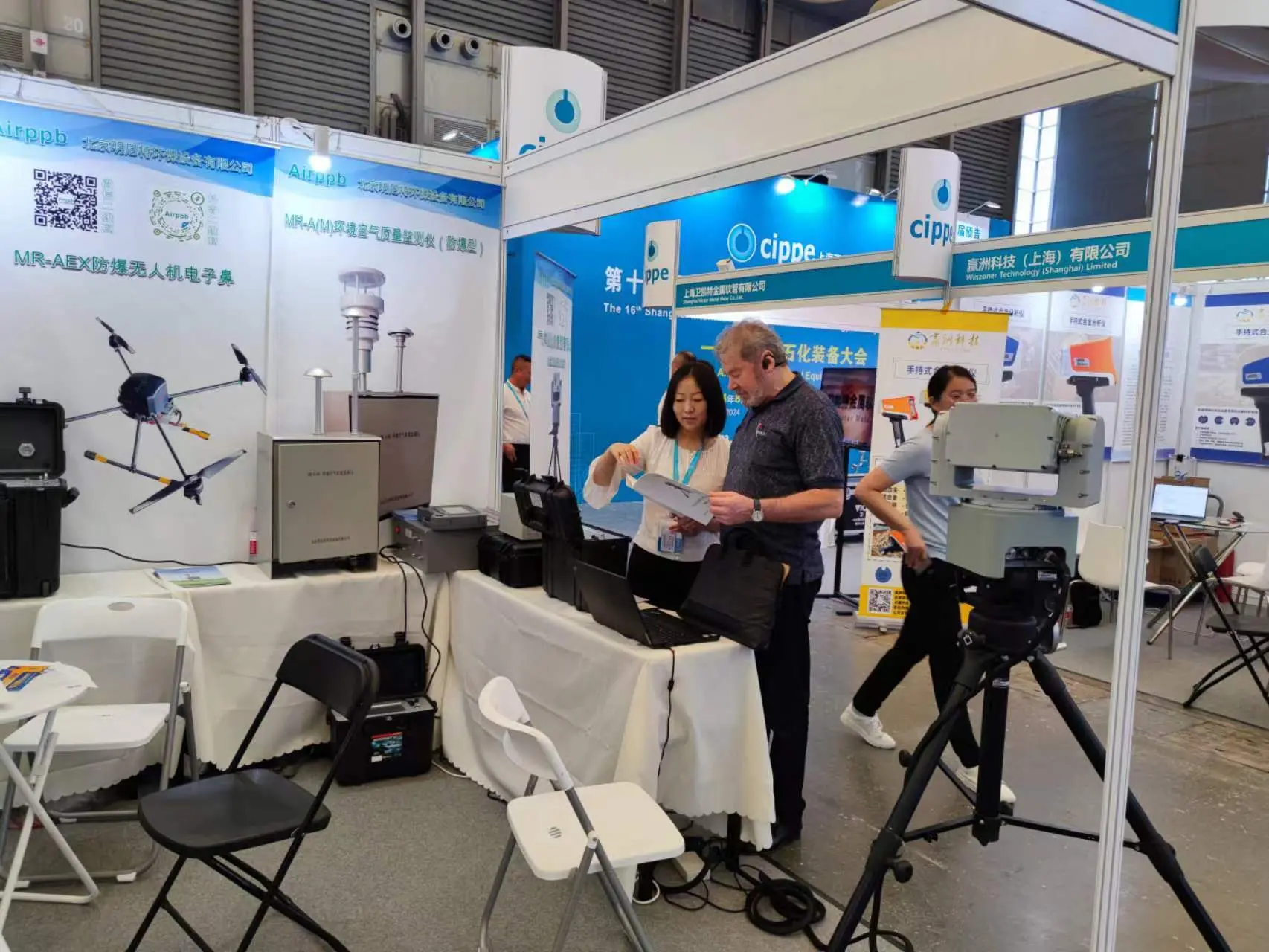
Beijing Airpbb gas detection instrumentation participating in international industrial expos.

Exhibition 1
Exhibition 2
Exhibition 3
Exhibition 4
Exhibition 5
Exhibition 6
Exhibition 7
Exhibition 8

Frequently Asked Questions (FAQ)

Technical guidance for gas safety, calibration, and international compliance.

โ“ What is the advantage of using FTIR Telemetry compared to point electrochemical detectors?
FTIR telemetry systems monitor a large open-path region, providing wide-area fence-line coverage. Point electrochemical sensors only detect gas reaching their specific location. Additionally, FTIR does not suffer from sensor poisoning when exposed to high gas concentrations.
โ“ Why is dynamic gas distribution necessary for field instrumentation calibration?
Dynamic gas distribution instruments dynamically mix gas species to create precise concentrations on demand. This removes the need to store and transport numerous pre-mixed cylinders, which can lose stability and accuracy over time.
โ“ What certifications should a manufacturer hold for petrochemical environments?
Manufacturers should operate under ISO9001 (Quality), ISO14001 (Environment), and ISO45001 (Occupational Health & Safety). Additionally, instruments deployed in hazardous zones require local certifications (such as CPA or CCEP) alongside CNAS/CMA testing reports.
โ“ How does Minnit(Airppb) manage extreme climate variations globally?
Our instruments feature internal heating, ventilation, and insulation structures. This ensures consistent performance in sub-zero Russian environments and in hot, humid conditions across Middle Eastern desert facilities.
โ“ What gas types can be resolved using IMS technology?
Ion Mobility Spectrometry (IMS) resolves trace levels of chemical agents, toxic industrial chemicals (TICs), and volatile organic compounds (VOCs). IMS provides fast response times and high resolution, even at low ppb concentrations.
โ“ Does Beijing Airpbb provide OEM/ODM customization services?
Yes. With over 15 years of OEM/ODM experience and a dedicated R&D team comprising 60% of our workforce, we provide customized branding, modifications to enclosure specifications, and specialized sensor configuration layouts.

Industrial Gas Detection & Calibration Portfolio

High-precision instrumentation designed to meet demanding petrochemical safety standards.
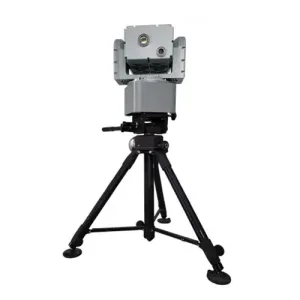
Middle East MR-AIMS Handheld IMS Chemical Identifier

Middle East MR-AIMS Handheld IMS Chemical Identifier Gas Identifier

View Technical Specifications
Military MR-AX Multi-Gas Detector

Military MR-AX Multi-Gas Detector Measure Dozens Of Gases

View Technical Specifications
Russia MR-ACT Gas Telemetry Imaging Early Warning System

Russia MR-ACT Gas Telemetry Imaging Early Warning System

View Technical Specifications
Environmental Protection Industry MR-DO2 Instrument

Environmental Protection Industry MR-DO2 Gas-Liquid Mixing Dynamic Gas Distribution Instrument

View Technical Specifications
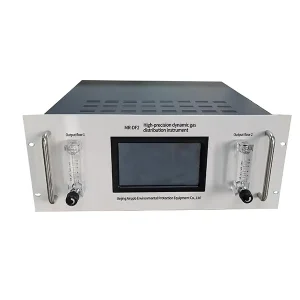
Environmental Protection Industry MR-DF2 Instrument

Environmental Protection Industry MR-DF2 High-Precision Dynamic Gas Distribution Instrument

View Technical Specifications
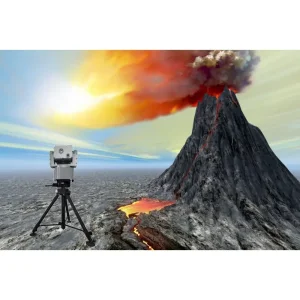
Middle East MR-ACT Remote Volcanic Gas Monitoring System

Middle East MR-ACT Remote Volcanic Gas Monitoring System

View Technical Specifications
Emergency MR-AX Odor Gas Detector

Emergency MR-AX Odor Gas Detector Identify The Type Of Odor Gas

View Technical Specifications
Military MR-DF3 Portable High-Precision Dynamic Gas Distribution Meter

Military MR-DF3 Portable High-Precision Dynamic Gas Distribution Meter

View Technical Specifications