 Airppb
Airppb
Airppb
Explore our flagship catalog of gas calibration, telemetry warning systems, and ambient environmental monitors trusted by scientific institutes globally.
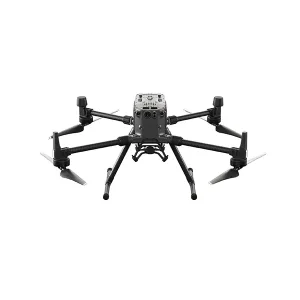
In the rapidly shifting economic landscape of the Middle East, the transition toward high-tech industrial diversification, smart cities, and stringent environmental frameworks has surged. The regional demand for scientific research instruments has expanded beyond traditional laboratory walls, pushing directly into hostile field conditions—ranging from high-temperature desert refineries to hyper-localized municipal monitoring sites. This whitepaper analyzes the manufacturing benchmarks, technical classifications, and performance criteria defining the leading gas analysis and detection architectures across the Middle East.
As governments enforce stricter environmental policies aligned with global initiatives, localized calibration accuracy and real-time gas telemetry have become primary operational mandates. Manufacturers are challenged to supply systems capable of delivering sub-parts-per-billion (ppb) detection thresholds while resisting the compounding challenges of particulate accumulation, ambient heat up to 55°C, and highly corrosive atmospheres typical of coastal petrochemical processing centers.
Beijing Airpbb Environmental Protection Equipment Co., Ltd. (Minnit) has established itself as an institutional leader in gas monitoring and dynamic calibration equipment. Established in 2012, our group has continually refined its core capabilities in Fourier Infrared (FTIR) telemetry, Ion Mobility Spectrometry (IMS), and portable multi-component analysis, bridging the gap between rigorous scientific research standards and rugged industrial execution.

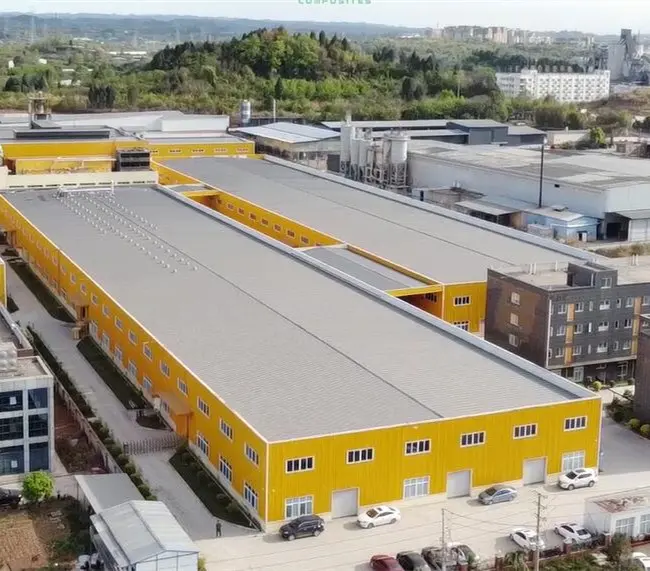
Operating globally under the brand Minnit (Airppb), we are recognized as a national high-tech enterprise dedicated to the R&D and industrialized application of high-precision gas detection technologies. By leveraging advancements in micro-sensing and advanced spectroscopy, we provide on-site, automated, and intelligent monitoring environments.
Our technological footprint covers complete gas analysis spectrums, including electrochemistry, photoionization detection (PID), and optical spectroscopy. With our scientific team constituting 60% of our total personnel, we sustain a continuous flow of intellectual property, enabling robust OEM/ODM pipelines that power global distributors across 40+ countries.
From Fourier transform infrared telemeter arrays to portable dynamic gas distribution systems, our products undergo rigorous qualification checks, including CPA, CCEP, and CNAS/CMA testing. This ensures full compliance with international standards required by complex petrochemical complexes, environmental agencies, and emergency response teams.
Unpacking the supply-side efficiencies, technological integration, and rapid deployment capabilities of advanced Chinese engineering hubs.
Historically, the high-end scientific instrumentation sector was dominated by Western European and North American manufacturers. However, a structural paradigm shift has occurred. Chinese manufacturing hubs, specifically localized in advanced technological zones like Beijing, have evolved from component assembly factories to primary innovation nodes for precision gas analysis systems.
Several key competitive advantages explain why global scientific buyers look to Chinese manufacturers:
Analyzing the performance matrices, physics, and detection limits of FTIR, IMS, and dynamic distribution systems.
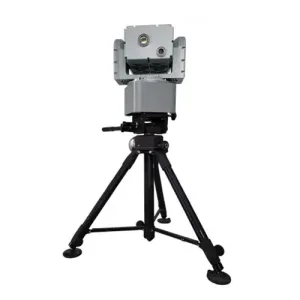
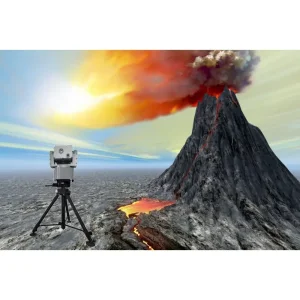
Fourier Transform Infrared Spectroscopy enables real-time, multi-component open-path detection. Our MR-FAT and MR-ACT volcanic systems scan broad infrared spectrums to identify and quantify dozens of greenhouse and volatile gases simultaneously across distances up to several kilometers.
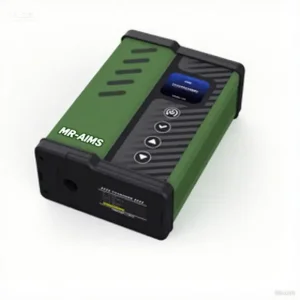
Ion Mobility Spectrometry (IMS) underpins the MR-AIMS handheld system. By ionizing trace compounds and tracking their drift velocity in an electric field, IMS achieves ppt-level sensitivity for VOCs, chemical agents, and explosive vapors under 5 seconds without carrier gases.
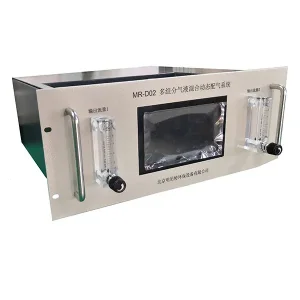
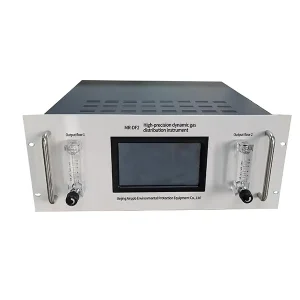
High-precision dynamic calibration (MR-DF2, MR-DF3, and MR-DO2) replaces static gas bags. Using thermal mass flow controller arrays and gas-liquid mixing chambers, they generate trace concentration gas standards automatically, essential for calibrating lab monitors.
Bridging global industrial requirements with targeted implementations in the Middle East and neighboring regions.
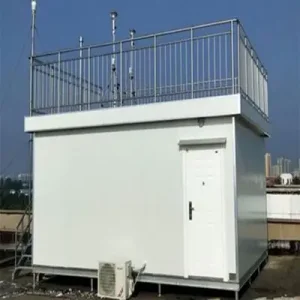
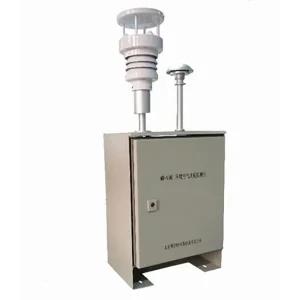
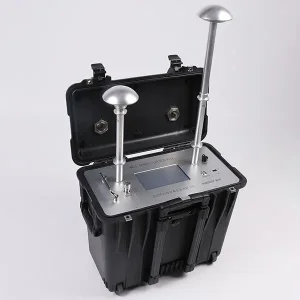
Middle Eastern refineries, extraction sites, and LNG plants generate fugitive gas emissions (such as hydrogen sulfide, sulfur dioxide, and benzene complexes) under challenging ambient conditions. The MR-A(M) Ambient Air Quality Monitor (Micro Air Station) acts as an automated, localized fenceline monitoring grid. Combined with open-path FTIR telemetry, it offers early warnings of gas leaks, shielding personnel from occupational hazards and preventing catastrophic fires.
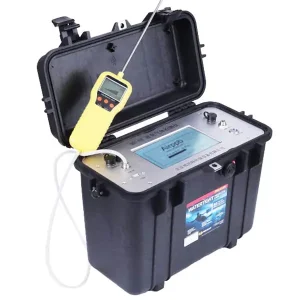
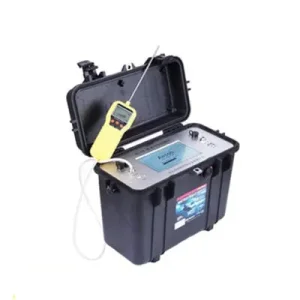
First responders require light, high-sensitivity detectors that operate immediately. The MR-AIMS Handheld IMS Chemical Identifier and the MR-AX Multi-Gas Detector can identify chemical warfare agents (CWAs), volatile industrial chemicals (VICs), and explosive vapors simultaneously. These units perform with low detection limits, showing high resistance to false positives from paint, fuel, or sand.
Geological research stations in the Middle East, East Africa, and Southern Europe utilize remote gas monitoring systems. The MR-ACT Remote Volcanic Gas Monitoring System uses infrared optical telemetry to measure volcanic emissions (primarily SO2, CO2, and HCl) from safe distances. This system provides critical research data on eruptive patterns without exposing research instruments or geologists to acidic plume fallout.
Our instruments conform strictly to major international quality assurance protocols and metrology standards.
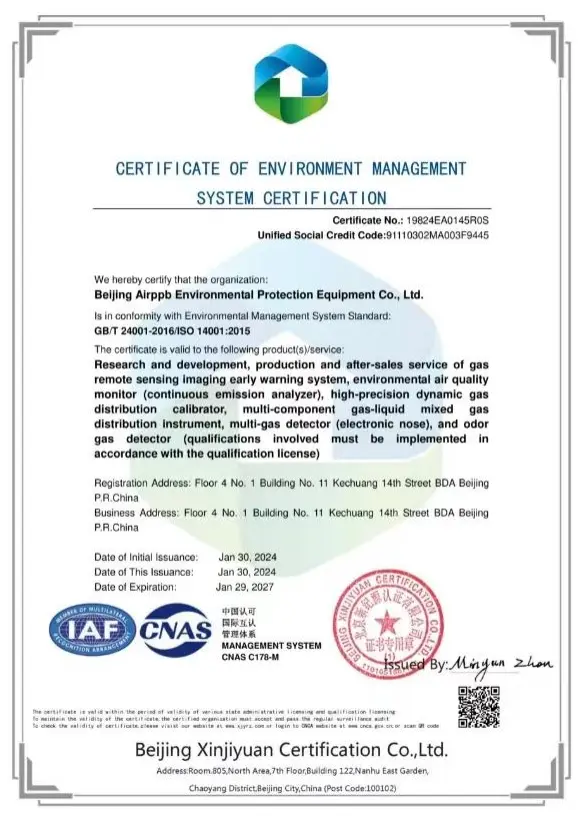
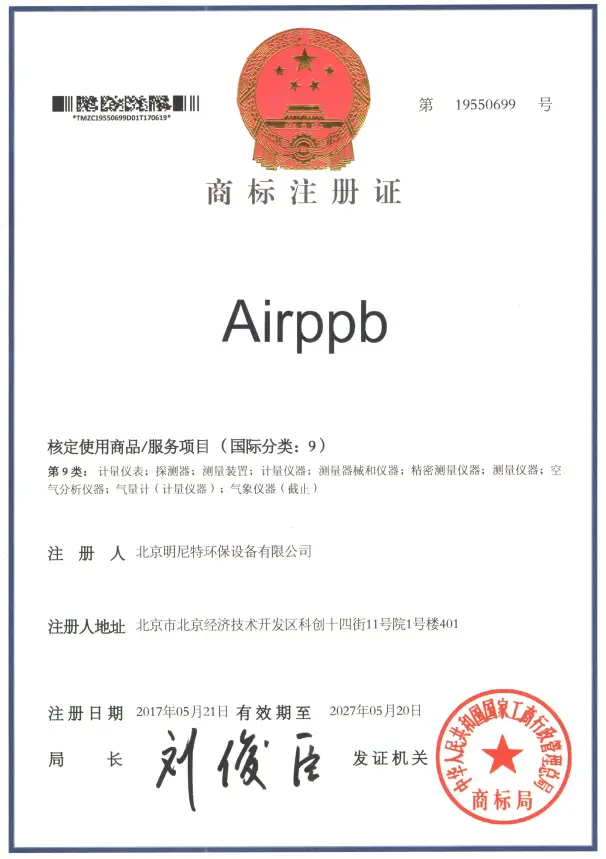
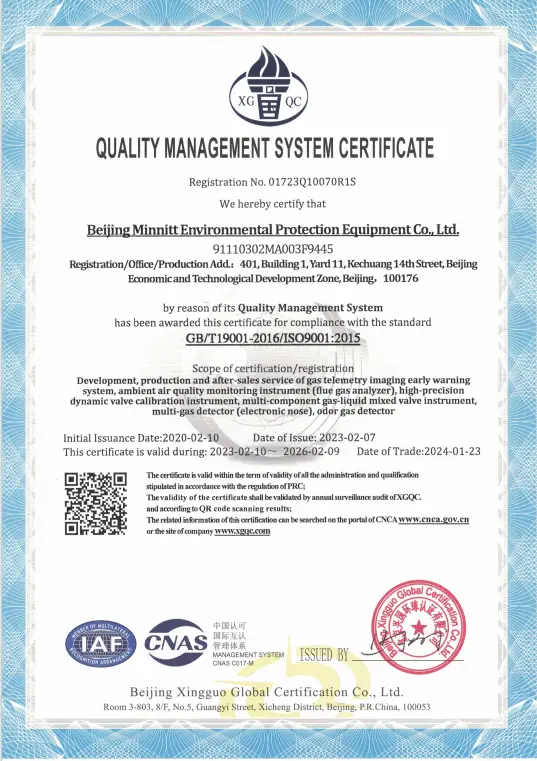
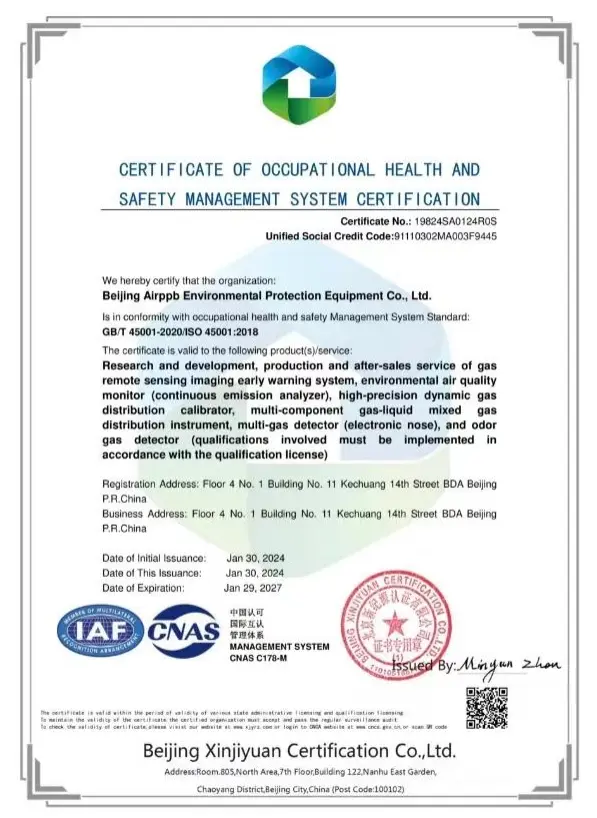
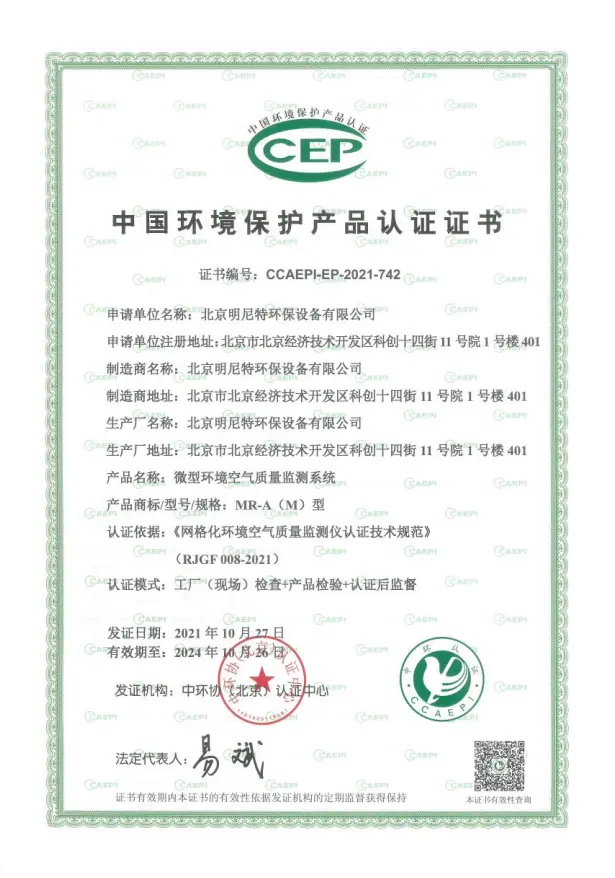
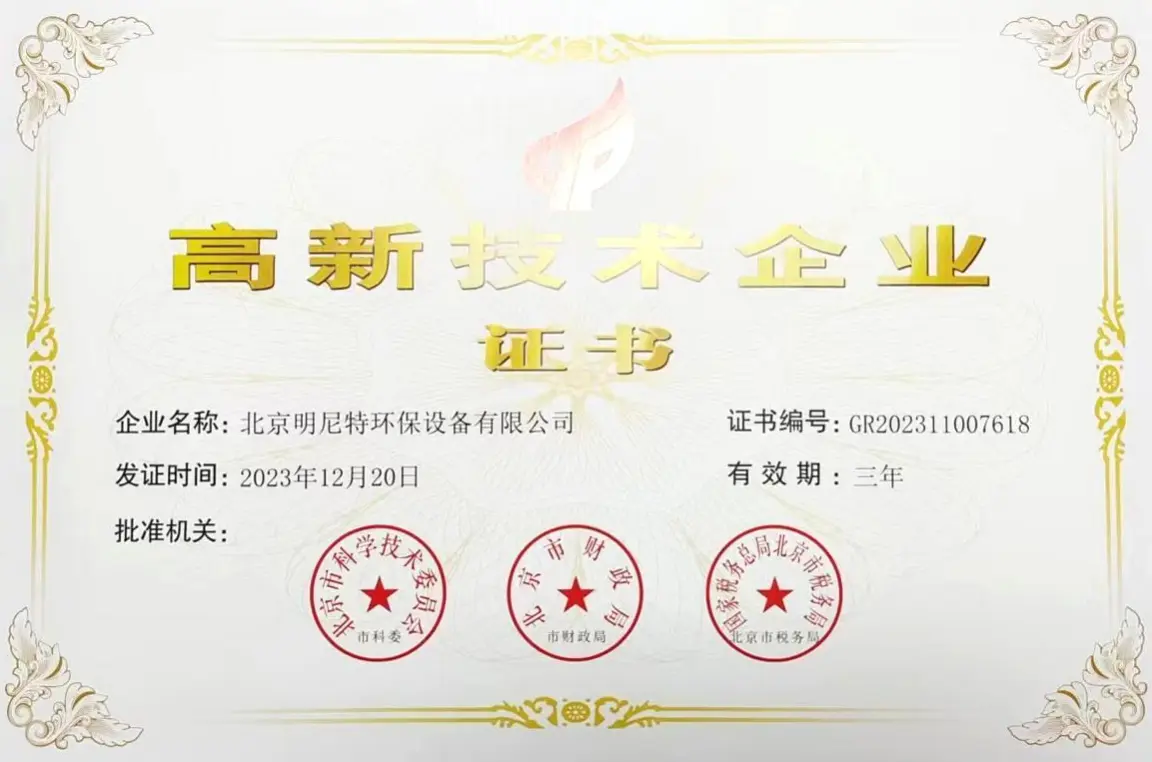

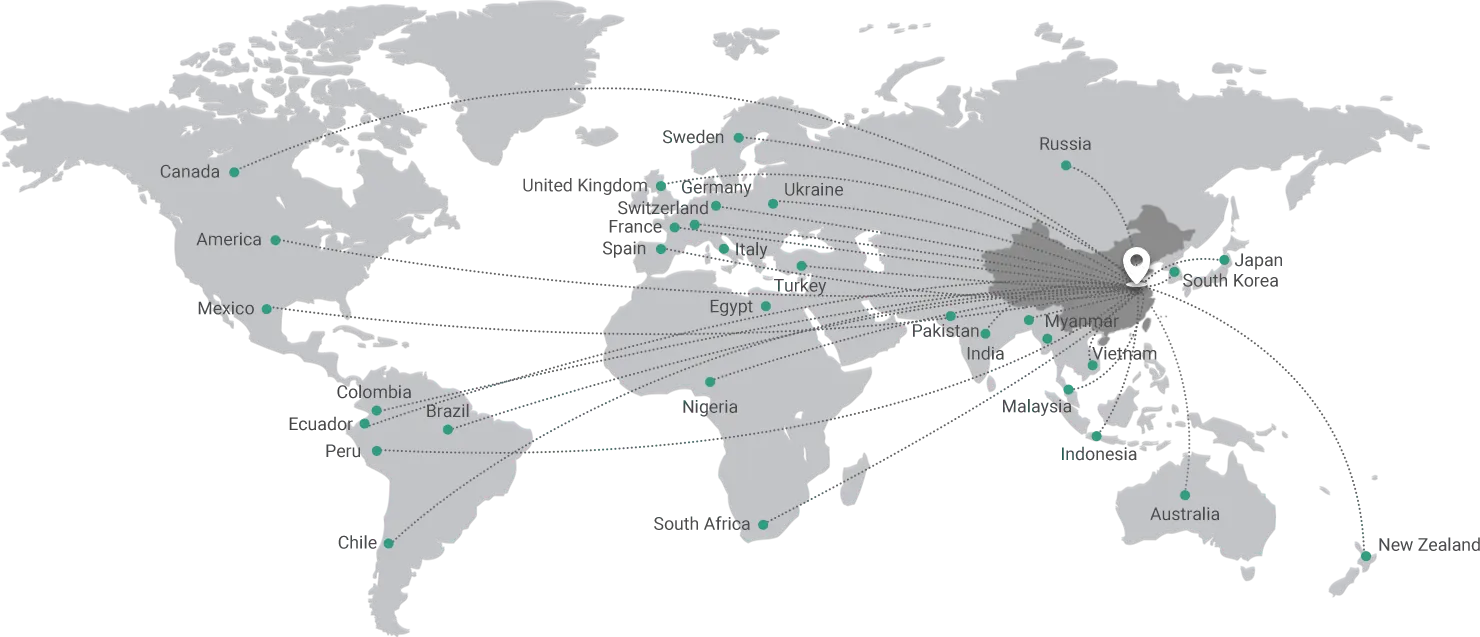
Active international collaboration and system deployments across 40+ countries and regions.
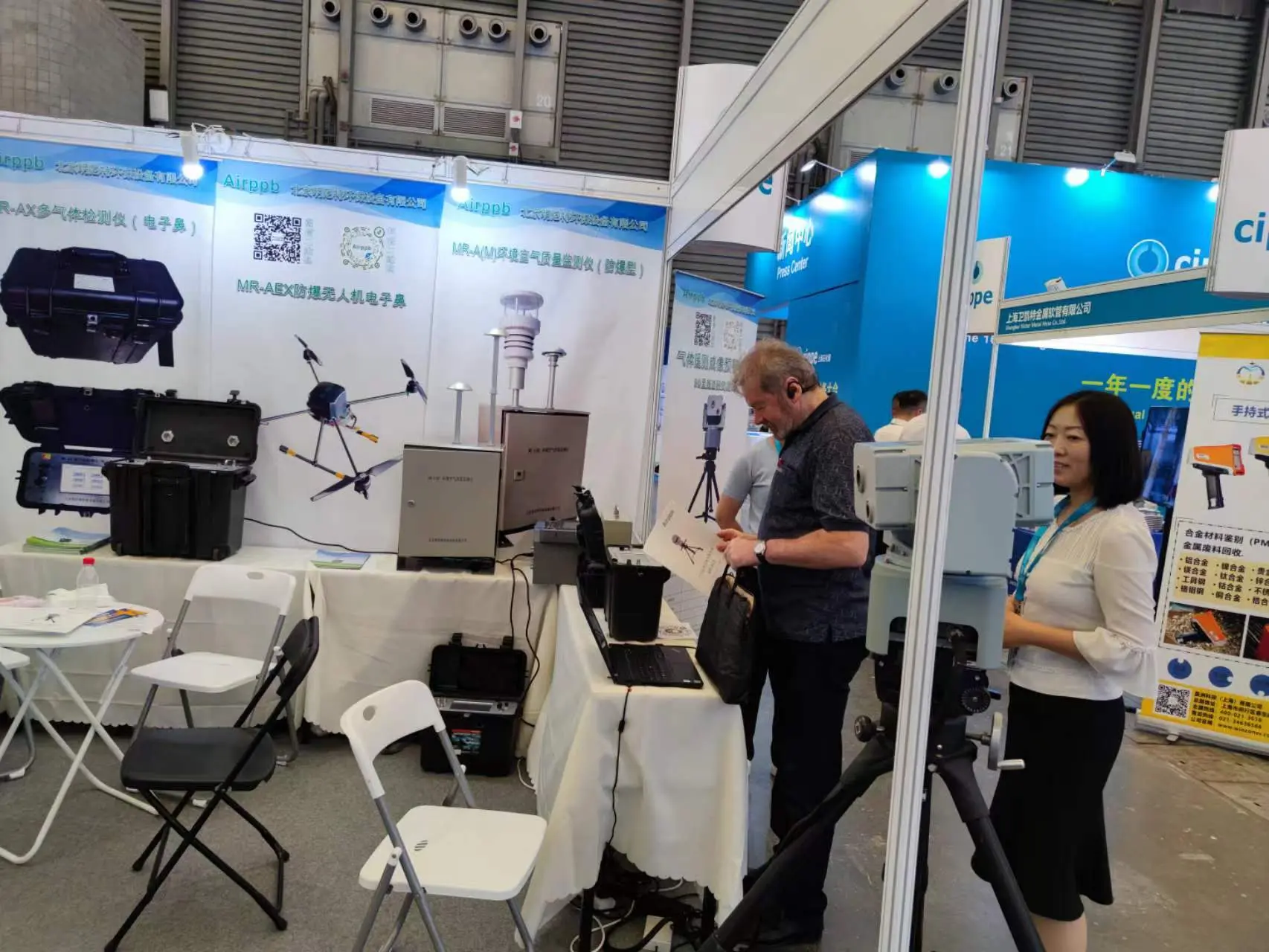
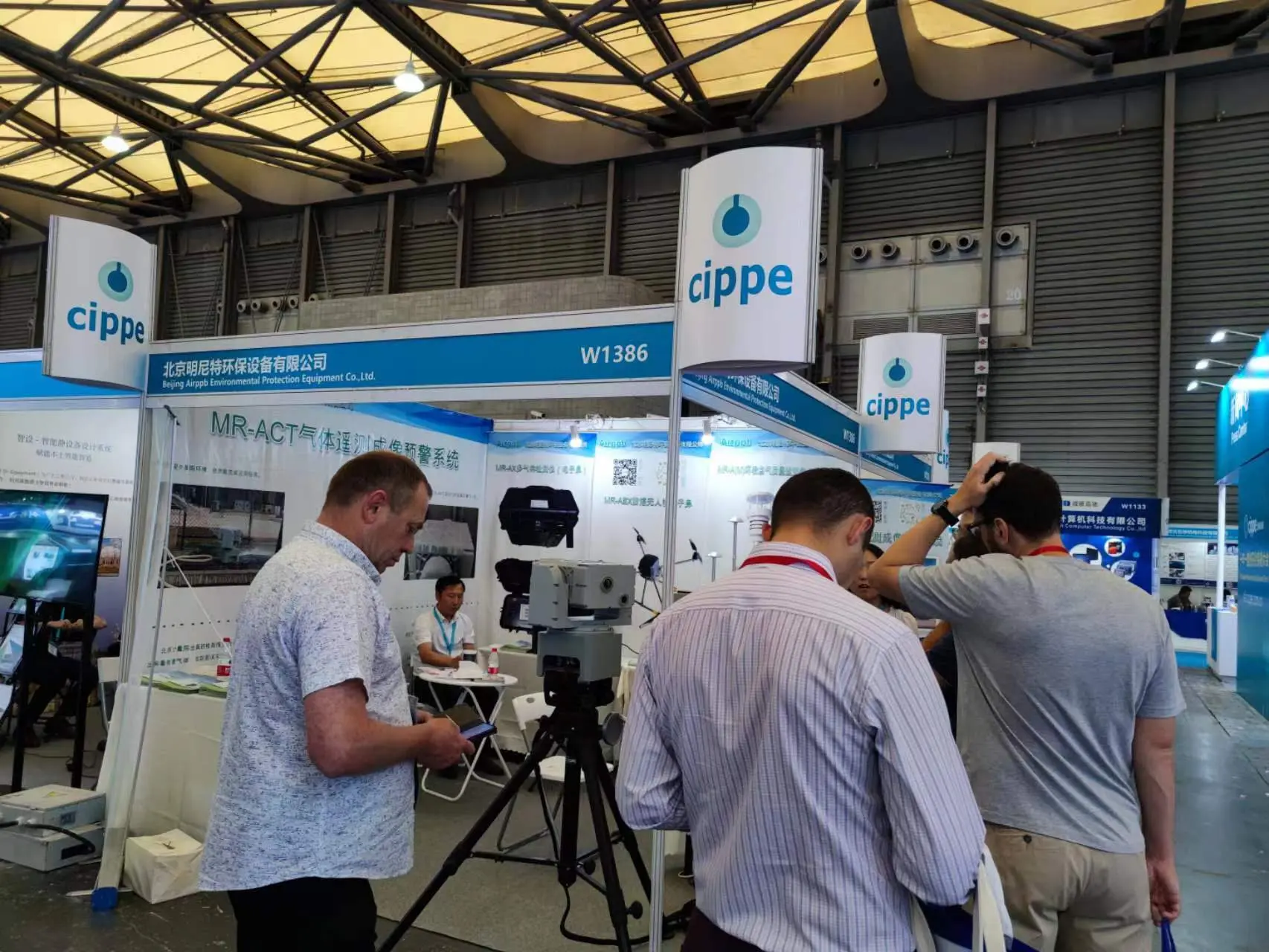
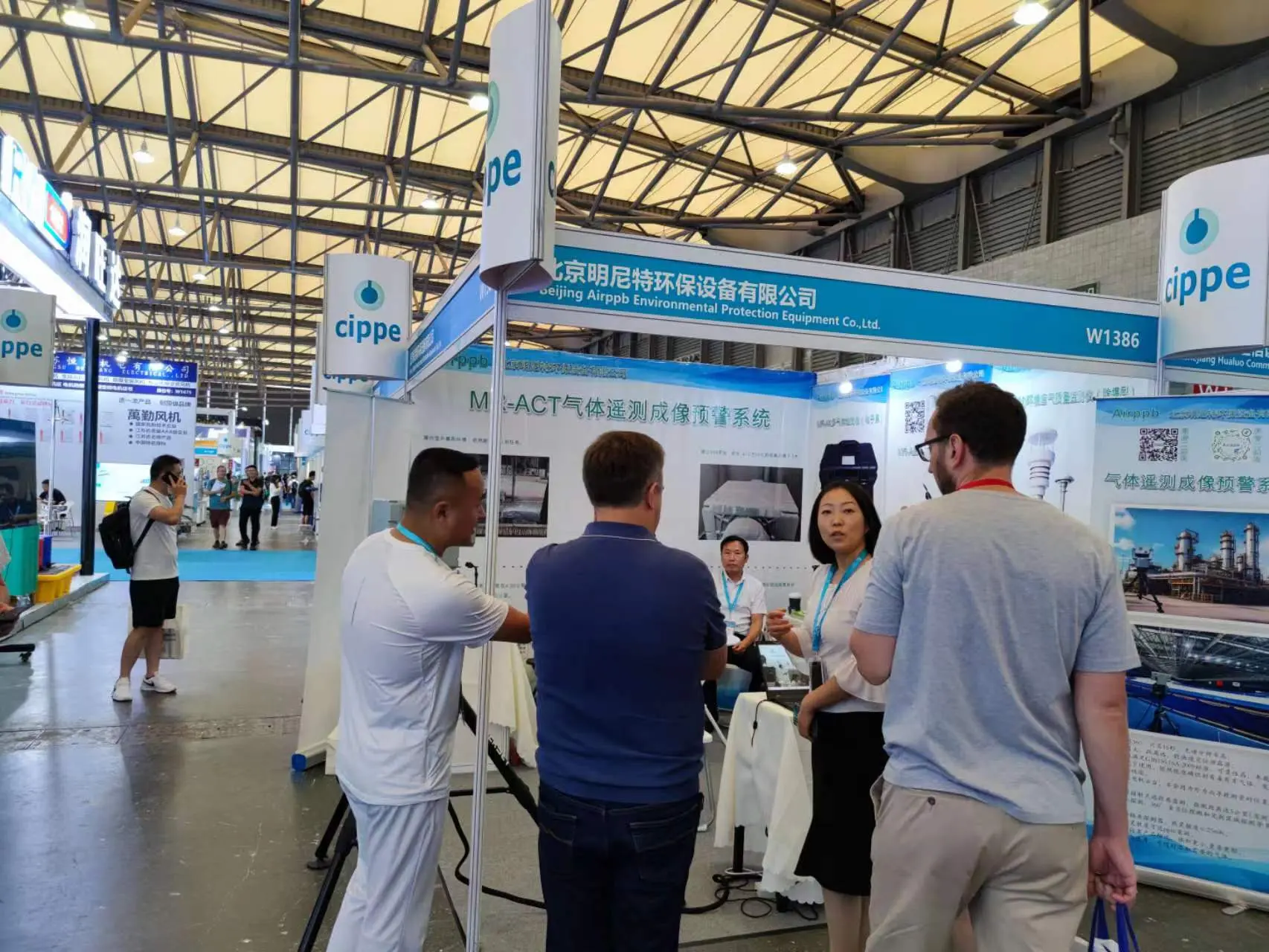
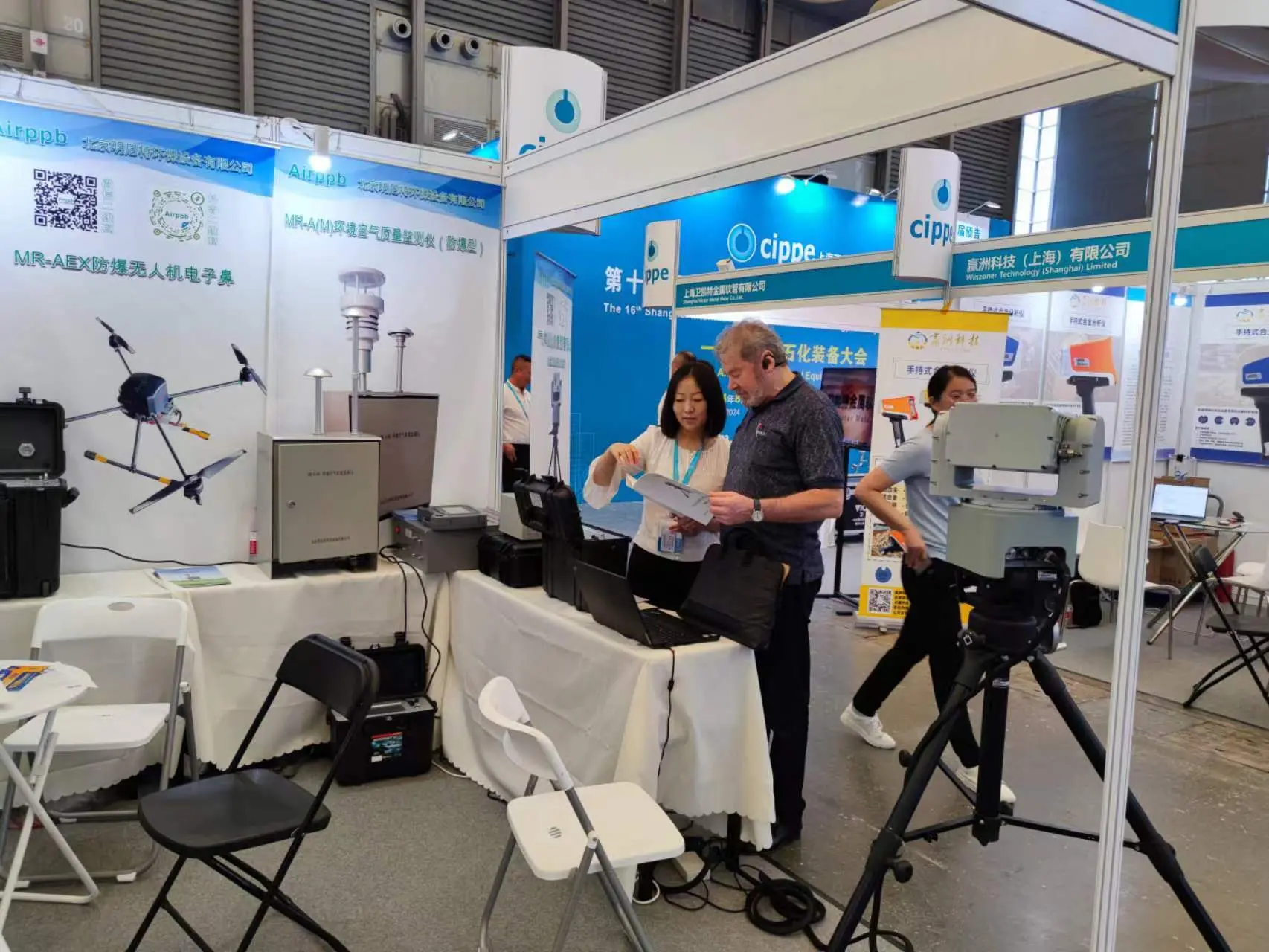

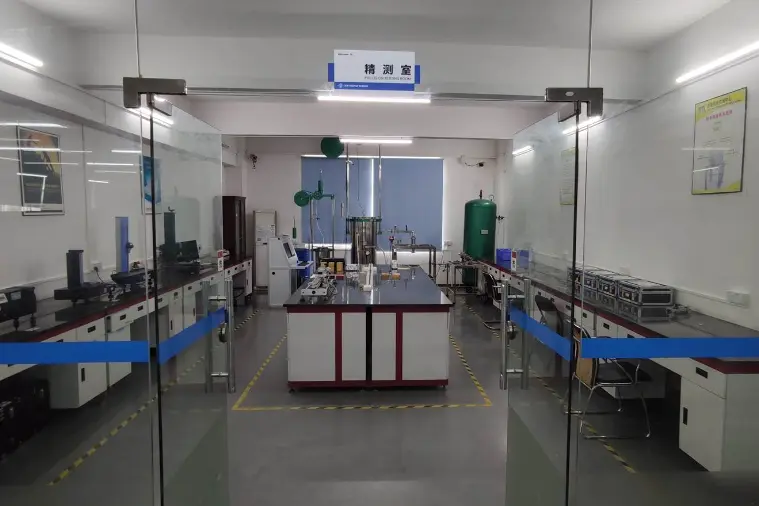
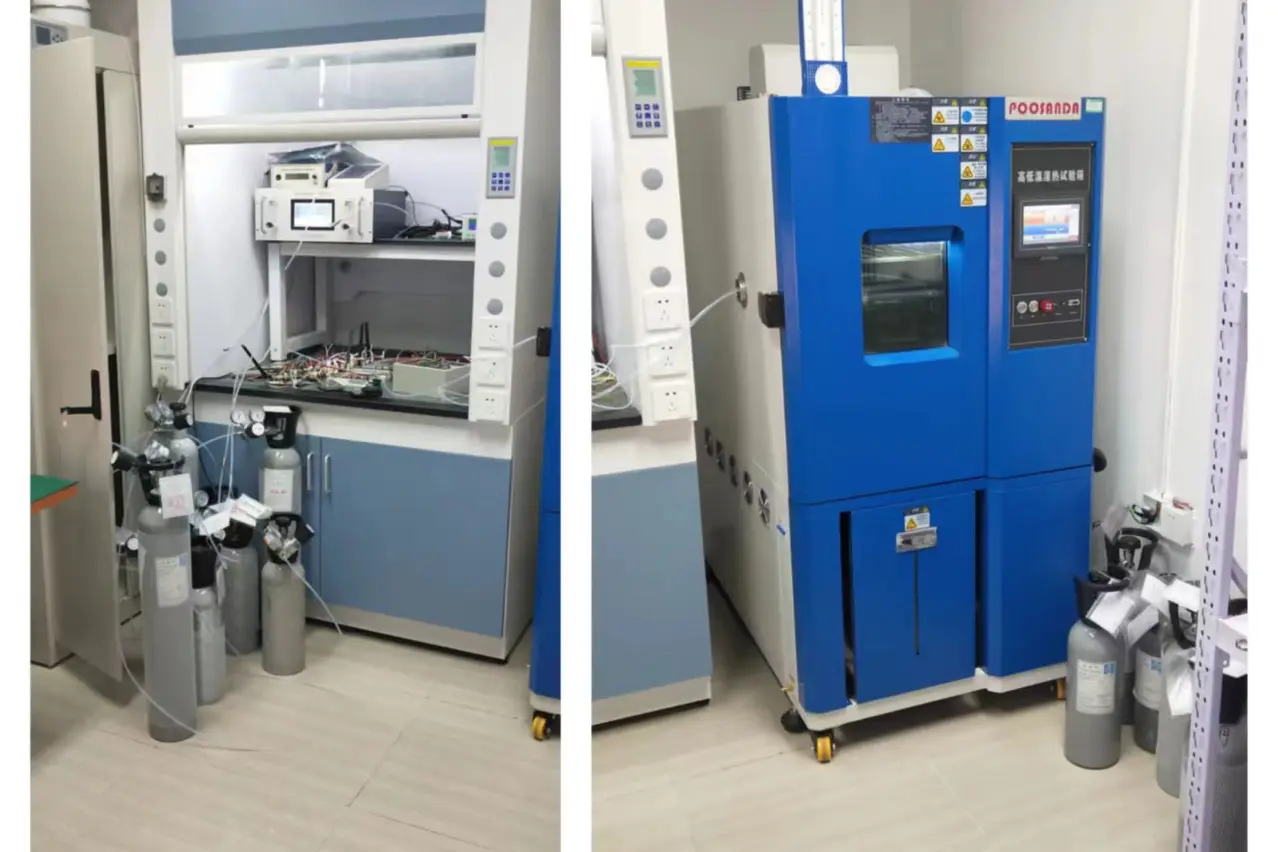
With exports to over 40 countries, our distribution channels have developed robust delivery protocols. Because precision gas analyzers are highly sensitive, each device is shipped inside customized, shock-resistant wooden crates.
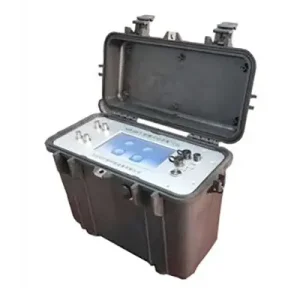
We also address localized calibration challenges by providing portable calibration platforms, such as the MR-DF3 Portable Dynamic Gas Distribution Meter. This enables local distributors to perform trace-level span and zero calibrations in the field, ensuring compliance with local national standards.
Supporting complex customer specifications through our structured design and manufacturing workflow.
We leverage a long history of custom development to design instruments that meet specific chemical compatibility, sensor positioning, and chassis requirements.
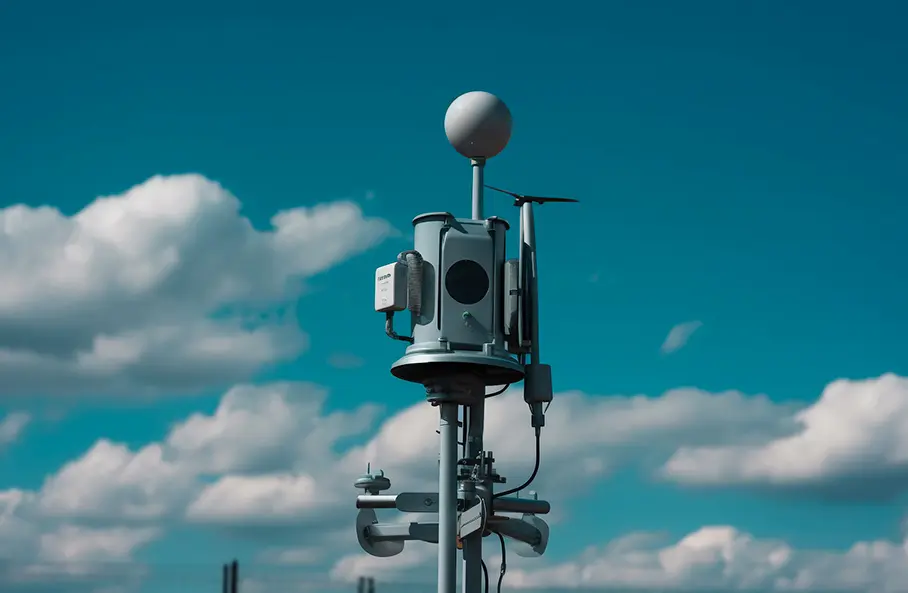
Our R&D team accounts for 60% of our workforce. We focus on gas-path simulation, optical bench stabilization, and software algorithm development.
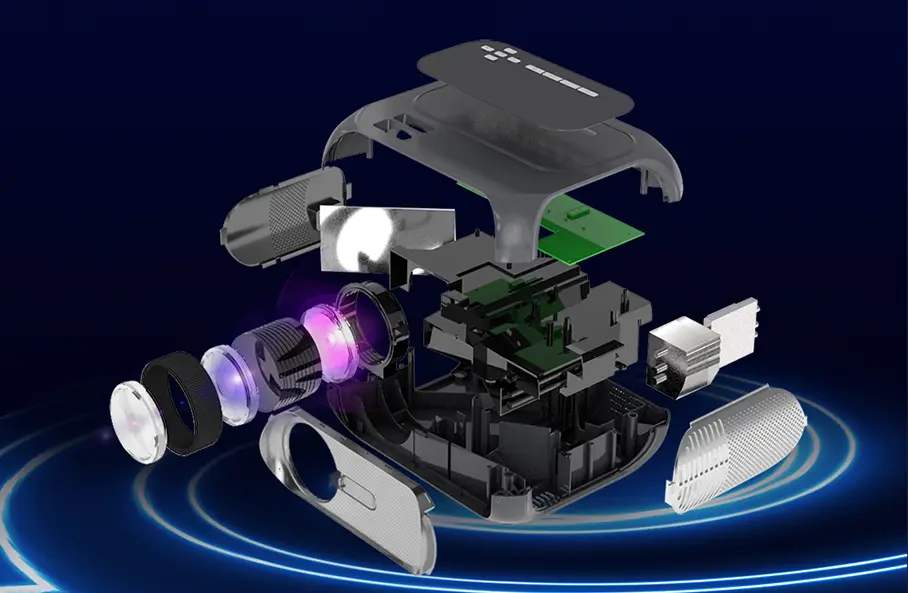
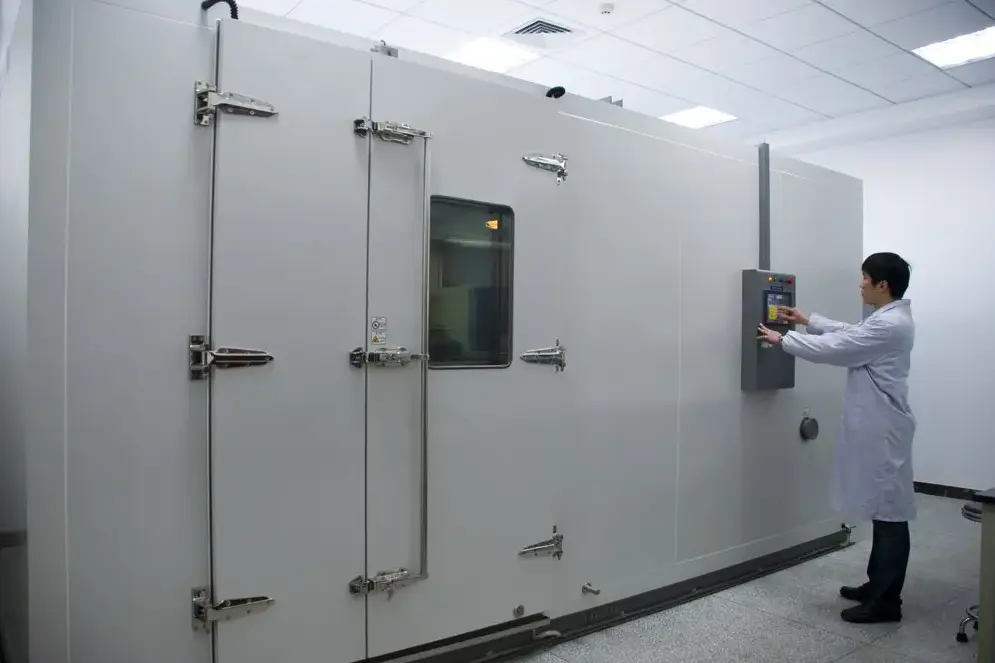
Each unit undergoes multiple testing loops, environmental chamber cycling (-20°C to 60°C), and automated multi-gas calibration procedures.

Detailed technical answers for procurement officers and engineering leads regarding design, testing, and deployment.
Browse our catalog of telemetry receivers, mixing instruments, and military-grade multi-gas identifiers.