 Airppb
Airppb
Airppb
In the modern industrial era, the demand for Firefighting Toxic Gas Monitoring has transcended basic smoke detection. As global urbanization accelerates and chemical complexes expand, the complexity of hazardous atmospheres has increased exponentially. Today, firefighting units and industrial safety managers face a "cocktail" of toxic gases—ranging from traditional Carbon Monoxide (CO) and Hydrogen Cyanide (HCN) to complex Volatile Organic Compounds (VOCs) and synthetic combustion byproducts.
The global gas detection market is projected to reach USD 5.4 billion by 2028, driven by stringent safety regulations like OSHA in the US and EU-OSHA in Europe.
International standards (ATEX, IECEx, SIL2) are now mandatory benchmarks for manufacturers, ensuring equipment can survive the harshest "Red Zone" environments.
Real-time monitoring reduces long-term health risks for first responders, addressing the rising incidence of occupational cancers in the firefighting community.
As a leading Toxic Gas Monitoring Manufacturer, we observe four pivotal shifts redefining the industry:
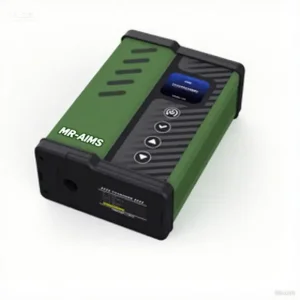
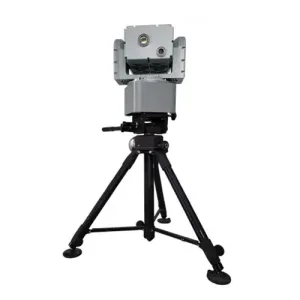
The transition from standalone detectors to networked ecosystems. Modern systems like our MR-ACT Gas Telemetry Imaging allow commanders to view gas concentrations across a 5km radius on a single tablet, enabling data-driven evacuation decisions.
Artificial Intelligence is now used to distinguish between "nuisance alarms" and genuine threats. By analyzing gas "fingerprints" using spectroscopy, our devices can identify specific chemical agents in seconds.
Technologies once confined to laboratories, such as Ion Mobility Spectrometry (IMS) and Fourier Transform Infrared (FTIR), are now handheld. This allows for on-site chemical identification (HazMat) without waiting for lab results.
Global buyers—from Middle Eastern oil giants to European municipal fire departments—seek three core attributes: Reliability, Integration, and Cost-Efficiency.
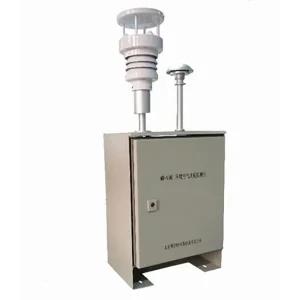
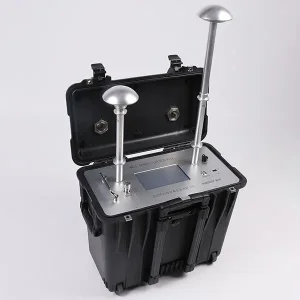
Localized Need: High-temperature resistance and explosion-proof certifications. Our MR-A(M) series is designed for 24/7 perimeter monitoring in high-salinity coastal environments.
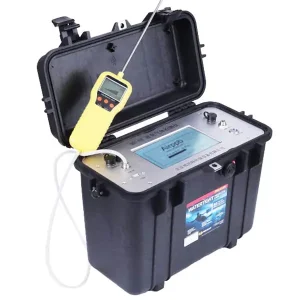
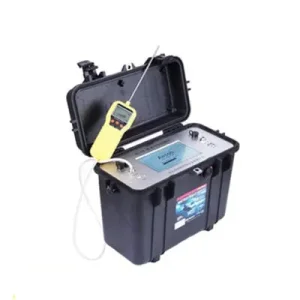
Localized Need: Portable, multi-gas detection for confined spaces. The MR-AX multi-gas detector provides vital data on oxygen levels and toxic seepage in collapsed structures.
Localized Need: Rapid deployment during chemical spills. Our MR-FAT FTIR Telemeter can scan a plume from a distance, keeping personnel out of the immediate danger zone.
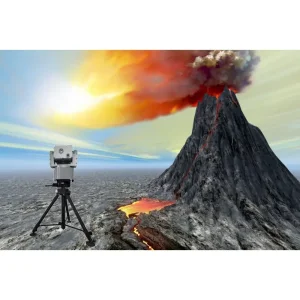
In the Middle East, there is a surge in demand for volcanic and seismic gas monitoring (e.g., MR-ACT Volcanic System), while in Russia and Northern Europe, equipment must remain functional in sub-zero temperatures (-40°C), a challenge our R&D team has successfully met through advanced thermal compensation algorithms.
As a National High-Tech Enterprise, Minnit represents the pinnacle of Chinese precision engineering. Our advantage lies in the integration of the entire value chain:
Minnit is a national high-tech enterprise focusing on the research and development and industrialized innovative application of precision gas detection instruments. The company uses technological innovation to realize on-site, automated and intelligent analysis, detection and monitoring, and is committed to becoming the world's leading manufacturer of scientific instruments. It has mastered relatively complete gas analysis and detection technologies such as electrochemistry, PID, and spectroscopy, and developed laboratory Analysis, on-site analysis (portable, online, mobile), automated analysis and a series of technologically leading product portfolios provide global users with comprehensive and professional solutions in the fields of advanced industry, ecological environment emergency safety and other fields.