 Airppb
Airppb
Airppb
Premium environmental sensing nodes optimized for volcanic activity, coastal salt spray, and extreme tropical humidity.
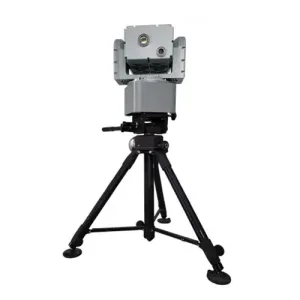
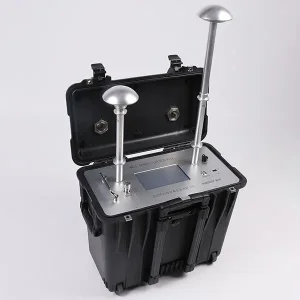
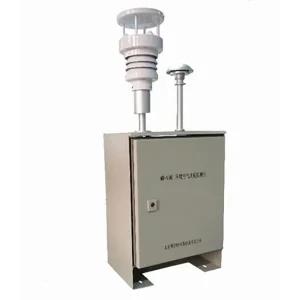
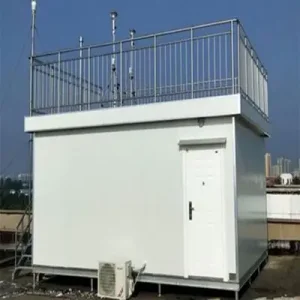
Dominica, renowned globally as the "Nature Island of the Caribbean," presents a unique environmental profile where lush ecological reserves exist in close proximity to active geothermal zones and expanding infrastructural systems. Characterized by nine active volcanoes, including the world-famous Boiling Lake and the Roseau Valley geothermal developments, the island requires robust, highly reliable gas monitoring systems. These installations must withstand volatile volcanic outgassing (chiefly Carbon Dioxide ($CO_2$), Hydrogen Sulfide ($H_2S$), and Sulfur Dioxide ($SO_2$)) as well as aggressive maritime atmospheric corrosion.
As Dominica aggressively transitions towards green power via geothermal energy exploration, real-time gas telemetry has emerged as a cornerstone of workplace safety and public health compliance. Industrial construction sites, hydrothermal plant footprints, and local eco-tourism trails depend on continuous environmental assessment arrays to avoid dangerous gas exposure events. The challenge lies in utilizing analytical hardware that maintains calibration precision despite 90%+ tropical humidity, constant salt-spray exposure, and sudden temperature variations.
Reliable gas tracking at hydrothermal zones requires sensor housings with IP67 marine-grade polymers and specialized active-cooling pathways to prevent internal condensation. Electrochemical sensors must be chemically cross-filtered to ensure $H_2S$ detection accuracy is not compromised by co-existing volatile organic compounds (VOCs) or sulfur oxide variants.
Beyond natural volcanic emissions, Dominica’s urban zones and maritime ports present micro-scale air quality issues related to transport diesel particulates, industrial paint booths, and marine vessel exhausts. The convergence of these factors calls for a multi-layered atmospheric grid, combining high-precision portable identifiers, compact micro-air stations, and long-range FTIR (Fourier Transform Infrared) telemetry arrays that can monitor air plumes from kilometers away.
Established in 2012, Beijing Airpbb Environmental Protection Equipment Co., Ltd. (operating under the Minnit / Airppb brands) is a globally recognized, national high-tech enterprise. We focus strictly on the research, development, and industrial manufacturing of precision gas detection instruments, remote sensing systems, and dynamic calibration devices.
With continuous investment in core technology, we have mastered advanced gas analysis techniques spanning electrochemical nodes, Photoionization Detection (PID), and high-resolution optical spectroscopy. Our structural system is validated under rigorous certification frameworks, holding the ISO9001 Quality Management System Certificate, ISO14001 Environmental Management System Certificate, and ISO45001 Occupational Health and Safety Management System Certificate. Furthermore, our products comply with specialized standards such as CPA (Pattern Approval for Measuring Instruments), CCEP (China Environmental Protection Product Certification), and yield CNAS/CMA accredited laboratory validation reports.
Our R&D division comprises 60% of our total workforce, allowing us to support extensive OEM/ODM requirements for municipal networks, defense agencies, and major petrochemical facilities globally. Over the past 15 years, we have scaled our production to ship precision hardware to over 40 countries, helping industrial operators achieve safety, localization compliance, and robust environmental metrics.
Get Technical Consultation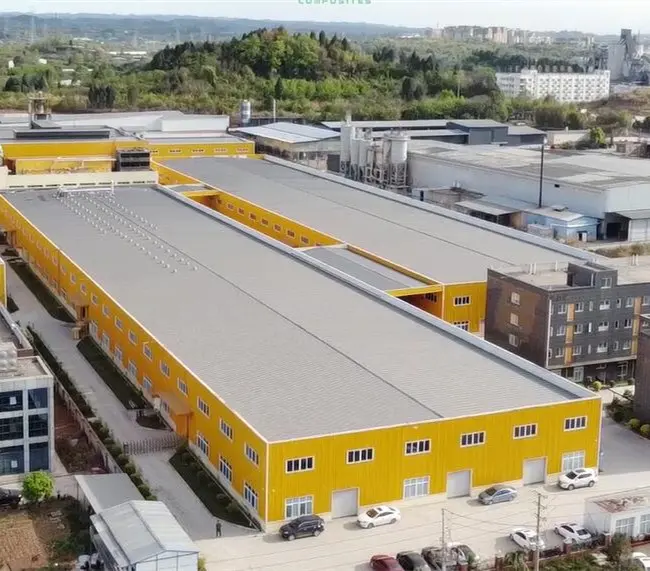
Managing the safety profile of active geothermal and volcanic systems, such as Dominica’s Boiling Lake and Valley of Desolation, requires a hybrid, multi-tier monitoring roadmap. Standard atmospheric measurement approaches fail due to the high toxicity, high moisture content, and geographical isolation of volcanic fumaroles. The optimal architecture leverages three core layers:
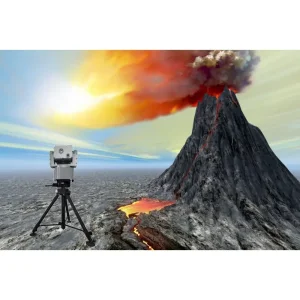
1. Remote Optical Telemetry (FTIR & NDIR): Open-path Fourier Transform Infrared (FTIR) telemetry systems operate over path lengths of up to several kilometers. By analyzing the absorption lines of ambient light or active infrared sources, these systems identify $SO_2$, $HCl$, $HF$, and $CO_2$ ratios in the gas plume. This allows volcanologists and disaster management authorities to track underground magma movements and pressure spikes without placing human personnel or physical sensors in high-risk zones.
2. Distributed Micro Air Monitoring Stations (IoT Grid): Positioned at the boundaries of residential zones and geothermal drilling pads, micro-stations like the MR-A(M) provide continuous ambient readings. Powered by integrated solar arrays and utilizing LTE or LoRaWAN communication protocols, they broadcast real-time concentrations of $H_2S$ and particulate matter. These systems act as localized early-warning networks, triggerable via automated SMS or cloud dashboard interfaces.
3. Portable IMS and Electrochemical Units: For geological survey teams and emergency responders, handheld units featuring Ion Mobility Spectrometry (IMS) and fast-response electrochemical sensors allow on-the-spot verification of toxicity profiles. These handheld instruments verify the precise concentration of gases in depressions where heavy, carbon-dioxide-rich mixtures tend to pool.
In high-accuracy atmospheric monitoring, sensor drift is inevitable due to environmental degradation. Our MR-DF3 and MR-DF2 series dynamic gas distribution instruments enable onsite calibration of detection sensors, producing exact concentrations of target gases using traceable reference standards. This guarantees long-term data integrity and maintains international conformity.
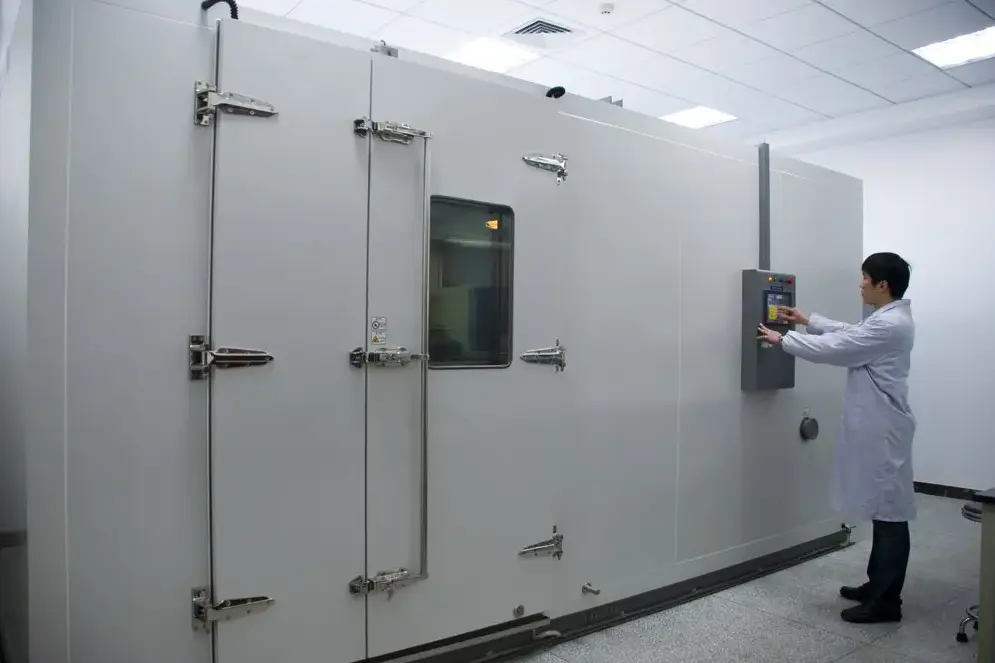
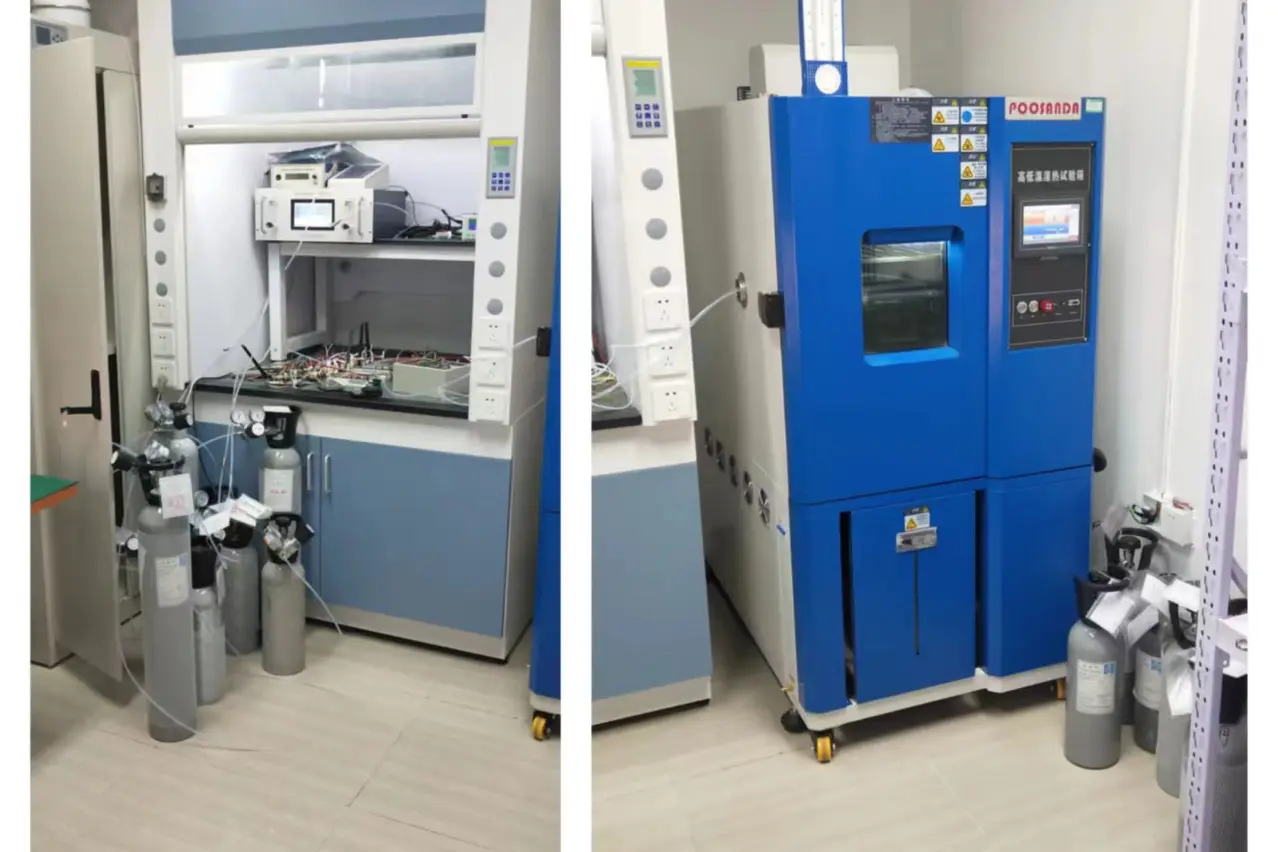
Procuring atmospheric diagnostic machinery from our China-based Industry 4.0 manufacturing complex offers distinct structural advantages for project developers in Dominica. The Integration of automated calibration lines, robotic components placement, and climate-controlled testing chambers ensures that every sensor leaving the factory performs uniformly under harsh tropical environments.
Because we manage the entire manufacturing cycle—from raw sensor design and software development to mechanical housing fabrication—we can easily scale production to meet project demands. This streamlined supply chain reduces lead times for critical telemetry systems by up to 45% compared to regional vendors, backed by complete quality control testing certified under CPA and CCEP guidelines.
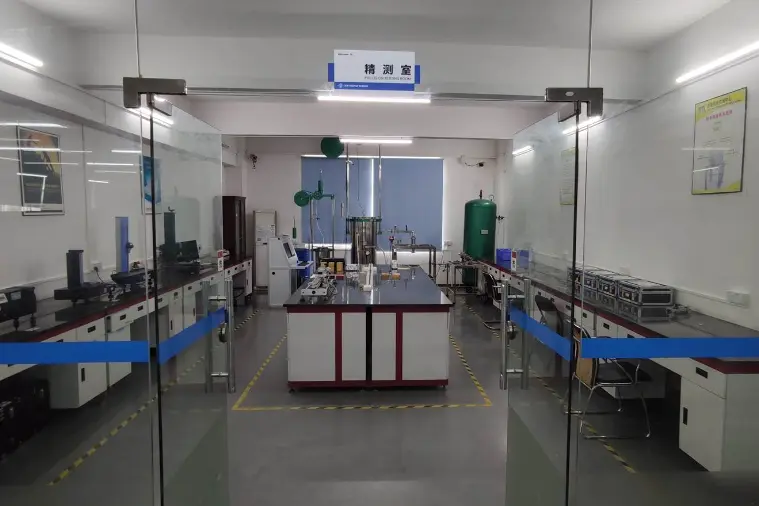
Our instruments are subjected to rigorous testing criteria to guarantee accurate performance and reliable field operations.
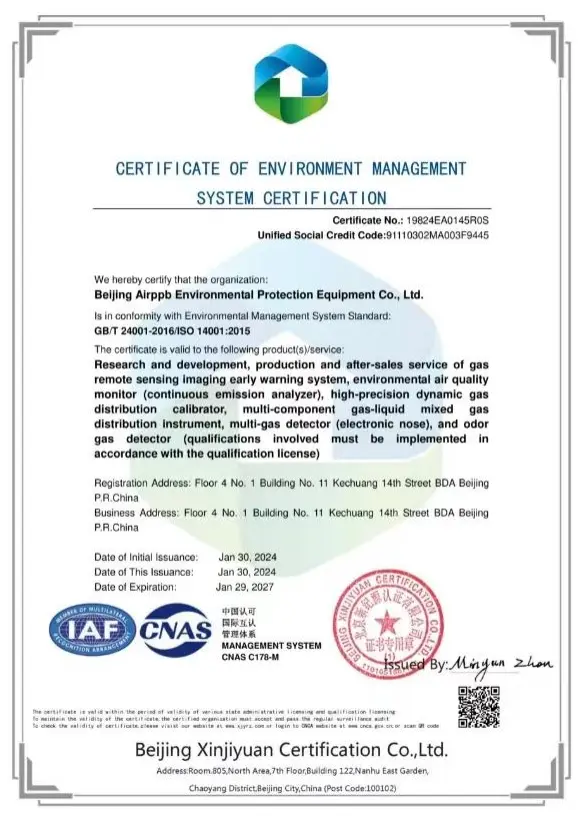
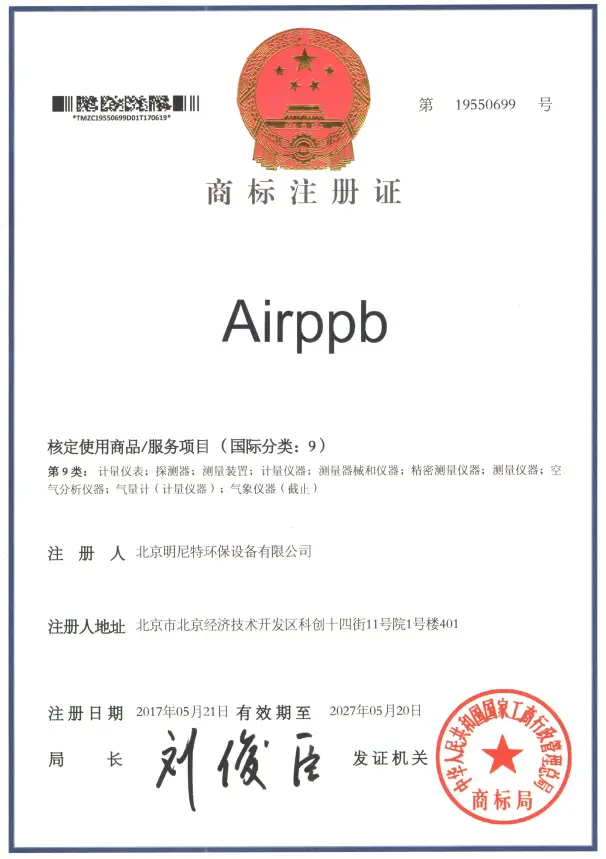
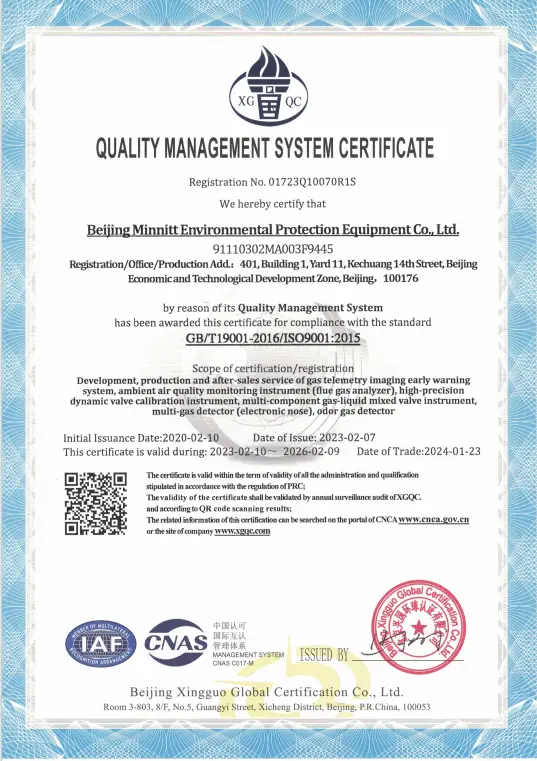
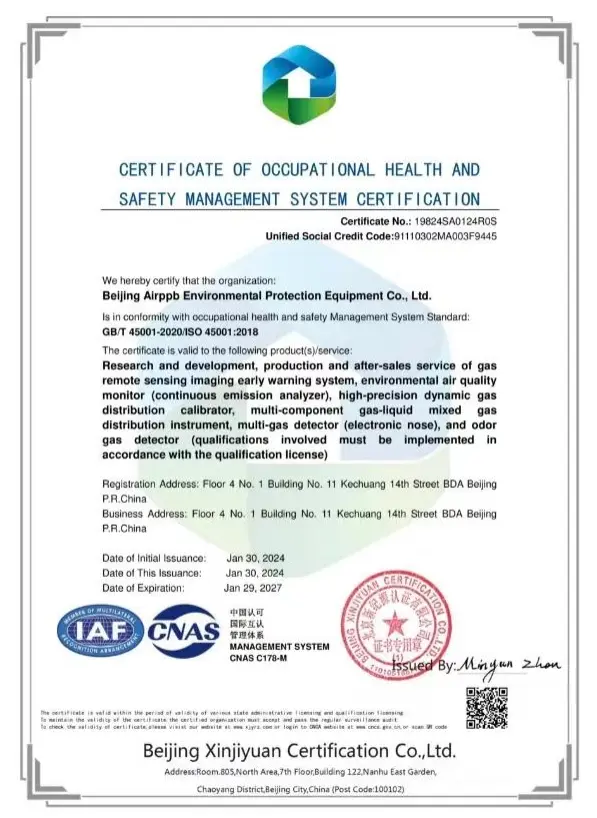
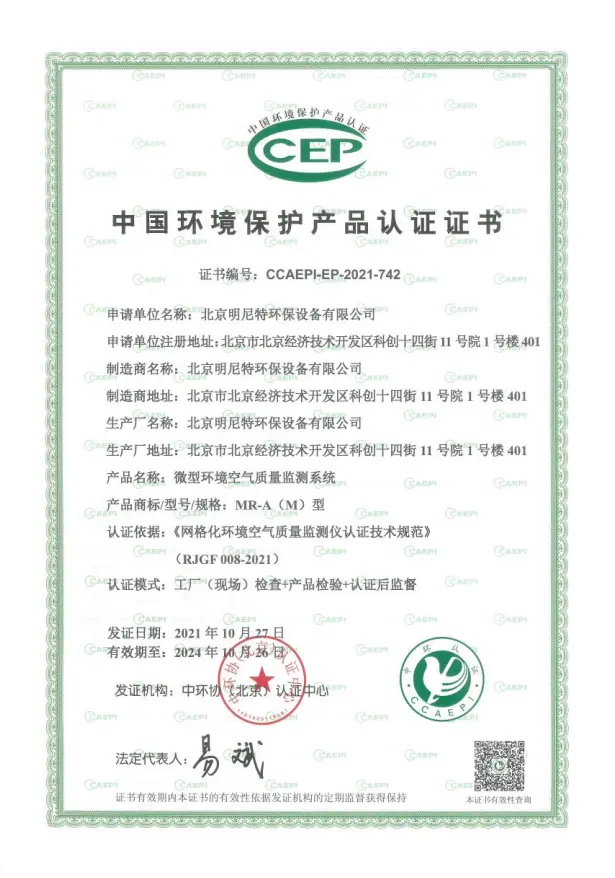
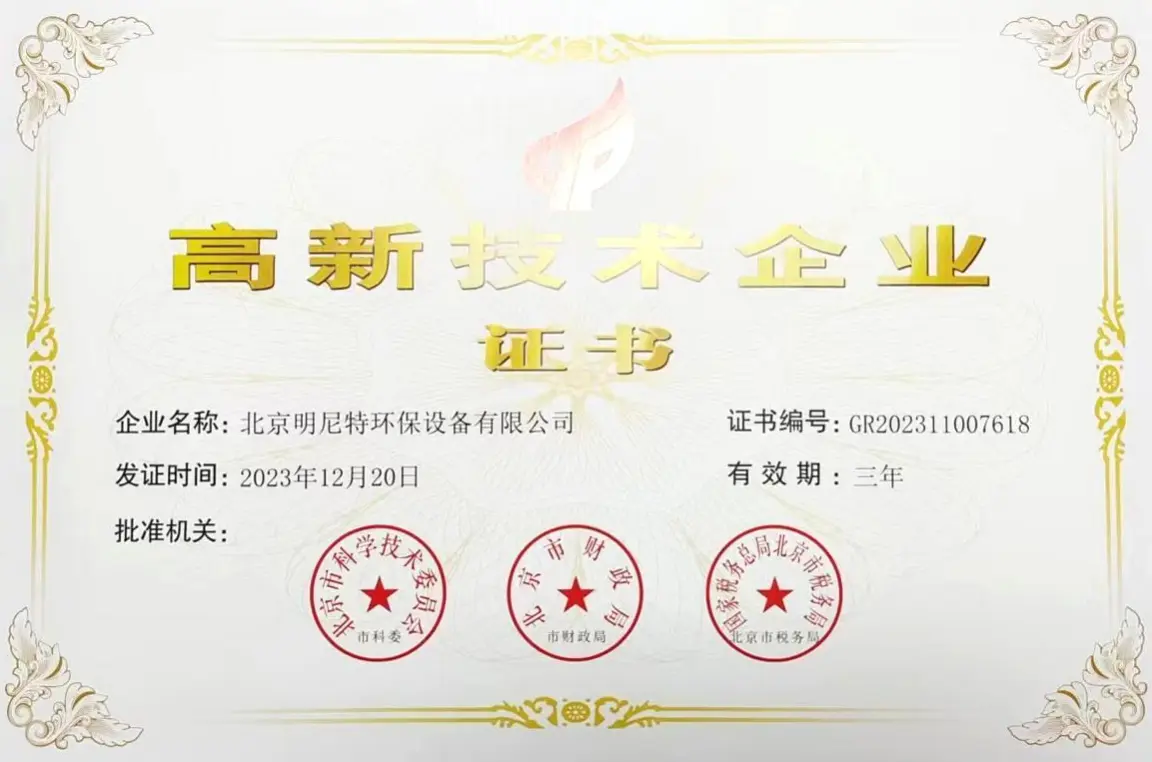
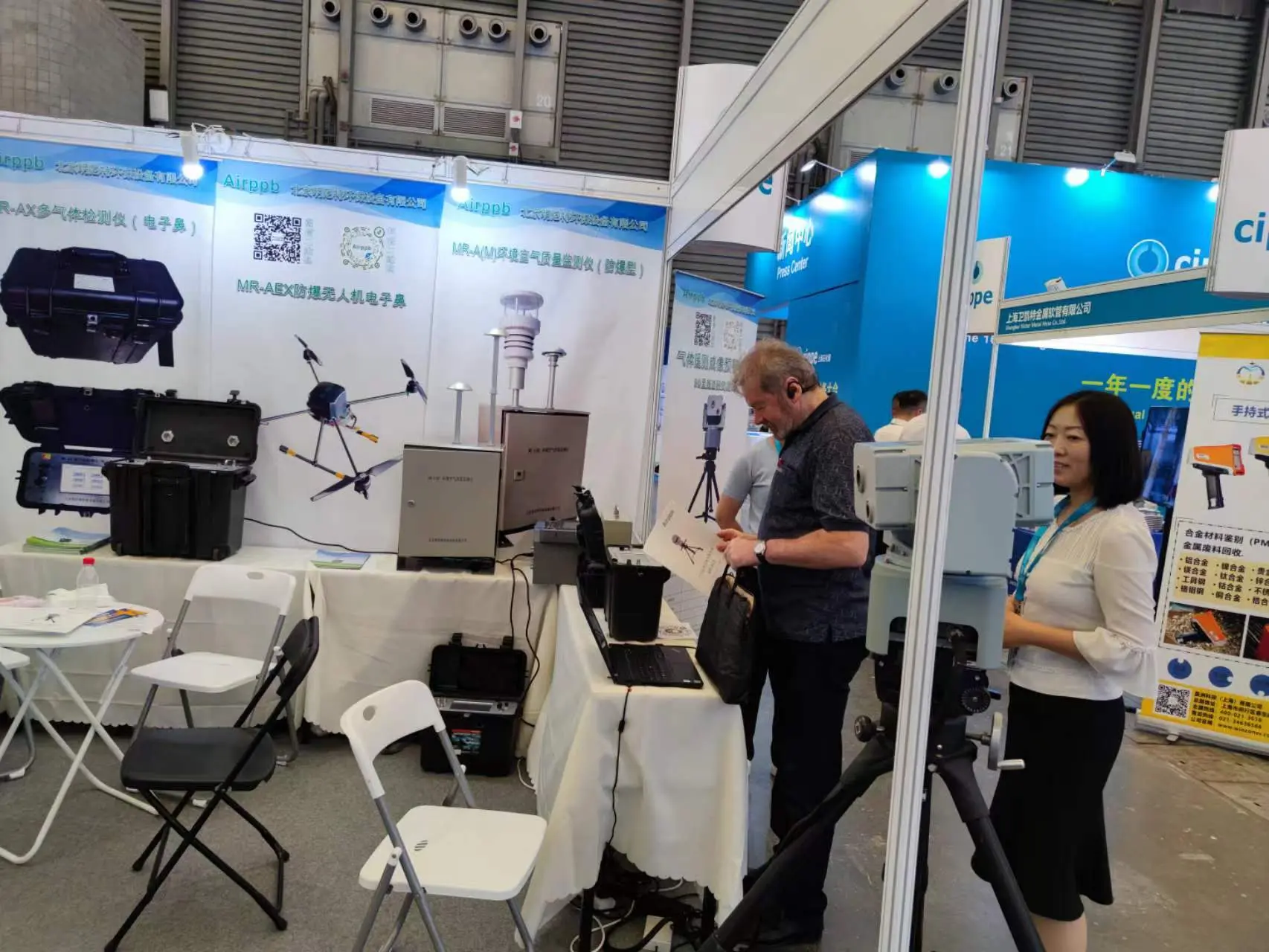
A glimpse inside our active research labs, international exhibitions, and manufacturing operations.
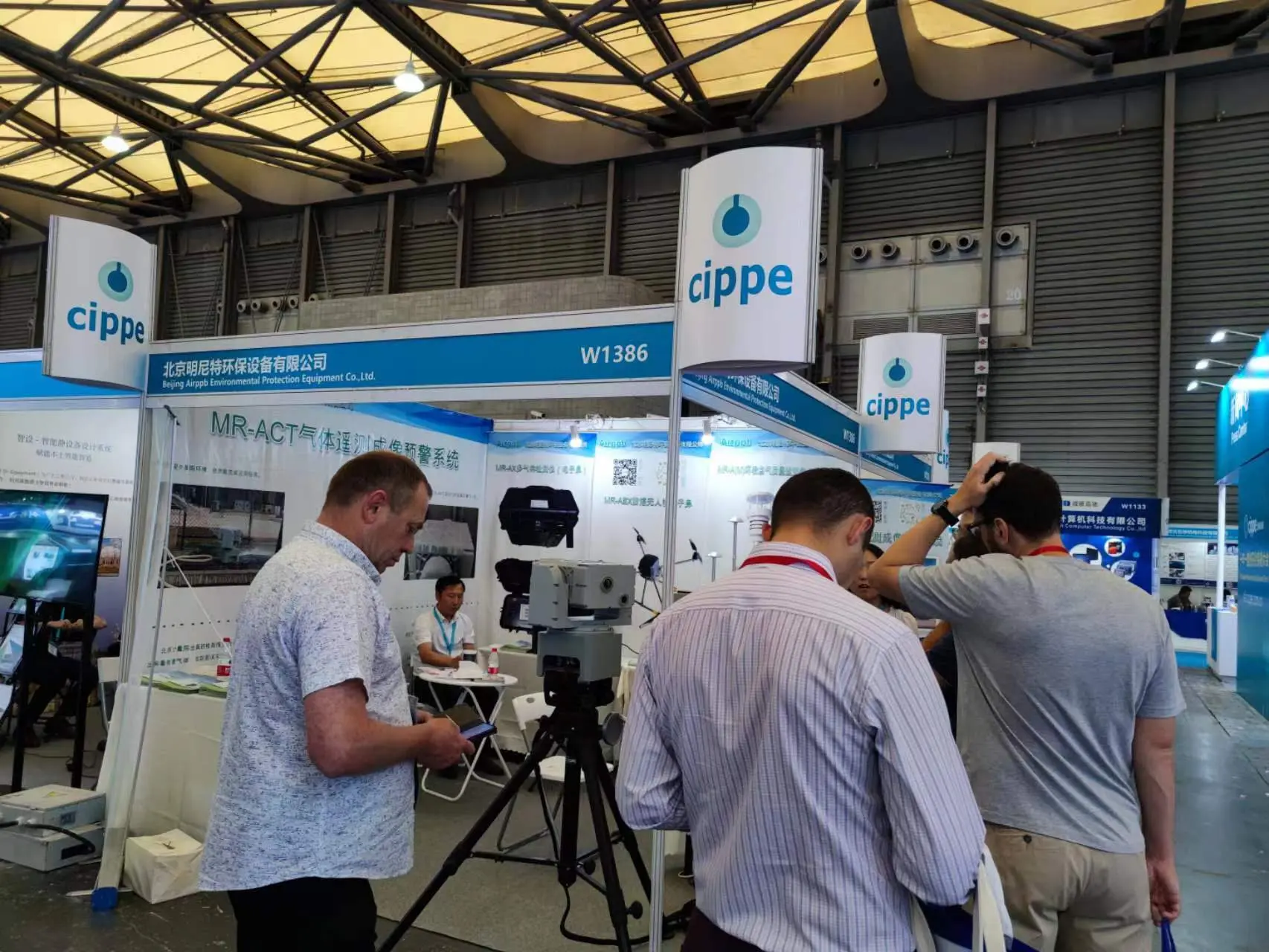
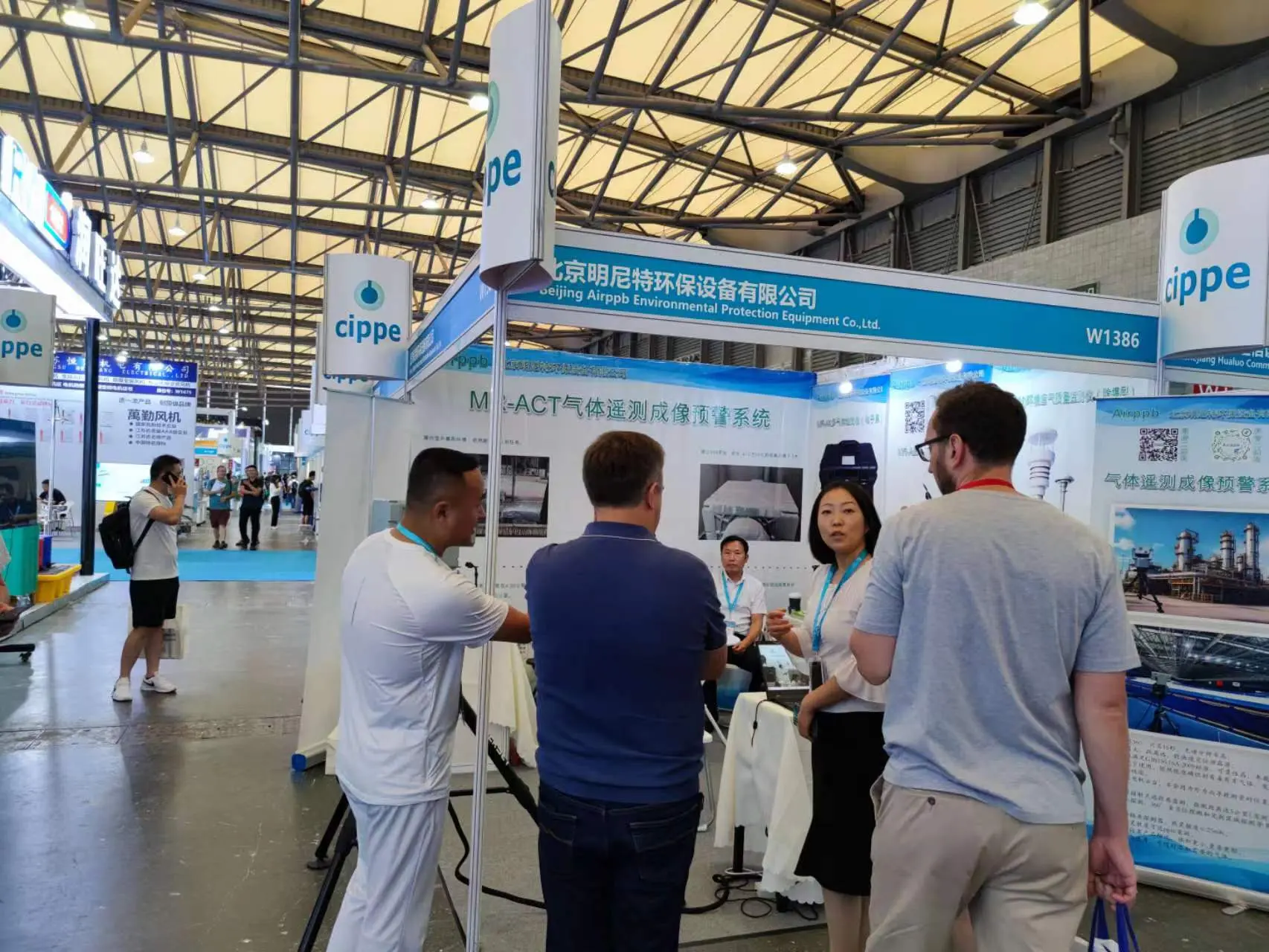
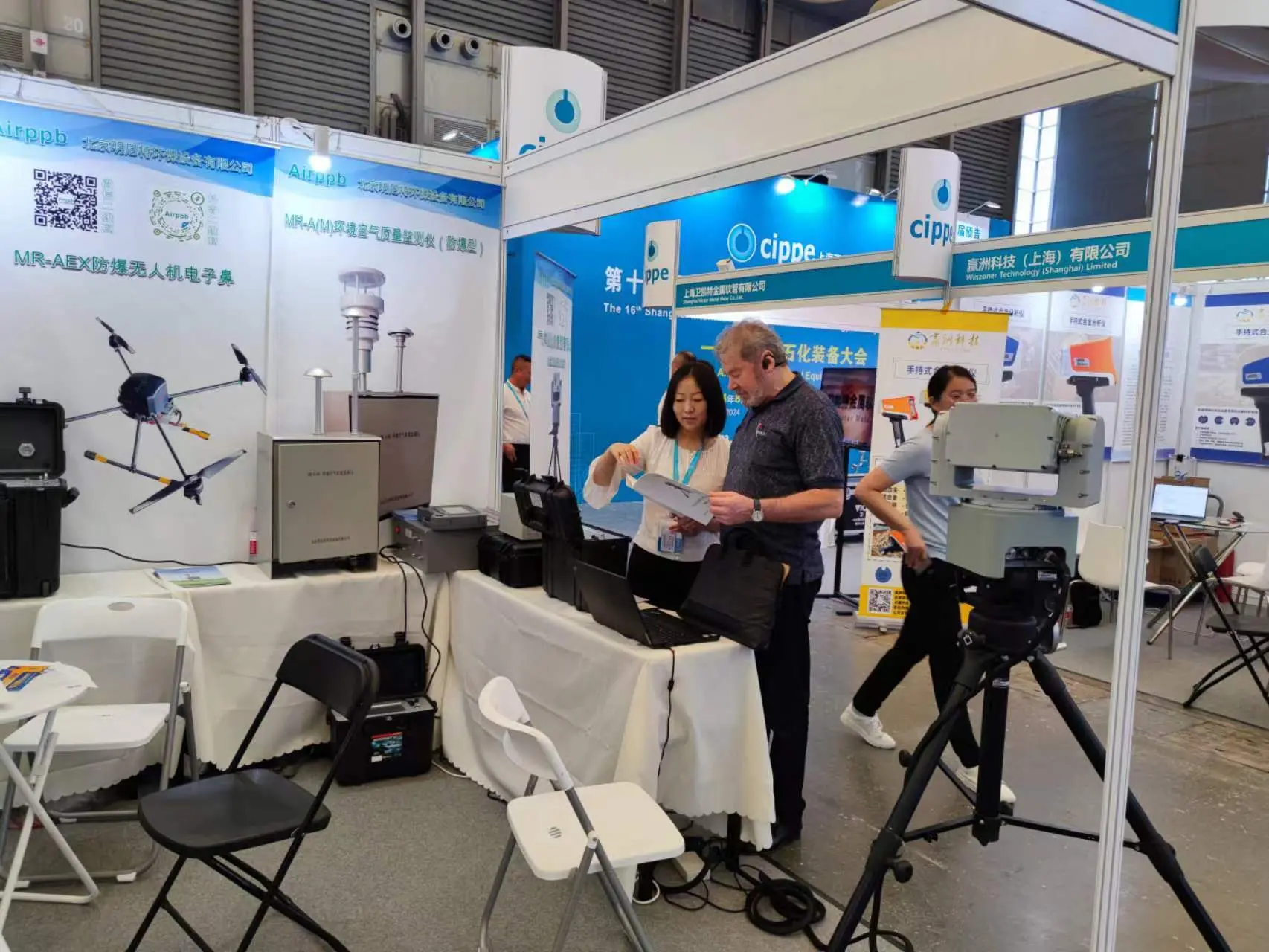

When engineering firms design air quality infrastructure for Dominica, selection criteria must prioritize resilience and self-calibration. A typical procurement protocol involves evaluating three main factors:
By specifying these design criteria early in the project planning phase, developers can ensure their monitoring installations remain operational for decades, providing high-quality environmental data while keeping maintenance costs low.
Addressing the key technical questions regarding sensor deployments in volcanic and tropical regions.
High relative humidity (frequently exceeding 90% in Dominica) can cause moisture condensation on the hydrophobic membranes of electrochemical sensors, restricting gas flow and reducing response times. Additionally, constant exposure to hydrogen sulfide ($H_2S$) can saturate active catalysts. To mitigate this, our outdoor monitoring housings include built-in heating elements, semi-permeable Gore-Tex membranes, and replaceable particulate filters that extend sensor lifespans under harsh conditions.
Yes. The MR-ACT Gas Telemetry Imaging Early Warning System utilizes open-path Fourier Transform Infrared (FTIR) technology. While heavy rainfall or dense fog can scatter light and reduce effective path lengths, our system features high-powered infrared transmitters and advanced digital signal processing (DSP) algorithms that filter out atmospheric interference, delivering reliable measurements in typical Caribbean rain showers.
Due to constant geothermal outgassing in the Roseau Valley, we recommend verifying calibration every 6 months. Using the MR-DF3 portable dynamic gas distributor, field technicians can perform complete multi-point calibrations onsite. This avoids the need to decommission stations, ensuring continuous environmental compliance.
Yes, the MR-A(S) station is engineered to meet US EPA and European EN standard requirements for continuous ambient air monitoring. It features high-precision analyzers for $PM_{2.5}$, $PM_{10}$, $SO_2$, $NO_x$, $CO$, and $O_3$, making it ideal for municipal and environmental regulatory agencies.
Geothermal emissions contain complex mixtures of gases that can cause false readings on simple sensors. Airpbb instruments resolve this by employing physical chemical scrubbers, dual-sensor arrays, and advanced algorithms that cross-reference sensor signals, isolating the target gas (such as $H_2S$) from interfering compounds like methane or sulfur dioxide.
Our micro-stations support a wide range of telemetry options, including standard 4G LTE, LoRaWAN, Wi-Fi, and RS-485 Modbus. For remote volcanic zones in Dominica that lack cellular coverage, we can integrate low-power satellite transceivers to ensure real-time transmission of early-warning data.
The MR-DF3 and MR-DF2 series instruments use high-precision Mass Flow Controllers (MFCs) to mix concentrated target gas standards with zero air. By dynamically adjusting the flow rates, the system generates accurate calibration mixtures at target concentrations, ensuring that the connected detectors can be calibrated across their entire measuring range.
Yes. All Airpbb environmental sensors and automatic monitoring stations output standard industry protocols, such as Modbus RTU/TCP and 4-20mA analog loops. This allows them to integrate directly into existing SCADA systems, industrial control panels, and cloud-based environmental monitoring dashboards.
Explore our full range of gas telemetry, analytical, and calibration systems designed for industrial, municipal, and ecological applications.
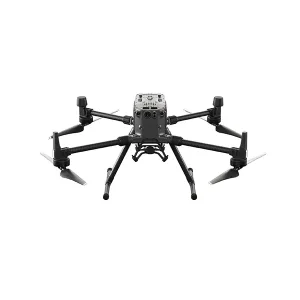
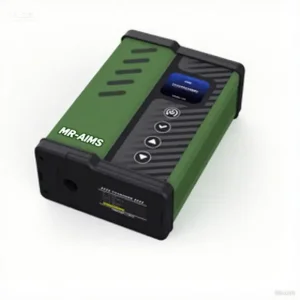
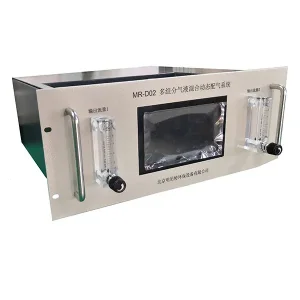
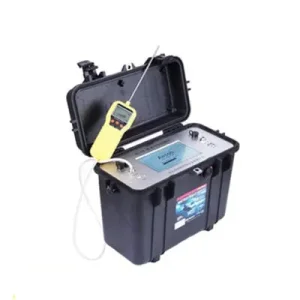
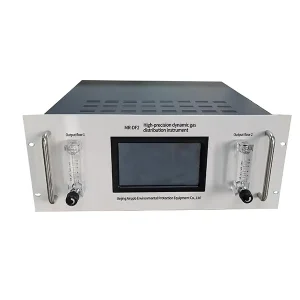
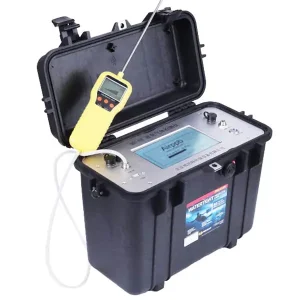
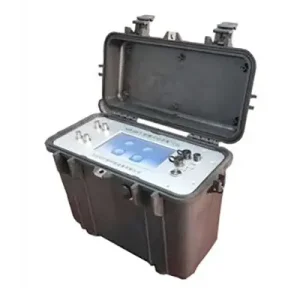
Ensure regulatory compliance and continuous monitoring near high-temperature geothermal wells and volcanic areas with our ruggedized sensing systems.