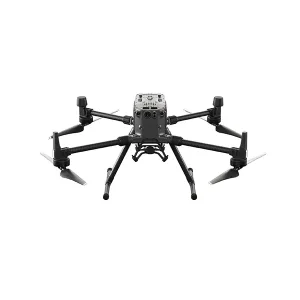
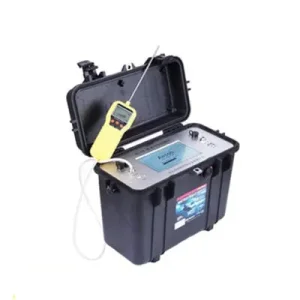
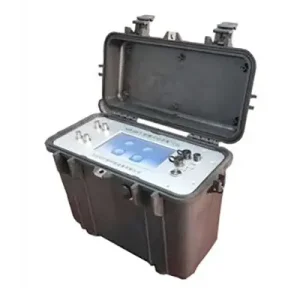
 Airppb
Airppb
Airppb
The global atmospheric monitoring market is undergoing a paradigm shift. Driven by ESG (Environmental, Social, and Governance) mandates and the urgent need for carbon neutrality, the industry has moved from passive sampling to real-time, AI-driven predictive analytics. Technologies such as Fourier Transform Infrared (FTIR) and Gas Telemetry Imaging are no longer luxury tools but essential infrastructure for high-risk industrial clusters.
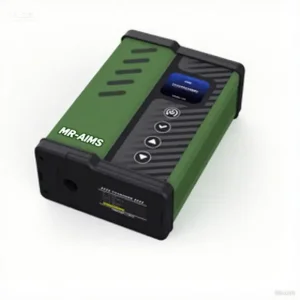
Globally, the integration of IoT sensors with satellite data provides a macro-view of pollution plumes, while on-the-ground precision instruments like the MR-ACT series offer the micro-accuracy required for immediate leak detection and safety protocols.
Guinea-Bissau is at a critical juncture of industrial diversification. As the nation expands its Bauxite and Phosphate mining sectors and enhances its port logistics in Bissau, the environmental footprint becomes a primary concern for international investors and local regulatory bodies.
Unlike temperate climates, Guinea-Bissau presents unique challenges: High salt spray corridors near the coast and the seasonal Harmattan dust. Standard monitoring equipment often fails here due to sensor saturation. Our localized solutions are engineered with military-grade resilience to handle these specific tropical and maritime atmospheric conditions.
Years of R&D
Countries Exported
R&D Personnel
Certified Quality
Minnit(Airppb) is a national high-tech enterprise focusing on the research and development and industrialized innovative application of precision gas detection instruments. Our mission is to realize on-site, automated, and intelligent monitoring, positioning ourselves as the world's leading manufacturer of scientific instruments.
We have mastered complete gas analysis technologies, including:

Monitoring VOCs and diesel particulates in the busy Port of Bissau to ensure worker safety and compliance with international maritime air quality standards.
Real-time PM2.5 and PM10 monitoring at bauxite mining sites in the Boe region, preventing respiratory hazards for local communities.
Early warning systems for fuel storage depots to detect hydrocarbon leaks before they pose a fire risk in high-temperature environments.
The roadmap for atmospheric monitoring in Guinea-Bissau follows a three-phase approach:
We don't just sell sensors; we provide ecosystem security. Our solutions are designed for government regulators, large-scale industrial operators, and emergency responders.
Building a nationwide "Sky-Earth" integrated monitoring network to track cross-border pollution and local industrial compliance.
Rapid deployment of MR-AX Multi-Gas Detectors for chemical spills, fire incidents, and industrial leaks in urban areas.
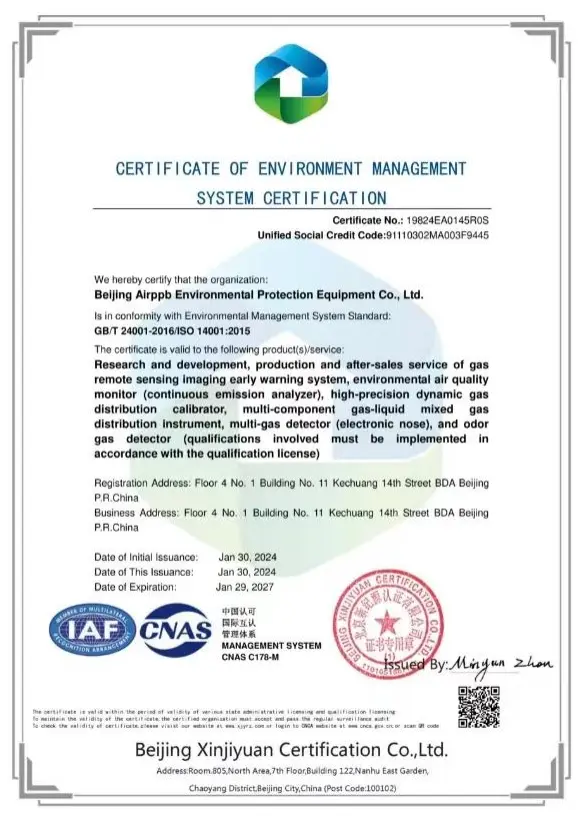
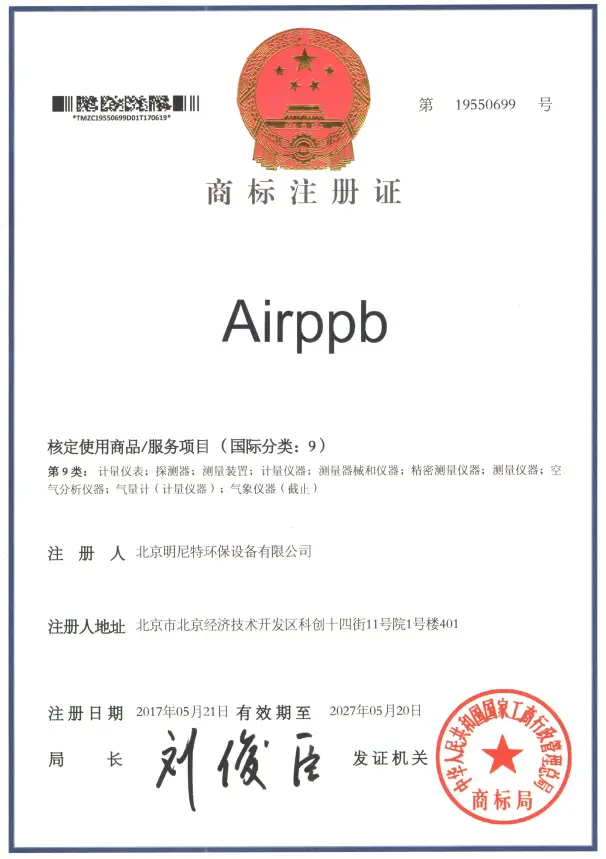
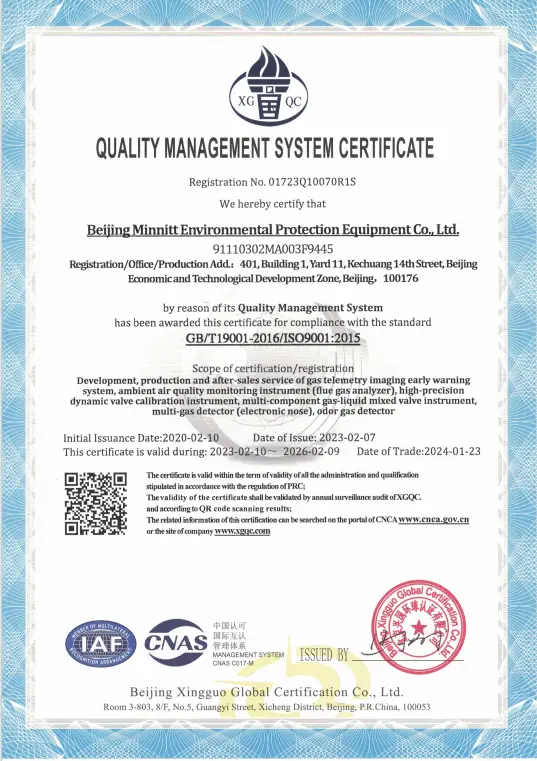
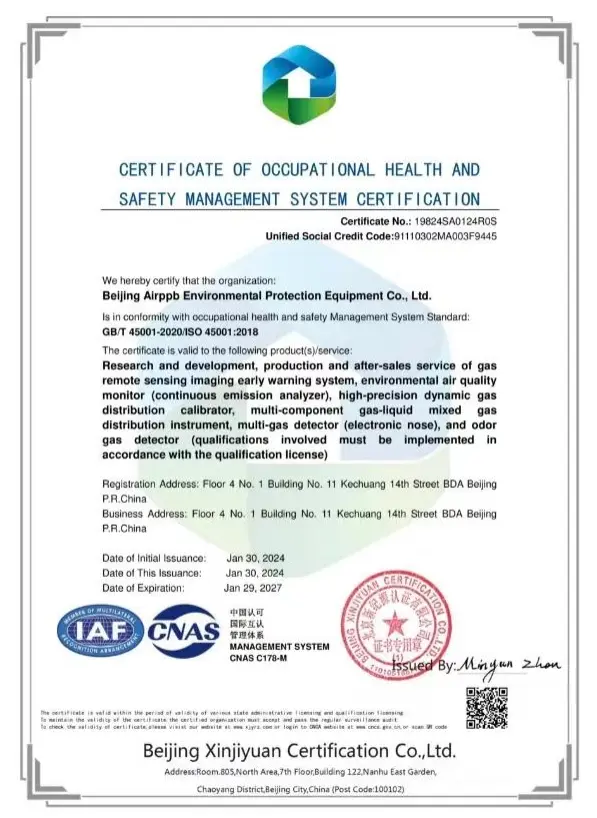
Our production strictly follows ISO9001, ISO14001, and ISO45001. Our products are verified by CPA, CCEP, and CNAS/CMA.
A: Guinea-Bissau’s bauxite mining produces significant particulate matter. High-precision monitoring ensures that the dust does not exceed the World Health Organization (WHO) limits, protecting the local workforce and preventing legal liabilities for mining firms.
A: Our sensors utilize specialized anti-corrosion coatings and heated inlet systems (in our MR-A series) to prevent moisture condensation and salt buildup, which are common causes of sensor drift in maritime climates.
A: Yes. All our online monitors (fixed and micro-stations) support standard industrial protocols including RS485 (Modbus), 4-20mA analog outputs, and wireless GPRS/4G transmission for seamless integration.
A: Absolutely. As part of our commitment to the Guinea-Bissau market, we provide comprehensive technical training, calibration workshops, and localized after-sales support via our regional partners.