 Airppb
Airppb
Airppb
Optimized field and analytical hardware engineered to deliver high accuracy under the extreme dust and thermal indices of the Mauritanian Sahel.
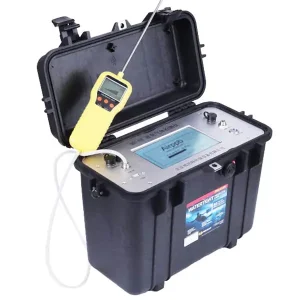
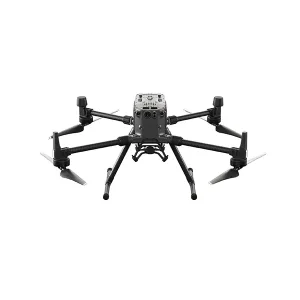
Analyzing local environmental challenges in Southern Mauritania alongside state-of-the-art analytical protocols.
Kaédi, acting as a pivotal trade gate and agricultural corridor alongside the Senegal River basin, faces a unique matrix of environmental and logistical risks. From biomass degradation in localized agricultural hubs to industrial emissions from infrastructure upgrades, the demand for precision air monitoring is growing. Traditional gas sensors frequently fail in Sahelian conditions due to dry, high-concentration particulate dust storm interference, ambient temperatures exceeding 45°C, and rapid fluctuations in relative humidity. As an authority in gas analytics, Minnit (Airpbb) is integrating advanced optical and physical detection pathways—including Fourier Transform Infrared (FTIR) telemetry and Ion Mobility Spectrometry (IMS)—to provide reliable monitoring solutions for the Kaédi market.
The climate of Kaédi (semi-arid Sahelian) accelerates the physical weathering of gas sensor housings and introduces measurement drift in chemical detectors. Dust interference (harmattan winds) deposits fine particulates on optical lenses, scattering light and generating false alarms on standard photoionization detectors. Furthermore, agricultural warehousing of grains along the Gorgol River introduces high risks of anaerobic fermentation, which produces hazardous volumes of carbon dioxide, hydrogen sulfide, and methane. Deploying localized monitoring networks equipped with physical self-cleaning mechanisms, hydrophobic particulate filtration, and high thermal tolerance is critical for civil defense and occupational safety.
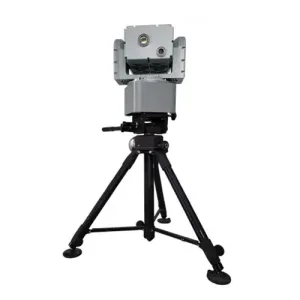
Globally, emergency gas monitoring is transitioning from reactive portable spot checks to automated, long-range warning networks. Using Fourier Transform Infrared (FTIR) telemetry, regional responders in Kaédi can visualize and map gas plumes across an agricultural processing zone or chemical transport point without physical entry. This non-contact, path-integrated optical sensing method completely bypasses the sensor poisoning issues commonly caused by high dust concentrations, making it highly effective for continuous monitoring in harsh climates.
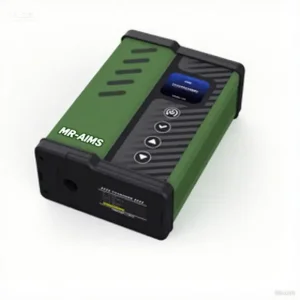
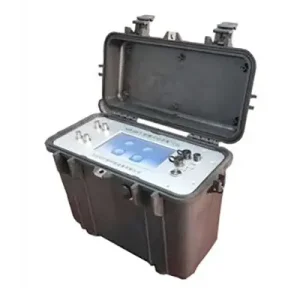
In border defense and civil emergency scenarios, identifying unknown chemical agents, toxic industrial gases, and volatile organics in seconds is crucial. Ion Mobility Spectrometry (IMS) technology identifies chemical substances based on their drift velocities in an electric field at atmospheric pressure. By avoiding complex vacuum configurations, IMS instruments achieve high portable sensitivity (parts-per-billion level) for rapid screening of incoming logistics cargo along regional transit routes.
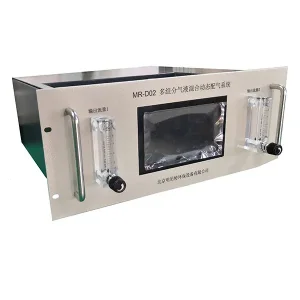
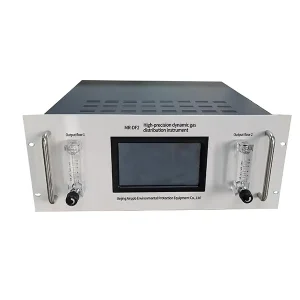
High accuracy requires precise calibration. Standard static gas cylinders are difficult to import, transport, and maintain under the hot Sahelian climate due to high expansion risks. Deploying high-precision dynamic gas distribution instruments, which dilute high-concentration target gases locally on demand, ensures that municipal laboratories and industrial facilities in Kaédi maintain strict calibration standards without depending on imported pre-mixed gas cylinders.
Minnit(Airppb) is a national high-tech enterprise focusing on the research and development and industrialized innovative application of precision gas detection instruments. The company uses technological innovation to realize on-site, automated and intelligent analysis, detection and monitoring, and is committed to becoming the world's leading manufacturer of scientific instruments.
Having mastered gas analysis and detection technologies such as electrochemistry, PID, and spectroscopy, we have developed a series of technologically leading products for laboratory analysis, on-site analysis (portable, online, mobile), and automated analysis. These systems provide global users with comprehensive and professional solutions in advanced industrial processing, ecological emergency safety, and environmental protection.
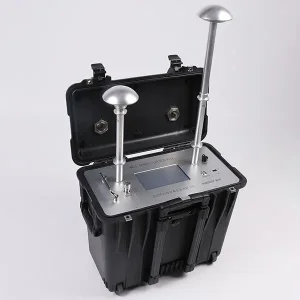
Our group company, Beijing Airpbb Environmental protection equipment Co., Ltd. (established in 2012), is committed to the development and production of Fourier infrared gas remote sensing imaging early warning systems, ambient air quality monitors, high-precision dynamic gas distribution meters, multi-gas emergency detectors, ambient air analysis instruments, and OEM/ODM gas detectors.

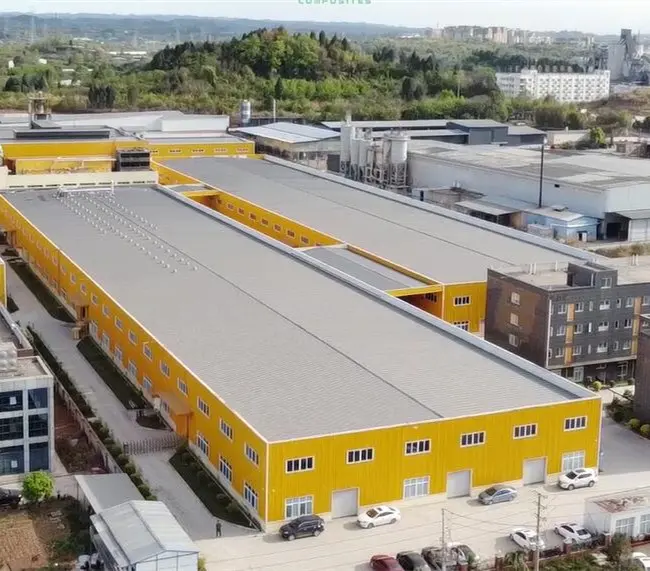
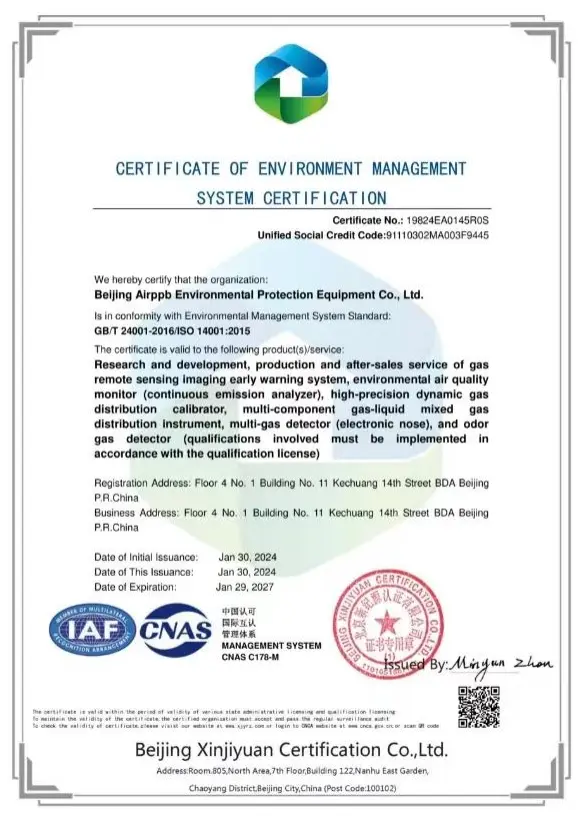
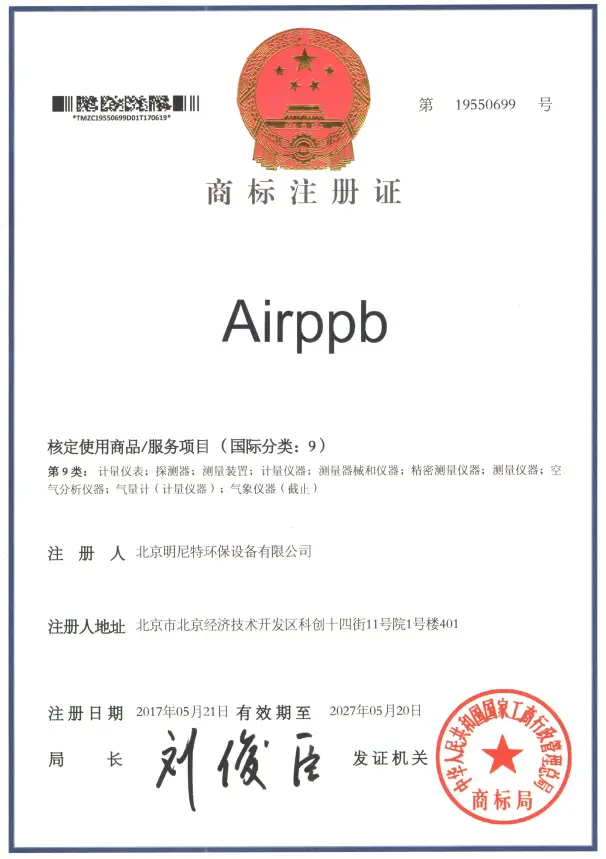
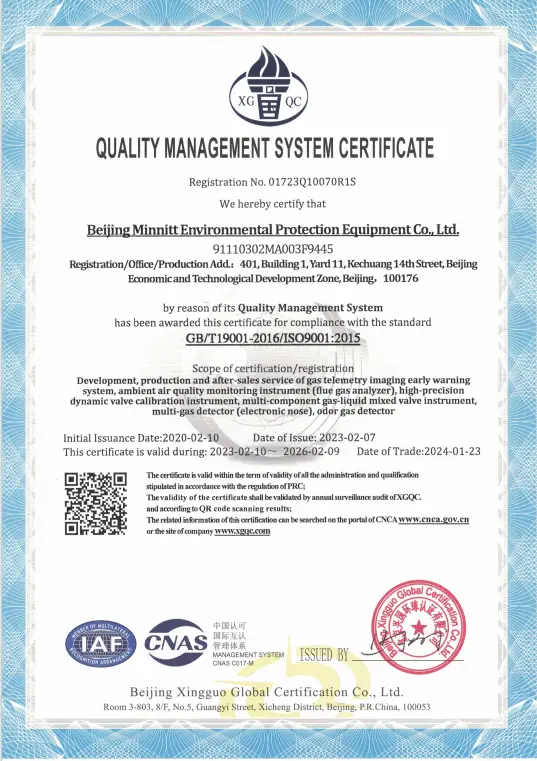
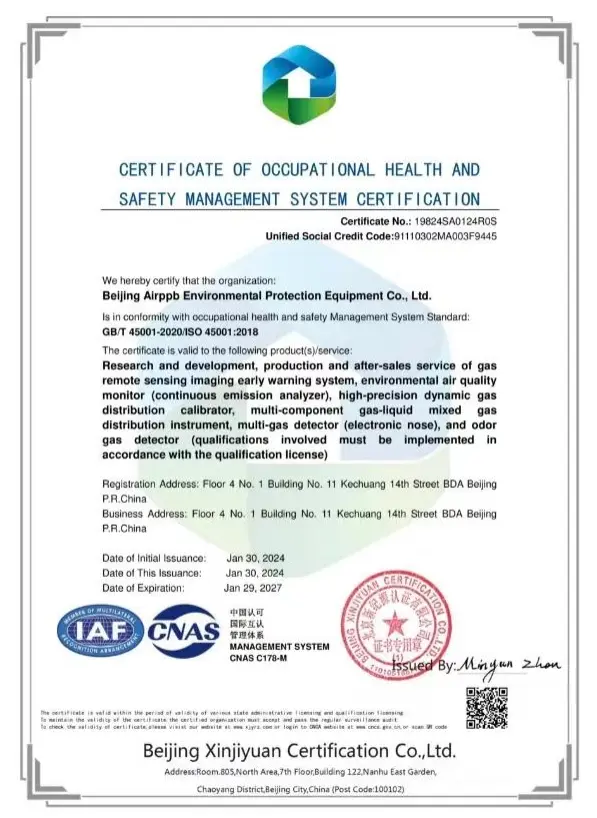
Our product quality strictly complies with international quality, environmental, and safety management systems.
Beijing Airpbb Environmental Protection Equipment Co., Ltd. holds ISO9001 Quality Management System, ISO14001 Environment Management System, and ISO45001 Occupational Health and Safety Management System certifications. Our equipment complies with rigorous national metrological and environmental standards, including CPA, CCEP, and CNAS/CMA testing protocols.
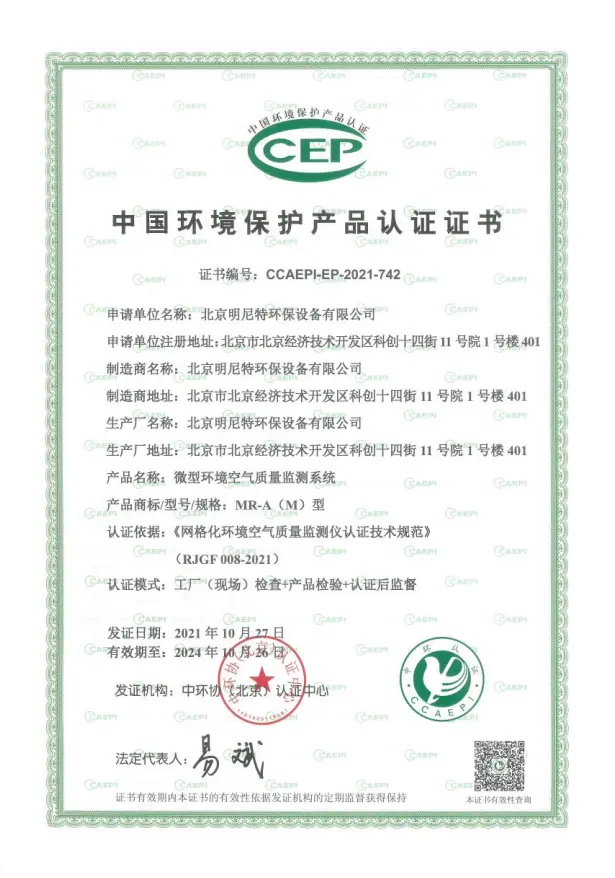
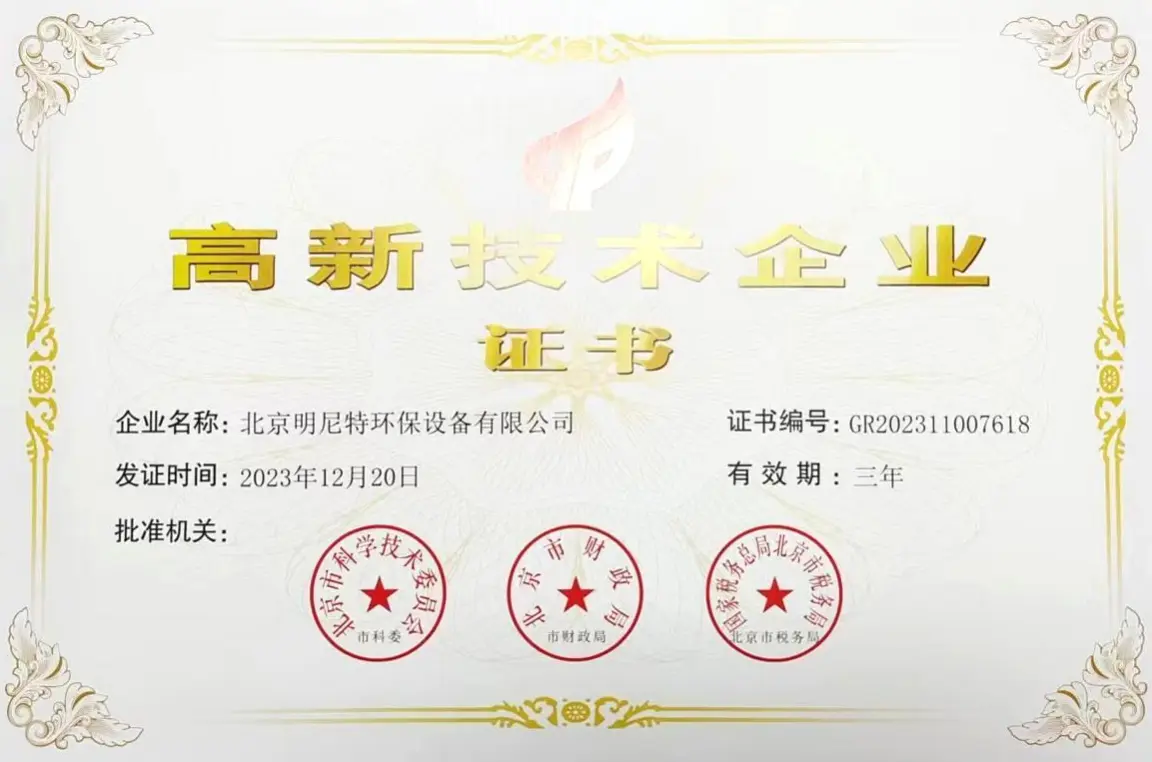

Engineered solutions for challenging operational scenarios in southern Mauritania.

Continuous monitoring of fermentation bioproducts (CO2, CH4, H2S) in grain storage facilities within the Gorgol floodplain to protect worker safety and reduce grain spoilage.

Using IMS and portable multi-gas detection at border cargo entry points to quickly screen incoming chemical shipments for safety and regulatory compliance.
The next generation of gas analytics: Edge AI processing, solar micro-grids, and remote long-range telemetry.
As the Kaédi market adopts smart city infrastructure and modern agricultural technologies, environmental monitoring systems must adapt. Minnit (Airpbb) is leading this transition by integrating remote telemetry with edge AI diagnostic capabilities. By processing spectral fingerprints directly on site, our systems reduce response times from minutes to milliseconds, preventing catastrophic failures in critical facilities.
Future upgrades to the FTIR (MR-FAT) and IMS platforms will feature onboard AI libraries. These libraries can identify complex gas mixtures and filter out background environmental noise (such as dust and atmospheric moisture) locally, eliminating the need to send raw spectra data to cloud servers.
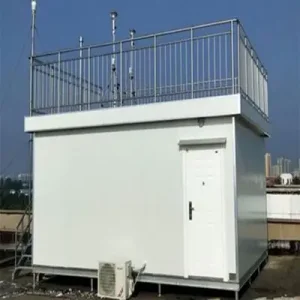
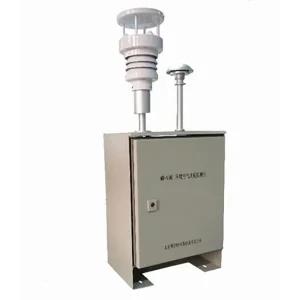
To address power reliability challenges in remote areas of Mauritania, our MR-A(M) micro stations can be configured with off-grid solar kits. Equipped with ultra-low-power electronics and cellular/LoRaWAN modules, these systems provide autonomous monitoring in extreme conditions.
Showcasing scientific precision and field-proven reliability at international industry events.
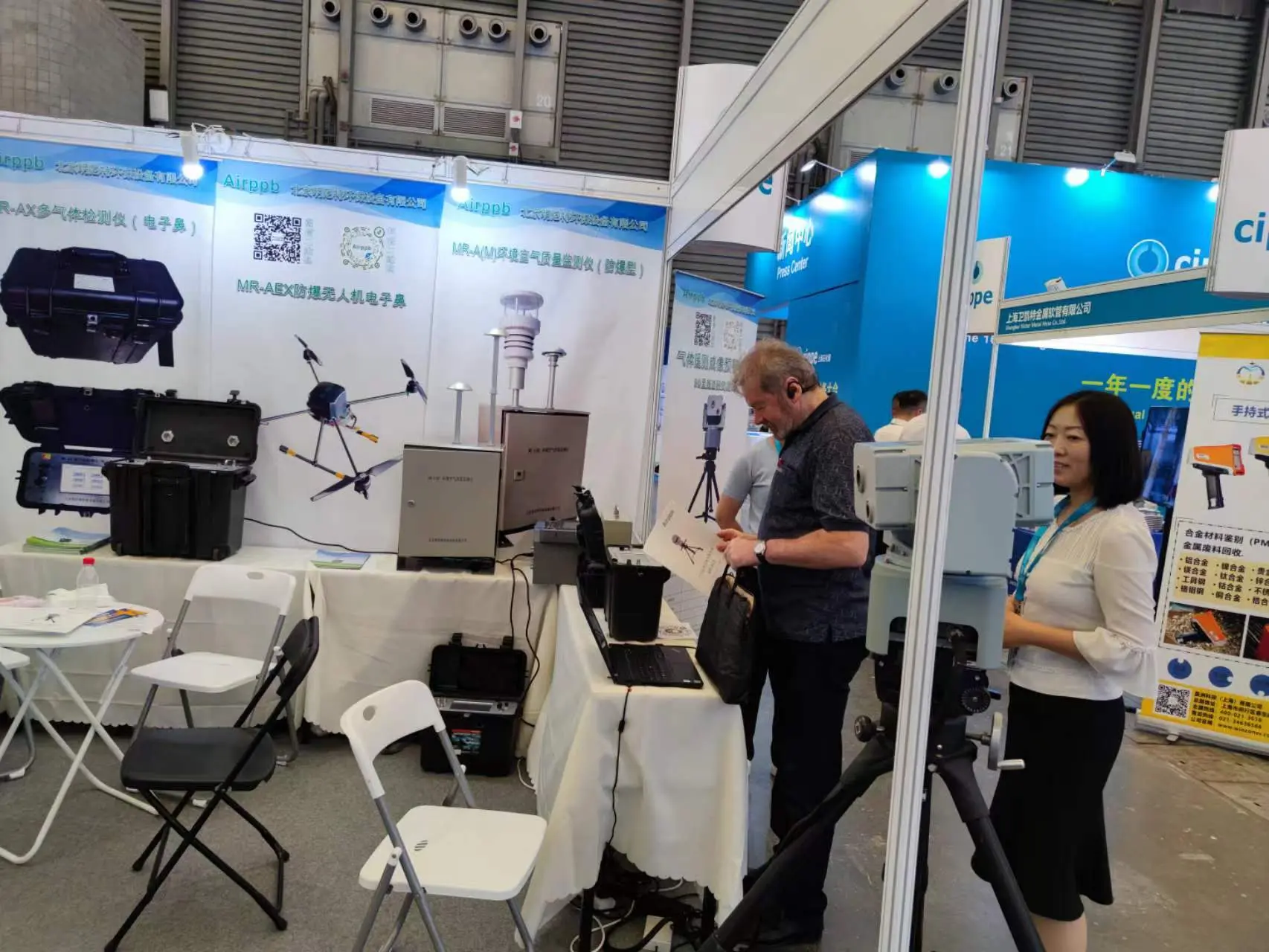
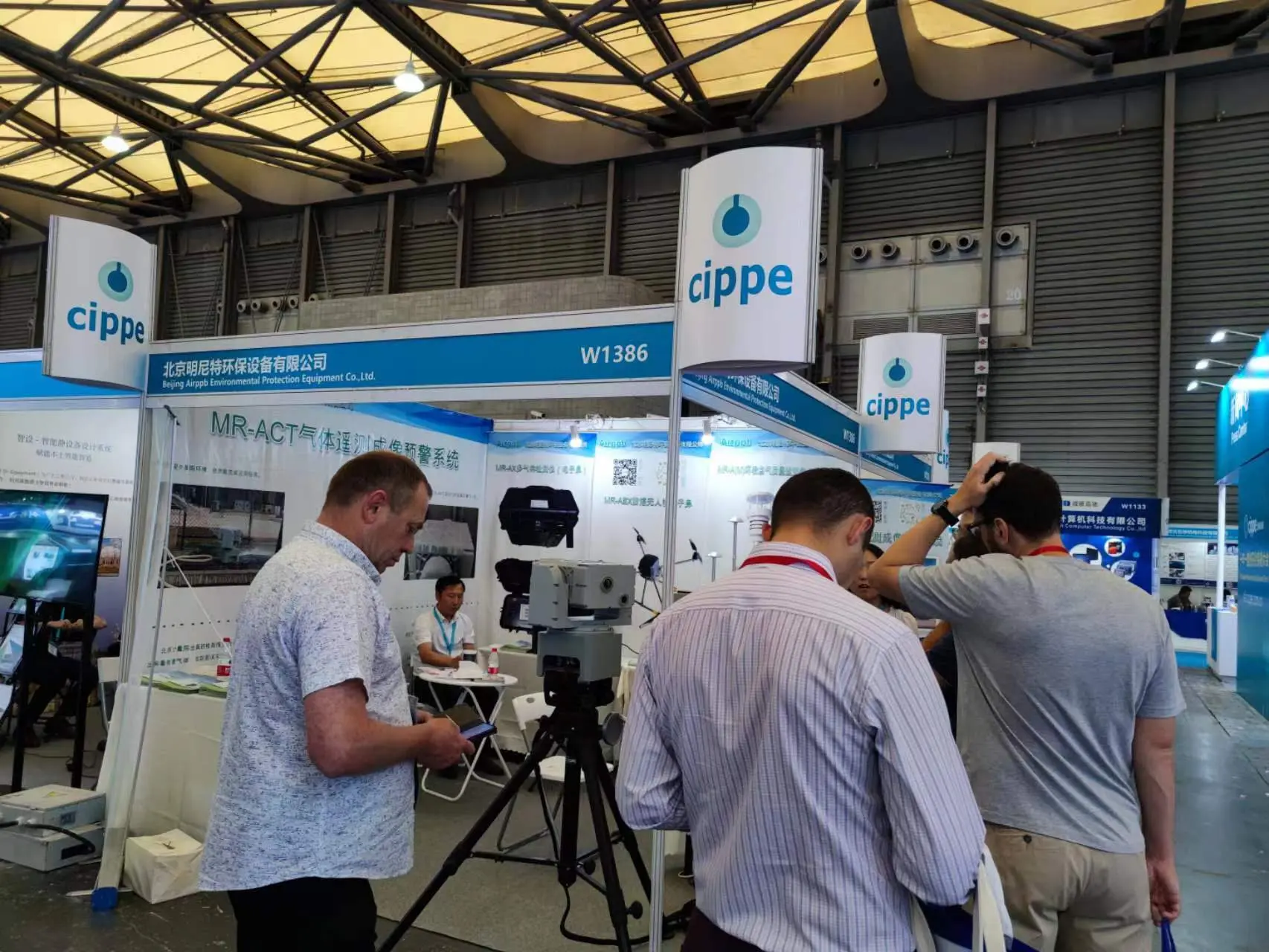
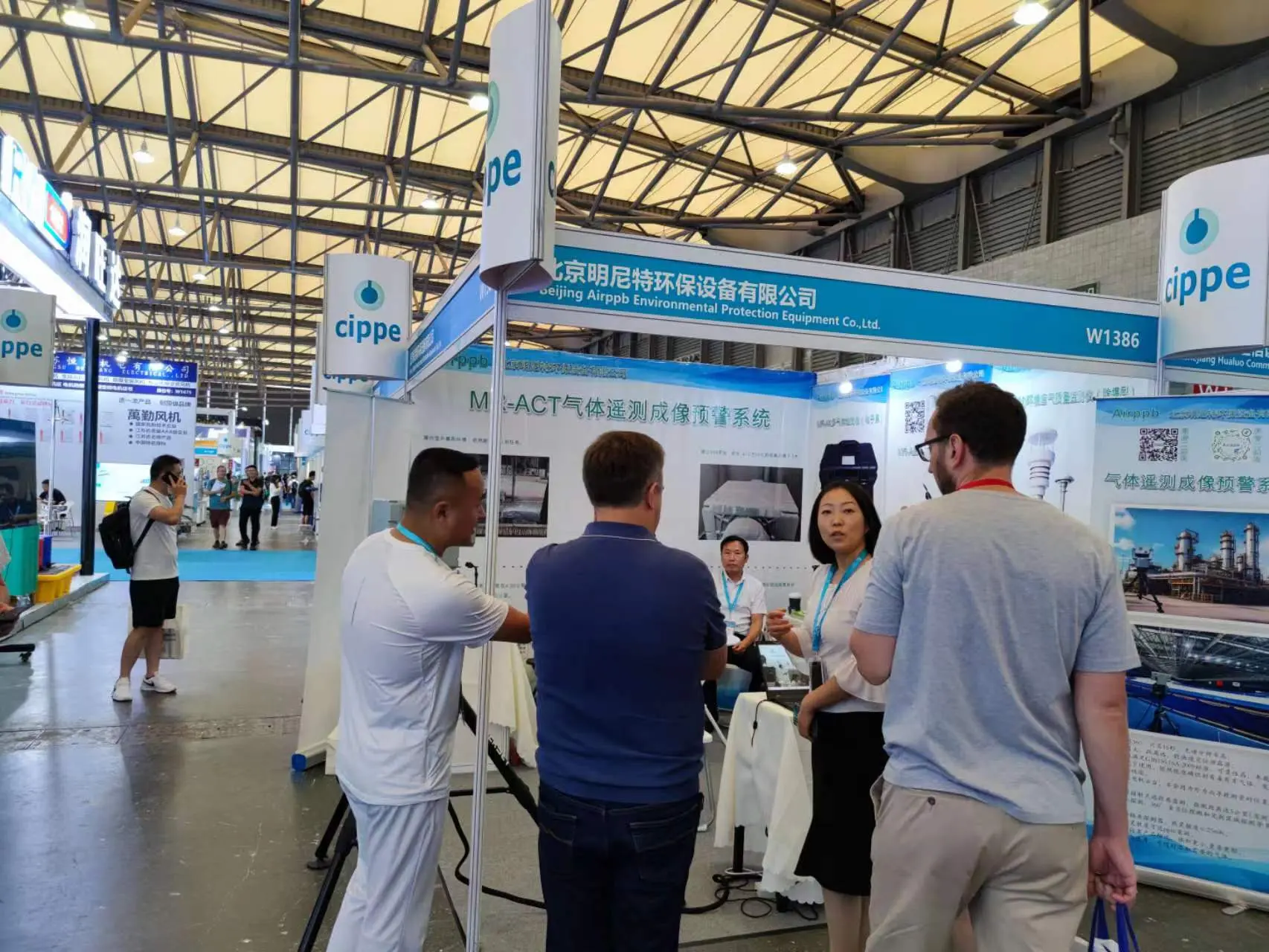
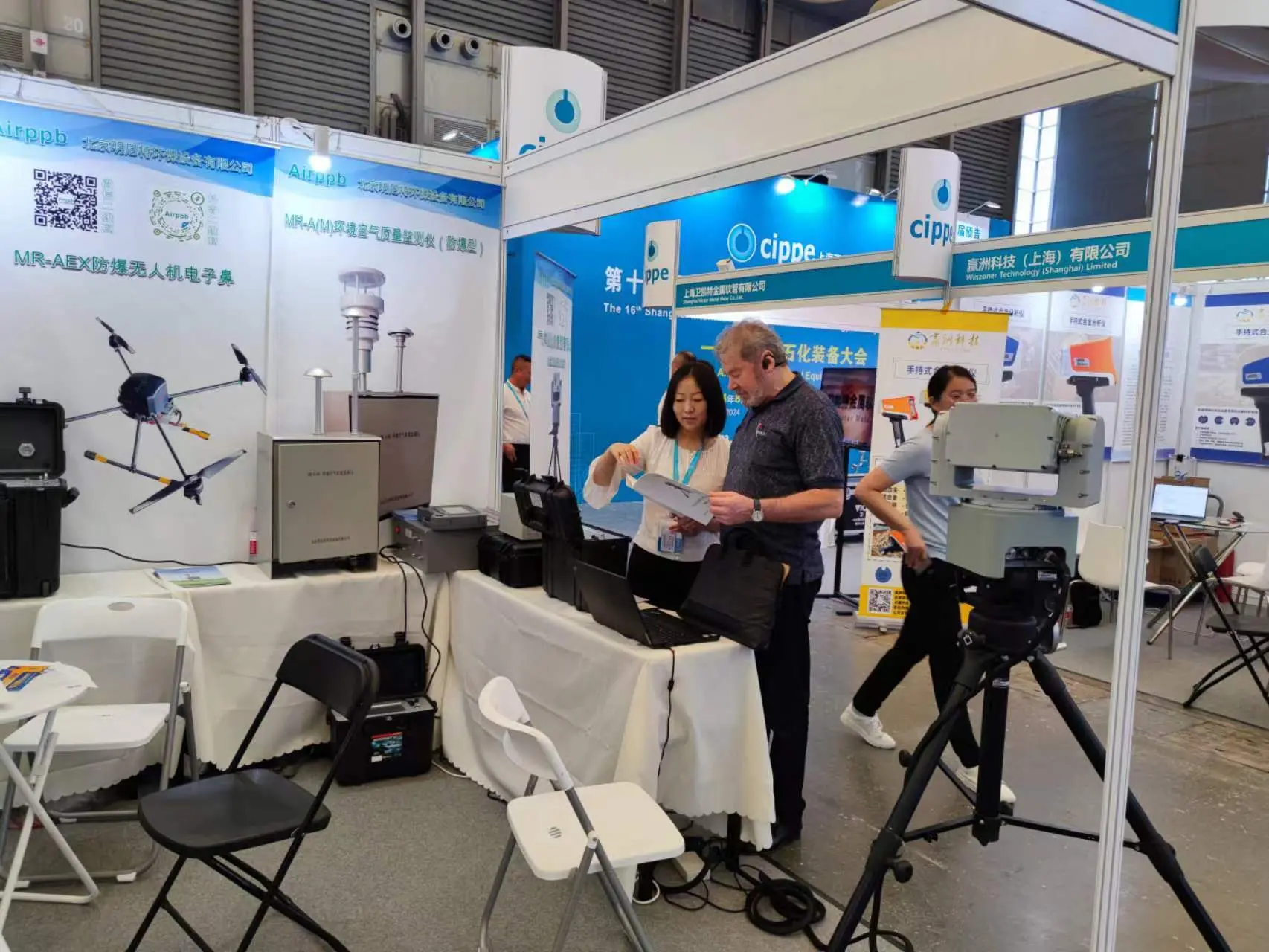

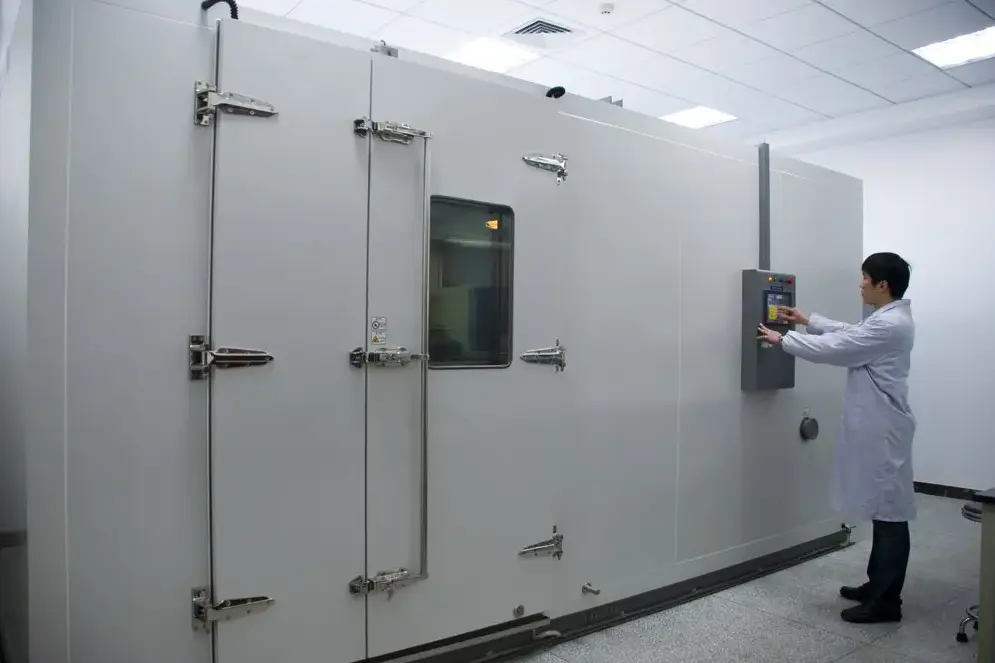
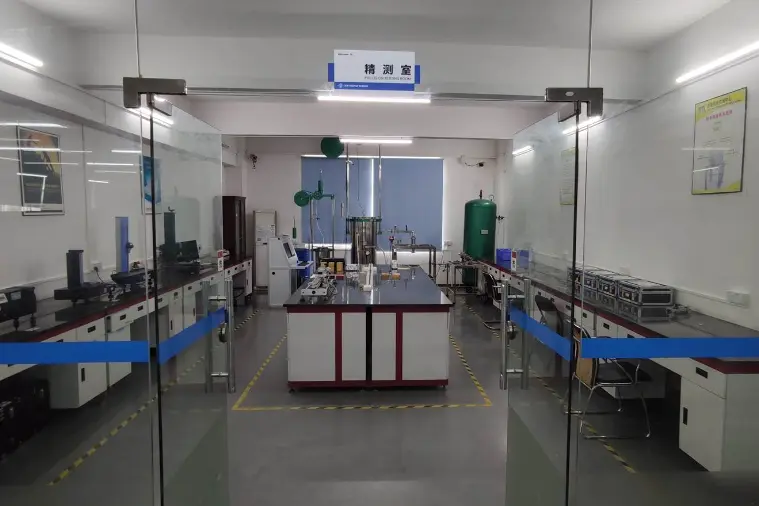
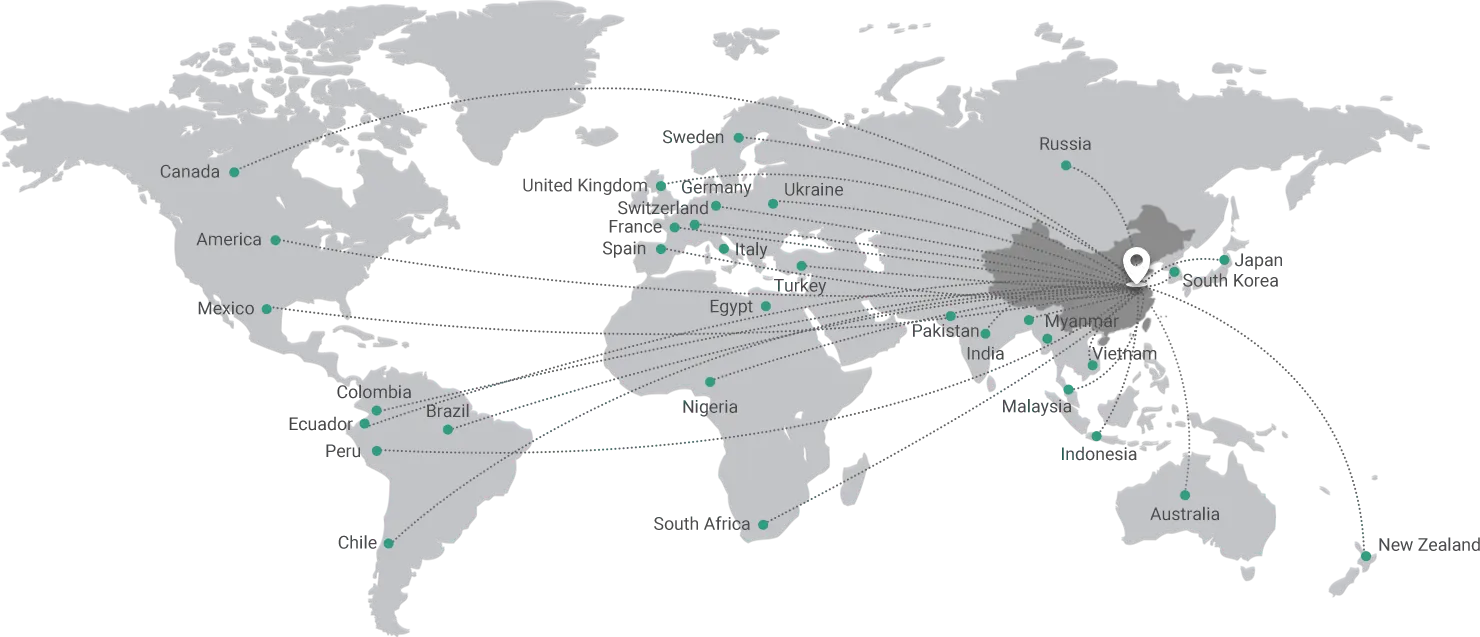
Exported to over 40 countries and regions worldwide, delivering trusted safety instrumentation to advanced industries and municipal emergency networks.
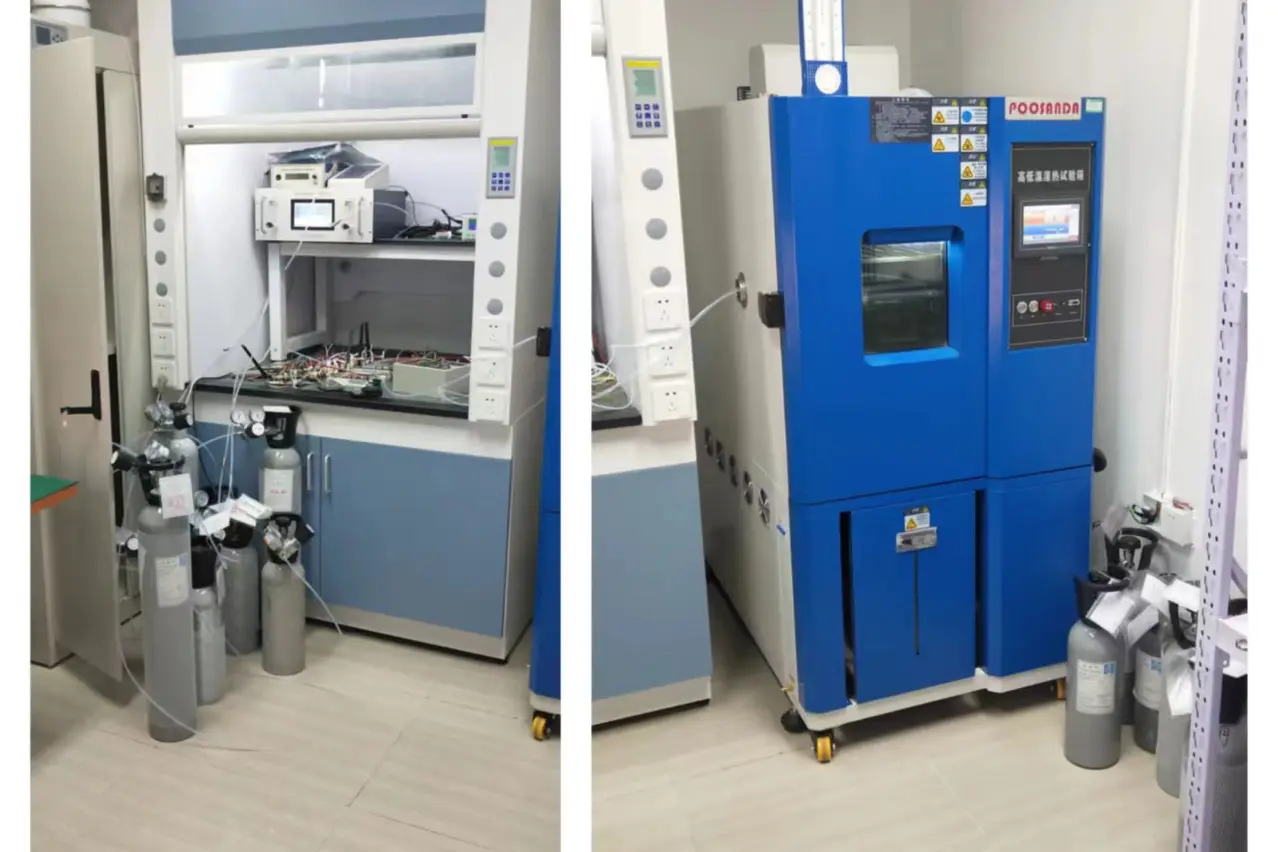
Ensuring operational continuity, regular field calibration, and regional standards compliance.
Operating safety-critical instrumentation in Mauritania's extreme environments requires responsive technical support. Minnit (Airpbb) provides remote diagnostic services, custom system integrations, and commissioning support to ensure our instruments perform reliably under high-stress conditions. Additionally, our high-precision dynamic gas distribution instruments (MR-DF series) allow local technicians to perform calibration checks on site, reducing maintenance downtime.
Using our MR-DF3 high-precision dynamic gas distribution meter, operators in Kaédi can blend calibration gases on site, eliminating the logistics challenges of transporting pre-mixed gas cylinders in remote locations.
Whether you require stationary ambient micro air quality monitors (MR-A(M)) or portable tactical multi-gas platforms, our team can customize sensor ranges, wireless protocols, and housing designs to meet the requirements of your application.
Answers to technical and operational questions regarding the deployment of our gas detection systems in harsh climates.
Explore our full line of scientific instruments, remote gas telemeters, and high-precision calibration equipment.