 Airppb
Airppb
Airppb
Engineered for challenging environments, these systems deliver calibration-grade performance for offshore rigs, environmental bureaus, and processing facilities in Equatorial Guinea.
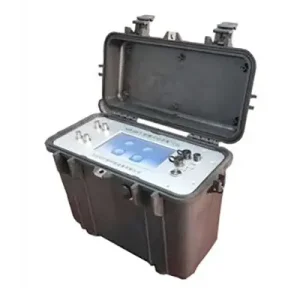
Ideal for field deployment, offering sub-percent precision in mass-flow calibration for critical operations.
Inquire Now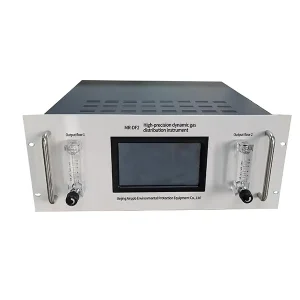
Dual-channel high-stability gas mixture generator optimized for environmental compliance laboratories.
Inquire Now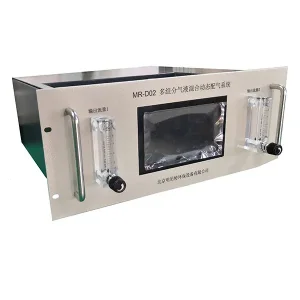
Pioneering multi-phase mixing systems for petrochemical testing and chemical validation labs.
Inquire Now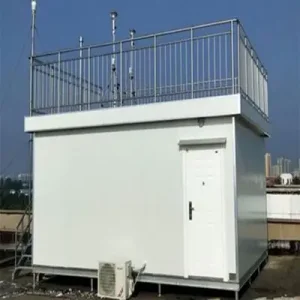
Continuous, autonomous environmental monitoring stations designed for refinery boundaries.
Inquire NowEquatorial Guinea is home to one of Africa's most strategic energy hubs, particularly concentrated at the Punta Europa gas complex on Bioko Island and the processing sites around Bata. With operations spanning Liquefied Natural Gas (LNG), Liquefied Petroleum Gas (LPG), and chemical synthesis (methanol production by AMPCO), the demand for high-reliability laboratory calibration and continuous emissions tracking is critical.
Local operating standards, shaped by international partnerships and oil-and-gas safety frameworks, demand highly precise instrumentation. Factors such as saline marine atmosphere, tropical humidity, and high concentrations of hydrocarbons necessitate instrumentation that is both robust and extremely accurate. Systems such as ambient air quality monitors and advanced gas calibration distribution meters are essential for keeping operations safe and compliant with both national guidelines and global standards.

In offshore drilling platforms and onshore processing complexes across West Africa, monitoring gas compositions is not only a regulatory check—it is a cornerstone of operational safety. Whether detecting volatile organic compounds (VOCs) on a production vessel or verifying safety perimeters at storage terminals, accuracy remains vital.
At the center of environmental labs and safety hubs sits the need for reliable sensor calibration. Dynamic gas distribution systems, such as the MR-DF2 and MR-DF3, utilize thermal mass flow controllers (MFCs) to mix raw calibration gases with balance gases down to parts-per-billion (ppb) levels. This level of precision is necessary to check and calibrate electrochemical, photoionization (PID), and optical sensors. For analytical labs located in remote marine locations, this capability allows for on-site calibration that minimizes downtime and maintains alignment with ISO standards.
Managing emissions across sprawling pipeline infrastructure or large refinery yards requires more than point-source sensors. Fourier Transform Infrared (FTIR) telemetry, represented by systems like the MR-FAT and MR-ACT, enables wide-area spectral analysis. By scanning the infrared spectrum, these systems can identify multiple chemical compounds simultaneously over long distances, providing early warning of potential fugitives or leaks.
Equatorial Guinea's climate presents specific challenges: high relative humidity, high salt levels in the air, and intense solar radiation. Standard indoor lab equipment can degrade quickly under these conditions. Airpbb designs outer shells, internal thermal controls, and optical paths to endure these tropical factors, ensuring that field-deployed micro air stations and portable monitors maintain stable baselines even through seasonal shifts.
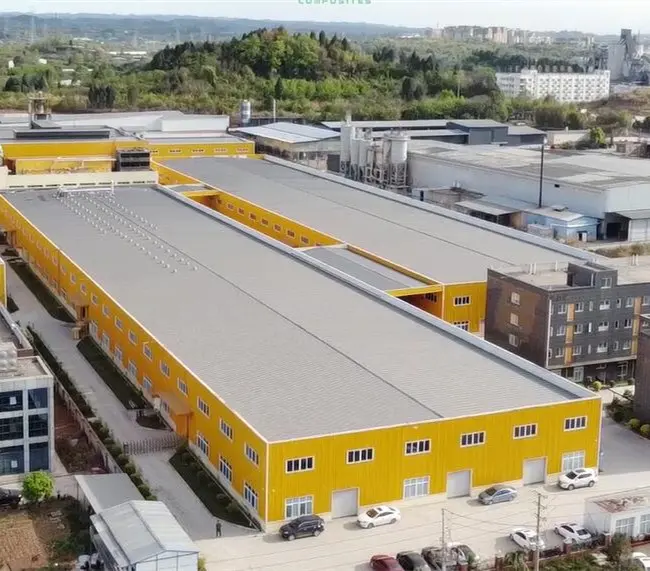
Established in 2012, our group has focused on developing and manufacturing advanced analytical instrumentation, including Fourier infrared gas remote sensing imaging early warning systems, ambient air quality monitors, high-precision dynamic gas distribution meters, multi-gas emergency detectors, and OEM/ODM gas detection devices.
Our quality management systems strictly follow ISO 9001, ISO 14001 (Environmental Management), and ISO 45001 (Occupational Health and Safety). Our products hold certifications from national and international regulatory bodies, including CPA, CCEP, CNAS, and CMA test protocols.
We design solutions to streamline installation, configuration, and long-term calibration in demanding oil, gas, and utility environments.
We help global partners customize, label, and deploy specialized detection devices tailored for local standards.
Our core team accounts for 60% of the entire company, focusing on spectroscopy, PID, and electrochemical analysis.
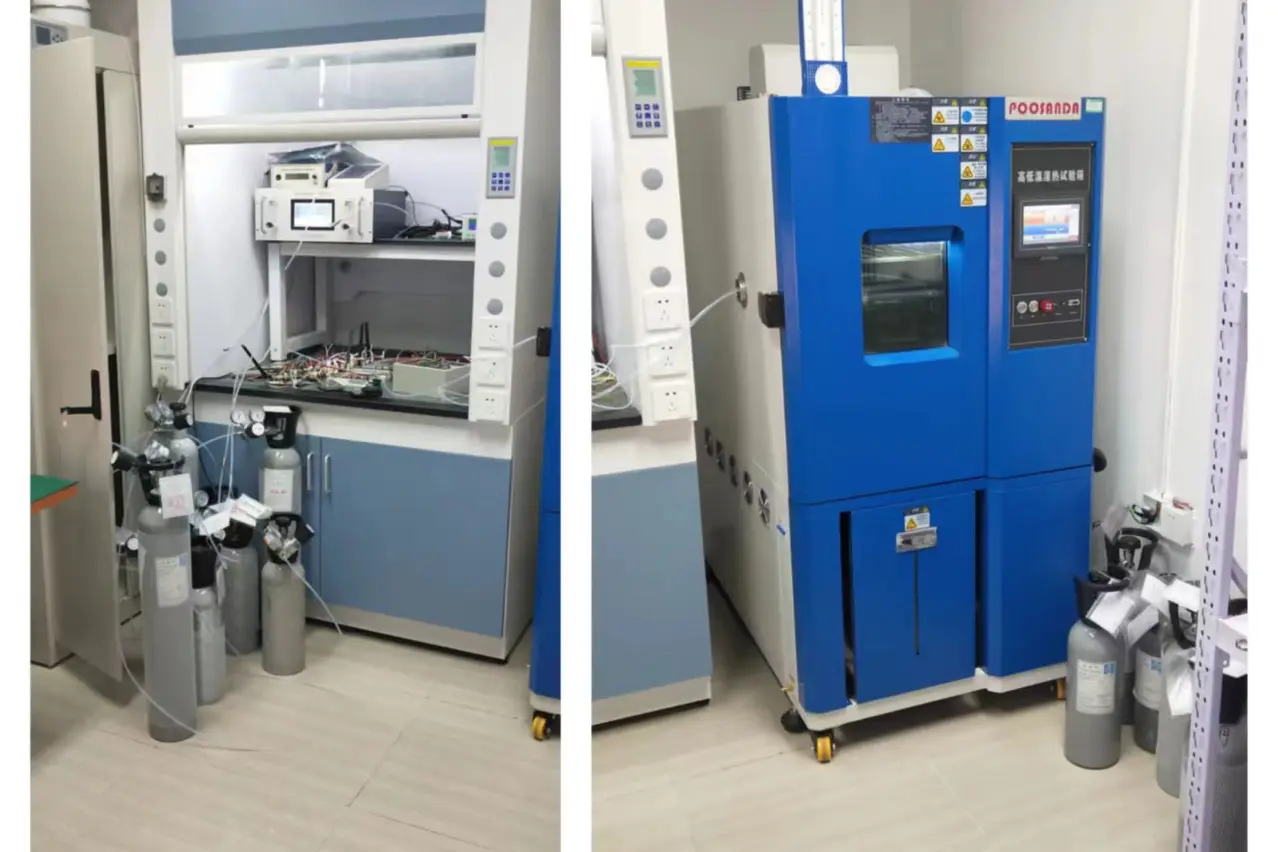
Each instrument undergoes calibration, temperature chamber cycling, and vibration testing prior to shipment.
Our sales engineers are trained to structure project specifications and prepare tenders for global procurement processes.



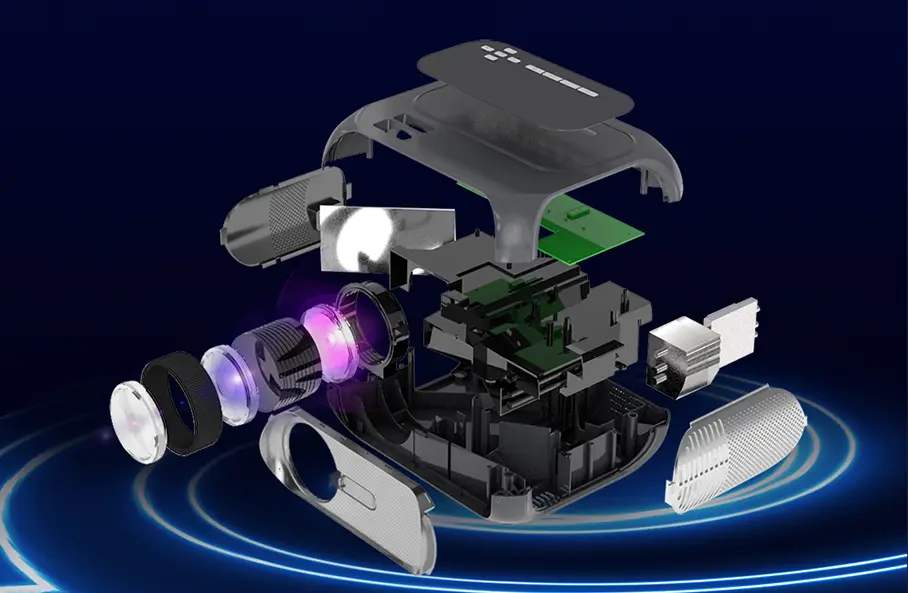
Our analytical systems are tested and certified to verify they meet necessary industrial safety, occupational health, and ecological compliance metrics.
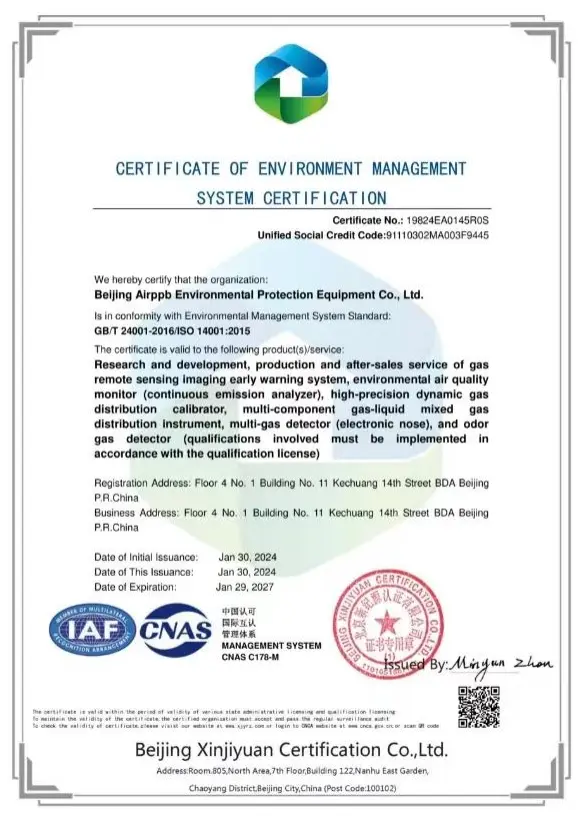
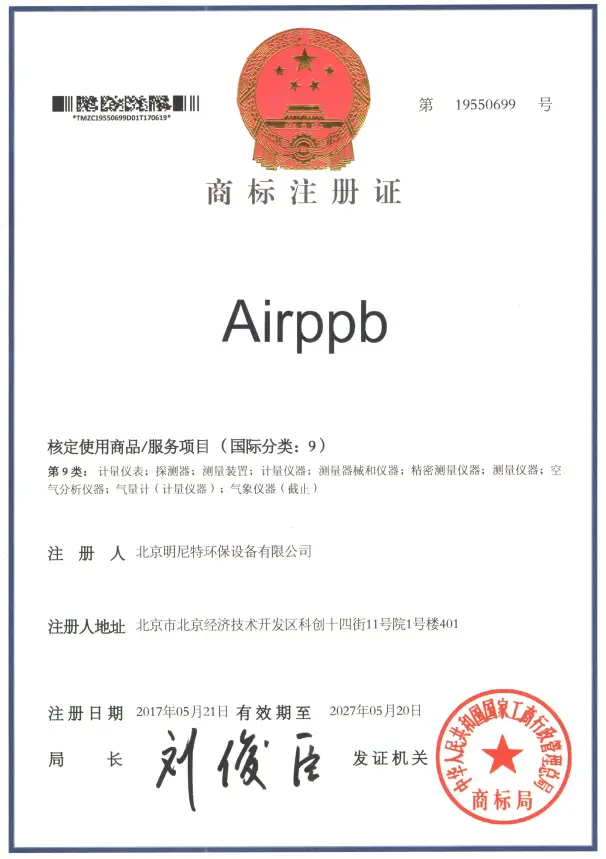
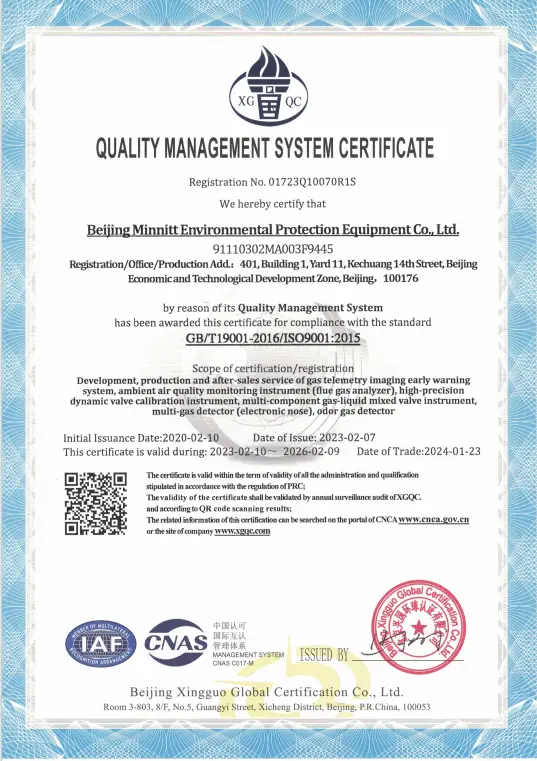
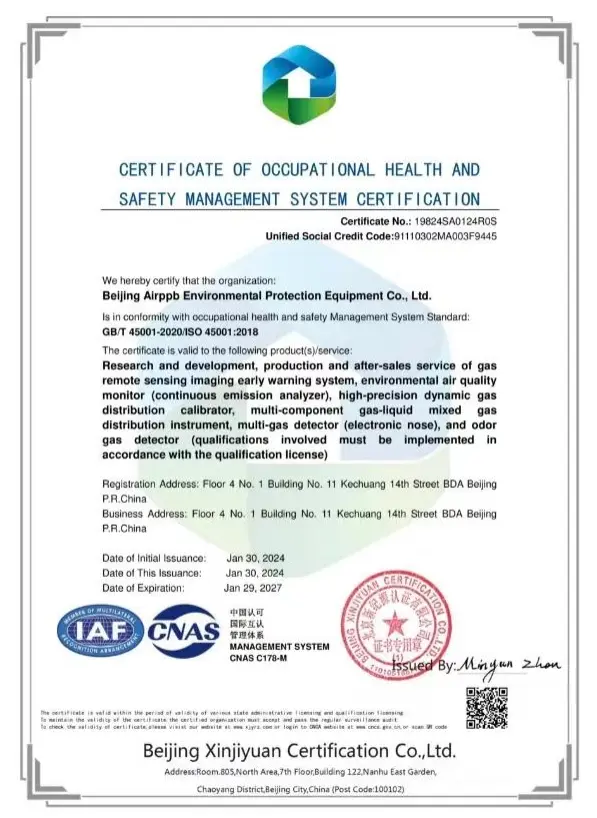
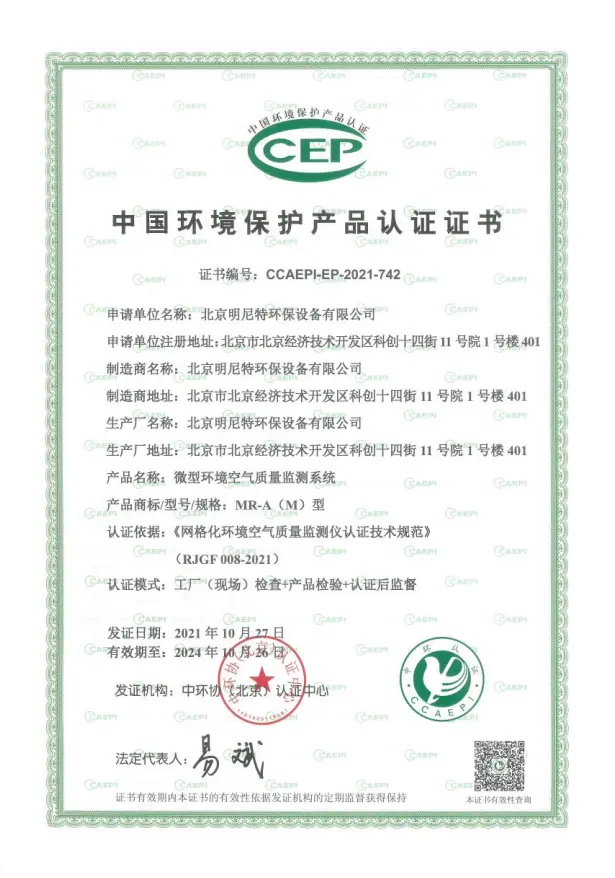
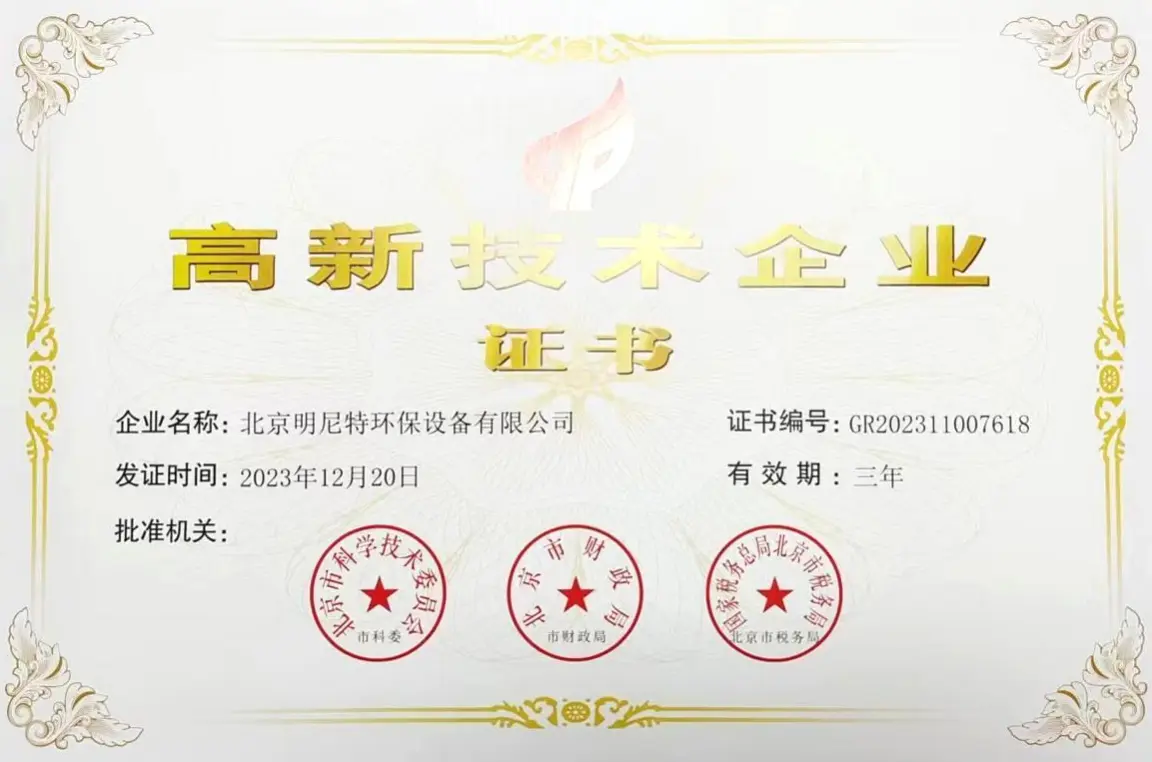
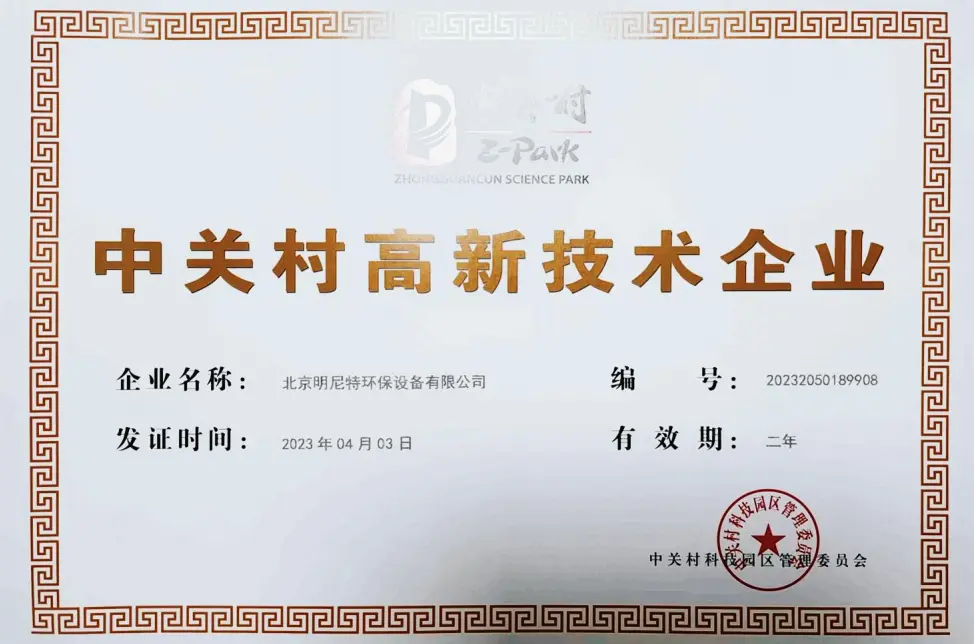
We engage in continuous dialogues with international standards bodies, laboratory networks, and global petrochemical operators.
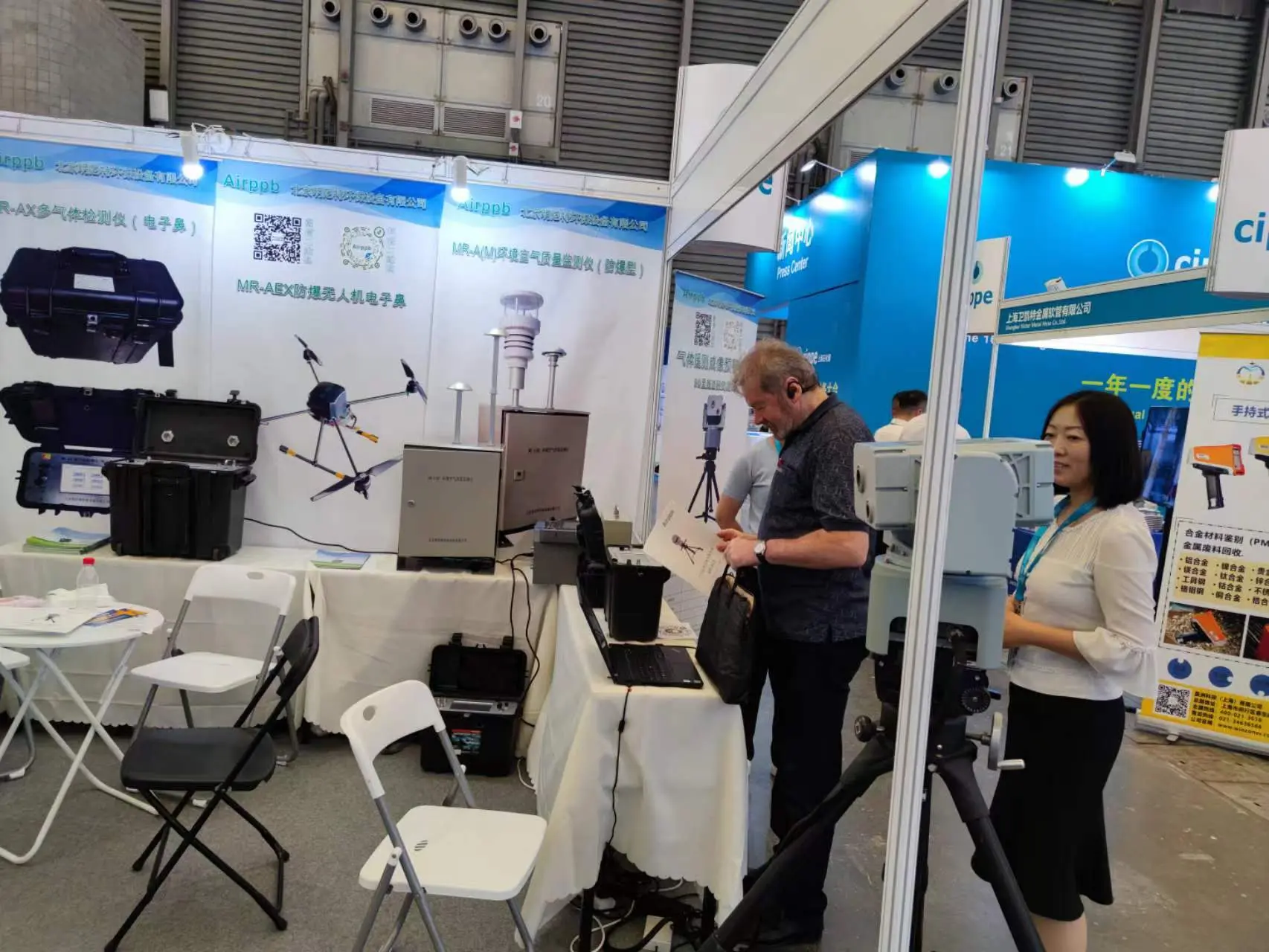
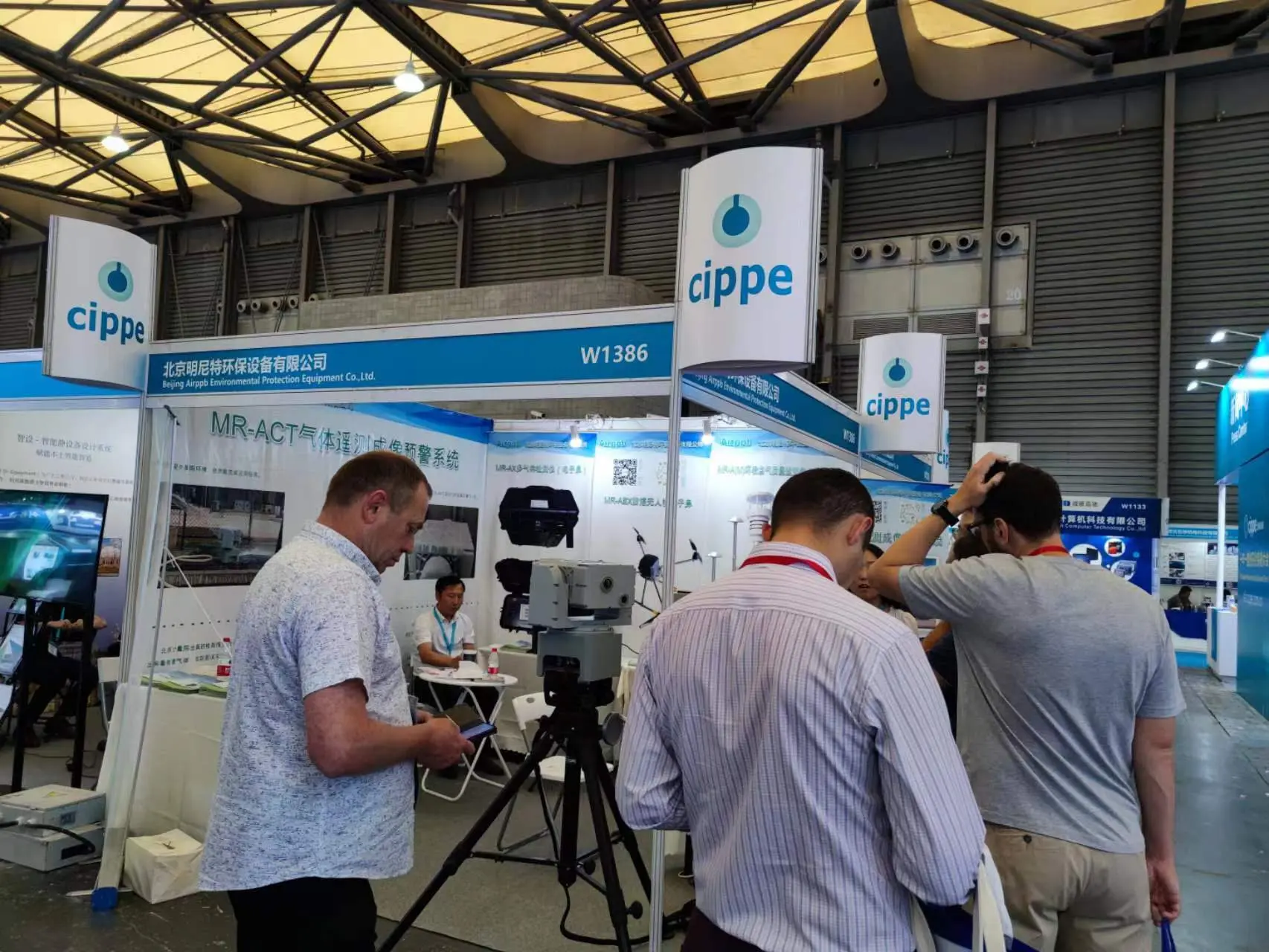
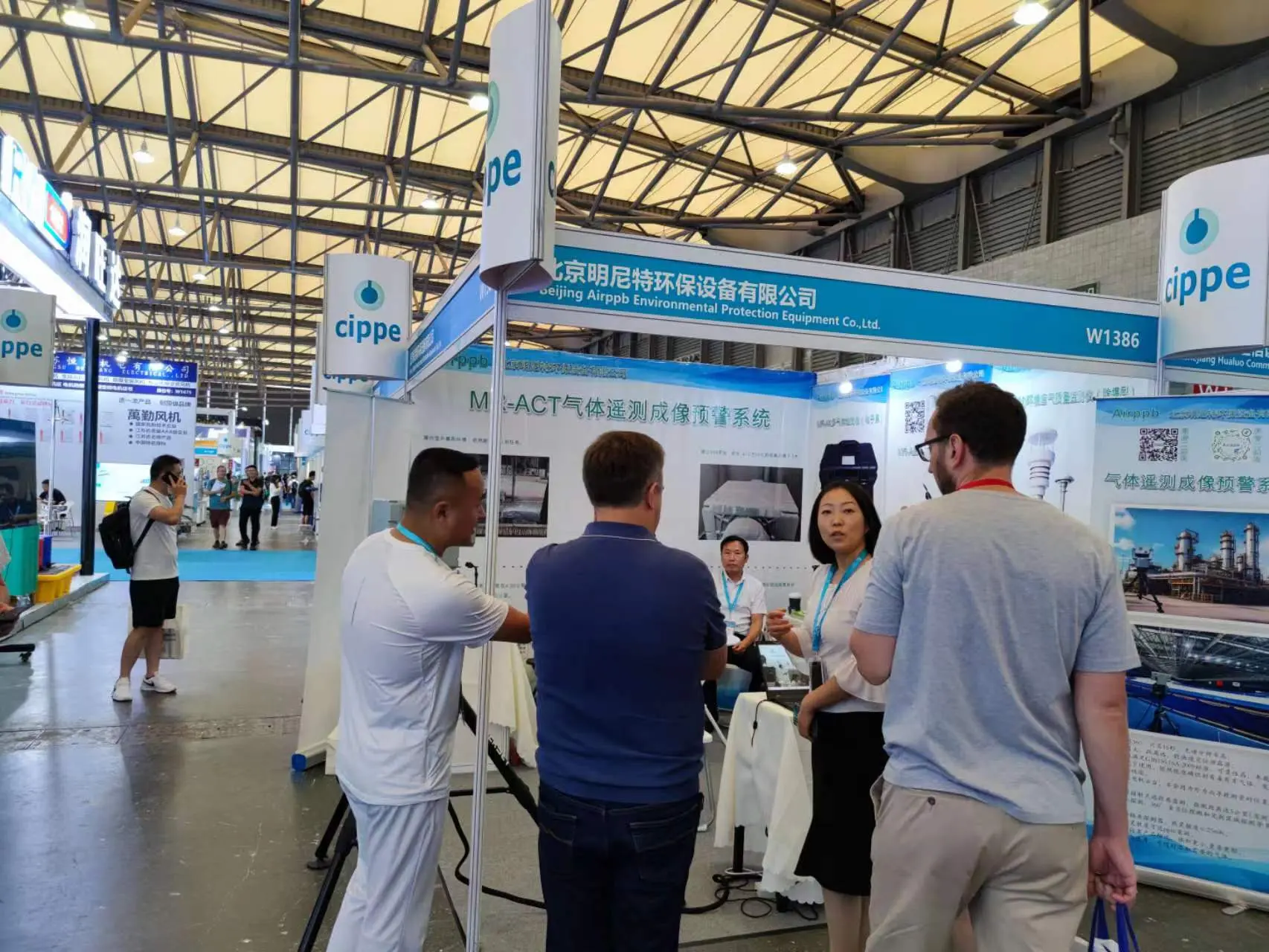
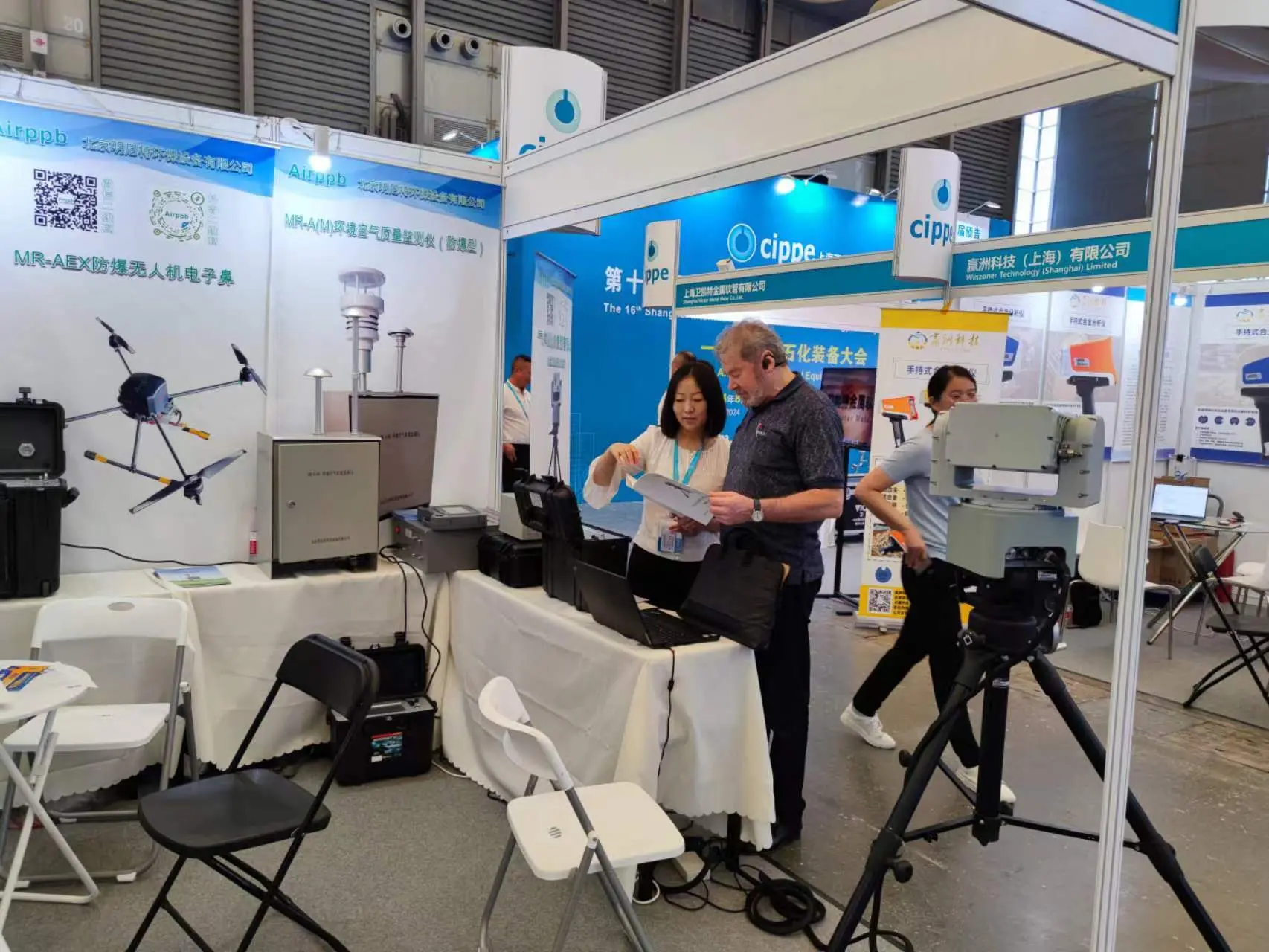
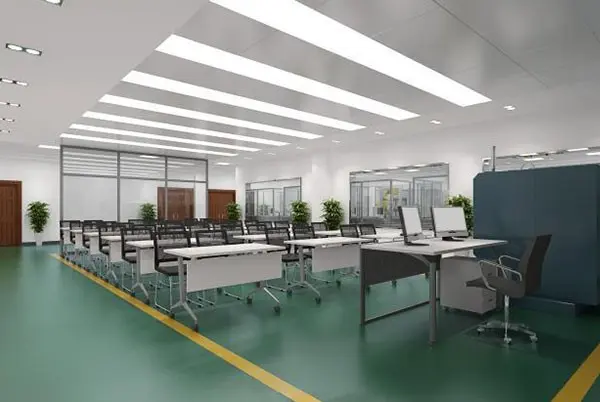
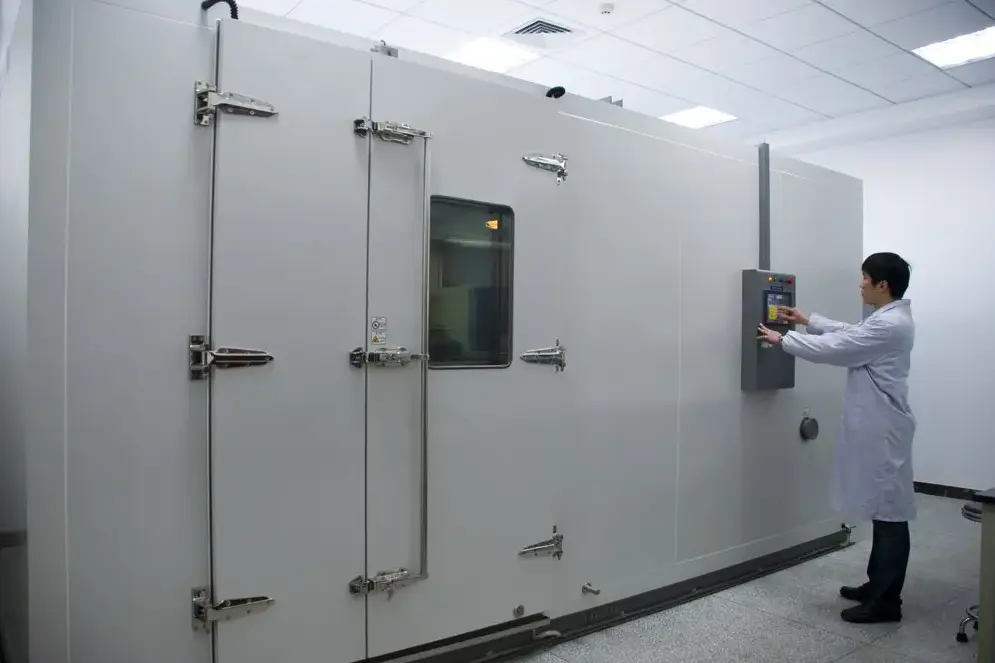
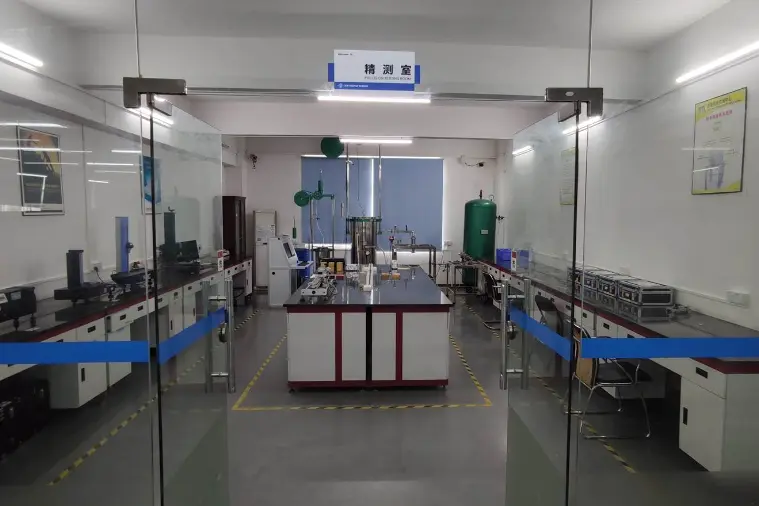
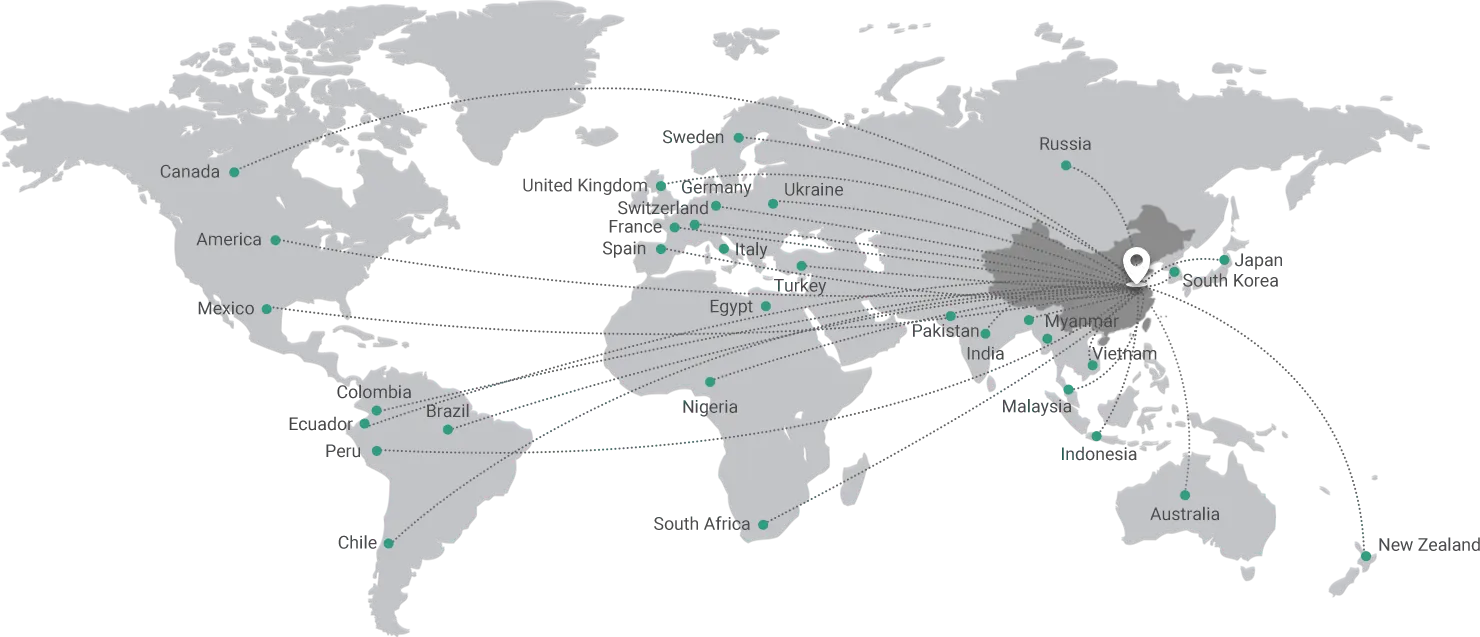
Our products have been integrated into industrial systems across North America, Europe, Asia, and West Africa. We offer dedicated logistics pipelines for laboratory operators in Equatorial Guinea, ensuring direct delivery to ports like Malabo and Bata, along with support for customs clearance and commissioning.
Expert insights on purchasing, deploying, and maintaining gas analytical and laboratory instrumentation in West Africa.
Our instruments feature advanced, corrosion-resistant housings (up to IP67 ingress protection) and internal thermal management systems. For optical path detectors like our FTIR telemetry cameras (MR-ACT), we utilize heated mirrors and hermetically sealed chambers to prevent internal condensation and ensure stable detection in environments with high relative humidity.
Yes. The MR-DF series dynamic gas distribution meters are designed to generate trace-level gas concentrations for a wide variety of analytical instruments. They are fully compatible with mainstream chromatographs, gas detectors, and environmental sensors, offering precise mass flow control to mix multi-component gases for customized calibration curves.
The MR-ACT system requires a stable mounting platform with a clear line-of-sight across the monitored process zone. It integrates with industrial communication protocols (Modbus, TCP/IP) to feed real-time path concentration data directly to your control room SCADA system. Specialized explosion-proof options (ATEX/IECEx certified) are available for hazardous Zone 1 or Zone 2 locations.
Yes. Over 60% of our operations involve research and development, allowing us to customize sensor arrays, gas flow pathways, internal materials, and enclosures to meet target technical and environmental requirements, including high-salinity marine applications.
The MR-AIMS uses Ion Mobility Spectrometry to detect trace amounts of chemical agents, toxic industrial chemicals (TICs), and VOCs in seconds. Its high sensitivity and fast response times make it a useful tool for emergency response teams identifying hazardous plumes on-site.
We provide comprehensive virtual commissioning, video calibration training, and supply spare modules directly through our logistics partners. Additionally, we work with localized Central African service teams to assist with installation, annual calibration certification, and emergency support.
Browse our core selection of gas monitoring systems and calibration equipment, designed to support lab operators and safety coordinators in Central Africa.
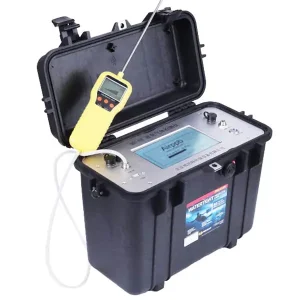
Durable handheld multi-gas detector for real-time monitoring of volatile toxic compounds.
Inquire Now
Advanced classification tool for environmental monitoring near waste or oil treatment systems.
Inquire Now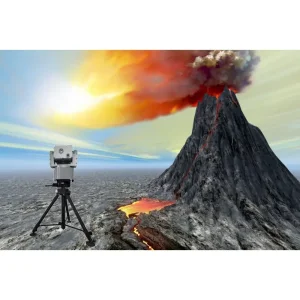
Open-path solar-powered gas telemetry platform designed for continuous geothermal logging.
Inquire Now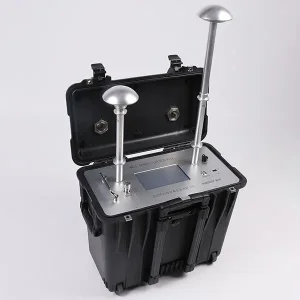
Portable safety analyser engineered to measure air quality parameters at processing facilities.
Inquire Now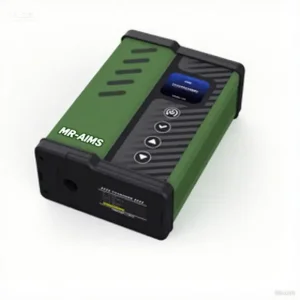
Trace chemical analysis based on high-speed ion mobility spectrometry technology.
Inquire Now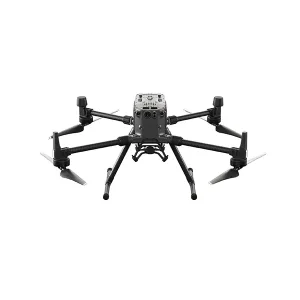
Open-path FTIR gas analyzer designed for wide-area fenceline and stack emissions monitoring.
Inquire Now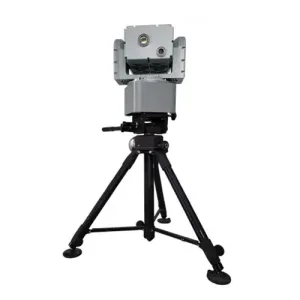
Gas leak visualization camera for remote imaging of hydrocarbon emissions.
Inquire Now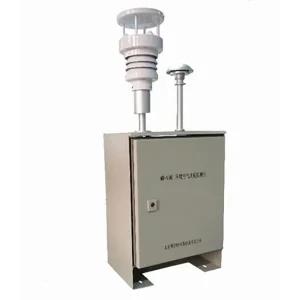
Micro air quality tracking station for environmental boundaries and urban industrial zones.
Inquire NowConnect with our engineering division to discuss custom specifications, OEM/ODM opportunities, or request detailed quotes for your projects in Equatorial Guinea.
Send Inquiry Now